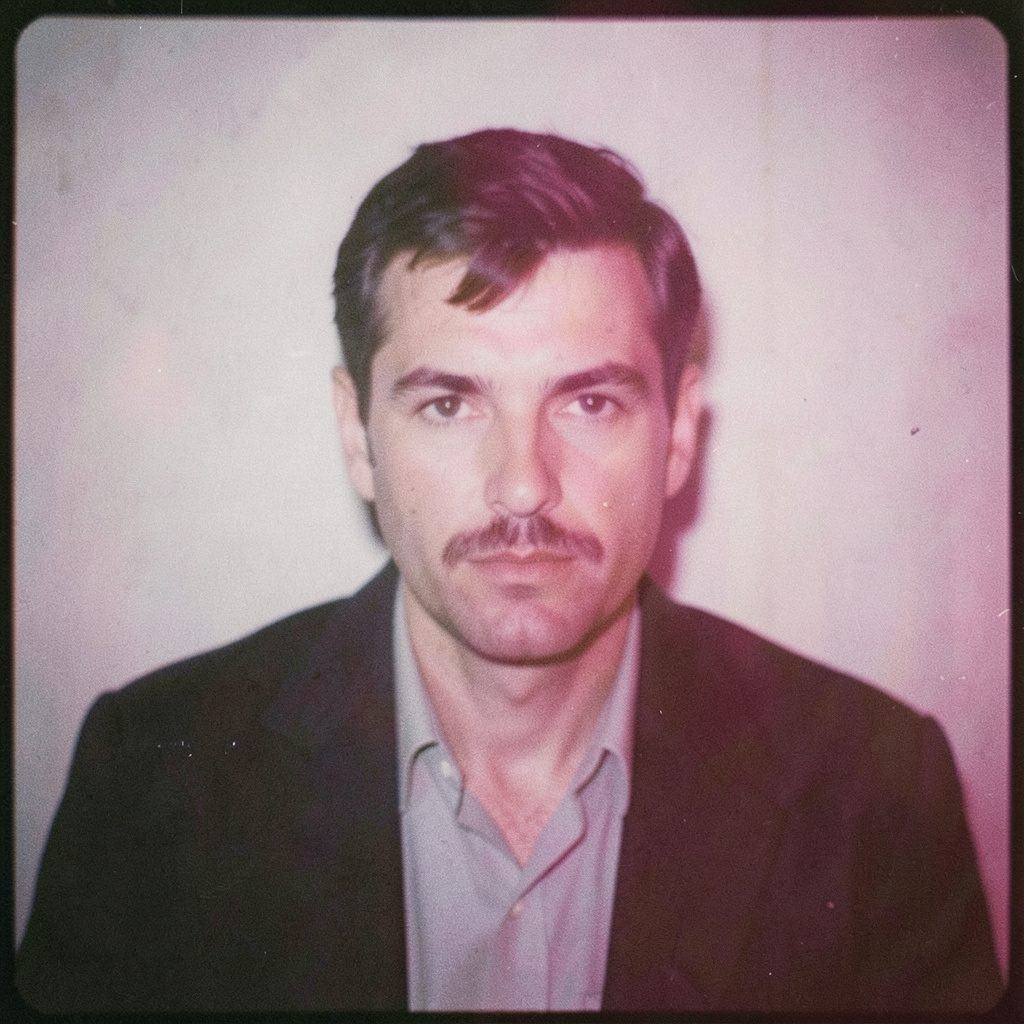
"Photography is not about the thing photographed. It is about how that thing looks photographed."
A Day Behind the Lens with a Freelance Photographer in Wrocław
The alarm sounds at 5:30 in a small flat near the Oder River. Outside, the city is still wrapped in pre-dawn grey, the cobbles of Rynek empty except for a stray cat cutting between the closed flower stalls. Coffee begins to brew while lenses get wiped and camera bags get checked. For a freelance photographer in Wrocław, no two mornings unfold the same way. A session might be a fashion editorial staged in a brutalist office block by Plac Grunwaldzki, a corporate portrait for a Polish tech founder in the business district, or a single conceptual frame for a personal series shot on Ilford HP5. The unpredictability is what keeps the work alive, and what makes preparation essential.
Wrocław sits in the centre of Europe, but the client base often reaches much further. Calls with Sydney arrive at awkward hours, briefs travel in overnight from Berlin, and emails from Melbourne studios sit waiting before the kettle has boiled. Working across continents has reshaped how the calendar is read. By 7am local time, messages from Australian clients have already been answered, briefs have been filed, and the day's first set of decisions is locked in. The rhythm takes some getting used to, but it has its own quiet rewards.
Early light and early calls
Morning is the most organised part of the day. A short walk along the riverside path loosens the mind while notes are jotted on light direction and the weather. Wrocław's morning light at this time of year is generous, soft and low, throwing long shadows that flatter portrait subjects and add depth to environmental frames. By the time the sun has cleared the cathedral spires on Ostrów Tumski, the assistant has usually arrived with the grip truck, or the team is gathering at the studio off Ruska Street. Gear is laid out the night before, but it is checked twice: once by the photographer, once by the assistant, because a missing adapter or a depleted battery can derail an entire shoot. Memory cards are formatted in camera, backup bodies are loaded, and a small kit of cinefoil, gaff tape, and a folding reflector rides along in a side pocket.
Communications with Australian clients follow a specific rhythm. A photographer's day in Poland often begins at dawn so that calls align with late afternoon in Sydney or Melbourne. When someone in Surry Hills fires off an email at 4pm, it lands before the Polish day has started. The reverse is also true: briefs sent from Wrocław at 5pm reach Brisbane at 2am the next morning, polite to keep momentum without expecting a reply until business hours. The dance is helped along by shared Dropbox folders, Trello boards, and a willingness to greet clients with a cheerful "g'day" before switching back to "cześć".
On location around the city
When the brief calls for environmental work, the city itself becomes a partner. The Rynek, with its pastel townhouses and the Gothic weight of the Old Town Hall, works beautifully for fashion stories with a European edge. For a corporate headshot, the glass-walled offices near the Sky Tower catch the morning sun at a flattering angle, while the post-industrial halls of the Wrocław Technology Park lend a gritty texture to conceptual portraiture. Quiet corners of the city often produce the strongest frames: the graffiti-tagged fences along the railway lines, the hushed interiors of the Four Domes Pavilion, the reflective surfaces of the Hala Stulecia across the river.
Australian assignments arrive in different shapes. Some come through Sydney agencies that want European imagery for travel campaigns, others through boutique magazines in Melbourne or commercial studios working with Polish talent abroad. A shoot might be a portrait of a Polish-born chef whose restaurant just opened in Bondi, or a still life series commissioned for a hotel group with properties in Perth. The continent-hopping nature of the work means a session scheduled for late morning in Wrocław can have its final retouched frames reviewed the same evening by a client in Adelaide over a flat white. Permission for location work is usually arranged through a fixer who speaks both Polish and English, which keeps the day moving when permits are required at short notice.
Midday: studio sessions and studio decisions
By noon the day has usually committed itself to a single direction. If the morning was location-based, the afternoon often moves indoors. The studio, a converted workshop on the third floor of a tenement building, has been arranged for a beauty campaign or a product series. Stands are dressed, Profoto packs warmed up, and tethered capture begins. There is a meditative quality to studio work that the road can lack: light can be measured, positions can be refined, expressions can be coaxed into the precise half-second that captures a feeling. The monitor in the corner shows the previous frame at full size, the next frame waits in the buffer, and the room settles into a quiet hush as the shutter fires.
Lunch tends to be eaten at the desk. A zapiekanka from the corner of Świdnicka, or a bowl of żurek if a nearby canteen is open. Clients are updated through WhatsApp, invoices get logged, and the day's raw files are backed up to two external drives plus a cloud archive. Backups are a small ritual but a vital one: lost images are not just lost time, they are lost trust, and a freelance reputation does not survive a careless drive failure. Once the files are safe, the afternoon session begins to take shape.
Afternoon calls, editing, and darkroom work
The afternoon is when international communication peaks. Australian clients are finishing their workday, so calls at 3pm Wrocław time land at midnight AEST, which is too late. The sweet spot sits around 8 to 9am Polish time, which equals 5 to 6pm in Sydney and 6 to 7pm in Melbourne. Those hours are protected. A short call reviewing selects, a longer one discussing a concept for a series about Polish-Australian diaspora, or a quick check-in with a producer about the following week's shoot in Kraków. Each conversation is logged in a small notebook afterwards, with the agreed next steps circled in red so nothing slips through the cracks of a busy week.
Between calls, the editing station earns its keep. Capture One handles the tethered work, while a separate screen runs the Adobe suite for finer retouching. If the day calls for film, a small darkroom in the back of the studio handles the chemistry. Developing Tri-X in D-76 at 20°C, hanging negatives to dry, contact sheets pulled from an old Omega D2 enlarger. The analogue work is no longer a commercial centrepiece, but it sharpens the eye and feeds the fine art projects that keep the practice honest. Frames selected in the morning are refined by the afternoon; a few are rejected for new ideas that arrived during the day.
Evening: wrapping, planning, and personal work
By six o'clock the day's commissions have usually been wrapped. Files are checked, drives are swapped, the studio is tidied. The walk home takes the long route, through the slow hum of evening traffic on Kazimierza Wielkiego and past the lit windows of restaurants serving dinner. The Polish habit of a late, slow meal means supper rarely starts before eight. Family or housemates often join for a relaxed hour, the day's stories traded for other news from the household.
Once home, the laptop comes out again, but only briefly. Calendars are reviewed, the next day's shoot confirmed, location permits re-checked. A concept for a new series might be sketched in a notebook, or frames from a recent trip to the Tatra Mountains might be reviewed for a portfolio submission. Australian competitions and grants are worth watching: the Head On Photo Festival in Sydney, the Ballarat International Foto Biennale, the CLIP Award in Perth. Submitting work keeps the international profile alive and occasionally brings briefs back the other way.
There is also the quiet discipline of printing. A small printer runs archival pigment inks, and at least once a week a fresh print is made from an old roll. The goal is not sales, though prints do sell occasionally through the website or a Kraków gallery. The goal is continuity with the practice, the patient construction of a body of work that can be shown, exhibited, and remembered when the next commercial assignment arrives. The day closes much as it began, with the slow ritual of a long evening in a quiet flat. Tomorrow might bring a wedding at a vineyard outside Opole, a fashion story staged in a Łódź warehouse, or simply a stack of portraits for an Australian magazine. The variety is a privilege, and the structure that holds it together is mostly invisible. What looks, from the outside, like a loose and wandering life is in fact a careful choreography of light, time, and trust.
A few practical notes for anyone considering the work
- Build a buffer of three months of living expenses before going freelance, so quiet months do not become survival months.
- Treat the calendar like a creative tool, not an administrative chore. Block out creative time and protect it the way a client would.
- Learn to say no kindly. A freelance practice grows stronger when it turns down briefs that pull it off course.
- Keep an analogue practice alive, even if digital carries the income. The discipline sharpens the eye and the portfolio.
- Stay curious about distant markets. A portfolio that travels well, from Wrocław to Melbourne, opens briefs that geography alone cannot reach.
Selected Series
A cross-section of commissioned and personal projects spanning fine art, commercial, and conceptual work.
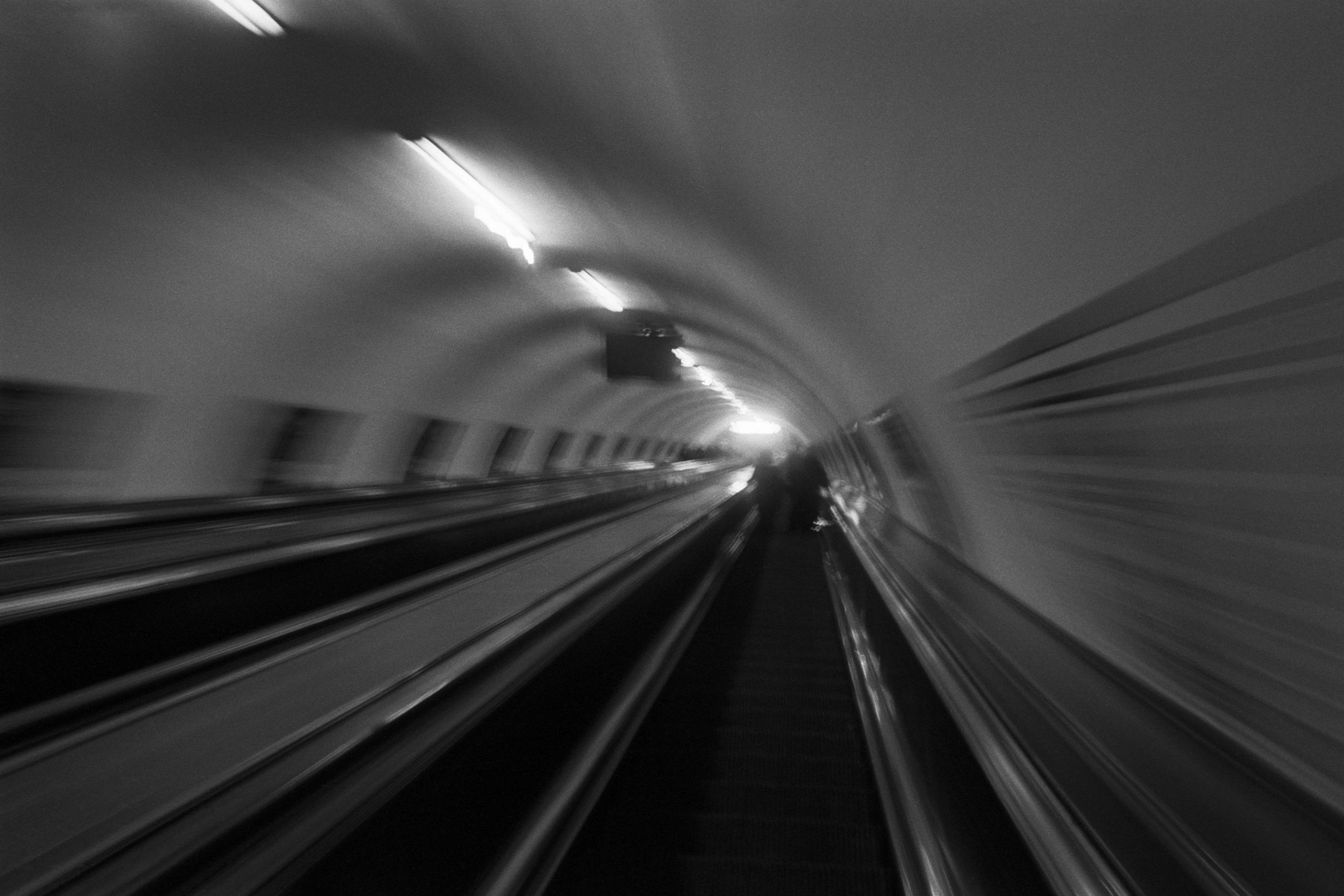
The Wall
2015Winner of the 1st prize & Golden Glass Award at the 11th Photographic Open Championship Olsztyn, and 1st place with the Special Prize of FORMAT magazine at the 3rd Biennial of Art in Piotrków Trybunalski.
View Series →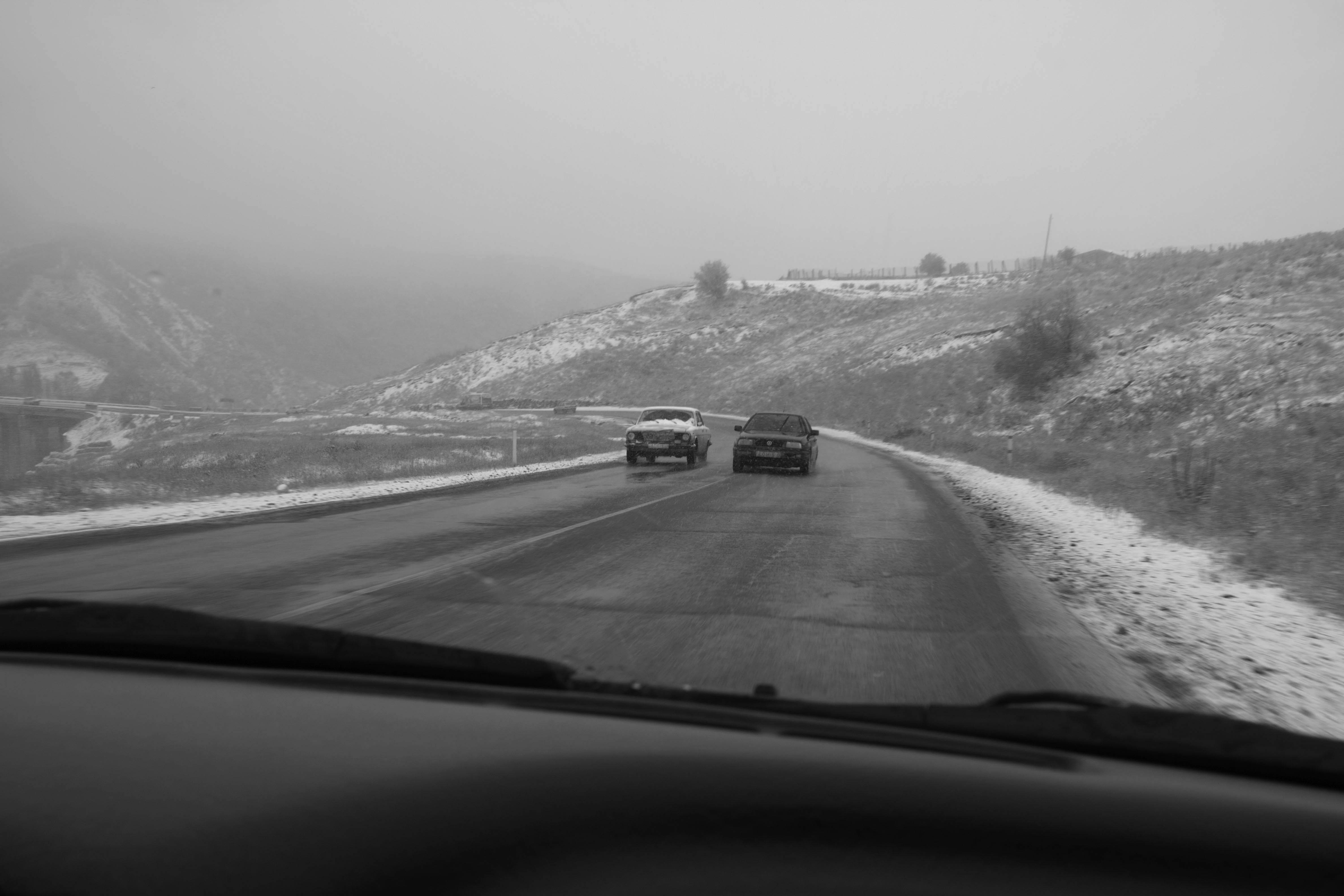
An Engagement Ring
2011A narrative series set in Wrocław in August 2011. Awarded 2nd prize & Silver Glass at the 10th Photographic Open Championship Olsztyn in 2014.
View Series →
Heat Wave
2014A documentary series recording spontaneous events across August and September 2014, capturing the raw energy of a city under the grip of summer.
View Series →