"Photography is not about the thing photographed. It is about how that thing looks photographed."
Behind the Image: The Creative Decisions in a Single Shot
A finished photograph can appear immediate: a face, a gesture, a room, a precise arrangement of light. Yet the frame is usually the result of decisions made long before the shutter is released. Location, lens, distance, texture, timing and the relationship with the subject all shape what the viewer eventually sees. The image may feel spontaneous, but its spontaneity is often carefully prepared.
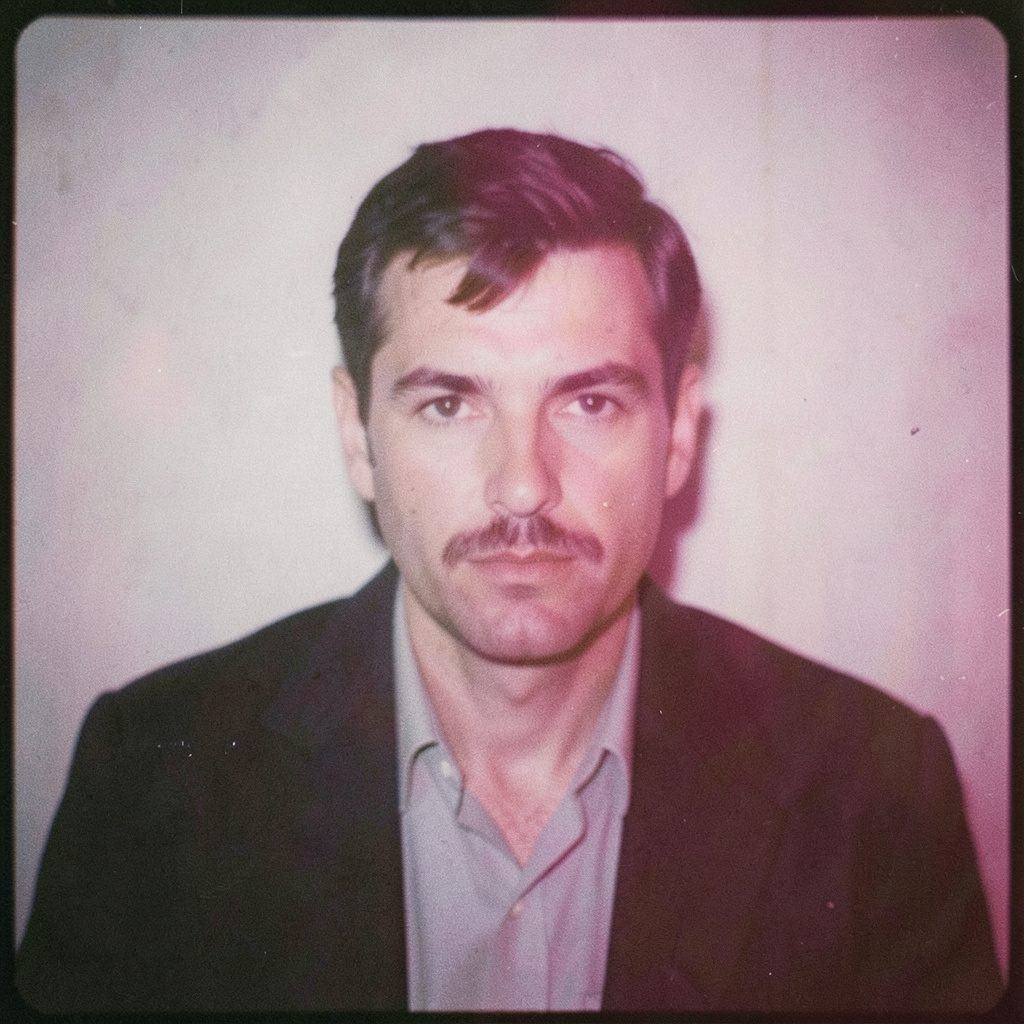
To look behind the image is to notice the choices that remain invisible. Why does a portrait feel quiet rather than corporate? Why is a fashion figure placed against an apparently ordinary wall? Why does a black-and-white photograph carry a different emotional weight from a colour image made in the same place? These questions lead into the working process: observation, restraint and a willingness to let the subject influence the final result.
My practice brings together medium-format photography, analogue film, darkroom principles and digital methods. Fine art projects, business portraits, fashion commissions and event photography may have different practical demands, yet each begins with the same aim: to make a frame that has a reason to exist. A single shot is where technical control meets human instinct.
The Frame Begins Before The Camera
The first creative decision is often made without touching the camera. I begin by considering what the photograph needs to communicate and what should remain unresolved. A business portrait might need authority and approachability at the same time. A conceptual image may work better when it leaves room for ambiguity. The subject, commission and intended audience establish boundaries, but the photograph becomes personal through the choices made within them.
Location is part of this process. I look for the relationship between the subject and the surrounding space rather than treating a background as decoration. A stairwell can suggest movement, a window can introduce vulnerability, and a plain wall can place all attention on posture and expression. In Wrocław, older architecture, worn surfaces and changing natural light often provide a sense of history without requiring elaborate production design.
The same principle applies when working for clients in the Australian market. A Melbourne laneway may offer layered texture and subdued colour, while a Sydney office near the harbour may demand a different response to strong reflected light. The location should support the person or story, not overpower it. A recognisable setting is useful only when it adds meaning to the image.
Before a session, I therefore spend time looking at the space at different angles and, when possible, at different times of day. I notice how people move through it, where the light falls and which details might become distractions. This preparation makes the eventual frame feel natural because the visual decisions have already been tested in my mind.
Light Shapes The Emotional Temperature
Light is not simply a tool for making a subject visible. It determines the emotional temperature of a photograph. Soft, directional light can reveal form gently, while a harder source can create tension and expose texture. Overcast daylight tends to compress contrast and create an introspective mood; direct sun can produce confidence, drama or discomfort, depending on how it is controlled.
For a portrait, I might place a subject close to a window and allow one side of the face to fall into shadow. That shadow gives the viewer somewhere to pause. It can suggest thoughtfulness and depth, particularly when the expression is restrained. In another setting, I may use a broad light source positioned slightly above eye level, creating a clean and open impression appropriate for a leadership portrait or editorial commission.
Australian conditions bring their own visual opportunities. The sharp midday sun found in parts of Sydney, Perth and Brisbane can be unforgiving, but it can also create clear graphic shapes and strong separation between light and shade. Rather than automatically avoiding it, I may move the subject into open shade, use a wall to bounce light back into the face or wait for late afternoon when the contrast becomes more forgiving.
Colour temperature is another quiet decision. Warm light can make a scene feel intimate, while cooler tones can create distance. In a monochrome image, these differences become tonal relationships: pale skin against a dark coat, a bright doorway behind a figure, or the gradual greys of a textured wall. The absence of colour does not remove atmosphere; it asks the photographer to build atmosphere through luminance, contrast and surface.
The Lens Determines The Relationship
Choosing a lens is also choosing how close the viewer will feel to the subject. A wide-angle lens can place a person firmly within an environment, though it may exaggerate proximity and perspective. A longer focal length can simplify the background and create a quieter, more concentrated portrait. Medium-format systems offer a distinctive balance of detail, depth and presence, encouraging a considered pace rather than rapid shooting.
For a business portrait, I avoid relying on a generic visual formula. A tightly cropped headshot may be appropriate for a professional profile, but it may conceal the qualities that make the individual memorable. Including part of the workspace, a personal object or the architecture around them can provide context. The decision depends on whether the image is intended for a company website, an annual report, a speaking profile or a personal brand.
This consideration is especially relevant in Australia, where a single portrait may appear across LinkedIn, a corporate website, media releases and conference programmes. The image needs to remain effective in both a large editorial layout and a small digital crop. I plan for that flexibility without allowing commercial requirements to flatten the character of the photograph.
Distance also changes the interaction. When I move closer, the subject may become more aware of the camera, and that awareness can be useful. It may produce a direct, alert expression. When I step back, the person often relaxes into the environment. Neither approach is inherently more authentic. The correct distance is the one that supports the story being made.
Directing Without Erasing Personality
A portrait is a collaboration, even when the final image looks effortless. People often arrive with an idea of how they should look in a photograph, shaped by professional conventions, social media and previous experiences. My role is to create enough structure for them to feel secure while leaving space for an unplanned gesture or expression.
I rarely want a subject to hold an artificial pose for too long. Instead, I may give a simple instruction: turn slightly towards the light, lower the chin, walk to a particular point or think about a specific memory. Small physical adjustments can change the balance of the entire frame. A shoulder angled away from the lens may create reserve; an open stance may suggest confidence; hands can reveal tension long before the face does.
The moments between instructions are often valuable. A breath, a glance away, a hand returning to a pocket or a brief smile can contain more individuality than a polished pose. This is where timing becomes a creative decision. I watch for the point at which the subject stops performing the idea of a portrait and begins to occupy the image naturally.
At events, the process is less controlled, but the same attention applies. Whether photographing a gallery opening in Wrocław or a corporate gathering in Melbourne, I look beyond the obvious handshake or staged group photograph. The meaningful frame may be a quiet exchange near the edge of the room, a speaker preparing backstage or the changing expression of an audience member. Event photography becomes stronger when it records atmosphere as well as information.
Editing Reveals The Photograph’s Character
The photograph is not finished when the shutter closes. Selection is part of authorship, and it requires the discipline to distinguish a technically successful frame from an emotionally convincing one. I review images for gesture, balance, focus and the relationship between subject and space. A sharp photograph can still be empty; a slightly imperfect frame may contain the precise energy the series needs.
Analogue work makes this process especially deliberate. Medium-format film limits the number of exposures and encourages attention before each release. Developing and printing in the darkroom introduces further choices: contrast, paper surface, cropping and the treatment of highlights and shadows. The final print is a physical object, and its scale and texture can alter the way an image is experienced.
Digital workflows offer different forms of control. Colour can be refined, distractions reduced and a consistent visual language established across a commission. I use these tools to clarify the photograph rather than to disguise it. Retouching should respect the person and the circumstances of the image. Skin can retain texture, fabric can retain its structure, and the evidence of a real place can remain present.
The final decision concerns where the photograph will live. A gallery print, editorial spread, website banner and Australian corporate report each ask for different proportions and levels of visual intensity. A quiet portrait may need generous negative space for a publication layout. An event image may need to communicate immediately on a fast-moving news page. The frame remains the same, yet its presentation changes the viewer’s entry into it.
A single shot therefore contains far more than the instant of exposure. It carries the chosen location, the quality of light, the distance between photographer and subject, the timing of the gesture and the care taken during editing. Those decisions may be subtle, but together they give an image its atmosphere and purpose. The most successful photograph is rarely the one with the most effects. It is the one in which every visible element feels connected to the reason the image was made.
Selected Series
A cross-section of commissioned and personal projects spanning fine art, commercial, and conceptual work.
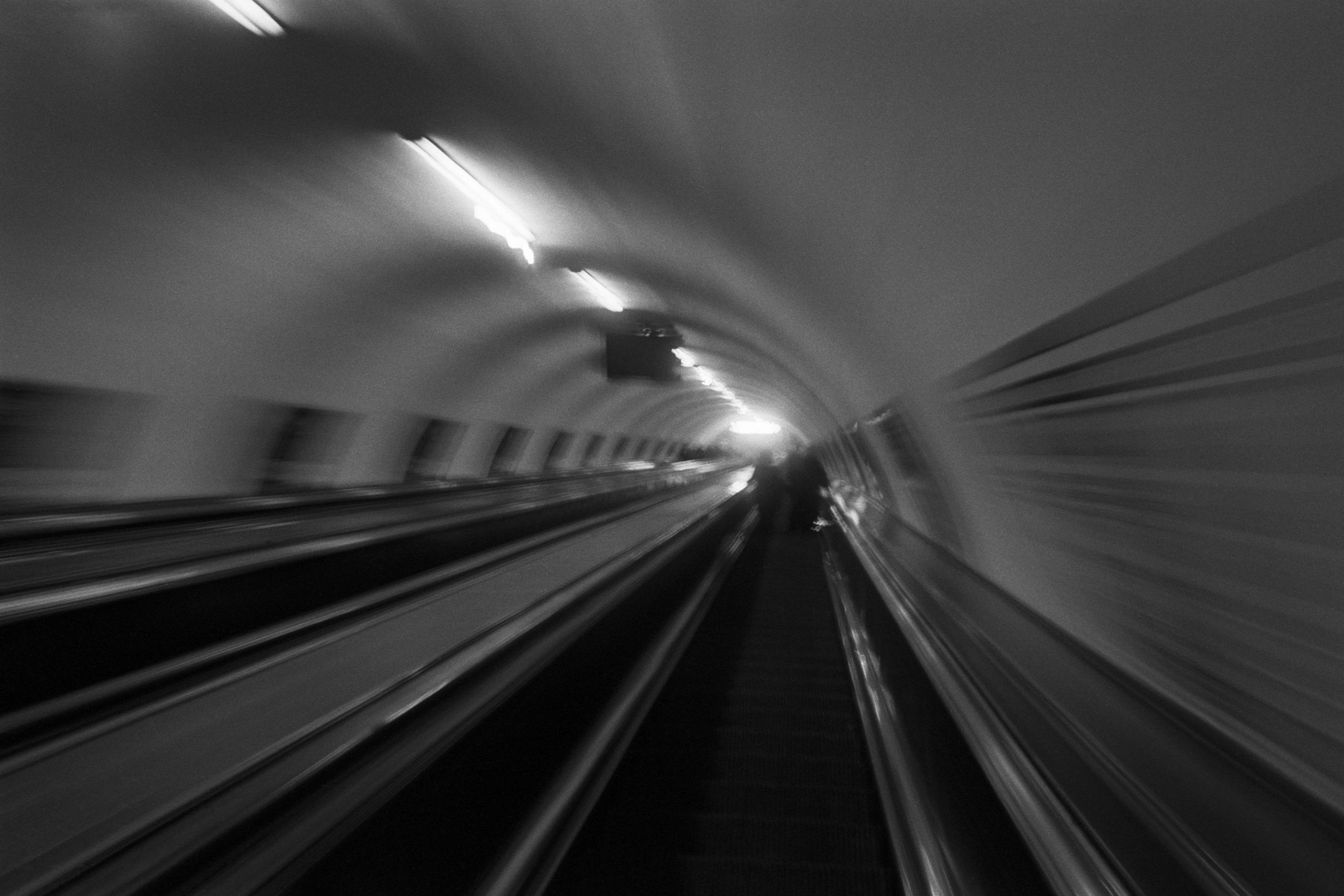
The Wall
2015Winner of the 1st prize & Golden Glass Award at the 11th Photographic Open Championship Olsztyn, and 1st place with the Special Prize of FORMAT magazine at the 3rd Biennial of Art in Piotrków Trybunalski.
View Series →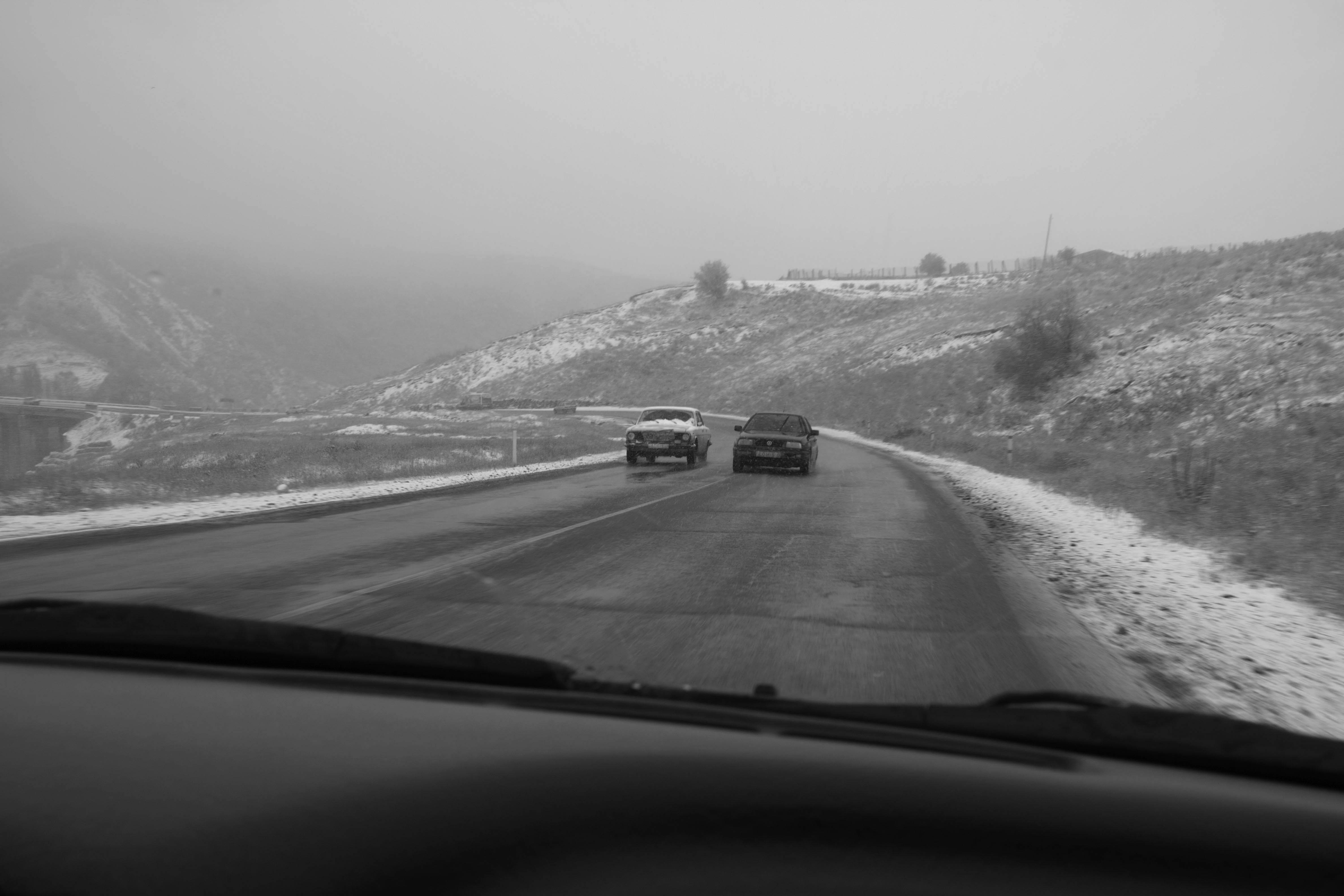
An Engagement Ring
2011A narrative series set in Wrocław in August 2011. Awarded 2nd prize & Silver Glass at the 10th Photographic Open Championship Olsztyn in 2014.
View Series →
Heat Wave
2014A documentary series recording spontaneous events across August and September 2014, capturing the raw energy of a city under the grip of summer.
View Series →