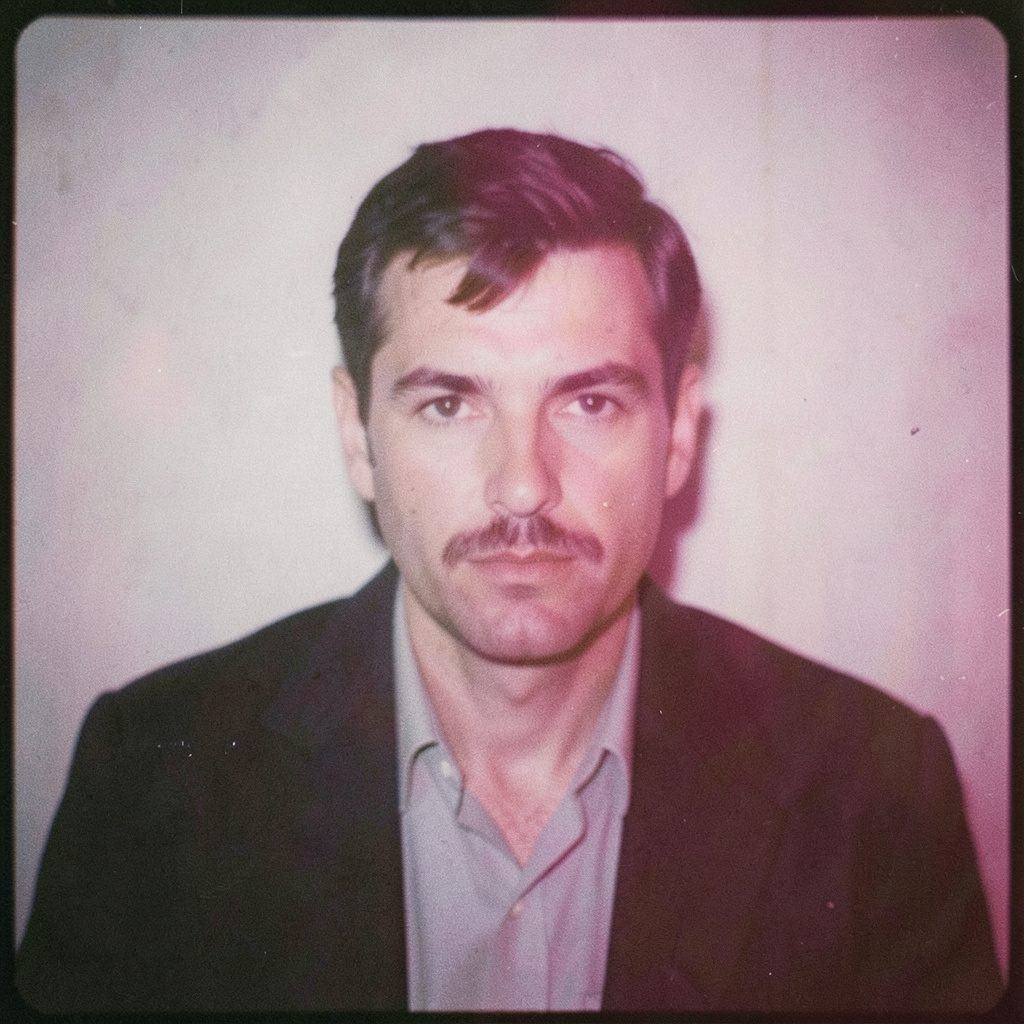
"Photography is not about the thing photographed. It is about how that thing looks photographed."
Behind the Lens: Shooting Fashion on Medium Format Film
Medium format film has re-emerged as a deliberate creative choice rather than a nostalgic leftover. For fashion work, where the rendering of skin, fabric, and light matters, the format offers a depth that even high-resolution digital sensors struggle to match. Photographers returning to film often speak about a slower, more considered way of working, one that suits a brief demanding tactility and presence.
Medium format refers to film sizes larger than the standard 35mm frame, typically 6x6, 6x7, or 6x9 centimetres. Because each negative captures a far greater surface area, the grain is finer, the tonal range wider, and the sense of dimensionality more pronounced. The format has long been a choice for editorial and haute couture campaigns, and the resulting look remains instantly recognisable.
In Australia, where the local fashion industry has matured into a globally respected scene, the appetite for distinctive visual language is strong. Designers such as Zimmermann, Romance Was Born, and Toni Maticevski have built identities that demand imagery with depth. Editorial pages in the Australian editions of Vogue and Harper's Bazaar often carry a cinematic quality, and medium format film fits that brief naturally.
This article looks behind the camera at how a fashion shoot on medium format film is actually built, from camera and film choice through to working with Australian light, collaborating with a creative team, and finishing the image in a hybrid darkroom–digital workflow. The aim is to explain why film remains a working tool for serious fashion photography rather than a sentimental gesture.
The Case for Medium Format in a Digital World
Digital capture has obvious practical advantages: instant review, lower per-frame cost over time, easier distribution. None of that disappears when film enters the conversation, but it shifts the framing. Choosing medium format film is a decision to prioritise a particular rendering of skin, cloth, and light, and to accept the constraints that come with it.
One of the format's most discussed qualities is its tonal compression. Highlights roll off gently rather than clipping abruptly, and shadows retain density without becoming muddy. For fashion, where garments often combine reflective fabrics, sheer layers, and skin in the same frame, this gradation does much of the work before any retouching begins. A silk blouse under a strobe behaves differently on a 6x7 negative than it does on a smaller sensor.
There is also the question of grain. Fine grain at large reproduction sizes is often cited as a reason to choose medium format, but the deeper interest, for many photographers, is that grain is present at all. It binds the image to a material process and gives prints a subtle texture that digital noise rarely replicates convincingly. The result is a photograph that reads as a photograph.
The slower pace of film is frequently framed as a disadvantage, but on a fashion set it functions as a discipline. Each frame is finite, expensive, and unrepeatable, so the team sharpens its preparation. Lighting is decided in advance, posing is rehearsed, and the photographer communicates intentions with precision. Clients who commission this kind of work tend to value the deliberation that produces it.
Camera Bodies, Film Stocks, and Their Character
The workhorse cameras for medium format fashion are Hasselblad 500-series and 200-series bodies, Mamiya RB67 and RZ67 systems, Pentax 67, and the Bronica GS-1. Each brings a different feel to the set. The Hasselblad's waist-level finder encourages an observational posture, while the RZ67's rotating back lets the photographer switch between vertical and horizontal framing without losing composition on the ground glass.
For black-and-white work, Ilford HP5 Plus and Kodak Tri-X 400 remain the standards. HP5 has a broad exposure latitude that forgives small mistakes during fast editorial shoots, while Tri-X delivers a pronounced grain structure and crisper rendering of fabrics. For colour negative, Kodak Portra 160 and Portra 400 dominate the fashion set, and Fuji Pro 400H, although discontinued, still circulates through the secondhand market. The choice of stock is itself a creative decision: Portra 400 renders skin with a soft warmth that flatters most beauty work, while Ektar 100 produces saturated reds and blues that suit graphic fashion imagery.
Polaroid backs were once standard on medium format cameras for proofing, and instant film remains useful on set for clients and stylists who want to see composition before the day ends. Fuji's Instax Wide backs have largely replaced traditional Polaroid materials, and many photographers keep one in the bag specifically for that workflow.
Working with Australian Light and Locations
Australian light is famously unforgiving. The combination of low atmospheric humidity and high UV intensity produces crisp shadows, saturated skies, and a contrast range that can punish film if it is met unprepared. In Sydney, a midday shoot along Bondi or in the harbour-edge suburbs produces a hard, directional light that suits graphic fashion but demands careful exposure. In Melbourne, the four-seasons-in-a-day climate adds an extra variable: a cloud break can shift the look of a set within minutes.
Location scouting in Australia tends to happen the day before a shoot rather than a week in advance. Light that looked ideal in a recce can be unworkable by the time the team arrives, and contingency is built into the schedule. Beach shoots around Cottesloe in Perth or Noosa on the Sunshine Coast are typically scheduled for early morning or late afternoon when the sun sits lower and the air is cooler. For interior work, Australian studios are well equipped with HMIs, tungsten, and modern LED panels, but many fashion photographers still favour natural light where possible. Medium format film responds beautifully to large window sources, and studios in Surry Hills, Collingwood, and Fortitude Valley are often built around north-facing skylights that throw a soft, even light across a set.
When shooting on public land or in recognisable locations, the photographer must be aware of Australian privacy rules, particularly the Australian Privacy Principles under the Privacy Act 1988. Editorial images taken in clearly public spaces are usually fine, but commercial campaigns using recognisable venues, including certain Sydney Opera House exterior shots, can require permits and, in some cases, location agreements with local councils.
On Set: Models, Stylists, and Creative Direction
A medium format fashion set moves differently from a digital one. Without a stream of preview frames, the photographer relies on experience to anticipate the moment and trust the assistant to confirm focus. Communication becomes verbal and precise: the photographer calls small adjustments to pose, hair, and light, and the model responds in real time. Many models working in Australia, particularly those signed with agencies such as Chic Management, Viviens, and IMG Australia, are trained to work in this rhythm.
Stylists also adjust their approach. Wardrobe is finalised before the day begins because there is no second chance to review a frame and request a different look. Steam, pins, and garment prep are handled in advance, and the assistant often carries a small sewing kit on set. For Australian designers showing at Australian Fashion Week in Sydney, the lead-up to a campaign shoot is a tightly scheduled production week where every department runs to plan.
Hair and makeup for film tends to be slightly more matte than for digital, because skin will be rendered with more texture and shine can read as harsh under certain light. Beauty work on medium format is unforgiving in a useful way: it shows exactly what was applied, and the photographer can collaborate with the makeup artist in real time without relying on a screen.
Direction on set is collaborative. The photographer carries the visual brief, but the stylist, model, and often the client all contribute. A simple instruction such as "give me weight in the shoulder and quiet in the eyes" tends to get further than mechanical adjustments. Because film forces fewer frames per minute, those instructions have time to land.
Processing, Scanning, and the Hybrid Workflow
Once the shoot ends, the work moves into the lab. For colour negative, a professional house in Sydney or Melbourne processes and scans to the photographer's preferred colour profile. For black-and-white, the photographer may develop by hand, especially when the look depends on a particular developer, dilution, or temperature.
Hand development gives precise control over contrast and grain. Rodinal at 1+50, for instance, produces a noticeably different look from Ilfotec DD-X, and the choice changes how skin and fabric render. For fashion, where consistency across a set of frames matters, the photographer records times, temperatures, and agitation patterns carefully.
Scanning is where the hybrid workflow becomes concrete. A drum scan at 4000 dpi from a well-exposed 6x7 negative produces a file that holds its own against any modern digital camera at moderate reproduction sizes, and exceeds them for large prints. For campaigns that will appear on billboards or in large-format editorial, drum scans remain the benchmark.
Final colour grading and retouching happen in software such as Capture One or Photoshop, where the photographer shapes the file using the latitude the film left behind. The intent is rarely to make the image look like digital; it is to refine what the film already gave. For printed editorial submissions or exhibition prints, many photographers output to fibre-based silver gelatin or high-end inkjet from a fine scan, depending on whether the look favours chemical or digital finishing.
Practical Pointers for an Analog Fashion Shoot
- Match film stock to the brief before choosing the camera body, not after.
- Scout Australian locations the day before and plan around sun angle and weather.
- Confirm focus, exposure, and frame discipline on every shot.
- Keep an instant back or Instax in the kit for set communication with stylists and clients.
- Build the workflow around a trusted local lab familiar with fashion colour targets.
- Allow a longer timeline than a digital equivalent and budget for it in the quote.
- Document the analog process for the client; the deliberation becomes part of the value.
Selected Series
A cross-section of commissioned and personal projects spanning fine art, commercial, and conceptual work.
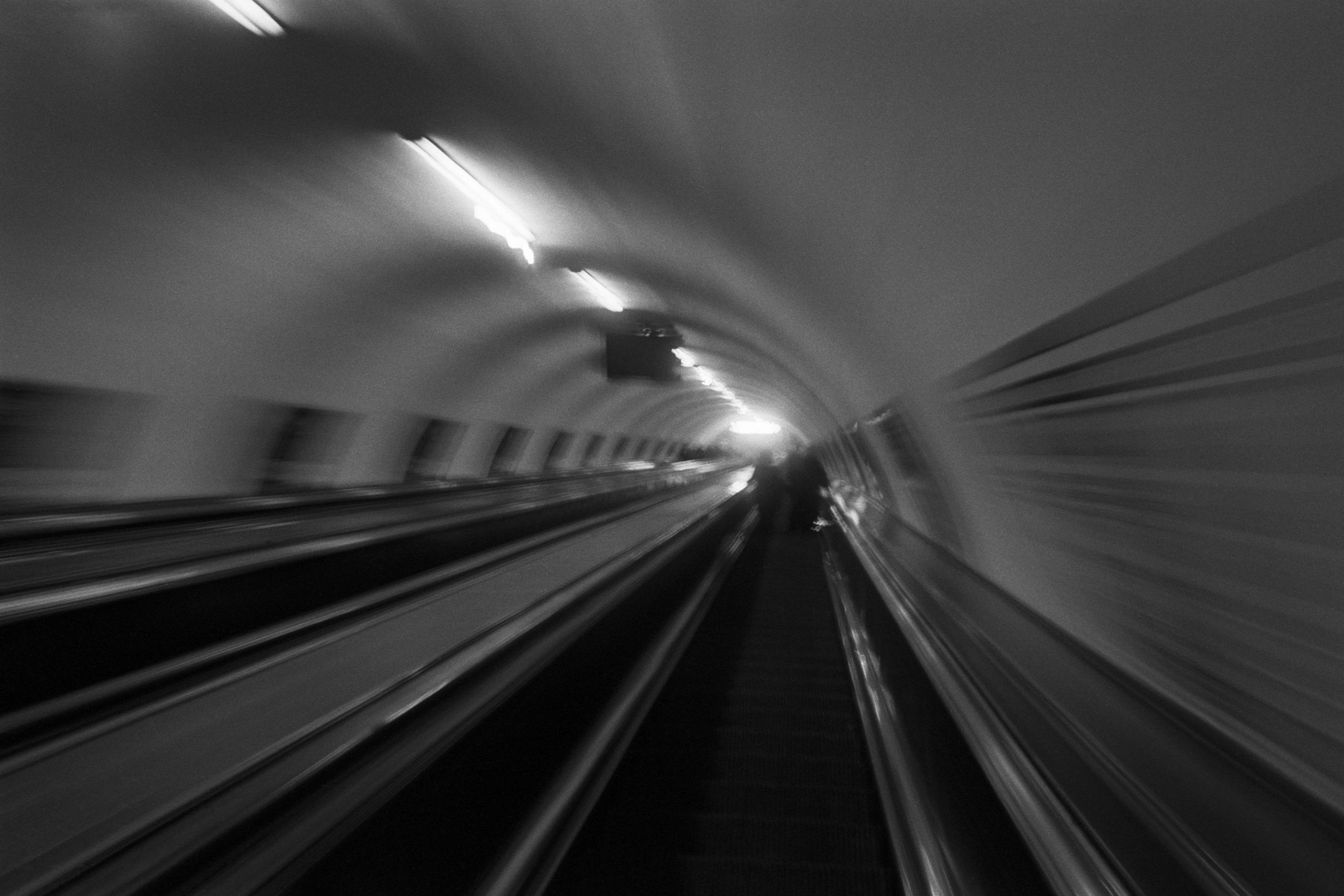
The Wall
2015Winner of the 1st prize & Golden Glass Award at the 11th Photographic Open Championship Olsztyn, and 1st place with the Special Prize of FORMAT magazine at the 3rd Biennial of Art in Piotrków Trybunalski.
View Series →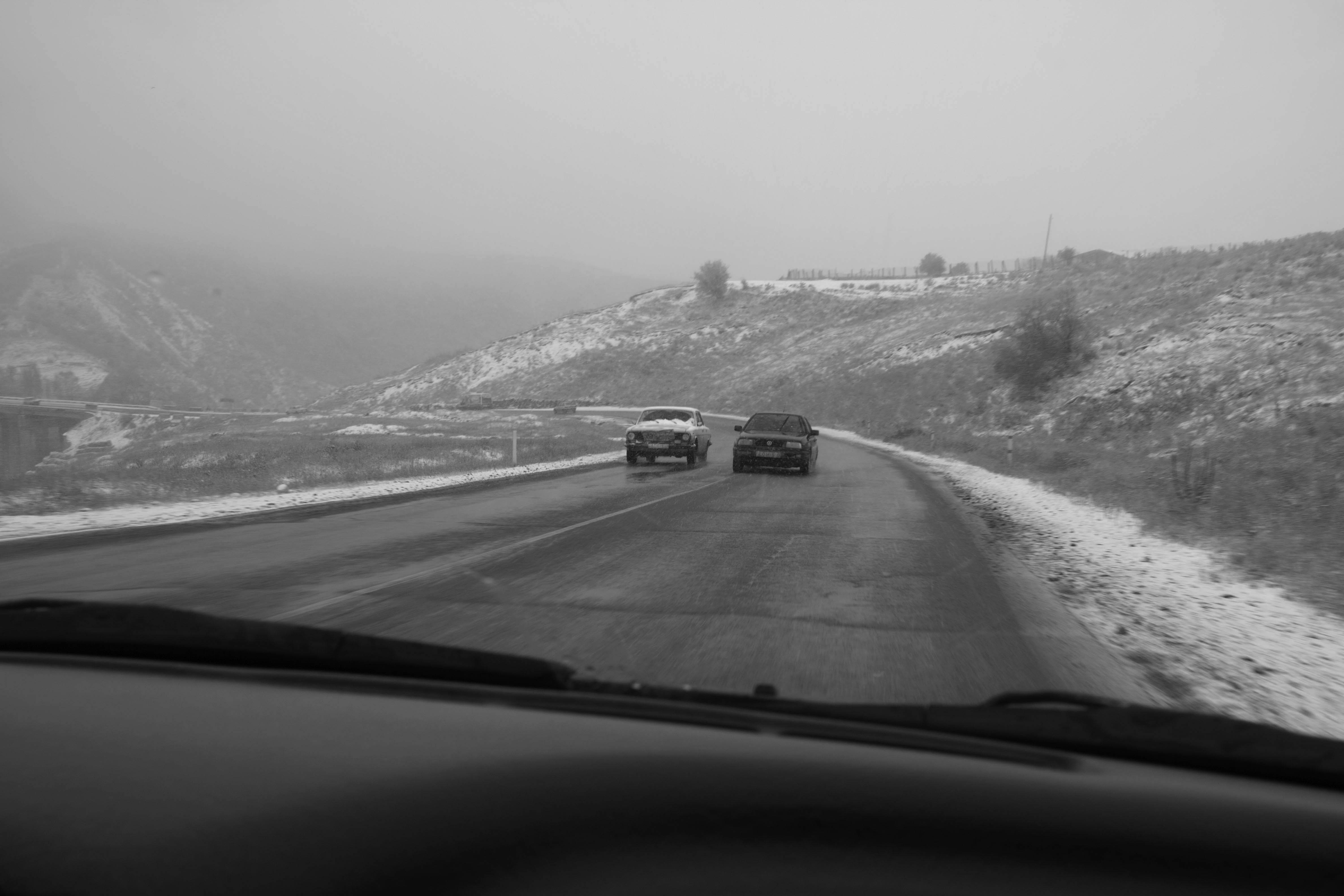
An Engagement Ring
2011A narrative series set in Wrocław in August 2011. Awarded 2nd prize & Silver Glass at the 10th Photographic Open Championship Olsztyn in 2014.
View Series →
Heat Wave
2014A documentary series recording spontaneous events across August and September 2014, capturing the raw energy of a city under the grip of summer.
View Series →