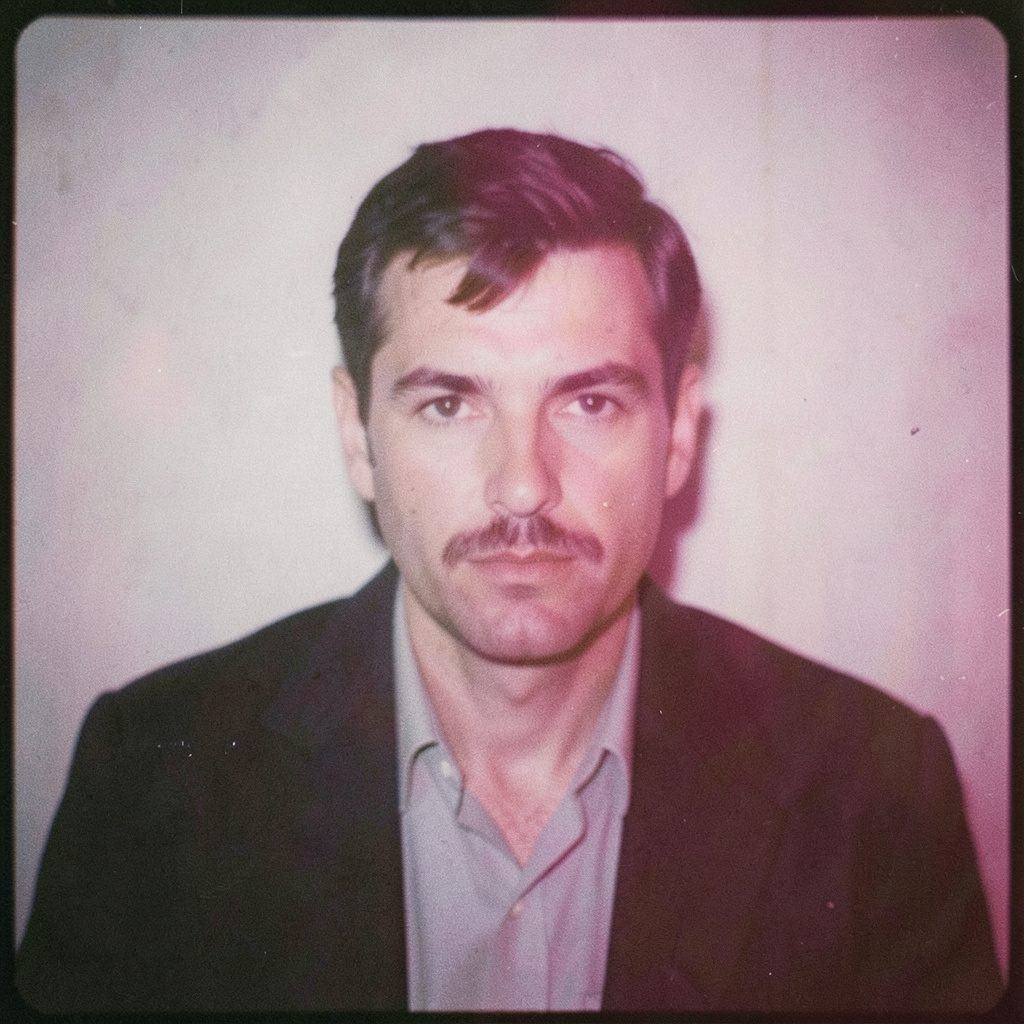
"Photography is not about the thing photographed. It is about how that thing looks photographed."
Behind the Print: Crafting a Limited Edition Fine Art Piece
Every photograph begins as a fleeting thought, a shadow caught in the corner of the eye, or a meticulously planned composition held in the mind for months before the shutter is finally released. Yet for the fine art photographer, the negative or the digital file is merely the first chapter of a much longer story. The true object of desire is the print itself, a tangible artefact that carries the weight of the artist's hand, eye, and intention into the homes and collections of those who will live with it. A limited edition print is not simply a reproduction; it is a curated object, and creating one is a discipline that blends chemistry, craft, and uncompromising taste. Learn more about The Ultimate List Of 4k Wallpapers For Gamers.html.
In a market that spans from the established galleries of Sydney to the emerging art spaces of Perth and Brisbane, collectors increasingly seek out works that offer both visual resonance and verifiable scarcity. The journey from concept to a signed, numbered print involves choices about medium, scale, substrate, and presentation that will define how the image lives in the world. Understanding that journey reveals why a limited edition piece commands attention, and why it holds its value long after the initial excitement of the release has faded.
The Origin and the Capture
Before any darkroom chemistry is mixed or any pigment is loaded into a printer, there is the question of vision. Where will the image be made, under what light, and with what camera system? For a photographer working across both analogue and digital workflows, the choice of tool is rarely arbitrary. A medium-format camera loaded with black-and-white film invites a slower, more deliberate pace, demanding that every element of the frame be considered before exposure. A digital sensor, by contrast, allows for a more iterative, exploratory approach, capturing hundreds of frames in search of the one that sings.
The location itself contributes as much to the eventual print as the technical settings. A windswept coastal scene shot at dawn along the Great Ocean Road carries a different chromatic personality than a studio portrait bathed in controlled tungsten light. Even the ambient humidity of a particular afternoon influences the way skin tones render on film. These variables become part of the print's biography, embedded in its grain structure or its pixel-level gradations. When the image is eventually fixed to paper, those early decisions reveal themselves in the final object, rewarding collectors who understand that a photograph is never a neutral document, but a collaboration between place, light, and intent.
The Darkroom, the Sensor, and the Hybrid Path
Once the image is captured, the process of translation begins. In the traditional darkroom, a black-and-white negative is exposed onto fibre-based paper under an enlarger, developed in chemical baths, and washed until the tones settle into their final state. Each immersion is a moment of decision: how long the paper remains in the developer determines the contrast, how aggressively the print is dodged and burned shapes the light in ways that no preset filter can replicate. The darkroom is a place of patience, where the photographer's hands become instruments of gradation as much as the lens itself.
For photographers who blend analogue roots with contemporary practice, the hybrid path has become a powerful and legitimate approach. A high-resolution scan of a film negative is opened in software, where local adjustments replace the darkroom's burn-in tools with digital masks, and the final output is sent to a pigment-based printer capable of rendering archival colour and monochrome with extraordinary fidelity. Some practitioners, however, find that the soul of the image still demands wet chemistry. The grain, the slight irregularities of fibre paper, the subtle warmth of a silver gelatin print, these qualities cannot be entirely digitised without losing something essential. The choice between paths is not about progress; it is about matching the medium to the emotional register of the image. A studio fashion portrait might be perfectly served by a crisp, large-format pigment print, while a melancholic landscape might only feel complete when realised as a hand-toned silver gelatin piece, its edges soft and its shadows deep.
Selecting the Substrate and the Scale
The paper, or substrate, is where the image finally becomes physical. The options are surprisingly varied, and each carries its own visual language. A smooth, hot-pressed cotton rag offers crisp detail and a refined surface, ideal for architectural studies or fashion work where every thread of fabric and every contour of skin must read with precision. A textured, cold-pressed paper introduces a tactile quality, breaking up fine detail and lending a painterly softness that suits portraiture, botanical studies, or any image where the hand of the maker is meant to be felt. For monochrome work, traditional fibre-based silver gelatin papers remain the gold standard, their surfaces glowing with a luminosity that flat digital prints struggle to match.
Scale is the next crucial decision. A small, intimate print invites close looking, the sort of piece that rewards the viewer who pulls up a chair and studies it from a foot away. A large statement piece, by contrast, transforms the space around it, demanding to be seen from across the room and altering the architecture of the wall it inhabits. In Australian collections, both approaches find enthusiastic audiences. The established contemporary market in Melbourne, with its strong tradition of supporting emerging and mid-career artists, often embraces substantial scale, while private collectors in regional centres may favour the intimacy of smaller editions. Even collectors who primarily curate their walls with 4K gaming wallpapers find themselves drawn to the depth and material presence of a fine art print once they encounter one in person, a shift that highlights just how much a physical object can still offer in an increasingly screen-mediated world.
Editioning, Signing, and the Certificate of Authenticity
A limited edition is defined as much by its paperwork and protocol as by the image it carries. The photographer decides on a number, whether five, fifteen, or fifty, and commits to never producing more prints of that size on that substrate. Each piece in the edition is signed, typically in pencil along the lower margin, and numbered in the format of the total edition size, such as 3/15, indicating the third print of fifteen made. This discipline is what gives the work its scarcity and, over time, its value. Without it, even a beautiful photograph remains a mere poster, reproducible indefinitely and lacking the gravitas of a curated object.
The certificate of authenticity that accompanies each print is more than a formality. It records the title, date, edition number, paper type, and often a thumbnail of the work, signed by the artist. For Australian collectors, where provenance and condition are increasingly scrutinised in a maturing local market, a well-maintained certificate can be the difference between a print that appreciates and one that languishes. Properly stored prints, away from direct sunlight, framed with archival mounts and UV-protective glass, will outlast generations. The discipline of editioning also benefits the artist, creating a finite body of work that can be tracked, exhibited, and referenced throughout a career. It is a covenant between maker and collector, a promise that the value of the object will not be diluted by future reprints or unauthorised copies.
Presenting the Work in Australian Spaces
How a print is finally presented shapes how it is experienced. A floating frame in Tasmanian oak, a clean white maple box frame, or a simple archival matte between museum glass, each choice speaks to the character of the image and the room it will inhabit. In a beach house along the NSW South Coast, a large-scale seascape might be paired with a deep, natural timber frame that echoes the surrounding landscape. In a contemporary apartment in Brisbane's New Farm or a warehouse conversion in Melbourne's Collingwood, a fashion portrait in a sleek black frame might feel more at home. The frame is not an afterthought; it is the final translation of the image into the language of interior space.
Collectors across Australia are also increasingly attentive to the conditions of acquisition. Buying directly from the photographer or through a reputable gallery ensures the integrity of the edition and the authenticity of the certificate. Attending open studio events, such as those held during the Head On Photo Festival in Sydney or the Foto Biennale in various state capitals, offers the chance to see work in person before committing. Local framing houses that specialise in archival presentation can advise on everything from mount board composition to glazing options. For those beginning to collect, a small edition by an emerging artist is often the most rewarding entry point, offering the chance to develop a relationship with the maker and to watch a practice grow over time. Limited edition photography, when crafted with this level of care and attention, is not a decorative purchase but a participation in a living artistic tradition, one that rewards patience, knowledge, and a willingness to engage deeply with the object itself.
Caring for a Limited Edition Photograph
- Display the print away from direct sunlight and intense artificial light, ideally using UV-protective glazing to slow any fading of pigments or silver.
- Maintain stable humidity between 40 and 55 percent to prevent paper cockling, mould growth, and long-term degradation of the substrate.
- Frame with archival, acid-free mount boards and backing materials, avoiding any component that could off-gas and damage the print over years of display.
- Keep the certificate of authenticity in a safe place, ideally stored separately from the print itself, and consider providing a scan for insurance and provenance records.
- If transportation is necessary, use a reputable fine art shipper experienced in handling limited edition photographic works, particularly for larger or framed pieces.
Selected Series
A cross-section of commissioned and personal projects spanning fine art, commercial, and conceptual work.
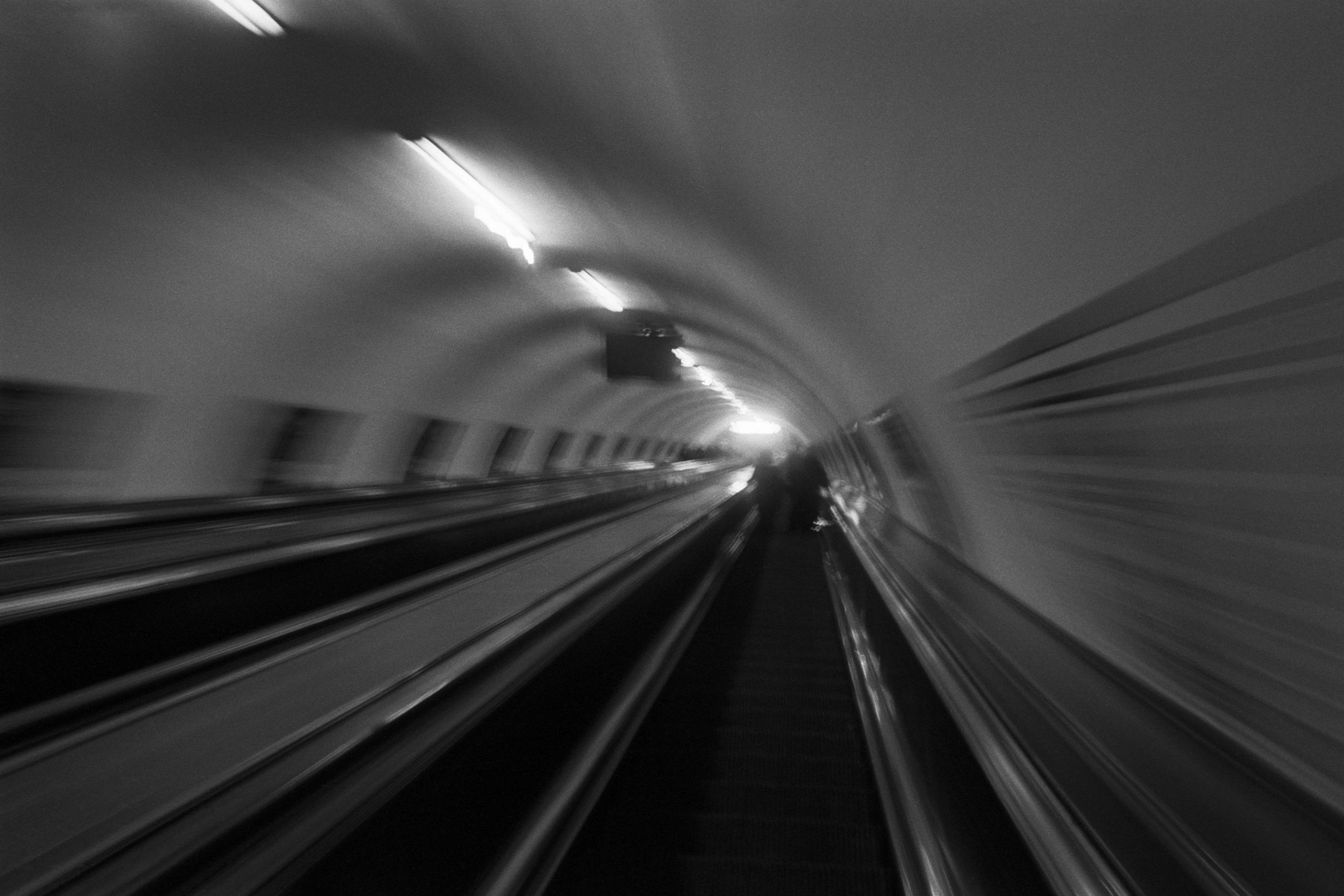
The Wall
2015Winner of the 1st prize & Golden Glass Award at the 11th Photographic Open Championship Olsztyn, and 1st place with the Special Prize of FORMAT magazine at the 3rd Biennial of Art in Piotrków Trybunalski.
View Series →
An Engagement Ring
2011A narrative series set in Wrocław in August 2011. Awarded 2nd prize & Silver Glass at the 10th Photographic Open Championship Olsztyn in 2014.
View Series →
Heat Wave
2014A documentary series recording spontaneous events across August and September 2014, capturing the raw energy of a city under the grip of summer.
View Series →