"Photography is not about the thing photographed. It is about how that thing looks photographed."
Behind the Scene: A Conceptual Series from Scratch
A conceptual photographic series rarely begins with a camera in hand. It starts with an unresolved idea, a visual tension, or an image that keeps returning long after the original inspiration has faded. The finished photographs may appear effortless, yet the process behind them usually involves research, testing, failed experiments, location decisions, careful lighting and a substantial amount of editing.
For Rafal Michalak, creating a series means bringing together fine art practice and practical photographic discipline. Medium-format film, black-and-white imagery, darkroom principles and digital workflows can each shape the character of a project. The tools are important, but the central task is to make every frame belong to the same visual and emotional world.
Producing a conceptual series from scratch also requires an understanding of place and audience. A project photographed in Wrocław will carry different textures from one made in Melbourne, Sydney or Brisbane. Australian light, architecture, distances and working conditions can all influence the concept, particularly when the work moves between personal expression and commissioned photography.
Finding the central idea
The first stage is to define what the series is really about. This does not have to be a complete narrative. It may be a feeling, a contradiction, a repeated shape or a question about identity. “Isolation in busy places”, for example, gives a photographer a stronger direction than a broad intention such as “make atmospheric photographs”.
Research helps turn that first thought into a visual language. Rafal may look at painting, cinema, architecture, archival images, fashion, theatre and earlier photographic movements. The purpose is not to imitate a reference, but to identify useful qualities: compressed space, hard shadows, unusual poses, muted tones or the relationship between a human figure and an empty setting.
A moodboard can contain materials as well as images. Scratched metal, translucent fabric, concrete, old paper, reflections and artificial light may reveal a coherent visual direction. Written notes are equally useful because they explain why certain references matter. This record becomes a filter when practical decisions later threaten to pull the project away from its original purpose.
Building a visual system
A strong series needs recurring rules. These rules might involve a fixed aspect ratio, a limited palette, a particular camera position or a consistent distance from the subject. They are not restrictions for their own sake. They give separate photographs enough visual kinship to feel like parts of a single body of work.
Medium-format film can create a measured, deliberate pace. Each exposure encourages attention to composition, gesture and light before the shutter is released. Black-and-white film removes colour as a distraction and places emphasis on texture, tonal separation and the expressive quality of a face or body. Digital capture, meanwhile, can make rapid testing easier when the concept depends on movement or changing conditions.
The choice of process should serve the idea. A series about memory may benefit from grain, chemical irregularities and darkroom printing. A project about corporate performance might use cleaner digital files before introducing selected analogue treatments. Combining film and digital techniques can be effective when the relationship between the methods is intentional rather than merely decorative.
Testing before the main shoot
The first shoot is often a laboratory rather than a final production. Small tests reveal whether a location has the right atmosphere, whether a wardrobe reflects the intended character and whether the lighting creates the required emotional pressure. A photographer can use a single roll of film, a digital camera or even a phone to test framing before committing to a larger setup.
At this stage, imperfections are useful evidence. A background may look dramatic in person but become visually dominant in a photograph. A pose that feels natural may appear theatrical. A carefully planned shadow may disappear when the subject moves a few centimetres. Reviewing contact sheets and test files makes these problems visible while there is still time to respond.
Australian conditions make testing especially valuable. Harsh summer sunlight in Perth or Adelaide can produce contrast far beyond what a moodboard suggests, while overcast weather in Melbourne may provide a softer and more restrained atmosphere. If the project is planned outdoors, the photographer must also consider heat, wind, sudden rain and the long travel distances between locations.
Working with people and place
Conceptual photography still depends on human collaboration when a subject, stylist, makeup artist or assistant is involved. The photographer needs to explain the idea without dictating every movement. A clear visual reference, a short description of the intended mood and a calm working rhythm usually produce better results than constant technical instructions.
Trust becomes particularly important when the series involves vulnerability, altered identity or physically demanding poses. Everyone should understand the boundaries of the shoot, how images may be used and whether the final work is intended for exhibition, editorial publication, a portfolio or commercial promotion. Written agreements help protect both the photographer and the people appearing in the images.
Location research includes more than finding an attractive background. It involves checking access, noise, privacy, available power, weather exposure and permission requirements. In Sydney and Melbourne, commercial photography in some public spaces may require permits or approval from councils, transport authorities or site owners. Australian privacy and surveillance laws also vary by state, so photographing people in sensitive settings requires care even when the location is technically public.
Cultural awareness matters when a concept uses Indigenous symbols, Country or places of cultural significance. A location should not be treated as a generic visual resource if it carries living cultural meaning. Proper consultation and permission may be needed, particularly for commercial work or projects intended for public display.
Shaping light and atmosphere
Light is one of the main narrative tools in a conceptual series. A single hard source can create a confrontational, sculptural feeling, while a large soft source can make the same subject appear open and contemplative. Reflections, haze, practical lamps and controlled darkness can all contribute to continuity across different scenes.
Rafal’s approach can move between studio control and the unpredictability of available light. Analogue methods reward patience because exposure decisions, film latitude and development choices influence the final mood. Digital tools offer a wider opportunity to monitor results, adjust contrast and test variations, yet the underlying questions remain the same: what should the viewer notice first, and what should remain uncertain?
The Australian environment offers distinctive possibilities. The low winter sun around Hobart, bright coastal reflections near Sydney and strong afternoon shadows in Brisbane can become part of the visual structure rather than background conditions. Even an ordinary office, warehouse or suburban street can gain a particular mood when the time of day is selected carefully.
Editing, sequencing and darkroom decisions
A conceptual series is discovered again during the edit. Hundreds of frames may be reduced to a small group, not because the other photographs are technically weak, but because they repeat information or interrupt the visual rhythm. A useful edit considers gesture, negative space, tonal balance and the emotional movement from one image to the next.
Contact sheets are valuable for film-based work because they show the entire project at once. Patterns become visible: too many close-ups, a missing transitional image or a section that suddenly changes in contrast. Digital photographs can be reviewed in a similar way through small previews, printed proofs or a simple wall layout. Seeing images away from the screen often reveals relationships that software hides.
The darkroom introduces another level of interpretation. Development, paper choice, exposure time, cropping and burning can change the meaning of an image without changing the original negative. Digital post-production can follow the same principle. Retouching should support the series’ visual argument rather than remove every sign of material history. Grain, edge softness and small tonal inconsistencies can give a body of work a distinctive human presence.
Presenting the finished work
The final presentation determines how the audience encounters the series. A gallery installation may depend on generous spacing, print scale and the direction in which viewers move through the room. An online portfolio needs a different strategy: the opening image must establish the atmosphere immediately, while the sequence should remain legible on a range of screens and connection speeds.
For an Australian audience, presentation may also involve practical decisions about printing and shipping. Large fine art prints can be expensive to transport between Wrocław and cities such as Melbourne, Sydney or Canberra. Archival paper, framing, insurance and GST treatment may all affect a commercial quote or exhibition budget. Clear communication about edition numbers, print sizes, delivery times and usage rights is part of professional photographic practice.
A conceptual project can also lead to commissioned work. A business portrait campaign may borrow the series’ controlled shadows, a fashion editorial may use its unusual proportions, or an event commission may adopt its approach to gesture and atmosphere. The key is to preserve the original visual intelligence while adapting it to a real brief.
From personal experiment to lasting body of work
The most valuable outcome is not always a single perfect image. A conceptual series can develop a photographer’s way of seeing, reveal a new relationship with materials and create a foundation for later projects. It may begin as an experiment with black-and-white film and eventually influence portraiture, fashion, events or commercial storytelling.
For Rafal Michalak, the completed work sits between planning and discovery. Research creates direction, testing exposes weaknesses, collaboration adds human depth and the final edit gives the images a shared voice. Traditional analogue processes and contemporary digital tools become parts of the same creative conversation.
That conversation is what allows a series to feel deliberate without becoming predictable. When every decision supports the concept, the photographs communicate more than their individual subjects. They create an atmosphere, invite interpretation and remain coherent long after the production itself has ended.
Selected Series
A cross-section of commissioned and personal projects spanning fine art, commercial, and conceptual work.
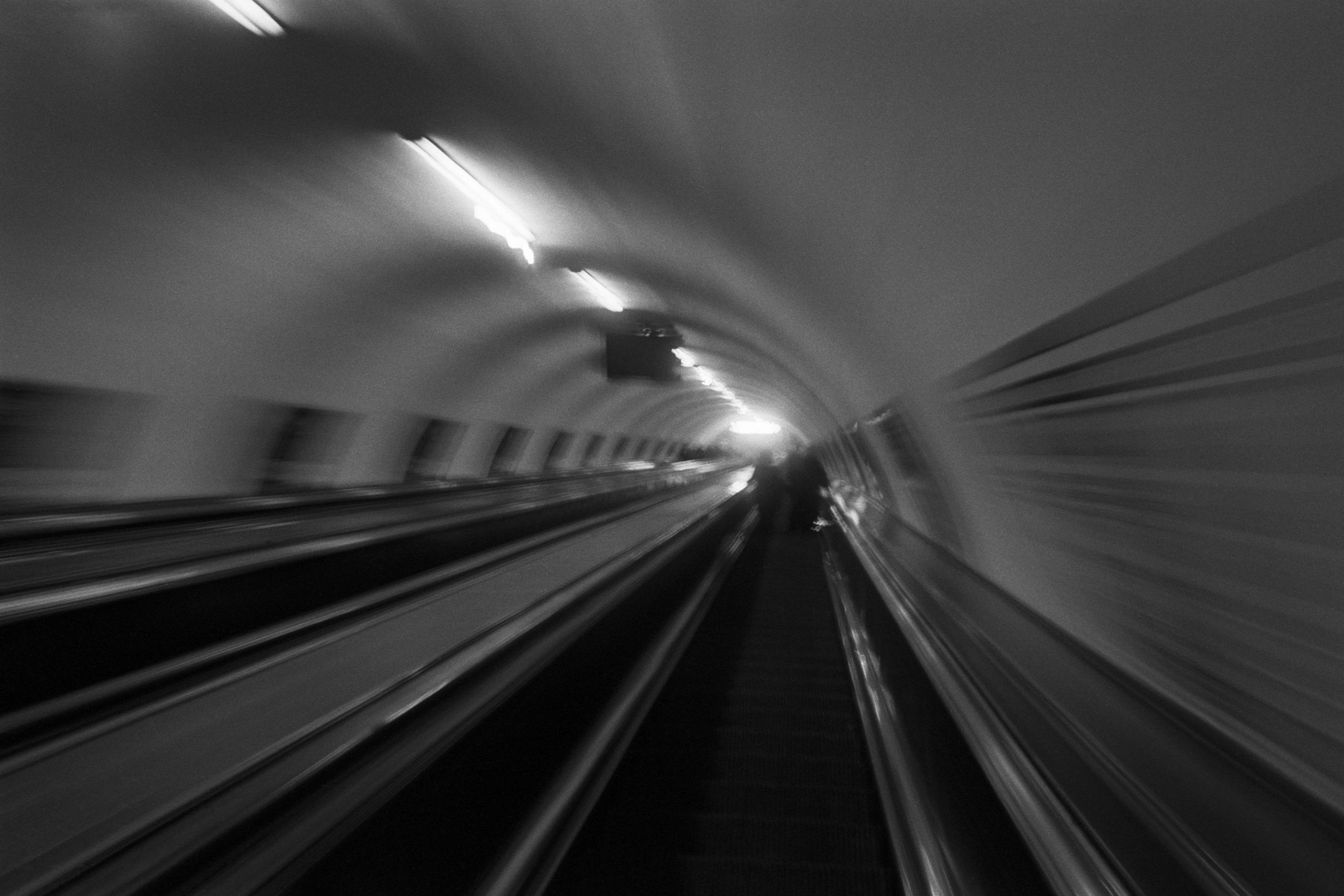
The Wall
2015Winner of the 1st prize & Golden Glass Award at the 11th Photographic Open Championship Olsztyn, and 1st place with the Special Prize of FORMAT magazine at the 3rd Biennial of Art in Piotrków Trybunalski.
View Series →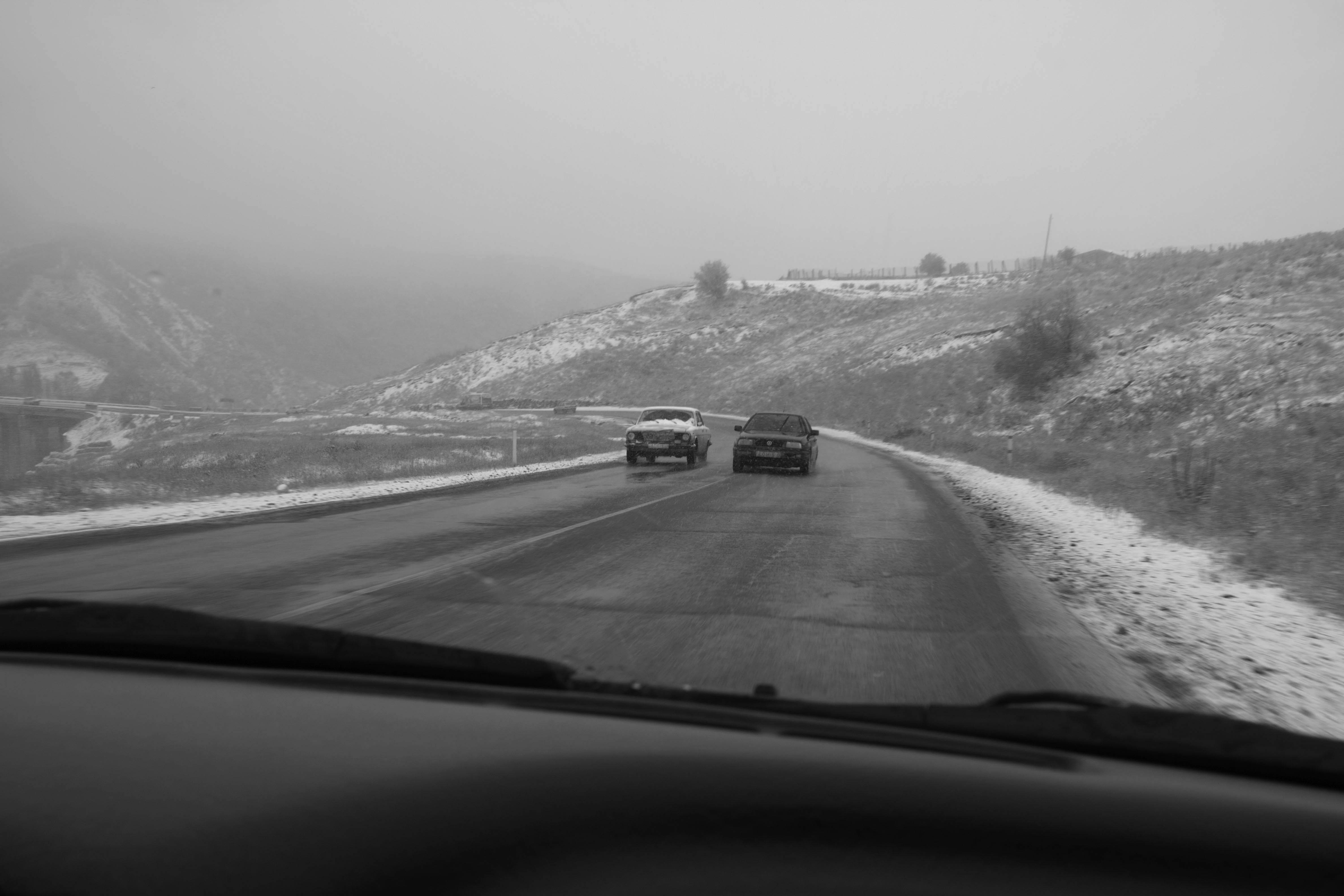
An Engagement Ring
2011A narrative series set in Wrocław in August 2011. Awarded 2nd prize & Silver Glass at the 10th Photographic Open Championship Olsztyn in 2014.
View Series →
Heat Wave
2014A documentary series recording spontaneous events across August and September 2014, capturing the raw energy of a city under the grip of summer.
View Series →