"Photography is not about the thing photographed. It is about how that thing looks photographed."
Behind the scenes: styling a fashion shoot on a tight budget
Behind the scenes, a tightly budgeted fashion shoot is less about finding a bargain and more about deciding which details the images require. A limited wardrobe, a compact crew and a well-used location can look intentional when every prop, fitting and minute has a job. Styling starts before the clothes reach the rack: with a clear visual idea, a realistic cost sheet and a plan for changes on set.
This kind of planning supports a practice such as Rafal Michalak’s, which combines traditional analogue methods with digital workflows. The look may come from medium-format film, black-and-white, available light or a blend of techniques, but production still has to protect attention and budget. Australian projects often involve Sydney or Melbourne studios, local freelance crews and secondhand sourcing, so planning in local currency and around local rates is part of the creative process, not a footnote.
Define the look before spending the budget
Begin with a one-page visual brief covering the intended audience, mood, setting, garment hierarchy and final formats. Identify three hero looks that must read clearly, then define secondary options that can be simplified if the light or schedule changes. A useful mood board shows silhouette, texture and colour rather than a collection of unrelated references. It gives the photographer, stylist and client a shared visual test for every proposed accessory and styling change.
Decide which expenses can influence the image most directly. Hero garments, footwear, hair and make-up, and the location’s visual character usually deserve more money than props or an oversized crew. Build the figures in Australian dollars and ask whether each quote includes GST, which is generally 10 per cent when it applies. Keep a contingency of roughly ten per cent for repairs, replacement pieces, weather delays or overtime instead of allowing every possible extra to consume the styling budget.
Translate the brief into a shot list before choosing samples or finalising the wardrobe. For each look, specify the full-length frame, three-quarter view, detail, movement and any group arrangement that must be captured. Set a ceiling on the number of combinations, mark the images that cannot be compromised and sequence them around the available light. This prevents a creatively promising garment from taking twice the time it contributes to the final story.
Source the wardrobe without buying everything new
Begin with personal wardrobe pieces that already fit the model and suit the brief. Borrowed clothes, sample-sale stock and pieces altered to fit can fill gaps without committing the project to a full retail purchase. Australian options include charity and vintage stores such as Oxfam and the Salvation Army, Paddy’s Markets in Sydney, and Melbourne’s dense secondhand network around Fitzroy, Collingwood and Chapel Street. Local sample sales can also provide distinctive runway pieces, though stock is often final sale.
Condition matters more than a prominent label. Check every garment for stains, stretched seams, missing buttons, odours and incompatible fabrics under camera light. Arrange cleaning, steaming or minor repairs early, then confirm the fit with the person who will wear it. Shoes need enough time to soften, and jewellery should be tested for marks or snagging. A practical spreadsheet can track the item, source, cost, size, condition, agreed use and return date, keeping the wardrobe team aligned without buying a pile of nearly identical clothes.
Build fewer looks with stronger relationships between them. Repeat a successful silhouette in a different colour, then change one element such as a jacket or hem rather than rebuilding the entire appearance. Keep accessories purposeful and let the location supply some of the texture. Prepare a small emergency kit with safety pins, clips, tape, stain remover, lint removal tools, shoe polish and spare basics. This kit solves ordinary problems that otherwise create delays, and it protects the budget far more effectively than a last-minute shopping trip.
Keep the crew, schedule and location under control
A small team should have clearly divided responsibilities. A photographer, stylist, hair-and-make-up artist and one wardrobe assistant or production assistant may be enough for a compact editorial or campaign shoot, while the stylist might handle both styling and dressing. Compare local day rates in Australian dollars and establish what each quote covers, including pre-production, travel, parking, kit, meal breaks, agency fees and GST. Agree the rate for a half-day, overtime and any reshoot in advance, rather than discovering the cost while changing on set.
Build the call sheet around the actual work. It should include the address, contact details, parking or loading instructions, weather, call and wrap times, each person’s role, the change order and the planned meal break. Australian production language can be relaxed without making the plan vague. Phrases such as “let’s grab the hero looks first this arvo,” “no worries” and “keep it chill” may sit comfortably beside exact timings. The informality should sit over a precise schedule, with one person responsible for calling each setup and recording any time change.
Select the location for what the camera will see, but price the whole visit. A small daylit studio in Sydney’s Surry Hills or a warehouse space in Melbourne’s Collingwood or Brunswick may offer enough character without the cost of a premium commercial set. Check power, available light, sound, loading access, public transport, parking, toilets, air-conditioning and somewhere secure to store cases. Council approval and owner permission requirements vary, so confirm both early and check that public-liability insurance covers the activity. A simple alternate plan should cover rain, excess heat or a loading delay.
Create depth with light, space and simple props
Treat the styling station as part of the set. Hang each look in shooting order, place accessories beside its outfit and keep a mirror, steamer, water, towels and sewing supplies within reach. Photograph or pin the intended combinations so they can be rebuilt quickly after a snack, a touch-up or a change of location. Assign someone to reset garments between looks, especially when a single jacket, boot or pair of earrings must return in another frame. Fast changes are possible when the rail, rail order and decision-making are already organised.
Budget hair and make-up around the storytelling, not around a long list of transformations. A single well-executed look can carry several frames, while a second look can be created with simple changes to hair, lipstick or eye detail. Use an artist who can work within the call time and discuss allergies, skin sensitivities and product changes before the shoot. All tools should be clean and disposable items used safely. If the concept depends on elaborate body paint, prosthetics or a large wig, approve that treatment and its cost before locking the wardrobe.
Let the set, framing and light create depth before adding decorative objects. One chair, a clear wall, a textured curtain or a carefully placed mirror may supply more visual structure than a table covered with unrelated props. Check the location at the planned shooting hour, because a patch of direct sun can flatten fabric or expose every seam. A photographer working in analogue and digital formats can test the key exposure, watch how highlights behave on the garments and retain a few frames for comparison. The goal is a coherent series that shows texture and movement, not a crowded collection of branded items.
A practical checklist for the shoot day
Before the crew arrives, turn the concept into documents and decisions that anyone can use. The brief should fit on one page, the budget should match the confirmed quotes, and the shot list should show what each setup is meant to achieve. The following measures keep a lean production from becoming an expensive collection of small problems.
- Lock the brief to three hero looks, a small set of secondary looks and a prioritised shot list.
- Record every cost in Australian dollars, confirm the GST treatment and reserve a ten per cent contingency.
- Mix personal wardrobe, borrowed pieces, samples and secondhand finds instead of buying a complete outfit set.
- Book the smallest competent crew, with rates, call times, travel, overtime and reshoot terms agreed in writing.
- Scout the location for light, power, weather access, changing space, parking, loading and emergency exits.
- Prepare a styling station with steaming equipment, clips, safety pins, lint removal, stain care and duplicate options.
- Issue a simple run sheet, confirm permissions and releases, and select the essential frames before wrap.
The remaining preparations are administrative but essential. Secure public-liability cover where required, use appropriate property and model releases, and note any allergies or accessibility needs on the call sheet. Agree how a delay will affect the running order, who can authorise extra spend and which images become the priority if the original plan fails. Secure meals and breaks also protect concentration; an unpaid break that stalls the afternoon can cost more than it saves.
The strongest budgeted images usually come from concentration rather than volume. A precise brief, clothes chosen for movement and light, and a team that knows what happens next allow the photographer to remain fully present behind the camera. That discipline gives a modest production a distinct visual voice without allowing logistics to overwhelm the work.
Selected Series
A cross-section of commissioned and personal projects spanning fine art, commercial, and conceptual work.
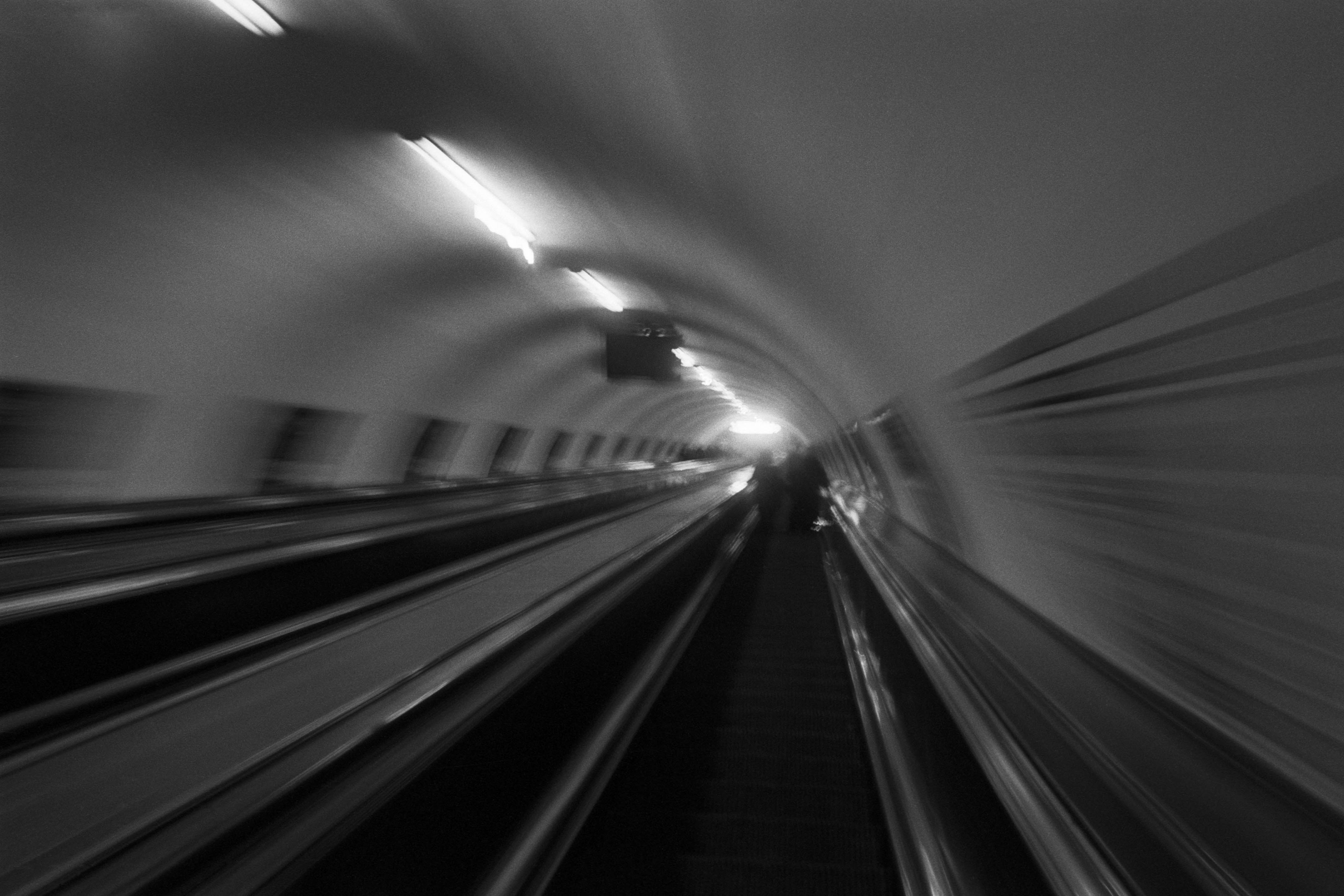
The Wall
2015Winner of the 1st prize & Golden Glass Award at the 11th Photographic Open Championship Olsztyn, and 1st place with the Special Prize of FORMAT magazine at the 3rd Biennial of Art in Piotrków Trybunalski.
View Series →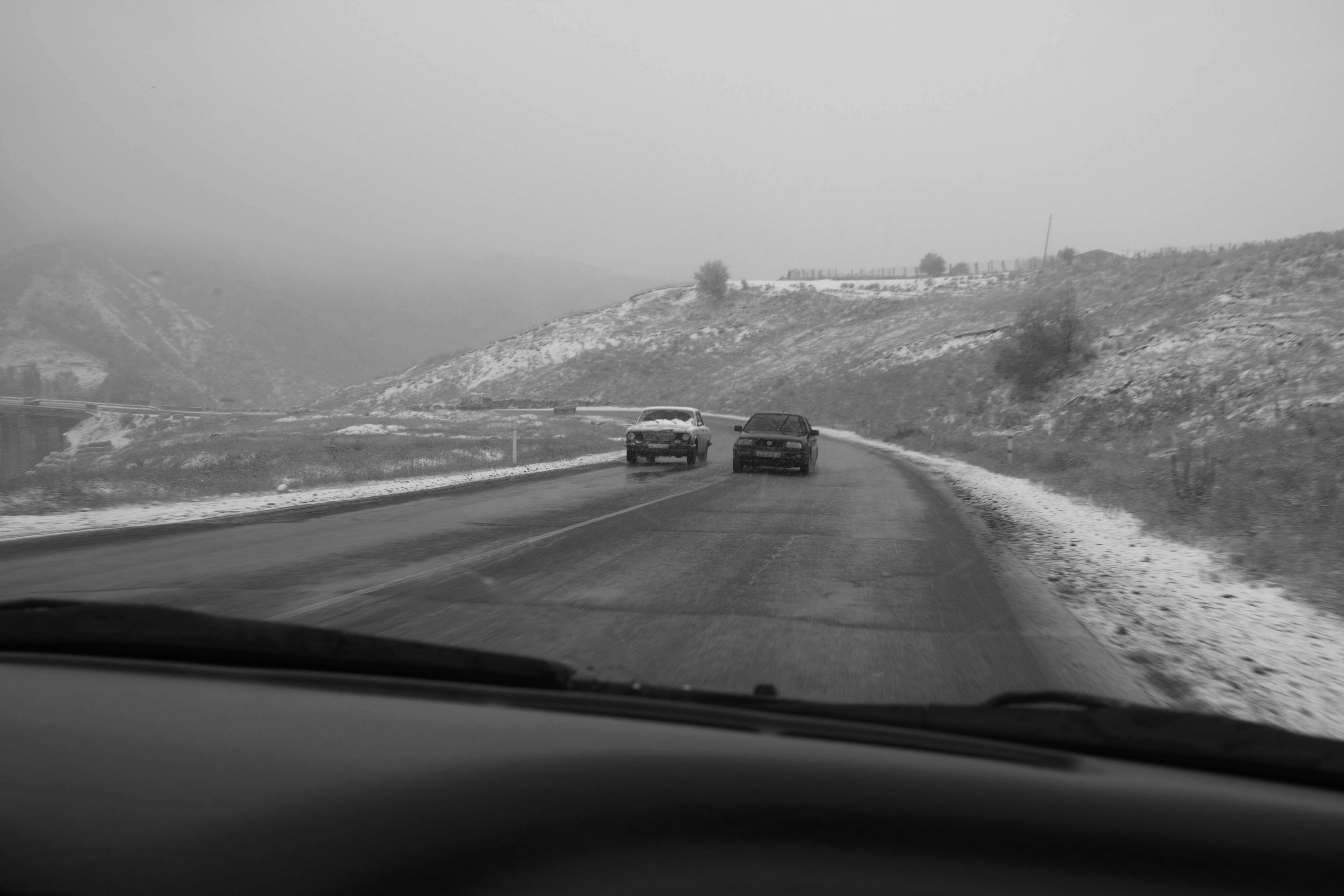
An Engagement Ring
2011A narrative series set in Wrocław in August 2011. Awarded 2nd prize & Silver Glass at the 10th Photographic Open Championship Olsztyn in 2014.
View Series →
Heat Wave
2014A documentary series recording spontaneous events across August and September 2014, capturing the raw energy of a city under the grip of summer.
View Series →