"Photography is not about the thing photographed. It is about how that thing looks photographed."
Building A Professional Photography Studio On A Budget
A professional studio does not begin with an expensive lease, a wall of premium equipment, or a room filled with every modifier available. It begins with a reliable way to control light, organise people and deliver consistent files. For many photographers, a carefully planned home studio or hired workspace can handle portraits, small products, fashion editorials and commercial commissions.
Budget-conscious studio building is especially practical in Australia, where rental prices vary sharply between suburbs and cities. A photographer in Melbourne may begin in a spare room in Brunswick, while someone in Sydney might share a daylight studio in Marrickville or Newtown. In Brisbane, Adelaide or Perth, a garage or converted workspace may offer more floor area for the same investment.
The aim is to spend on the elements clients notice: clean lighting, flattering direction, accurate colour, professional communication and dependable turnaround. A medium-format film camera, a digital body and a basic flash system can coexist when each tool has a clear purpose. Traditional darkroom thinking is useful here because it encourages deliberate exposure, careful preparation and economy.
Your first studio should support the work you already sell, while leaving room for it to develop. Business portraits require a different layout from full-length fashion work, and product photography has its own demands for surfaces, reflections and repeatable positioning. A modest space becomes powerful when every metre and every purchase has been considered.
Define The Work Before Buying Gear
Start by listing the assignments you want to accept during the next twelve months. A portrait photographer may need a neutral background, a small seating area and enough space for one or two lights. An event photographer might use the studio for headshots and pre-event portraits rather than needing a permanent set. A fashion photographer generally needs greater distance between subject and camera, plus room for clothing racks and movement.
Review past enquiries, personal projects and local demand. Australian businesses often commission staff portraits for websites, LinkedIn profiles, annual reports and media releases. Small agencies may need campaign images but have limited budgets, making a flexible studio more valuable than an elaborate set. If your target clients are cafés, designers and independent labels, a studio that can produce polished editorial images on a weekday afternoon may be enough.
Write a brief for the space: subject size, usual number of people, preferred formats, required turnaround and storage needs. This prevents the common mistake of buying a large backdrop system for work that is mostly three-quarter portraits. It also helps you decide whether a home studio, shared facility or hourly rental is the most sensible first step.
Find A Space That Works Hard
Measure the room before placing anything in it. A workable portrait studio needs enough distance between the camera and subject to avoid distorted perspective, while a full-length setup benefits from a ceiling that allows a light modifier to be raised comfortably. A narrow room can still succeed if you use longer focal lengths and keep the background close, but cramped circulation quickly becomes frustrating during commercial sessions.
Natural light is an asset, though it should not control every booking. A north-facing window in Australia can provide strong, consistent daylight, while western sun may become harsh during a summer arvo. Blackout curtains, white sheers and inexpensive roller blinds let you decide when daylight contributes to the image. In hot areas, ventilation and air conditioning matter for both people and equipment; film, batteries and adhesives should not be stored in a sun-baked room.
Consider access, parking and noise. A converted garage may be practical for equipment load-in, but clients may feel less comfortable if the path to the studio is cluttered or poorly lit. Check your lease, strata rules and council requirements before receiving commercial visitors at home. Public liability insurance, safe cable management and clear evacuation access are basic business responsibilities, not optional finishing touches.
Shape Light With A Small Kit
You can produce a wide range of portraits with one dependable light, one large modifier and a reflector. A used monolight or speedlight system may be enough to begin, provided it has reliable triggering and consistent output. A large softbox gives flattering light for business portraits, while a white or silver reflector opens shadows without requiring a second lamp.
Add a second light only when the work justifies it. It may serve as a hair light, background light or edge light for fashion and conceptual series. Before buying, learn what changes when the source moves closer, farther away, higher or lower. The apparent size of the light determines softness more than the price of the fixture, and a budget modifier positioned carefully can outperform an expensive one used without intention.
Use flags and negative fill as seriously as lights. A sheet of black foam board can deepen one side of a face, control spill and create shape in a small room. White polystyrene boards, shower curtains, blackout fabric and hardware-store clamps can perform useful studio tasks. The goal is controlled contrast, not a collection of branded accessories.
Prioritise A Lean Starter Kit
A short equipment list keeps cash available for insurance, software, repairs and marketing. Used gear can be excellent value, especially from reputable Australian dealers or photographers moving between systems. Inspect flash tubes, battery condition, tripod locks and modifier mounts before purchasing, and allow a small reserve for replacement cables and adapters.
The camera should suit the job rather than define the studio. A modern full-frame digital body is practical for fast delivery, while medium-format film can provide a distinct visual character for personal commissions and carefully paced editorial work. A reliable tripod, calibrated monitor and tethering cable may improve the final result more than a newer camera body.
- One dependable camera body and suitable portrait lens
- One controllable light with a large softbox
- Reflectors, flags, clamps and sandbags
- Background support, neutral paper or fabric rolls
Keep critical items duplicated where failure would damage a paid session. A spare sync cable, extra batteries, memory cards and a simple continuous lamp can prevent a minor fault from becoming an expensive reschedule. Store everything in labelled cases so setup time remains short and assistants can find equipment without guesswork.
Build A Background And Styling System
A neutral background is a strong first choice because it serves corporate portraits, actors, artists and small product campaigns. White, warm grey and charcoal offer different moods without requiring a permanent painted set. Paper rolls create clean edges but need careful handling; fabric is portable and forgiving, though it must be steamed and weighted to avoid visible creases.
Styling can be assembled gradually. A wooden stool, simple chair, clothing rack, mirror and rolling table provide practical options for portrait and fashion sessions. Rather than filling the room with props, select items that support the client’s identity. A law firm may need restrained, confident images, while a Melbourne designer could prefer texture, movement and a more expressive environment.
A visual reference library helps keep decisions consistent. Look at the restrained composition and material awareness found in Rafal Michalak Photography when considering how portraiture, analogue methods and commercial clarity can coexist. For projects needing a more literary or handmade mood, the visual language of The Paintbox Letters can also prompt ideas for colour, paper, gesture and narrative detail.
Establish A Repeatable Shooting Workflow
A professional studio feels organised before the camera is switched on. Prepare a call sheet with arrival time, contact details, wardrobe notes, image requirements and usage expectations. Send clients a concise preparation guide covering clothing, grooming, makeup, parking and how long the session will take. Clear information reduces delays and helps subjects arrive with appropriate expectations.
Create taped floor marks for the camera position, main light and subject. Record settings for frequently used setups, including light height, modifier distance, power and lens choice. These notes are valuable when a company needs new employees photographed several weeks later. Consistency is a commercial advantage because clients often want images that belong to the same visual system.
Tethered shooting can make collaboration faster, especially for branding and fashion work. Use a calibrated display where possible, and keep a grey card or colour reference nearby when accurate skin tones or product colours matter. Back up files during the session and again after returning them to your main storage. A three-copy approach, including one off-site copy, is sensible for valuable commissions.
Film requires an even more deliberate process. Meter carefully, label exposed rolls immediately and maintain a simple log of stock, exposure and processing requirements. If you use a darkroom, separate wet and dry areas, secure chemicals and provide adequate ventilation. Otherwise, build relationships with a trusted lab in your city and include processing and scanning time in the delivery schedule.
Spend And Price With A Business View
A studio budget should include costs that are easy to overlook: GST registration or accounting advice where relevant, insurance, electricity, storage, repairs, delivery, software subscriptions and consumables. Australian commercial clients may ask for an ABN, formal invoice and usage terms. Establish these systems early so a low-cost shoot does not become an unprofitable one.
Track each purchase according to the problem it solves. If clients regularly need full-length images, save for floor space and a longer background rather than another portrait lens. If you shoot products, accurate colour and tabletop control may take priority over high-powered lights. A spreadsheet showing booking income, equipment depreciation and recurring expenses gives you a clearer picture than enthusiasm alone.
Charge for preparation, shooting, retouching, licensing and expenses. A half-day portrait booking may involve several hours of communication and post-production, while a small product job can require extensive setup and colour correction. Quote in plain language, state the number of final images and define revision limits. Australian clients generally appreciate a direct, friendly approach: clear pricing feels more professional than an unexplained bargain.
- Track equipment, insurance and studio costs monthly
- Separate creative fees from usage and licensing
- Keep a repair and replacement reserve
- Review rates as demand and turnaround change
Begin with a space that pays for itself through real bookings or clearly defined personal development. A shared studio can offer better facilities while reducing rent, and hourly hire is often sensible for occasional fashion editorials or large team portraits. As demand becomes predictable, reinvest in the specific capability clients repeatedly request rather than expanding for appearance.
Make The Studio Part Of Your Brand
The room should reflect the quality and temperament of your photography. Clean storage, considered backgrounds and calm direction communicate more than a wall of equipment. Your website and portfolio should show finished work across the services you actually provide, with enough context to explain whether images were made in a home studio, hired location or larger production space.
Use personal projects to test new lighting and develop a recognisable point of view. Black-and-white portraits, conceptual still lifes and analogue experiments can strengthen your visual identity without requiring a costly production. They also give potential clients a clearer sense of your judgement, which is often more persuasive than a long equipment list.
Keep the studio adaptable as your market changes. A room that begins with business portraits may later support headshots for technology firms, small fashion lookbooks, artist documentation or campaign stills. By designing a reliable workflow, purchasing carefully and treating every commission as a business, you can create a professional photography studio on a budget that feels deliberate rather than temporary.
Selected Series
A cross-section of commissioned and personal projects spanning fine art, commercial, and conceptual work.
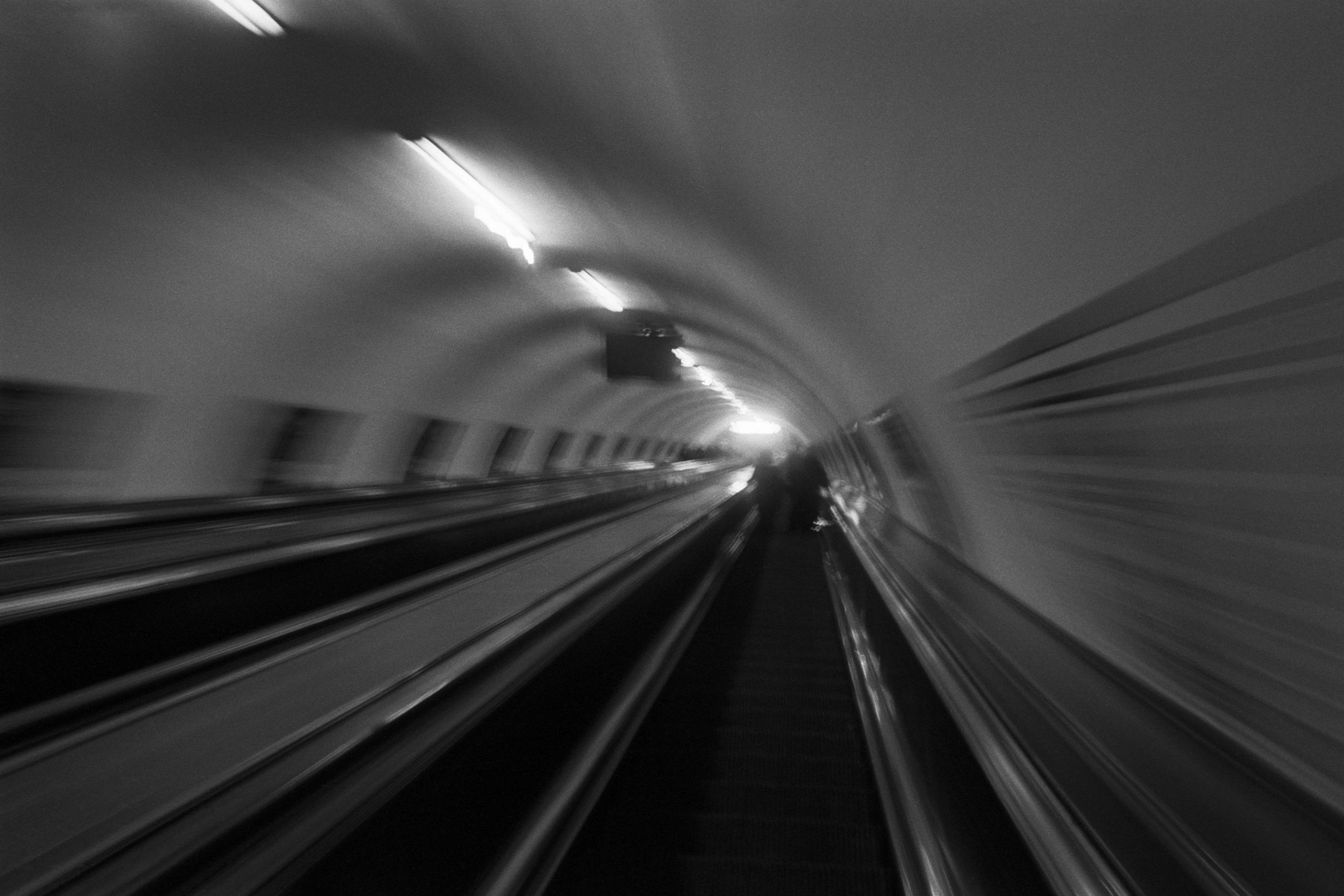
The Wall
2015Winner of the 1st prize & Golden Glass Award at the 11th Photographic Open Championship Olsztyn, and 1st place with the Special Prize of FORMAT magazine at the 3rd Biennial of Art in Piotrków Trybunalski.
View Series →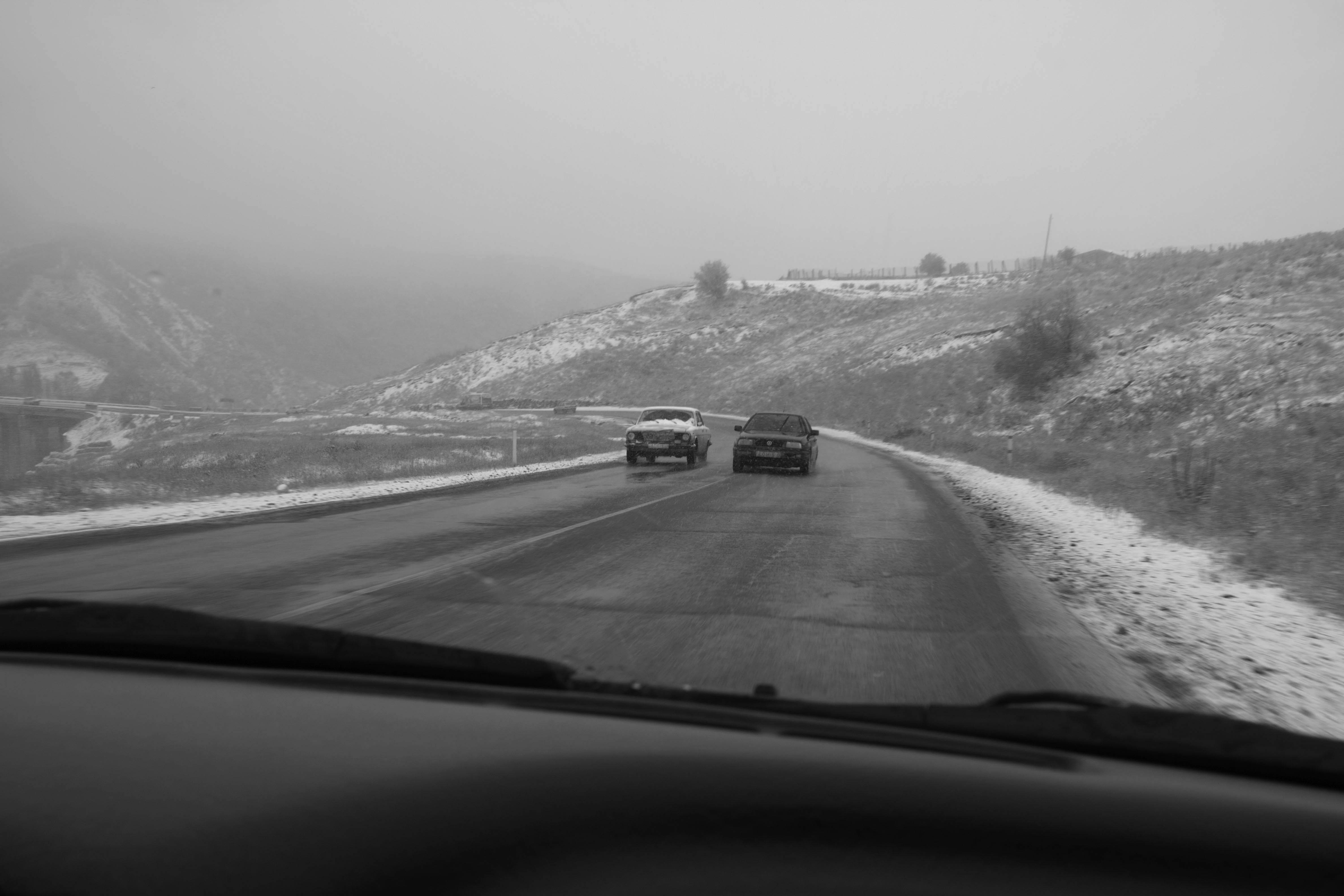
An Engagement Ring
2011A narrative series set in Wrocław in August 2011. Awarded 2nd prize & Silver Glass at the 10th Photographic Open Championship Olsztyn in 2014.
View Series →
Heat Wave
2014A documentary series recording spontaneous events across August and September 2014, capturing the raw energy of a city under the grip of summer.
View Series →