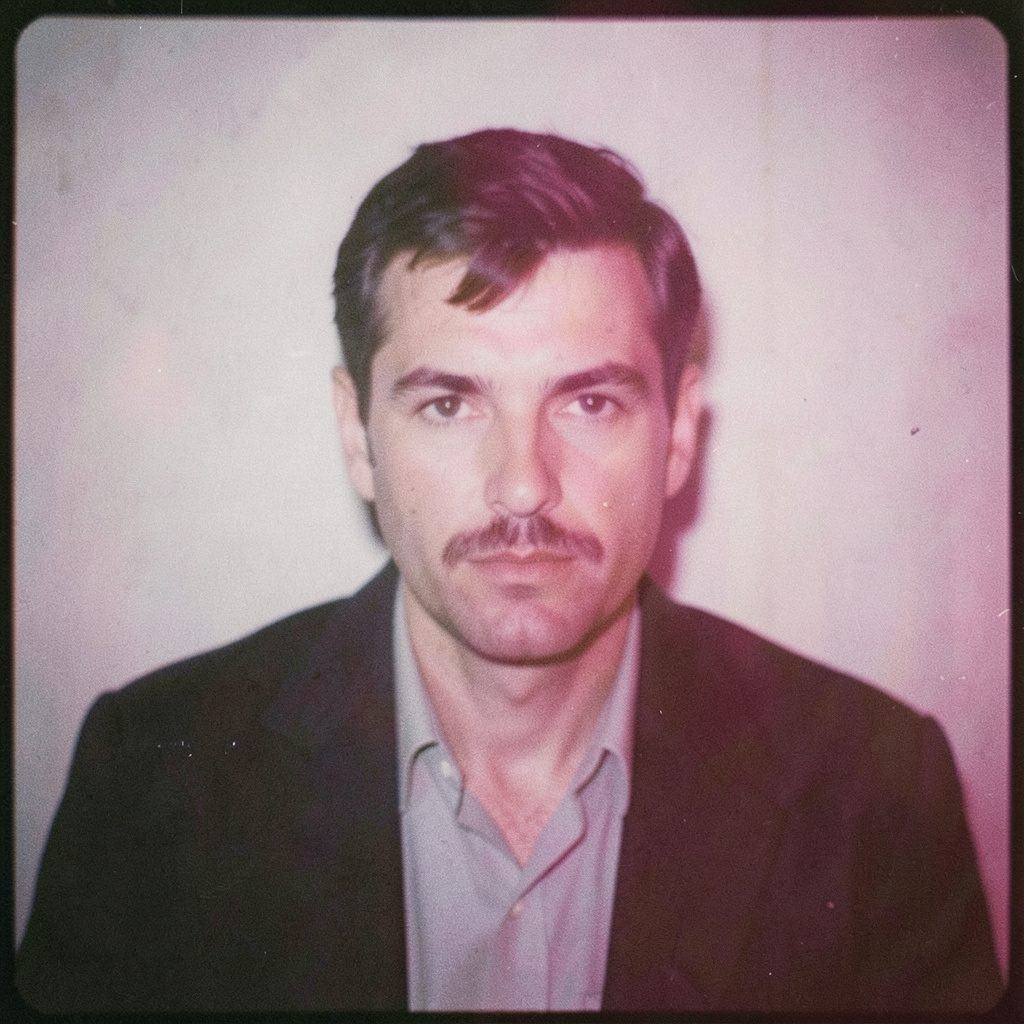
"Photography is not about the thing photographed. It is about how that thing looks photographed."
Celebrating imperfection through the grain and texture of film
Film photography carries evidence of its own making. A fine grain across a shadow, a slight shift in exposure, or the soft edge of a highlight reminds us that the image passed through a physical process. Light touched an emulsion, chemicals shaped the latent picture, and time became part of the final frame.
In a visual culture filled with polished digital images, these irregularities can feel unusually intimate. They slow the eye and create a sense of presence that is difficult to reproduce through perfect sharpness alone. Texture gives a portrait atmosphere, while monochrome film can turn an ordinary gesture into something quietly memorable.
For Rafal Michalak Photography in Wrocław, analogue practice is part of a broader photographic language. Medium-format cameras, black-and-white film, darkroom principles, and contemporary digital workflows are used according to the character of each project. The result may be a business portrait, a fashion image, an event record, or a conceptual series with a more experimental direction.
This approach also speaks to clients in Australia, where photography moves between strong commercial expectations and a growing appetite for considered, tactile imagery. A Melbourne fashion label, a Sydney creative studio, or a Brisbane business seeking distinctive executive portraits may all value photographs that feel human rather than mechanically flawless.
Why film texture still feels contemporary
Film grain is often described as a defect, yet its visual effect is closer to a material surface. Silver particles in black-and-white film or dye clouds in colour stock create a pattern that interacts with the subject. At a distance, the grain may unify the frame; up close, it reveals the image as an object with a physical history.
Digital photography can imitate this appearance with filters and presets, but an analogue negative produces a more complex result. Grain changes with exposure, development, enlargement, and the size of the image. A finely exposed medium-format negative can appear remarkably smooth, while underexposed 35mm film may have a more pronounced, restless texture. These qualities are embedded in the photograph rather than applied after the fact.
Texture also influences how a viewer reads emotion. A clean digital portrait may communicate precision and authority, which is valuable in corporate photography. A grainier image can add vulnerability, atmosphere, or independence. For an artist, actor, architect, or creative director, that distinction can shape how a personal brand is perceived.
The appeal is especially clear in editorial and fashion work. Fabric, skin, walls, smoke, paper, and reflected light gain separate tactile identities. Instead of flattening every surface into detail, film allows some areas to merge into tone, leaving room for interpretation.
The discipline of working with an analogue process
Shooting film encourages a deliberate relationship with the frame. The photographer cannot review every exposure immediately, so attention moves towards light direction, background structure, gesture, and timing. This does not make a session rigid. It creates concentration, allowing small changes in posture and expression to become more visible.
Medium-format photography adds another layer of care. Larger negatives contain generous tonal information and a distinctive sense of depth, especially in portraits. The format can feel slower and more considered, making it well suited to people who need time to settle in front of a camera. That quality is useful for a founder’s portrait, a fashion story, or a conceptual image built around stillness.
Darkroom thinking remains relevant even when the finished work is delivered digitally. Exposure is judged through the relationship between highlights and shadows. Contrast is shaped with restraint. A face is not treated as a collection of perfectly even pixels but as a surface with planes, folds, reflections, and changing light.
For Australian clients, this measured pace can offer a useful alternative to high-volume content production. A corporate team in Sydney may need consistent portraits across several locations, while a Melbourne designer may want a small series with a more personal rhythm. Analogue methods can support both, provided the visual intention is established before the camera is raised.
Where imperfection becomes part of the story
The character of film is most effective when it supports the subject. Grain should not be added simply to make an image appear fashionable. Its value comes from the way it complements mood, setting, movement, and the purpose of the photograph.
An event photographed on film can feel less like a catalogue of activities and more like a sequence of remembered impressions. A hand resting on a shoulder, a guest caught between conversations, or sunlight crossing a reception room can retain a gentle ambiguity. This quality suits cultural events, private gatherings, creative launches, and performances where atmosphere matters as much as documentation.
In fashion photography, texture can challenge the expectation that garments must appear perfectly pristine. A rough wall, a deep shadow, or a slightly uneven tonal transition can give clothing a stronger relationship with the body and the environment. The image becomes less about isolated products and more about identity, movement, and visual attitude.
Conceptual photographic series often benefit from the same uncertainty. Controlled imperfections can create distance from literal description, leaving the viewer to connect separate images through tone and rhythm. A blurred edge, uneven density, or visible grain may suggest memory, passage, or psychological tension without requiring a direct explanation.
Useful applications of film texture include:
- Black-and-white portraits with a quiet, editorial mood
- Fashion campaigns that emphasise fabric, gesture, and atmosphere
- Event photographs shaped around candid human connection
- Fine art series exploring memory, time, and ambiguity
Balancing analogue character with commercial needs
Commercial photography requires reliability, and the expressive qualities of film need to work within that framework. A campaign still needs accurate communication, considered delivery, and images that function across websites, printed material, social media, and press coverage. The warmth of analogue texture becomes valuable when it strengthens the brand rather than obscuring it.
A hybrid workflow can offer this balance. Film may be used for key portraits or hero images, while digital photography supports a larger sequence requiring speed and consistency. Negatives can be scanned at high resolution, corrected carefully, and prepared for different formats without removing the qualities that make the original exposure distinctive.
This is particularly relevant in the Australian market, where a single commission may travel across several channels. A Sydney hospitality group might need images for a website, menus, media releases, and Instagram. A Melbourne fashion label may require campaign photographs, lookbook pages, and outdoor advertising. A photographer who understands both the analogue source and digital delivery can protect the image’s character throughout that process.
Location also affects the result. Harsh Australian sunlight can create strong contrast and crisp shadow, while overcast conditions in coastal cities may produce softer tonal transitions. Brisbane’s humidity, Sydney’s reflective architecture, and the pale, open light around Perth each offer different possibilities. Film does not erase these environmental differences; it records them with a particular density and restraint.
For business portraits, the right amount of texture is a matter of judgement. A senior executive may benefit from subtle grain that introduces warmth without diminishing clarity. A creative professional may welcome a more pronounced monochrome surface. The final choice should reflect the person, the organisation, and where the image will appear.
Making space for photographs with a longer life
The attraction of film is connected to durability of attention. An image with visible grain asks to be looked at rather than quickly consumed. Its surface can hold a viewer for a few extra seconds, which may be enough to notice an expression, a gesture, or a relationship between light and architecture.
That slower quality aligns with printed photography. A photograph in a gallery, book, portfolio, or carefully produced report has a different presence from an image viewed briefly on a phone. Paper adds another surface, and the relationship between paper grain, ink, and photographic texture can make the work feel materially complete.
This does not mean analogue photography belongs only to fine art. A thoughtfully made portrait can serve an annual report or professional profile while retaining personality. In Australia, where personal branding is increasingly important for consultants, designers, founders, and performers, an image with a tactile signature can distinguish a profile from a stream of generic headshots.
The same principle applies to private commissions. Family portraits, wedding-related photographs, and personal projects often gain meaning through small inconsistencies. A fleeting expression or imperfectly centred composition may become more valuable over time than a technically immaculate image that says very little.
A considered film commission may involve:
- Choosing between 35mm and medium-format capture
- Deciding whether black-and-white or colour best serves the subject
- Planning the balance of posed, observational, and conceptual images
- Preparing scans and files for both digital use and high-quality print
Rafal Michalak’s practice brings these decisions together through a flexible photographic process. Traditional film techniques provide texture and discipline, while digital tools support selection, refinement, and professional delivery. The aim is not to make every photograph look old or nostalgic. It is to create images with a clear visual identity, where grain, tonal variation, and surface detail contribute to the meaning of the work.
Imperfection, in this context, is not a lack of control. It is a controlled openness to what happens when light, material, timing, and human presence meet. That meeting gives a photograph its atmosphere and allows it to remain recognisable long after the first viewing.
Selected Series
A cross-section of commissioned and personal projects spanning fine art, commercial, and conceptual work.
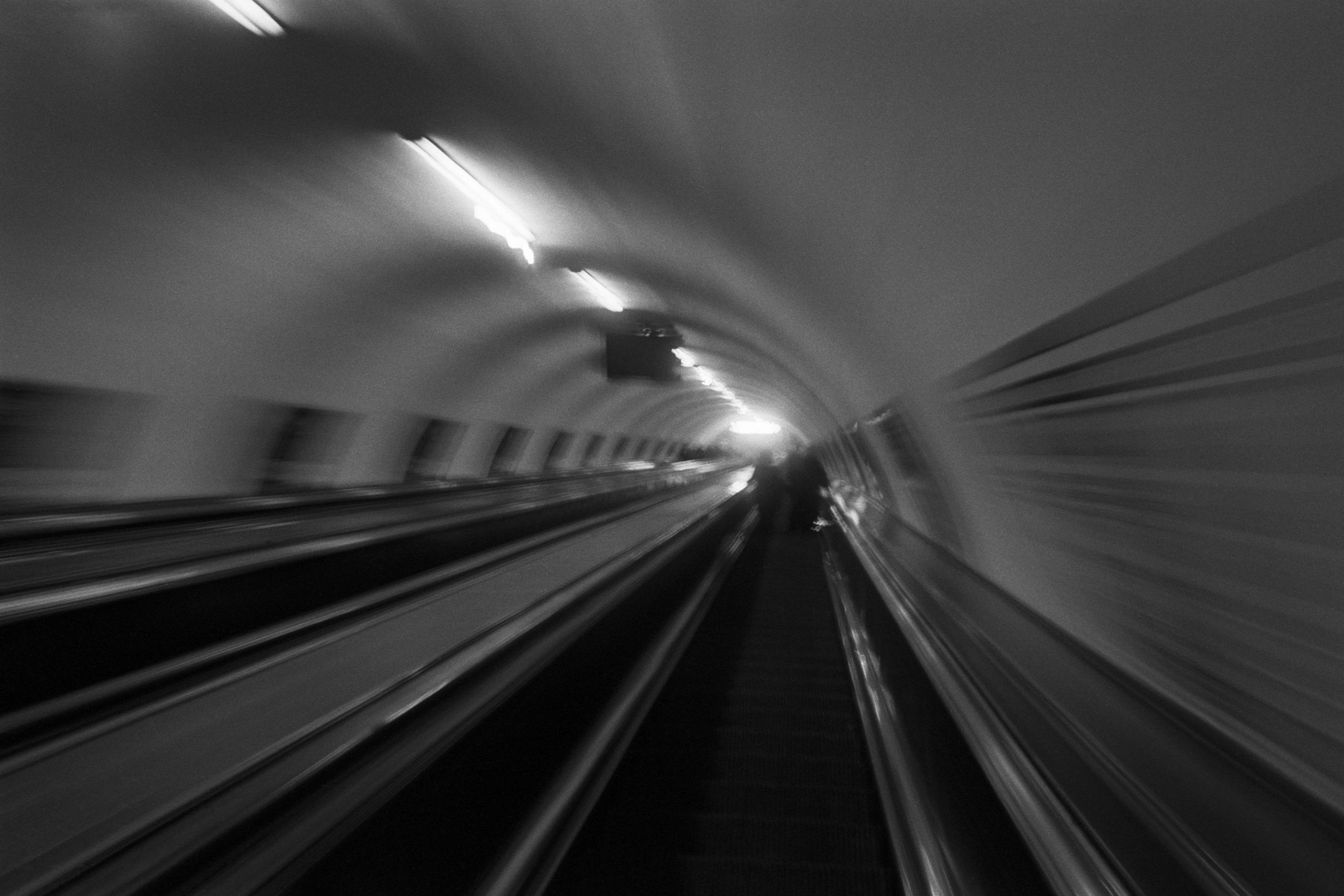
The Wall
2015Winner of the 1st prize & Golden Glass Award at the 11th Photographic Open Championship Olsztyn, and 1st place with the Special Prize of FORMAT magazine at the 3rd Biennial of Art in Piotrków Trybunalski.
View Series →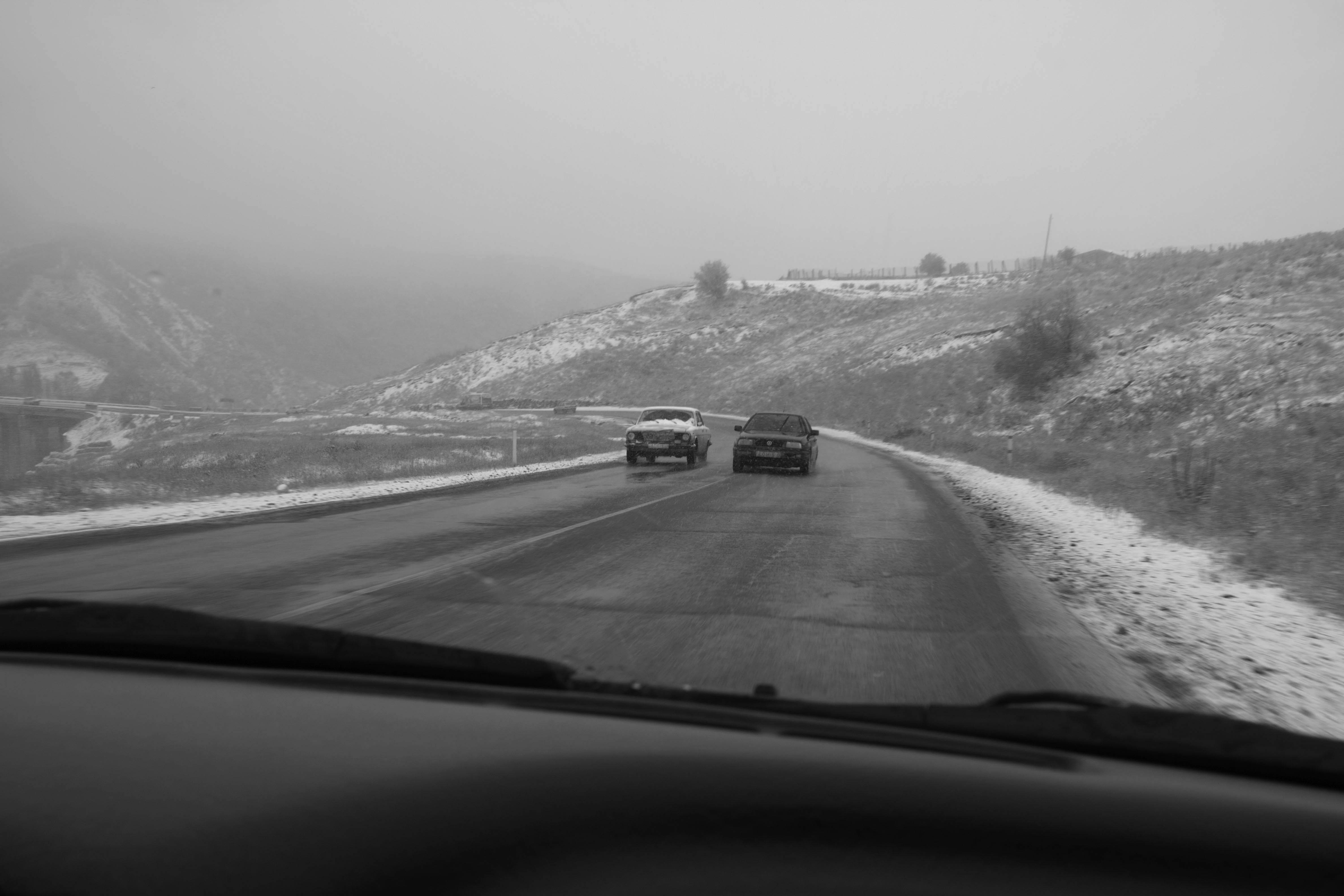
An Engagement Ring
2011A narrative series set in Wrocław in August 2011. Awarded 2nd prize & Silver Glass at the 10th Photographic Open Championship Olsztyn in 2014.
View Series →
Heat Wave
2014A documentary series recording spontaneous events across August and September 2014, capturing the raw energy of a city under the grip of summer.
View Series →