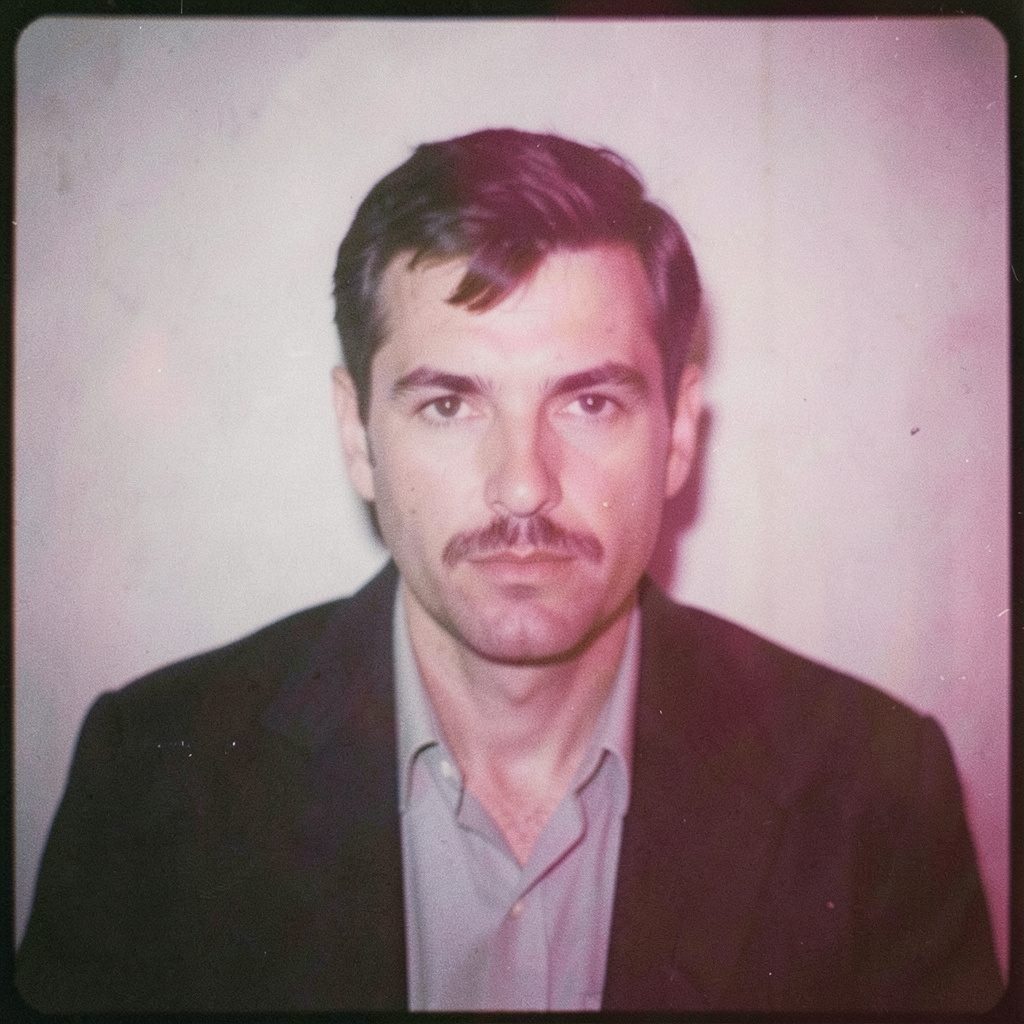
"Photography is not about the thing photographed. It is about how that thing looks photographed."
Collaborating With Local Artisans for Distinctive Photo Sets
A memorable photographic set often begins with an object that already carries a human story. A hand-thrown bowl, a dyed length of linen, a carved timber chair or a sculptural hat can give an image a sense of place that purchased props rarely achieve. When the maker is involved from the beginning, the set becomes more than a styled background: it becomes a meeting point between photography, craft and local identity.
This approach is especially effective for business portraits, fashion editorials, events and conceptual series. In Australia, where independent makers sell through studios, weekend markets, design fairs and online shops, photographers can find collaborators whose materials reflect the character of a region. The resulting photographs feel considered and tactile, while giving artisans useful visual content for their own businesses.
Why handmade details change an image
Mass-produced props tend to communicate a general mood: rustic, luxurious, coastal or minimalist. Handmade pieces carry more specific information. The uneven glaze on a ceramic vessel can suggest a slow studio practice, while the grain of reclaimed timber may connect a portrait to the landscape around Adelaide or Hobart. These details create visual evidence rather than simply announcing an aesthetic.
A local artisan can also make something to suit the proportions, palette and narrative of a shoot. A milliner might develop a sculptural headpiece for a fashion series in Melbourne, or a textile artist could dye fabric in colours that respond to the red earth and pale grasses outside Alice Springs. Such pieces give the photographer opportunities for close-ups, still-life frames and wider compositions, extending the value of one collaboration.
The process brings a useful tension between control and discovery. Photographers need to shape light, composition and timing, yet handmade work introduces irregularity that cannot be completely predicted. A small variation in a woven surface or a distinctive mark left by a tool may become the visual centre of a frame. Working with analogue film, medium format or black-and-white processes can make these textures particularly expressive, while a digital workflow allows quick testing for campaign requirements.
Finding makers with a shared visual language
The strongest partnerships begin with research rather than a last-minute request for props. Explore ceramic studios, florists, jewellery workshops, furniture makers, textile dyers, bookbinders and metalworkers in the city where the shoot will take place. Sydney has a dense design and fashion network, Melbourne offers a strong independent arts scene, and Brisbane’s creative community often works across interiors, events and lifestyle brands. Regional towns can provide equally distinctive collaborators, especially makers connected to local materials.
Review an artisan’s finished work, studio environment and approach to colour before sending a proposal. A maker who works with restrained natural tones may be a better fit for a quiet portrait series than someone whose practice depends on vivid maximalism. The photographer’s own visual language should be visible too; a portfolio such as Rafal Michalak Photography can help a potential collaborator understand how light, texture, gesture and atmosphere are handled across commercial and fine art work.
The first conversation should explain the purpose, audience, location, number of images and intended uses. An artisan may be happy to lend work for an editorial but expect a fee for advertising images. Clarify whether the objects will be worn, handled, altered, transported or exposed to weather. Agree on crediting, insurance, return dates and the delivery of images before production begins. Clear expectations protect the relationship and prevent an apparently friendly collaboration from becoming unpaid commercial labour.
Designing a set around the object
Begin with the artisan’s material rather than forcing it into a pre-existing mood board. Photograph a ceramicist’s collection under soft side light, for instance, and let the shadows reveal fingerprints, thrown ridges and variations in glaze. For a fashion portrait, a woven cape might determine the movement of the subject and the distance between camera and model. For a business profile, a craftsperson’s tools, workbench and unfinished pieces may communicate more than a polished headshot in a generic office.
A useful set usually contains layers. The primary object establishes recognition, secondary materials provide rhythm, and the background supports the subject without competing for attention. A timber stool, linen cloth and bunch of native foliage could create a restrained setting for a portrait, while a collection of brightly glazed vessels might suit a more energetic editorial. Test combinations in natural light and under the intended artificial setup, because colour shifts can become pronounced with reflective surfaces and mixed light.
Consider how the set will behave over time. Fresh flowers may wilt during a long event, paper can curl in coastal humidity, and untreated metal may mark clothing. In Brisbane or Darwin, heat and moisture require sensible storage and transport; in Perth, strong sunlight can quickly change the appearance of delicate dyed fabrics. Build a small styling kit with clamps, museum wax, neutral supports and protective cloths, while making sure anything used to secure an object is safe for the artwork and invisible in the final frame.
Collaboration can extend beyond physical props. Ask the maker to contribute a gesture, process or story that can shape the direction of the shoot. A portrait of a woodworker might include the rhythm of sanding, a baker could be photographed during early preparation, and a florist may arrange stems directly around the subject. These actions create authentic movement and give the final gallery a narrative sequence instead of a collection of disconnected poses.
Working responsibly in Australian settings
Location planning in Australia involves both practical and legal considerations. Public land, beaches, laneways and council-managed parks may require permission for commercial photography, especially when lighting stands, changing areas or multiple crew members are involved. Requirements differ between councils, so a shoot in a Melbourne laneway cannot automatically be treated like one on a Sydney beach or in a public square in Perth. Contact the relevant council or venue early and keep written approval with the production notes.
Privacy and consent should be handled carefully. A recognisable person generally needs to understand how their likeness will be used, particularly when images support advertising or a brand campaign. A model release is good practice even when the subject is a friend or the artisan themselves. If a private home, workshop or distinctive property appears in commercial imagery, obtain the owner’s permission as well. The Australian Privacy Act may apply when personal information is collected or stored, while the exact requirements can depend on the business, the data involved and the way it is used.
Copyright remains with the creator unless rights are assigned or licensed. Photographing an artisan’s object does not automatically transfer copyright in the design, and using a maker’s logo or packaging in a campaign can involve separate trade mark considerations. Discuss the licence for the photographs, permitted platforms, campaign duration, geographic territory and whether the maker may use behind-the-scenes material. The Australian Consumer Law also matters when a business makes claims about products, origin, sustainability or materials, so captions and promotional copy should be accurate.
Cultural respect is equally important. If a collaboration involves Aboriginal or Torres Strait Islander artists, designs, stories or materials, approach the relevant artist or community directly and follow their guidance on attribution, reproduction and context. Avoid treating cultural symbols as interchangeable decoration. A thoughtful production gives the maker control over how their work is represented and ensures that the commercial value of the images does not come at the expense of cultural meaning.
Turning a collaboration into a lasting visual asset
A well-planned shoot should produce more than one hero image. Capture a balanced collection: portraits of the maker, details of the work, wide environmental frames, hands in process, vertical images for social platforms and clean compositions with negative space for website copy. This gives the artisan a practical library while allowing the photographer to create a coherent editorial or campaign. Film can bring depth and atmosphere to key frames, while digital capture supports volume, immediate review and precise colour control.
Think about the artisan’s real marketing habits. Many Australian makers rely on Instagram, local design markets, mailing lists, online shops and seasonal pop-up events. Delivering a few crops suitable for mobile viewing can be valuable, but the images should still retain a strong visual identity. A furniture maker may need landscape banners for an online store, while a florist preparing for Mother’s Day may prioritise fast-turnaround vertical images. Discuss these requirements before the shoot rather than resizing everything as an afterthought.
For set inspiration, natural materials and garden-based styling can offer a useful starting point; resources such as garden styling ideas may help connect botanical elements with furniture, ceramics or outdoor portraiture. The goal is not to copy a reference but to identify relationships between texture, season and place. Australian native foliage, weathered stone, recycled timber and locally made textiles can build a visual vocabulary that feels grounded without relying on predictable travel imagery.
A practical collaboration checklist
- Choose a maker whose materials and working methods support the intended story.
- Agree in writing on fees, loans, credits, image usage, insurance and return dates.
- Confirm council, venue, model and property permissions before production day.
- Protect handmade objects from heat, moisture, makeup, food, movement and transport damage.
- Plan a varied image library that serves editorial, website, social and campaign needs.
The most effective partnerships leave value with everyone involved. The photographer gains a richer set and a deeper story, while the artisan receives images that show both the finished work and the care behind it. When planning, consent and creative exchange are treated as part of the art direction, local craft becomes more than decoration: it becomes the visual language of the photographs.
Selected Series
A cross-section of commissioned and personal projects spanning fine art, commercial, and conceptual work.
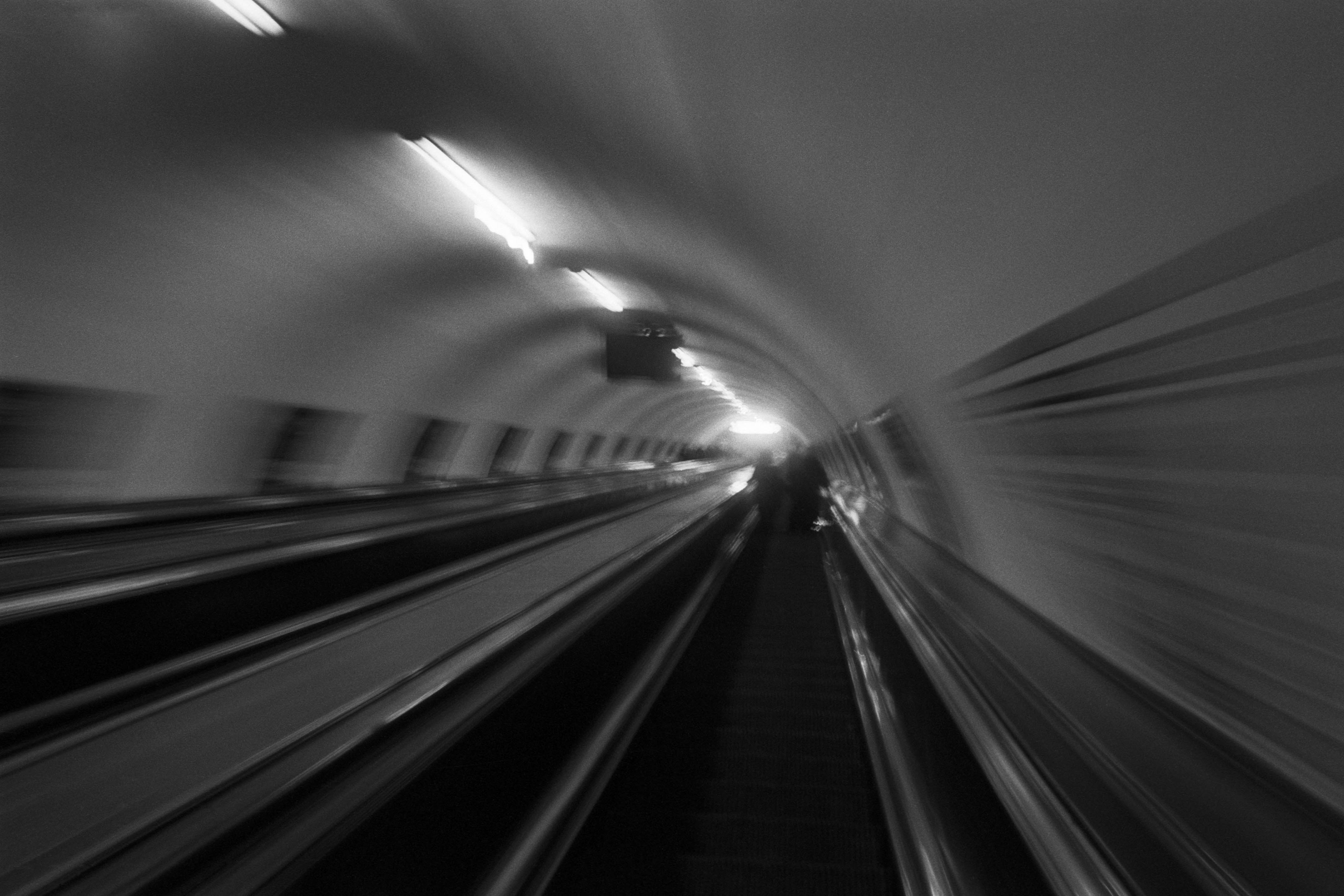
The Wall
2015Winner of the 1st prize & Golden Glass Award at the 11th Photographic Open Championship Olsztyn, and 1st place with the Special Prize of FORMAT magazine at the 3rd Biennial of Art in Piotrków Trybunalski.
View Series →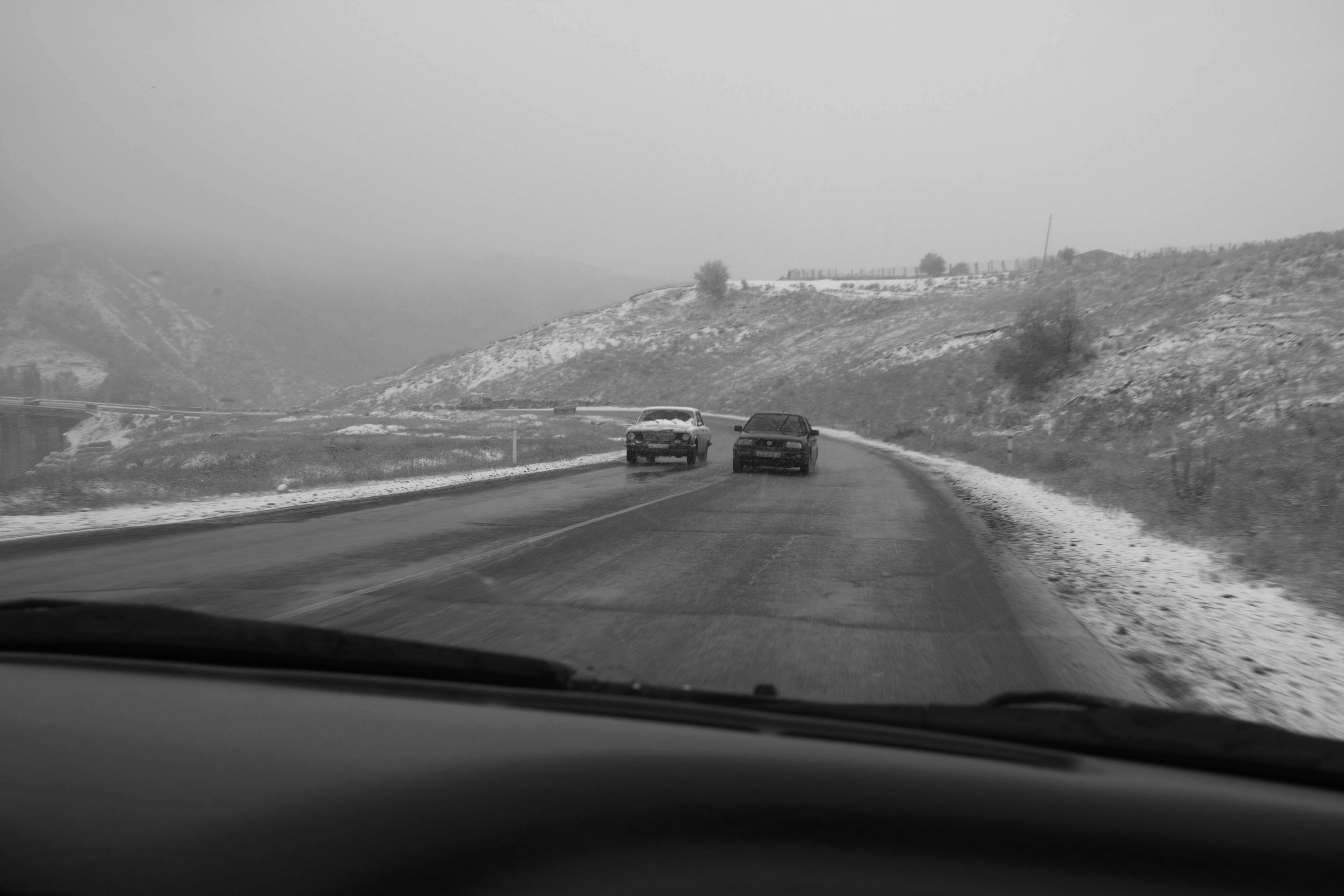
An Engagement Ring
2011A narrative series set in Wrocław in August 2011. Awarded 2nd prize & Silver Glass at the 10th Photographic Open Championship Olsztyn in 2014.
View Series →
Heat Wave
2014A documentary series recording spontaneous events across August and September 2014, capturing the raw energy of a city under the grip of summer.
View Series →