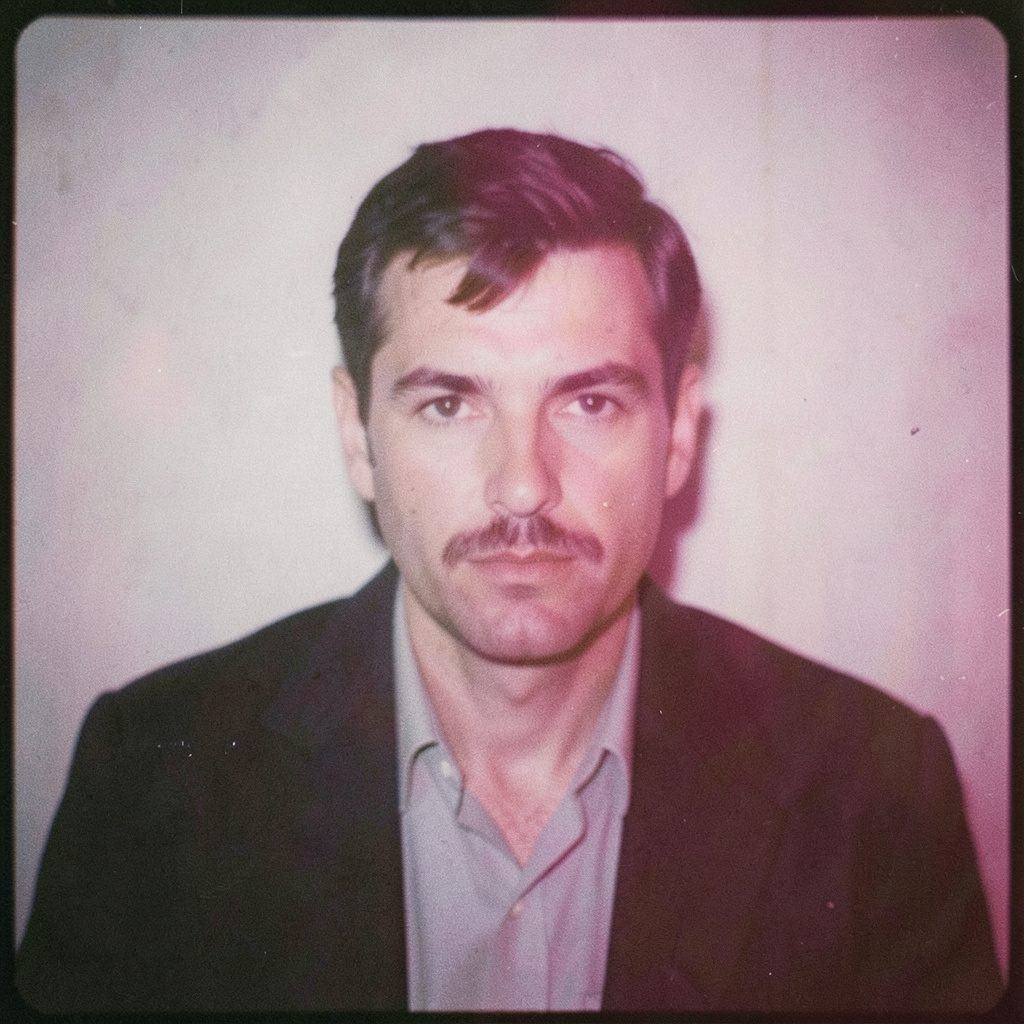
"Photography is not about the thing photographed. It is about how that thing looks photographed."
Creating a Series from First Frame to Final Print
A photographic series rarely begins with a complete explanation. It starts with an image, a texture, a gesture or a persistent question that refuses to disappear. My latest project developed from that kind of uncertainty: a gradual study of people moving through transitional spaces, where public confidence and private hesitation could exist in the same frame.
Creating a series means allowing individual photographs to become part of a larger visual language. Each picture has to work alone, yet it also needs to contribute rhythm, contrast and meaning to the whole body of work. My process moves between research, conversations, medium-format film, darkroom principles and digital editing, with room for instinct at every stage. The finished sequence is less a record of one day than a carefully shaped experience.
Finding The First Thread
The first stage was a period of collecting rather than shooting. I filled notebooks with fragments: reflections in office windows, empty corridors after an event, a sharply lit hand resting on a table and the peculiar stillness of people waiting for a lift. These observations helped me identify the emotional territory of the project before I decided what the photographs should look like.
I was interested in the space between a professional image and an intimate one. A business portrait can communicate authority, yet a person adjusting a cuff or looking beyond the camera may reveal far more than a confident smile. That tension also connects my commercial practice with my fine art work. The same attention to posture, light and silence can serve a commissioned portrait or a conceptual image.
Research involved looking at artists who use repetition, absence and serial form, along with photographers working in fashion, documentary and staged portraiture. I also returned to my own archive to see which visual ideas had appeared more than once. The aim was not to imitate an earlier project, but to recognise a direction that had been forming quietly across several years.
Building A Visual Vocabulary
Once the central idea became clearer, I established a set of visual rules. I wanted restrained compositions, strong negative space and a limited tonal range. Black-and-white film gave the project a physical and emotional foundation, while medium-format negatives offered the detail and gradual transitions I needed for skin, fabric and architectural surfaces.
The choice of equipment shaped the way I worked. A slower camera encouraged me to observe before exposing a frame. Instead of making dozens of images, I waited for small changes in expression, body language or light. This pace was particularly useful during portrait sessions, where trust develops through conversation. People often relax when the photographer is not constantly checking the screen or asking for another pose.
Colour was considered, then deliberately excluded from most of the sequence. Without colour, a red dress or blue wall could not carry the emotional weight of the image. Texture, brightness, shadow and gesture had to do that work. A few colour photographs remained in my notes, but they felt like separate voices rather than part of the final visual vocabulary.
The Australian photography market makes this question especially practical. A campaign commissioned in Sydney may need to feel polished and immediate, while an artist-led exhibition in Melbourne can allow a slower, more ambiguous reading. A client might say the images need to feel “a bit warmer” or “less corporate”, which requires translating informal language into precise decisions about light and expression.
Photographing The Uncertain Middle
The production phase took place across several locations rather than in one controlled studio. I photographed interiors, streets and temporary spaces that carried traces of their occupants. Some were arranged carefully; others were found while travelling between meetings. This mixture kept the series from becoming too predictable and allowed accidents to enter the work.
Portrait sessions began with conversation. I explained the wider idea, but I did not give every person a rigid interpretation to perform. The best images often appeared after the formal part of the session, when someone stopped trying to look photographed. A lowered shoulder, an interrupted smile or a glance towards a window could shift the entire meaning of a frame.
Working with film introduced useful limitations. I had to make decisions about exposure and framing before seeing the result, then wait for development. That delay created a second kind of looking. When the negatives arrived, I could compare my memory of the session with what the emulsion had actually recorded. Sometimes the technically imperfect frame contained the most convincing presence.
For Australian assignments, practical planning also matters. Outdoor light can change quickly in Melbourne, while Sydney’s reflective glass and hard coastal brightness demand careful control. In Brisbane, humidity affects comfort, equipment and makeup during long sessions. I build time into the schedule for weather, travel across a large city and the occasional “no worries” rescheduling that is part of working with busy teams.
Editing The Sequence
Editing was where the project became a series rather than an archive. I made small work prints and placed them across a studio wall, then lived with them for several days. Images that seemed powerful on a monitor sometimes dominated the sequence too aggressively. Others, initially quiet, created necessary pauses between denser photographs.
I looked for relationships in scale, direction and emotional temperature. A close portrait could be followed by an image of an empty room, allowing the viewer to breathe. A dark frame might need a pale one afterwards. Repeated gestures could establish a motif, but too many similar images would make the rhythm feel mechanical.
The sequence changed repeatedly. I removed photographs I personally liked because they explained the idea too directly. I also kept images that were less immediately striking but made another frame more meaningful. This is one of the most difficult parts of editing: judging the role of a photograph within the entire body of work rather than protecting it as an isolated favourite.
Digital tools helped organise, compare and archive the material, but the final decisions remained physical and visual. I calibrated scans, corrected dust and adjusted contrast with care, avoiding edits that made the images look detached from their origins. The darkroom remains an influence even when the final file is prepared for a screen, a gallery print or a commercial layout. Its values—patience, restraint and attention to tonal detail—still guide the workflow.
The finished portfolio sits within the wider body of work presented on my photography portfolio, where commissioned portraits, fashion images, event coverage and conceptual projects can be viewed together. Showing the series beside other work makes its position clearer: it is personal and experimental, but it grows from the same observation required in professional assignments.
Translating The Work For An Audience
A series is complete only when it can leave the studio and create a meaningful encounter. I prepared prints with the viewing distance, paper surface and surrounding space in mind. A photograph intended for a gallery should reward slow attention, while an image shown online must hold its presence at a much smaller scale. The edit therefore had to survive several forms of presentation.
Writing became part of the process as well. I did not want a long explanation to dictate what viewers should feel, so the accompanying text focuses on the conditions behind the images: movement, performance, waiting and the uncertain boundary between public and private identity. A concise artist statement gives the viewer an entry point without closing down interpretation.
For commercial audiences, the series demonstrates a way of working as much as a visual result. Brands, agencies and organisations often need images that feel distinctive without becoming unusable. A portrait has to represent a person accurately, fit a campaign and remain visually strong across a website, annual report, editorial feature or social platform. The discipline developed through personal work helps me make those decisions quickly.
Australian clients also value flexibility. A production may involve a start-up in Fitzroy, a law firm in the Sydney CBD, a fashion team in Surry Hills or an event venue near the Gold Coast. Each setting has its own pace, light and expectations. People may prefer direct, friendly communication and a practical plan, but they still respond to photographs made with genuine attention. The strongest professional relationship comes from balancing efficiency with enough space for real observation.
Looking back, the project taught me that a coherent visual story is built through accumulation and refusal. The photographs came from many separate encounters, yet the final work depends on what was left out as much as what was included. Film slowed my decisions, the darkroom shaped my sense of tone, and digital editing allowed the sequence to travel. Together, those methods turned an initial intuition into a body of images with its own atmosphere and pace.
Selected Series
A cross-section of commissioned and personal projects spanning fine art, commercial, and conceptual work.
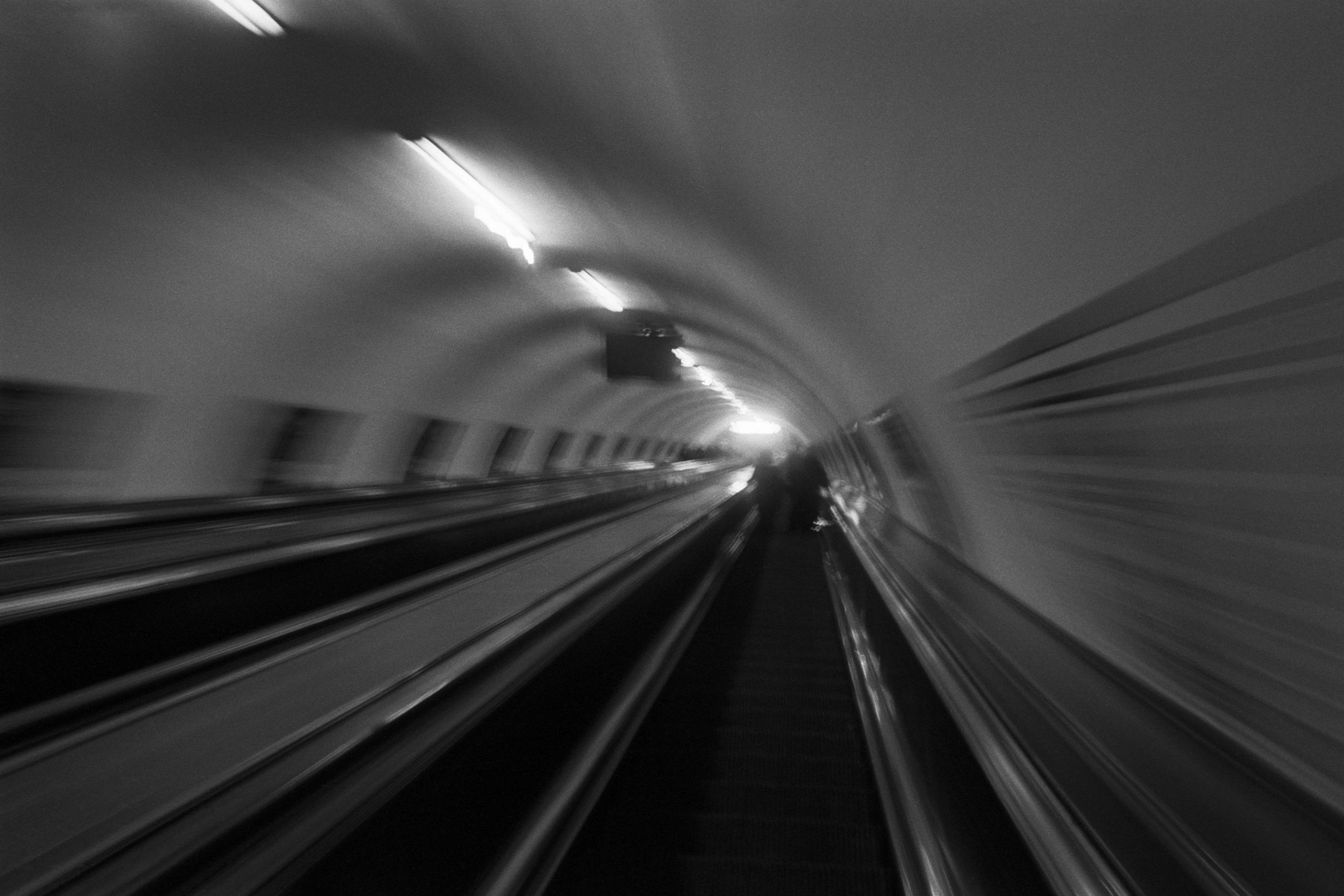
The Wall
2015Winner of the 1st prize & Golden Glass Award at the 11th Photographic Open Championship Olsztyn, and 1st place with the Special Prize of FORMAT magazine at the 3rd Biennial of Art in Piotrków Trybunalski.
View Series →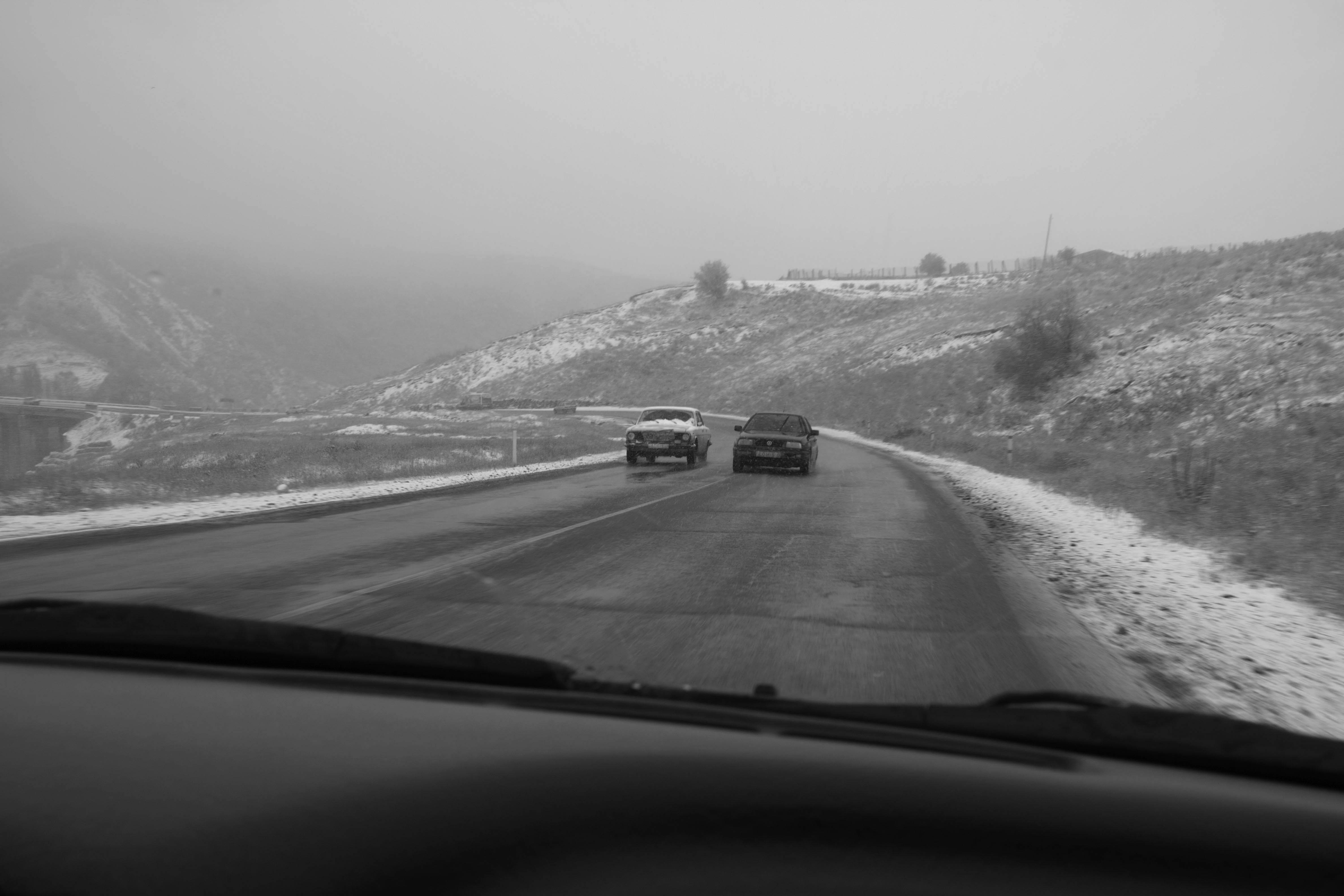
An Engagement Ring
2011A narrative series set in Wrocław in August 2011. Awarded 2nd prize & Silver Glass at the 10th Photographic Open Championship Olsztyn in 2014.
View Series →
Heat Wave
2014A documentary series recording spontaneous events across August and September 2014, capturing the raw energy of a city under the grip of summer.
View Series →