"Photography is not about the thing photographed. It is about how that thing looks photographed."
Crafting a signature visual language through recurring photographic motifs
A signature style rarely arrives fully formed. It grows through accumulation, through one choice layered on another until the work begins to feel unmistakably like a single hand made it. For photographers straddling fine art and commercial commissions, the path toward recognisable identity often runs through recurring motifs. These motifs might be compositional, technical, conceptual, or all three at once. They function as visual connective tissue, allowing viewers to trace a thread through disparate projects and recognise the artist's eye even when the subject shifts dramatically.
The history of photography offers countless examples of artists who built reputations on tightly held visual vocabularies. Richard Avedon returned again and again to plain white backdrops and stark lighting. Robert Frank chased American vernacular scenes with a particular grain and pacing. Contemporary practitioners working in Wrocław, Sydney, Melbourne, and beyond continue to refine their own grammars of image-making, finding that consistency of vision matters as much as technical polish when building a sustainable career.
Recurring motifs operate on several levels simultaneously. They give a portfolio internal logic, help clients understand what to expect from a collaboration, and provide the photographer with a creative framework that can be applied across wildly different briefs. A fashion shoot for a Byron Bay swimwear label and a corporate portrait series for a Brisbane law firm might seem to have little in common, yet both can carry the same underlying aesthetic signature if approached with a consistent visual philosophy.
The challenge lies in avoiding repetition without sacrificing recognition. A motif that appears too literally across every image becomes a crutch, draining the work of surprise. The most compelling signature styles balance fixation with flexibility, allowing certain visual ideas to reappear while leaving room for the subject and the moment to introduce their own energy. This tension between the predetermined and the spontaneous is where much of the enduring interest in a body of work tends to live.
The anatomy of a photographic motif
A motif in photography is not simply a subject. Photographing flowers does not create a floral motif, any more than photographing people creates a portrait motif. A motif implies treatment, approach, and recurring formal choices. It might be the way shadows fall, the colour palette that runs through a series, the specific camera angle that appears across portraits, or the consistent use of negative space that gives each frame its particular breathing room.
The strongest motifs are sometimes almost imperceptible on first viewing. A photographer who consistently shoots at eye level with a particular focal length may not be consciously building a signature, but the resulting body of work will carry that flatness across every image. Other photographers work with more overt motifs: a recurring prop, a characteristic lighting setup, a signature framing device. Many combine subtle formal choices with one or two more visible recurring elements. Recognition psychology plays a substantial role, since viewers scanning portfolios quickly need a visual anchor that creates familiarity on first encounter. This familiarity translates into trust, which matters particularly in commercial contexts where clients need confidence that the photographer will deliver work aligned with their brand's visual identity.
Analogue processes as motif foundation
For photographers working with medium-format cameras and traditional film stocks, the analogue process itself often functions as a unifying motif. The grain structure of Ilford HP5 differs markedly from Kodak Portra, and committing to a particular stock creates an immediate visual signature that no digital preset can precisely replicate. The choice of film, the decision to work exclusively in black and white, the preference for specific developers and darkroom techniques, all become part of the photographer's visual language.
Darkroom work adds another layer of consistency. A print made with a particular grade of paper, with specific dodging and burning choices, carries the photographer's hand in a way that digital manipulation cannot fully reproduce. Many photographers who have largely transitioned to digital workflows maintain darkroom practices for personal projects precisely because those practices shape how they see and what they choose to include in the frame. Textures produced by analogue processes have become particularly valued in commercial contexts where clients seek authenticity and tactility. Australian fashion editors working out of Melbourne and Sydney have shown growing interest in film-based photography for editorial campaigns, partly because the medium itself communicates a particular care and intention that aligns with current brand values around craftsmanship and considered production.
Motifs in portrait and fashion commissions
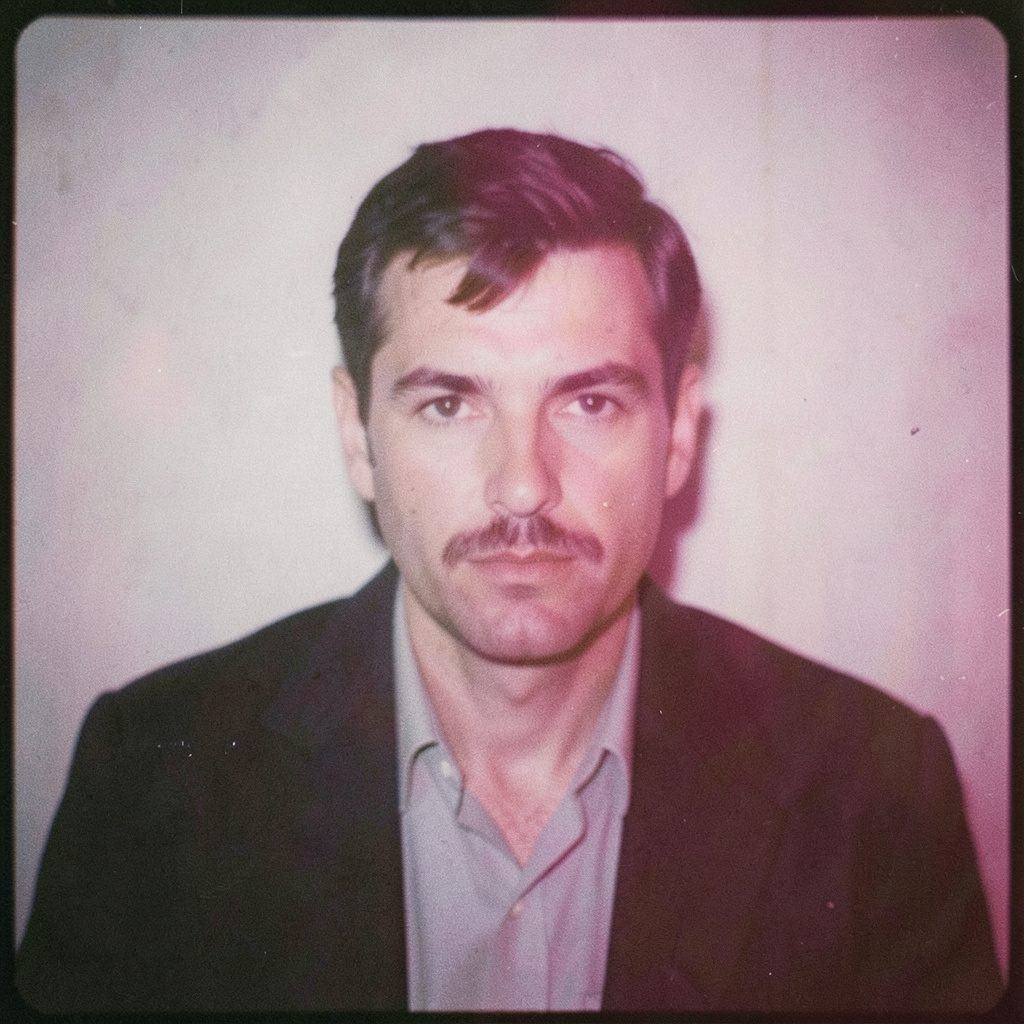
Portraiture offers rich territory for motif development. The human face invites infinite variation, yet certain photographers create bodies of work where individual sitters feel like members of a single visual family. This is often achieved through consistent lighting choices, whether a controlled studio setting with consistent framing, available light in a particular quality, or a recurring approach to background and environment. A business portrait might lean toward a controlled setting with consistent framing, while a more conceptual series might play with environmental portraits that nonetheless share a colour palette or tonal range.
Fashion photography presents a different challenge because the client and the brief drive much of the visual outcome. Yet even within heavily produced fashion campaigns, the photographer's motifs can assert themselves through the way fabric is lit, the choice of location and how it is framed, the recurring compositional tension between figure and ground. The conceptual photographic series offers perhaps the most freedom to develop motifs without commercial constraint, allowing the photographer to pursue a visual idea through multiple images over months or years. Australian galleries from the Art Gallery of New South Wales to independent spaces in Brisbane's Fortitude Valley have shown increasing interest in conceptual photographic series, offering platforms for motif-driven work to be exhibited and discussed outside commercial pressures.
Building a portfolio that speaks in motifs
Portfolio curation is where motifs either cohere or scatter. A photographer who consistently employs certain visual choices will struggle to communicate that consistency if the portfolio presents images without attention to grouping or sequencing logic. The way images are arranged, the order in which they appear, the relationship between consecutive frames, all contribute to how clearly the underlying motifs come through to a viewer.
Many photographers find that maintaining separate portfolios for different applications works better than trying to present everything in a single collection. A selection of fine art prints might lead with the strongest conceptual work, grouped by series to reinforce motif-driven thinking. A commercial portfolio might lead with the most recognisable campaigns, organised by client type, while maintaining enough thematic thread that viewers sense the underlying style. Online portfolios benefit from deliberate sequencing, with images that establish motifs early followed by variations that demonstrate range without abandoning the core visual language. For Australian photographers working with international clients, the online portfolio often serves as the primary introduction, making the careful presentation of motifs more critical than it was when printed promos and physical folios dominated the industry.
Working with the Australian creative market
The Australian photography market has its own particular rhythms and expectations. Sydney remains the largest commercial hub, with agencies in Surry Hills and creative clusters in Waterloo and Alexandria supporting substantial demand for both fashion and corporate work. Melbourne's scene leans more heavily toward editorial and fashion, with strong ties to the city's laneway culture and a tradition of supporting independent designers. Brisbane has emerged as a growing centre for commercial photography as the city expands its creative industries and welcomes new studios into its inner suburbs.
Australian clients often value a relaxed professionalism in their collaborators, and briefs tend to leave more room for creative interpretation than markets with more rigid commercial traditions. This openness allows photographers to bring their motifs into commercial work more directly, embedding signature elements into campaigns without the resistance a more prescriptive market might offer. The Australian tendency toward directness, often described as not taking itself too seriously, extends into creative briefs where conversations about visual direction happen in plain language rather than through layers of agency interpretation. For photographers seeking to develop motifs while working commercially, the balance often involves maintaining a strong personal practice that feeds the commercial work. Australian audiences respond well to imagery that demonstrates this kind of artistic underpinning, recognising authenticity when they see it and rewarding photographers who maintain clear creative identities even within commercial constraints.
Practical guidance for developing a motif vocabulary
- Audit existing projects by laying out the last twenty to thirty images and looking for choices made without being asked. These instinctive decisions often reveal motifs already developing beneath conscious awareness.
- Choose one technical element to commit to, whether a specific focal length, a particular film stock, or a consistent lighting approach, and hold it across varied subjects to create an immediate unifying motif.
- Develop a recurring conceptual thread by picking a question or tension that interests you and returning to it across multiple projects over time. Conceptual recurrence reinforces visual motifs and adds intellectual depth.
- Curate ruthlessly and sequence deliberately. Remove images that break the motif without strong reason, and arrange what remains so motifs emerge clearly through visual flow rather than scattered presentation.
- Reserve space for evolution by allowing new motifs to be introduced gradually while keeping older ones visible enough that the development reads as growth rather than reinvention.
Photographers interested in exploring how recurring themes might shape their own practice, or in discussing a collaboration on a conceptual photographic series, can contact the studio to begin a conversation.
Selected Series
A cross-section of commissioned and personal projects spanning fine art, commercial, and conceptual work.
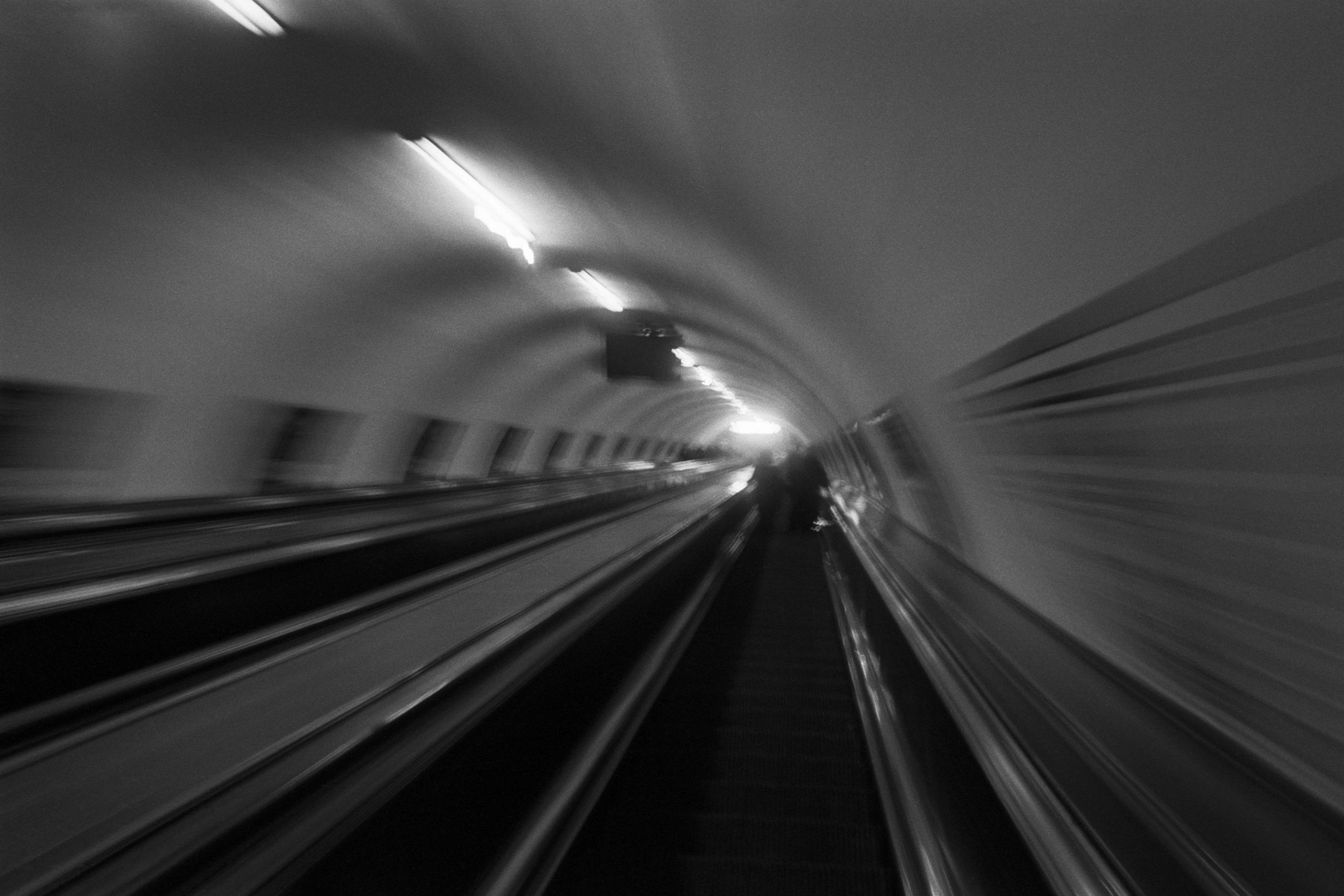
The Wall
2015Winner of the 1st prize & Golden Glass Award at the 11th Photographic Open Championship Olsztyn, and 1st place with the Special Prize of FORMAT magazine at the 3rd Biennial of Art in Piotrków Trybunalski.
View Series →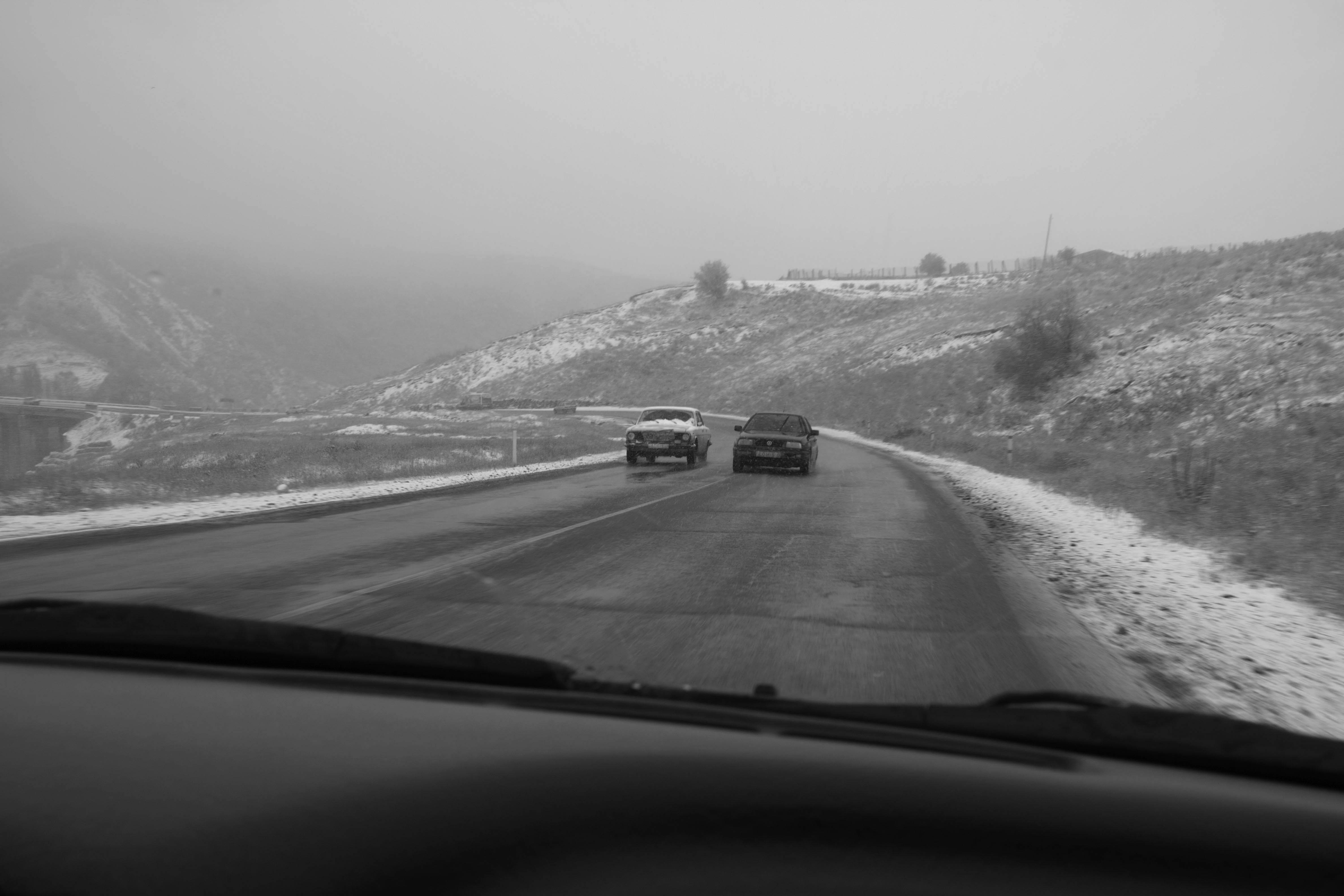
An Engagement Ring
2011A narrative series set in Wrocław in August 2011. Awarded 2nd prize & Silver Glass at the 10th Photographic Open Championship Olsztyn in 2014.
View Series →
Heat Wave
2014A documentary series recording spontaneous events across August and September 2014, capturing the raw energy of a city under the grip of summer.
View Series →