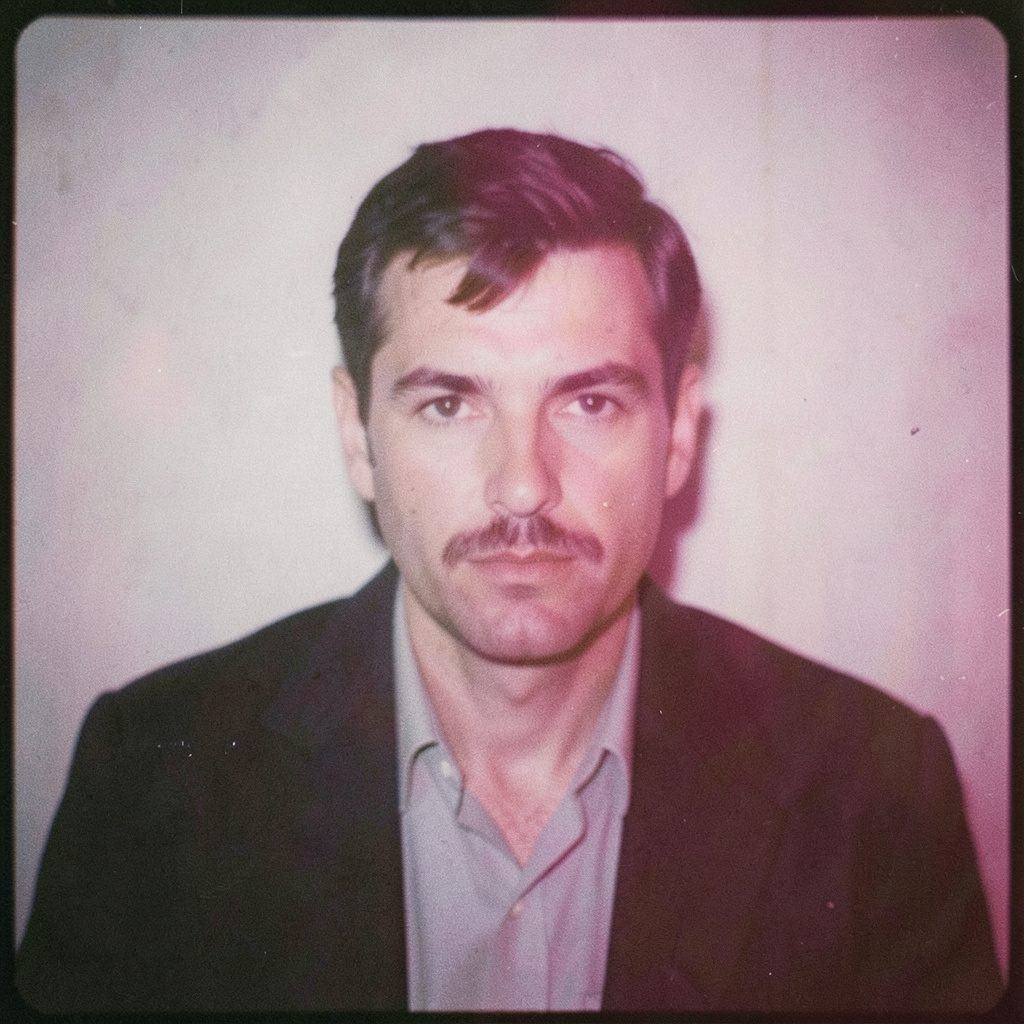
"Photography is not about the thing photographed. It is about how that thing looks photographed."
Event Photography That Captures Moments Without Intrusion
Great event photography works quietly. It observes the atmosphere, relationships and small gestures that give a gathering its character, while allowing guests to remain absorbed in the occasion. The strongest images often emerge when people forget they are being photographed: a colleague listening closely, a shared laugh between speeches, or a fleeting expression across a crowded room.
For a photographer, this demands more than fast reactions and reliable equipment. It requires preparation, visual judgement and respect for personal space. Whether the assignment is a business conference, fashion launch, private celebration or cultural event, an unobtrusive approach can produce a record that feels honest rather than staged.
Why a quiet presence creates stronger images
An intrusive photographer can alter the mood of a room. Frequent interruptions, bright flashes or repeated requests to pose may make guests self-conscious and shift attention away from the event itself. This is particularly noticeable at networking functions, where natural conversation and informal interaction are central to the occasion.
A quieter method preserves the rhythm of the gathering. Instead of directing every moment, the photographer watches for meaningful exchanges and anticipates what may happen next. The resulting gallery can include formal highlights, yet it also retains the texture of the day: a nervous speaker preparing backstage, hands applauding, friends reconnecting and the energy of a busy dance floor.
This approach is valuable for business clients as well. Corporate event photography needs to show professionalism, but it should not make the room look rigid or over-managed. Images of genuine engagement can communicate confidence, culture and connection more effectively than a sequence of identical posed groups.
The aim is not to disappear completely. A professional photographer still needs to be accessible, organised and ready to guide people when a portrait or group photograph is essential. Discretion means knowing when direction adds value and when it would interrupt the moment.
Reading the room before raising the camera
Preparation begins well before guests arrive. A site visit, venue briefing or detailed conversation with the organiser can reveal the practical shape of the event. The photographer can learn where the light changes, which spaces are restricted, how the schedule flows and when important people are likely to appear.
Australian venues often have distinctive working conditions. A conference in a Sydney hotel may move between a dark ballroom, a bright foyer and a harbour-facing terrace. An event in Melbourne might use a narrow laneway, a warehouse or a converted industrial space with mixed lighting. In Brisbane, outdoor coverage may require planning around strong sun, sudden rain and warm evening conditions.
The running order also provides a visual map. Speeches, award presentations, performances and arrivals are obvious milestones, but quieter intervals can carry equal importance. Time allocated for coffee, canapés or informal networking gives the photographer an opportunity to document relationships without stopping the flow of conversation.
A useful briefing includes the names and roles of key people, sensitive moments to avoid, preferred groupings and any restrictions set by the venue. It should also identify whether the client wants a polished marketing gallery, a private documentary record, or a balanced collection serving both purposes.
Technique that keeps the photographer unobtrusive
Equipment choices influence how noticeable the photographer becomes. A compact camera, quiet shutter setting and carefully selected lenses can make it easier to work from the edge of a group rather than stepping into the middle of it. Medium-format systems can offer distinctive tonal depth, while modern digital cameras provide the speed and low-light flexibility required for fast-moving events.
Flash is sometimes necessary, particularly in dim reception rooms, but it should be used with judgement. Bouncing light from a suitable ceiling or wall can produce a natural result with less disruption than repeated direct flashes. In other situations, working with available light preserves the ambience of candlelit tables, coloured stage lighting or an evening outdoor setting.
Movement matters as much as camera settings. A photographer who constantly crosses the room becomes part of the spectacle. Moving during transitions, using architectural lines as cover and staying at a respectful distance can create a calmer working presence. It also helps to vary the visual perspective, combining wide scenes with close details and considered portraits.
Analogue photography can bring another kind of restraint. With a limited number of frames, the photographer must observe carefully before releasing the shutter. Black-and-white film can reduce visual distraction and draw attention to expression, gesture and form. A hybrid workflow may combine film for selected artistic images with digital capture for speeches, presentations and fast delivery requirements.
Consent, privacy and cultural awareness
Respectful event coverage begins with clear expectations. Guests should know when photography is taking place and how the images may be used. The organiser can communicate this through invitations, registration information, venue signage or a verbal briefing. A visible professional presence can also help guests understand who is responsible for the images.
In Australia, privacy considerations vary according to the organisation, the nature of the event and the intended use of the photographs. The Privacy Act 1988 and the Australian Privacy Principles may apply to covered organisations, while state and territory laws, workplace policies and venue rules can add further obligations. A photographer should follow the client’s privacy process rather than assuming that a public setting removes every concern.
Additional care is appropriate when children, vulnerable people or culturally sensitive ceremonies are involved. Some guests may not wish to appear in promotional material, even if they are comfortable being photographed for a private event record. The distinction between private delivery and public publication should be discussed before the event, not after the gallery has been produced.
Practical safeguards for respectful coverage
- Confirm whether images are for private use, press, social media or advertising
- Identify guests or areas that should not be photographed
- Ask before making close portraits of individuals who appear uncomfortable
- Follow venue, workplace and cultural protocols throughout the event
Consent does not need to make photography formal or awkward. In many cases, a brief explanation and a considerate response are enough. If someone declines, the photographer can respect that choice immediately and continue documenting the wider atmosphere.
Finding the story beyond the headline moments
An event gallery should feel complete without becoming repetitive. A sequence of stage photographs alone may show what happened, but it rarely conveys how the occasion felt. Strong coverage moves between scale and intimacy, showing the setting, the people, the details and the emotional changes across the day.
The opening images might establish the venue before it fills: signage, table arrangements, lighting, architecture or a carefully prepared exhibition. Arrival photographs can then introduce the social energy of the gathering. Later images may focus on the speaker, audience response, spontaneous conversation, food, performance and the final release of energy as the event comes to an end.
For a fashion or brand launch, details carry commercial importance. Textures, garments, product displays, styling and interactions with guests may all be required for future communications. For a conference, the visual story might place equal emphasis on speakers, audience participation, sponsor spaces and the informal connections that happen between sessions.
Editing is where this material becomes a coherent visual record. A thoughtful selection removes near-duplicates, technically weak frames and moments that feel invasive. Colour correction should retain the character of the venue rather than flattening every image into a uniform look. Black-and-white treatments can be used selectively when they strengthen the emotion or graphic quality of a frame.
Balancing natural moments with essential portraits
Some photographs need direction. A company may require a leadership portrait, sponsors may need recognition, or an award recipient may need a clean image for a press release. These moments can be handled efficiently without turning the entire event into a photoshoot.
The key is to provide simple guidance and keep the setup ready. A small area with good light can be identified in advance for portraits. Groups should be arranged quickly, with clear instructions and minimal waiting. Once the essential photographs are complete, the photographer can return to documentary coverage while guests continue with the occasion.
Australian corporate events often combine formal business priorities with a relaxed social style. A breakfast seminar in Perth, a product launch in Sydney or an industry gathering in Melbourne may include presentations followed by coffee, drinks and informal conversation. The image collection should reflect this movement between professional purpose and everyday warmth.
A discreet photographer recognises that not every useful photograph is perfectly posed. A person laughing after a formal portrait, a team speaking together before a panel or a guest adjusting a name badge can reveal more personality than a carefully arranged smile. Direction has its place, but observation gives the gallery its life.
Details to settle before the event
- Coverage hours, access times and the approximate delivery schedule
- Priority people, program moments and required group photographs
- Preferred image format, editing style and file delivery method
- Permission for portfolio use, media publication or social sharing
Clear planning protects both the client and the guests. It also allows the photographer to make creative decisions with confidence rather than interrupting the organiser repeatedly during a busy schedule. When the practical details are settled early, attention can remain on the quality of the photographs.
Delivering a visual record with lasting value
The final gallery should be useful beyond the immediate event. A business may need selected images for a website, annual report, press release, recruitment campaign or internal communications. A private client may want a carefully edited collection that brings back the atmosphere without overwhelming them with hundreds of similar frames.
Professional delivery involves more than uploading files. Images should be organised logically, edited consistently and supplied in appropriate resolutions. High-resolution files may be needed for print, while web-ready versions support fast publishing. A considered selection can include broad scene-setting images, portraits, candid interactions and details that help tell the story across different platforms.
A photographer with experience in both fine art and commercial practice can bring sensitivity to this process. Traditional darkroom principles encourage attention to tonal range, timing and restraint. Digital workflows provide efficiency and flexibility. Combining these strengths allows event images to remain practical for communication while retaining a distinctive visual character.
For Rafal Michalak Photography, event coverage can sit between documentary observation and crafted image-making. The work may be polished enough for a corporate campaign, yet attentive to the unplanned gestures that make an event memorable. That balance is what allows people to recognise themselves and their community in the finished photographs.
When event photography is handled without intrusion, the images do more than prove that a gathering took place. They preserve the atmosphere, relationships and small transitions that guests experienced but may not have noticed at the time. The camera becomes a quiet observer: present enough to see clearly, restrained enough to let the event remain itself.
Selected Series
A cross-section of commissioned and personal projects spanning fine art, commercial, and conceptual work.
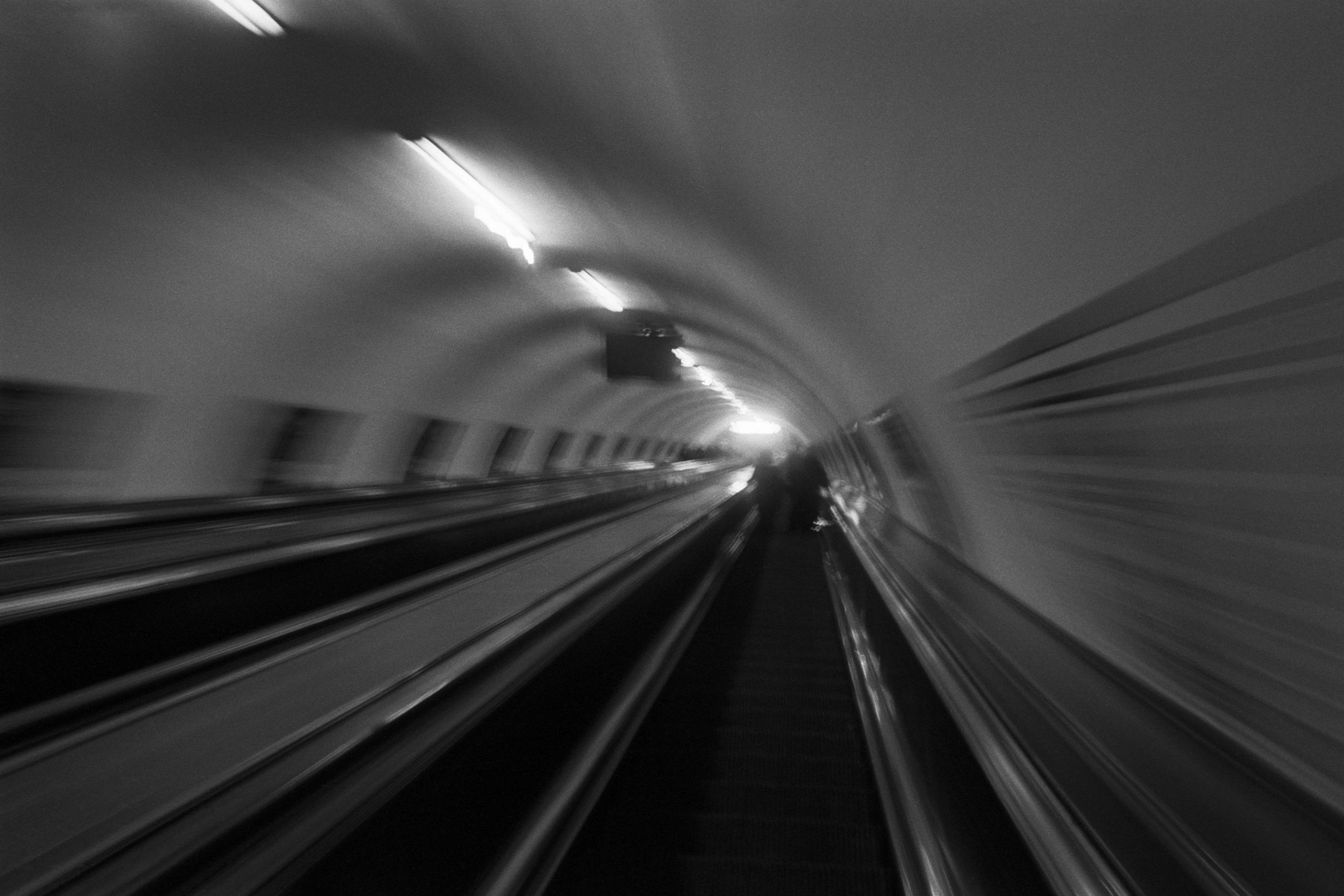
The Wall
2015Winner of the 1st prize & Golden Glass Award at the 11th Photographic Open Championship Olsztyn, and 1st place with the Special Prize of FORMAT magazine at the 3rd Biennial of Art in Piotrków Trybunalski.
View Series →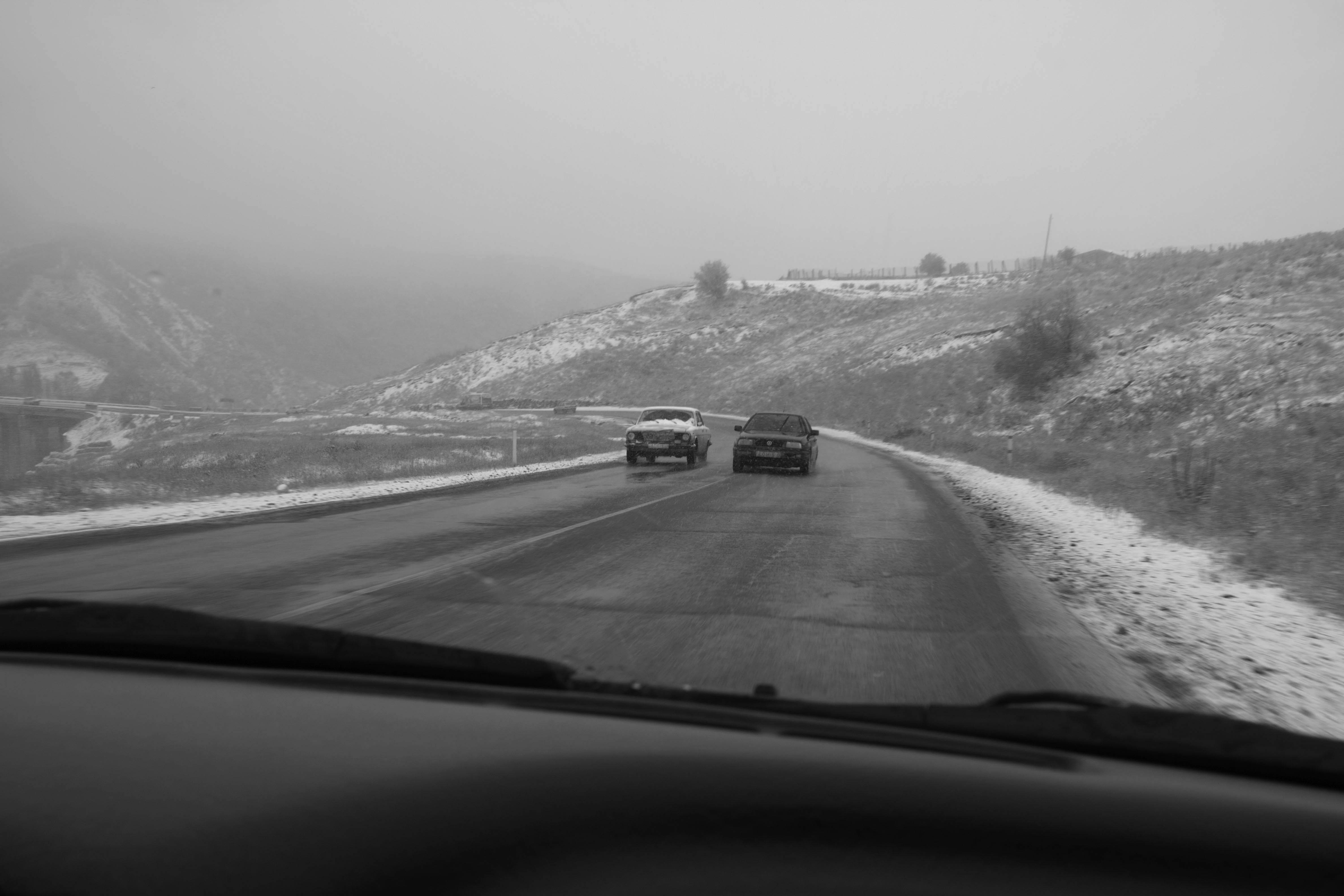
An Engagement Ring
2011A narrative series set in Wrocław in August 2011. Awarded 2nd prize & Silver Glass at the 10th Photographic Open Championship Olsztyn in 2014.
View Series →
Heat Wave
2014A documentary series recording spontaneous events across August and September 2014, capturing the raw energy of a city under the grip of summer.
View Series →