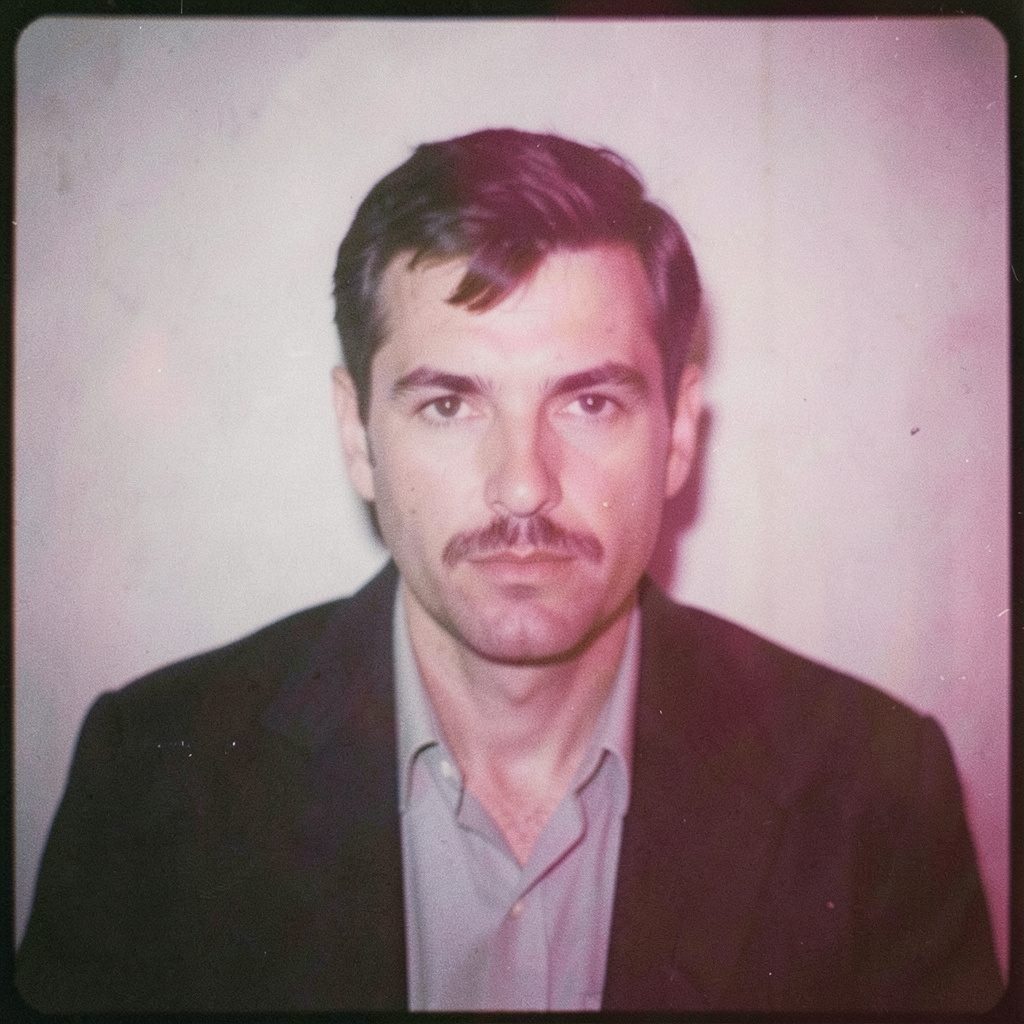
"Photography is not about the thing photographed. It is about how that thing looks photographed."
Exploring the concept of time in long exposure photography
Long exposure photography turns time into a visible element of the image. Instead of recording a single instant, the camera gathers light over several seconds, minutes or even hours. Moving water becomes a veil, clouds stretch across the sky, and people may dissolve into faint traces. The photograph begins to describe duration rather than simply preserving a moment.
This approach creates a natural connection between technical practice and fine art. A tripod, neutral density filter and carefully chosen shutter speed are important, yet the most compelling decisions are often conceptual. The photographer must decide what should remain still, what should move, and how much of the passing world should be allowed to appear in the final frame.
Time as a photographic material
A conventional photograph often suggests that an event happened at one precise point. Long exposure changes that assumption. It compresses a sequence of moments into one frame, allowing several stages of movement to coexist. A person crossing a square, a wave arriving and retreating, or a train passing through a station can all become part of the same visual record.
This makes duration feel almost physical. The image can appear calm while containing intense activity, or it can feel unsettled because movement has been stretched beyond ordinary perception. Blur is no longer an unwanted technical flaw. It becomes evidence that time has passed in front of the lens.
The length of the exposure affects the emotional character of the photograph. A one-second shutter speed may retain recognisable gestures while introducing a slight softness. A thirty-second exposure can erase crowds and smooth a river. An exposure lasting several minutes produces an abstract image in which motion is reduced to tone, line and atmosphere.
Stillness and movement in the frame
The strongest long exposure compositions often depend on a clear relationship between fixed and moving elements. A rock, building, tree trunk or architectural structure provides stability. Water, traffic, clouds or human figures supply change. This visual contrast gives the viewer a way to understand the passage of time.
A familiar location can therefore appear unfamiliar. Sydney Harbour photographed at dusk may contain a motionless bridge and a luminous trail of ferries. The structure anchors the image, while the water records repeated journeys across the frame. In Melbourne, the movement of trams and pedestrians through a laneway can become a series of translucent layers rather than a collection of separate subjects.
The same principle applies to portraiture. A subject can remain still while the shutter stays open long enough for a slight movement of the head, hand or fabric to register. In a conceptual portrait, this creates an impression of memory, uncertainty or transformation. The person is present, yet the image also acknowledges the unstable nature of identity over time.
Choosing a duration with intention
There is no universally correct shutter speed for long exposure work. The right duration depends on the movement in the scene and the idea behind the photograph. A waterfall may need only a few seconds to acquire a smooth, painterly appearance. Clouds moving slowly across a broad landscape may require several minutes before their direction becomes visually clear.
Light levels also determine how long the shutter can remain open. Neutral density filters reduce the amount of light entering the lens, making daylight exposures possible without closing the aperture excessively. A ten-stop filter can extend a short exposure into several minutes, while lighter filters offer more control when movement is already fast.
The photographer should observe the scene before making technical decisions. Watch the direction of the wind, the rhythm of traffic, the rise and fall of waves, or the way people enter and leave the frame. Time is easier to express when the exposure follows an existing rhythm rather than imposing an arbitrary blur on the subject.
Analogue approaches to elapsed time
Film has a distinctive relationship with long exposure because the image is formed through a gradual chemical response. Medium-format film can give the frame a spacious, tactile quality, while black-and-white film emphasises tonal transitions and the relationship between light and shadow. The delay between exposure, processing and printing adds another layer of time to the work.
Reciprocity failure must be considered during longer exposures. Film becomes less responsive as exposure times increase, meaning the photographer may need to compensate with additional exposure. Different emulsions behave differently, and careful notes are valuable when working beyond the manufacturer’s standard guidance.
In the darkroom, the final image continues its transformation. Dodging and burning can direct attention towards a stationary detail or deepen the space occupied by movement. A print made by hand carries the history of exposure, development and enlargement. Its physical surface can make elapsed time feel more tangible than a purely digital image.
This slower process has particular relevance in a culture accustomed to immediate images. A long exposure on film resists instant review and encourages patience. The photographer must trust an idea before seeing the result, accepting that uncertainty is part of the method rather than an obstacle to it.
Digital control and the language of motion
Digital cameras make long exposure photography highly adaptable. Live view can help with composition, electronic shutters may reduce vibration, and test exposures offer a quick way to evaluate brightness. Intervalometers and time-lapse functions also allow photographers to work with exposures that extend well beyond ordinary shooting sessions.
A stable tripod remains essential. The camera should be protected from accidental contact, and image stabilisation is usually switched off when the body is firmly mounted. A remote release or delayed shutter prevents movement at the moment of capture. In bright Australian conditions, a low ISO and carefully selected aperture help preserve detail while filters control the total exposure.
Post-production should support the temporal idea rather than conceal it. Adjusting contrast, correcting colour casts from dense filters and refining highlights can clarify the image. Excessive smoothing or artificial trails may weaken the photograph by making movement feel decorative instead of observed.
Digital and analogue workflows can also inform each other. A photographer may use digital tests to establish timing before committing to medium-format film, or scan a darkroom print for a commercial presentation. The tools differ, yet the central question remains the same: how should the passage of time alter the viewer’s experience?
Weather, landscape and local rhythm
Australia offers varied conditions for studying duration. Along the Great Ocean Road, incoming surf can be rendered as a continuous white plane while cliffs remain sharply defined. In the dry interior near Uluru, a long exposure can record the gradual movement of clouds and changing colour across the rock, provided the work respects local cultural guidance and environmental restrictions.
Weather is especially important in long exposure landscape photography. Wind can transform grass, branches and coastal spray into directional marks. Rapid cloud movement produces a different visual language from the heavy, slow skies associated with winter. The result is shaped by a particular place and by the atmospheric conditions present on the day.
Urban environments provide another form of local rhythm. Sydney’s commuter traffic, Brisbane’s river crossings and Perth’s evening light each create distinct patterns of movement. At Australian beaches, the repeated action of waves and the social habit of gathering around the shoreline can be translated into images where individual swimmers fade into a shared flow.
Working in these locations requires practical awareness. Strong sun demands careful filter management, while salt spray can damage equipment and reduce contrast. In remote areas, heat, dust and limited access to power affect planning. Respect for public space, private property and Indigenous cultural protocols is part of responsible photographic practice.
The professional value of temporal images
Long exposure is often associated with landscapes, yet its expressive possibilities extend into commercial photography. A business portrait can use a controlled trace of movement to suggest leadership, change or creative thinking. For a technology company, the streaks of passing workers may communicate a fast-moving environment. For an architect, an extended exposure can show a building as a stable presence within the life of a city.
Events benefit from the same visual vocabulary. A long exposure at a gallery opening, music performance or corporate gathering can combine the venue, audience and movement of the occasion in a single frame. The image records atmosphere rather than documenting every face separately. For Australian clients, this can suit campaigns built around festivals, hospitality, design or professional communities in cities such as Melbourne and Sydney.
The technique must still serve the communication brief. A business portrait generally needs enough clarity for the subject to remain recognisable, while a fashion campaign may welcome flowing fabric and ghosted gestures. Exposure time, lighting and direction can be adjusted to preserve the balance between commercial usefulness and artistic character.
In the Australian photography market, distinctive visual treatment can help a brand move beyond generic imagery. A considered long exposure may convey a sense of place and purpose, particularly when the image reflects local light, architecture or landscape. The technique becomes valuable when it gives a campaign an emotional identity rather than functioning as a visual effect added after the fact.
The quiet psychology of extended time
Long exposure photographs often ask the viewer to slow down. Their meaning is not delivered through a single frozen gesture; it unfolds through traces, absences and relationships between sharp and blurred forms. The eye moves across the frame, reconstructing what may have happened during the exposure.
This can create a reflective mood. A deserted street may suggest the passing of a community, while a blurred figure may evoke memory or transition. An empty chair beside a window can acquire a sense of waiting when daylight has been allowed to accumulate across the image. Time becomes emotional as well as measurable.
The method also questions the idea that photography must provide certainty. A blurred subject can be more truthful to an experience of movement than a perfectly sharp snapshot. It may express how a place is remembered, how a person changes in perception, or how an event feels after it has passed.
For a photographer working across fine art, portraiture and commercial commissions, this flexibility is central. Long exposure can describe a landscape, shape a fashion image, or deepen a conceptual series. Its lasting power comes from making an invisible condition visible: every photograph contains time, but an extended exposure allows us to see it moving through the frame.
Selected Series
A cross-section of commissioned and personal projects spanning fine art, commercial, and conceptual work.
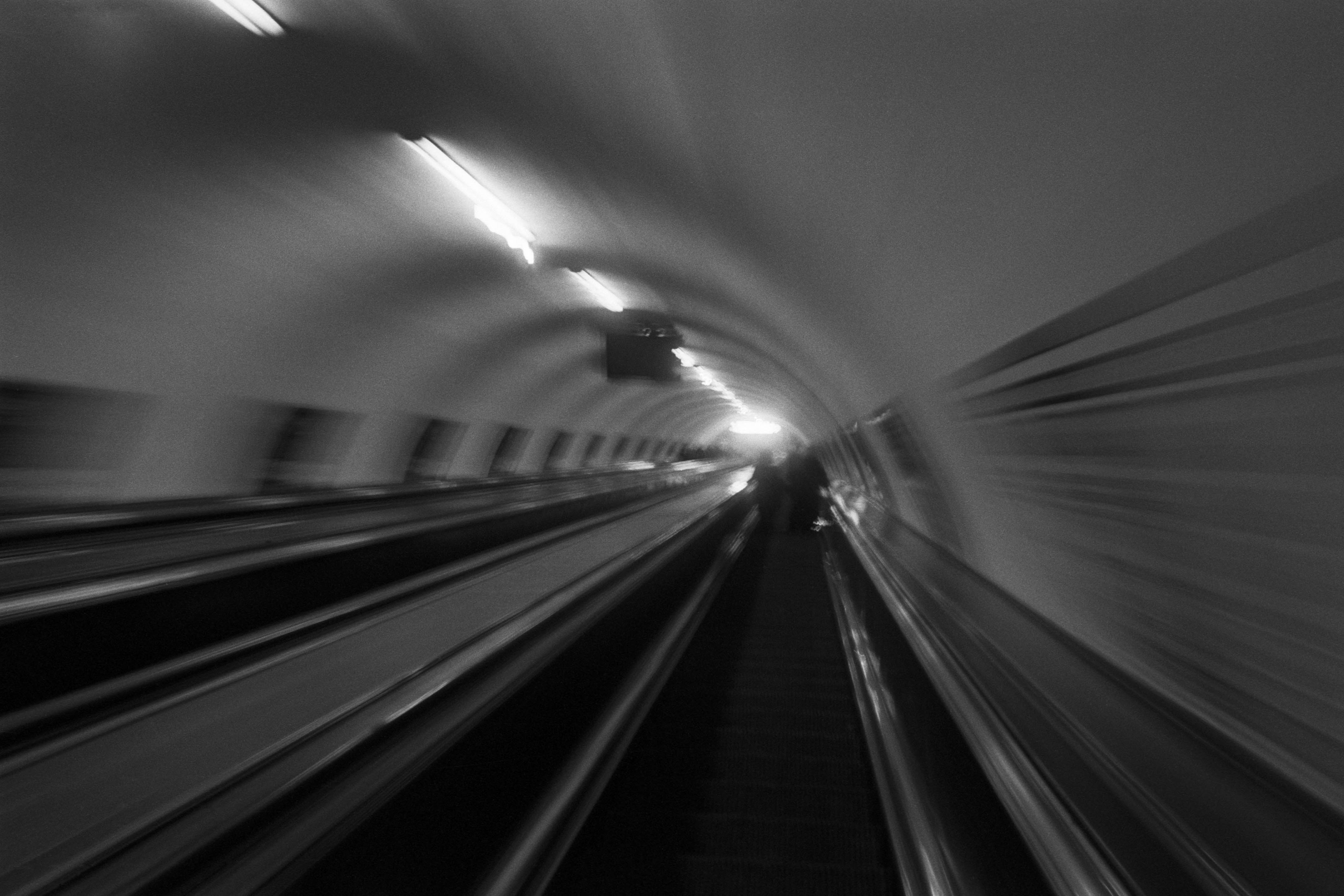
The Wall
2015Winner of the 1st prize & Golden Glass Award at the 11th Photographic Open Championship Olsztyn, and 1st place with the Special Prize of FORMAT magazine at the 3rd Biennial of Art in Piotrków Trybunalski.
View Series →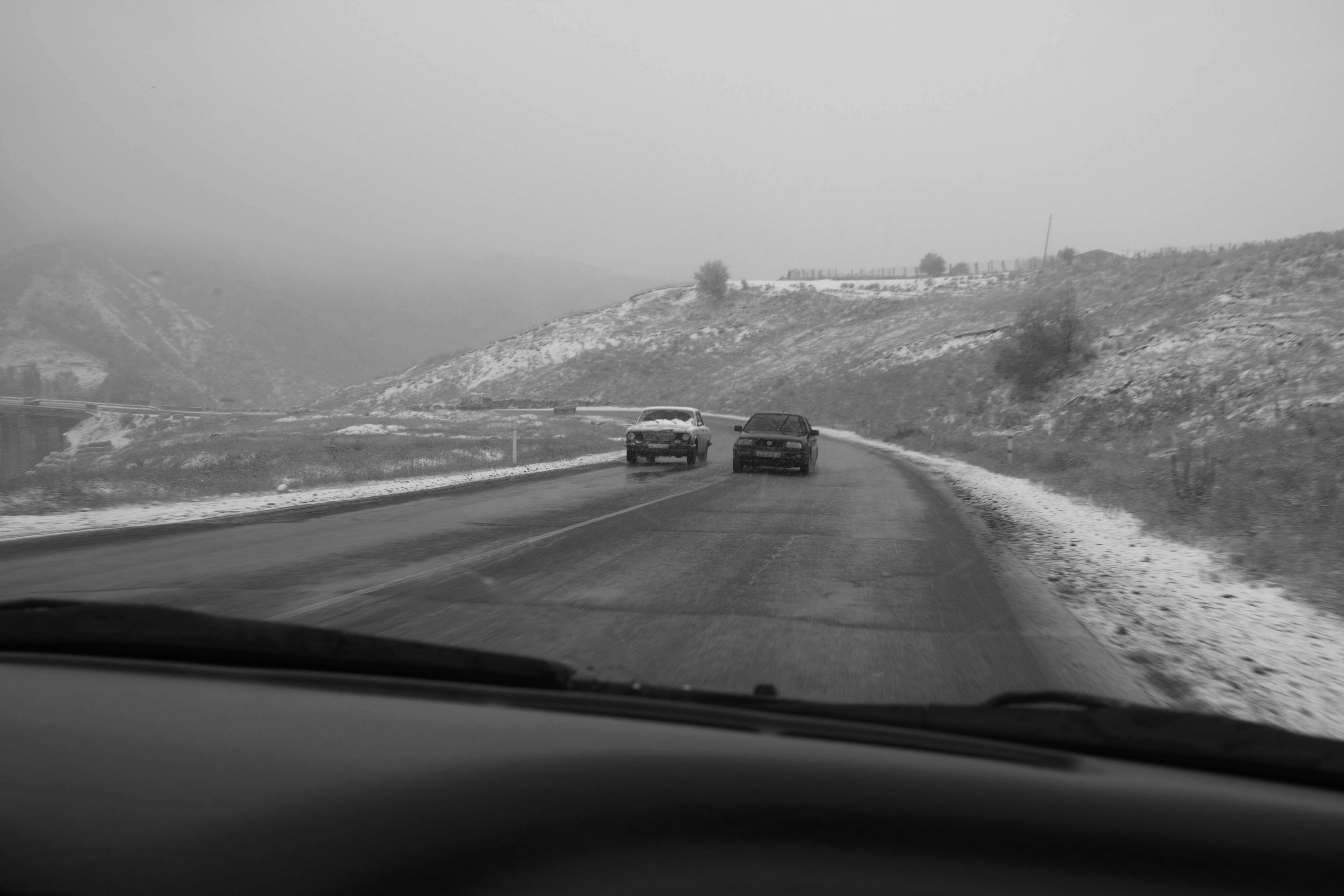
An Engagement Ring
2011A narrative series set in Wrocław in August 2011. Awarded 2nd prize & Silver Glass at the 10th Photographic Open Championship Olsztyn in 2014.
View Series →
Heat Wave
2014A documentary series recording spontaneous events across August and September 2014, capturing the raw energy of a city under the grip of summer.
View Series →