"Photography is not about the thing photographed. It is about how that thing looks photographed."
Exploring the darkroom: a photographer’s sanctuary
A darkroom is a place where photography slows down. Away from notifications, instant previews and endless files, the image emerges through measured gestures: loading film, mixing chemistry, enlarging a negative and watching a print appear beneath the red safelight. The process is physical, quiet and absorbing. Every stage asks for attention, and every mistake remains part of the story.
For Rafal Michalak, analogue photography is not a nostalgic retreat from contemporary practice. It is an active way of thinking about light, texture, time and the character of a subject. Medium-format film brings a calm, deliberate pace to portraiture, fashion and conceptual work, while black-and-white printing reveals structure and emotion without the distraction of colour.
The darkroom also has a particular relationship with place. A photographer working in Wrocław may carry the visual memory of old façades, changing weather, industrial spaces and intimate interiors into the studio. Viewers in Australia might recognise a similar impulse in Melbourne’s laneways, Sydney’s dense urban light or the open, sun-filled environments of Perth and Adelaide. The materials differ less than the atmosphere: every darkroom becomes a personal archive of how its maker sees.
In an age when a photograph can be captured, edited and published in seconds, handmade printing offers another kind of value. It gives the photographer room to test an idea, accept uncertainty and respond to what the negative actually contains. The resulting image may be carefully controlled, but it still carries traces of touch, timing and chance.
The room where light becomes visible
A darkroom is built around a paradox. It must exclude ordinary light while making an image visible. Under a safelight, a sheet of photographic paper appears blank at first. The enlarger projects the negative onto its surface, and the latent image begins to form in the developer tray. A few seconds can change the balance between shadow and highlight, turning a quiet portrait into a dramatic study or flattening its mood entirely.
This process makes exposure feel tangible. In digital photography, adjustments can be made almost invisibly and repeated without consequence. In the darkroom, each print requires paper, chemistry and time. The photographer learns to anticipate results, but also to observe closely. Development becomes a dialogue between intention and evidence.
The physical layout matters as much as the equipment. An enlarger, timer, easel, trays, grain focuser and washing area must work together without unnecessary movement. Many photographers develop a familiar rhythm, moving from enlarger to developer, stop bath, fixer and wash almost instinctively. The room becomes a sanctuary because its boundaries protect concentration.
For Australian photographers, climate can influence that environment. Brisbane and Darwin bring heat and humidity that may affect paper storage, film handling and drying times, while a cool, dry room in parts of Victoria or Tasmania can make materials easier to manage. Consistent storage, ventilation and chemical safety are practical necessities, not minor technical details.
Film as a slower form of attention
Shooting film changes the relationship between photographer and subject before the negative reaches the darkroom. A roll of medium-format film offers fewer frames than a memory card, encouraging careful observation of posture, gesture, background and the direction of light. The pause before releasing the shutter can become part of the collaboration, especially during a business portrait or editorial fashion session.
That pause is valuable in professional work. A corporate portrait often has to communicate confidence without appearing rigid. A fashion image may depend on a small movement of fabric or a fleeting expression. With film, the photographer is less likely to make dozens of nearly identical frames and more likely to build a purposeful sequence. The subject receives clearer direction, and the session can feel more considered.
Black-and-white film has its own visual grammar. Skin becomes a study in tone, while architecture, cloth and hair are defined by contrast and texture. A soft light source can create a gentle range of greys; a harder source can produce strong graphic shadows. Printing then extends the original decision through dodging, burning and selective control of density.
This approach can resonate with the Australian market, where photographers work across commercial campaigns, editorial commissions, galleries and personal branding. A distinctive analogue look can help a portrait stand apart from polished but interchangeable imagery. It can also suit the tactile character of independent magazines, Melbourne creative studios, Sydney cultural organisations and boutique hospitality brands seeking a sense of permanence.
Craft, chemistry and controlled uncertainty
Darkroom printing is often described as a technical process, yet technique is inseparable from interpretation. The choice of developer influences contrast and grain. Paper surface changes the emotional temperature of a print: glossy paper can sharpen detail and deepen blacks, while fibre-based matte paper may create a quieter, more tactile object. Even the final wash and drying method affect how the photograph feels in the hand.
A print is rarely perfect on the first attempt. The photographer may create a test strip, identify a distracting highlight, adjust the exposure and print again. Dodging can protect detail around a face; burning can give a sky greater weight or draw attention towards a central figure. These interventions do not necessarily make the photograph less truthful. They reveal that every photographic image is shaped through choices.
Uncertainty is part of the attraction. Film may contain dust, scratches, uneven development or unexpected tonal transitions. A paper emulsion may react differently from the previous batch. Instead of treating these variations as defects, an artist can decide whether they contribute to the work’s character. The darkroom offers control, but it also leaves space for discovery.
Safety remains essential. Photographic chemicals should be labelled, stored correctly and handled with suitable ventilation and protective equipment. In Australia, disposal requirements can vary by state and local council, particularly for solutions containing silver. A home darkroom should never send concentrated chemistry down the drain without checking the relevant local guidance. Responsible practice protects the photographer, the household and the wider environment.
From analogue negative to contemporary image
Working with film does not require rejecting digital tools. A negative can be scanned at high resolution, carefully retouched and prepared for a website, exhibition, advertising campaign or archival file. The digital stage can preserve the character of the original exposure while making the image adaptable to modern publishing and production requirements.
The important distinction is between translation and replacement. A scan should retain the tonal structure, grain and imperfections that make the negative distinctive. Excessive smoothing, aggressive sharpening or generic presets can erase the very qualities that attracted the photographer to analogue materials. Digital editing is most effective when it supports the print rather than disguises it.
Hybrid workflows are particularly useful for commercial commissions. A business portrait may be captured on medium-format film to achieve depth and presence, then delivered in formats suitable for LinkedIn, annual reports, websites and press use. A fashion series might exist as darkroom prints for a gallery while also becoming a carefully colour-managed digital campaign.
Australian clients also need clarity around usage. The Copyright Act 1968 generally gives the creator copyright in an original photograph, unless an agreement or employment arrangement changes that position. A commission should specify licensing, duration, territory, media and whether the client receives exclusive rights. These details matter in a market where one image may move from a printed brochure to social media, outdoor advertising and a national website.
Portraits, fashion and conceptual stories
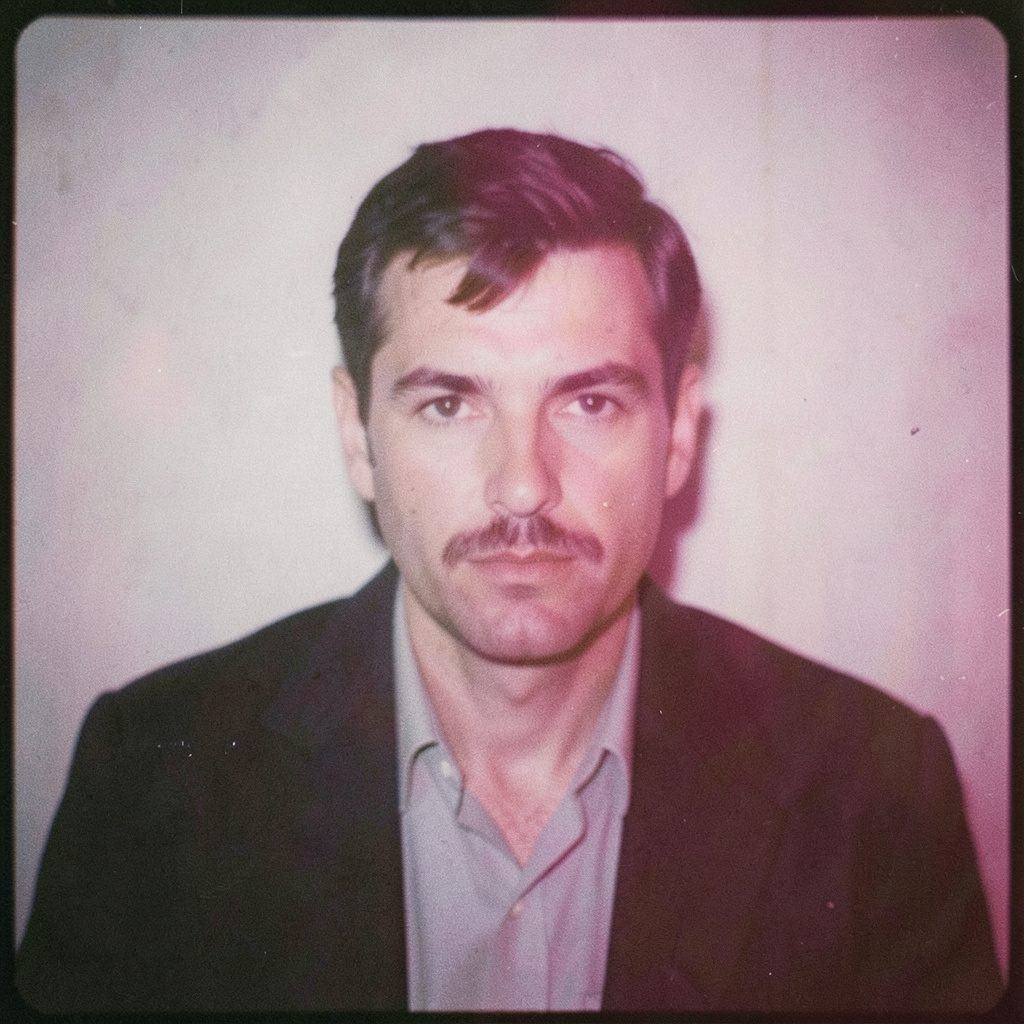
The darkroom can deepen a portrait because it encourages attention to presence rather than surface perfection. Fine lines, uneven skin tone and a thoughtful expression are not automatically problems to be corrected. They can communicate experience, authority and individuality. For executive portraits, artists, founders and performers, this honesty may create a stronger connection than a heavily polished headshot.
In fashion photography, analogue methods bring material awareness. Film responds to silk, wool, denim and reflective surfaces in distinctive ways. A garment’s folds can become graphic forms, while movement can produce a subtle blur that feels expressive rather than accidental. The photographer can shape the series through location, styling, lighting and printing, creating cohesion beyond a single striking frame.
Conceptual photography often benefits from the darkroom’s capacity for ambiguity. Multiple exposures, altered negatives, photograms, solarisation and experimental printing can turn a straightforward observation into something less literal. These methods can suggest memory, displacement, identity or the passage of time without explaining every meaning.
Australian settings offer rich possibilities for this kind of work. Harsh coastal sunlight, weathered suburban materials, eucalyptus textures and the colour shifts of desert landscapes can all support a visual concept. A series made in Sydney may focus on reflective glass and compressed urban space; one made near Hobart may draw on mist, timber and subdued winter light. Location becomes more than a backdrop when it is interpreted through a consistent photographic language.
The lasting life of a handmade print
A digital image often exists primarily as a screen experience, but a darkroom print occupies physical space. Its scale, surface and edge affect how it is encountered. A viewer may notice the depth of a black tone, the softness of fibre paper or the slight variation between two prints from the same negative. These qualities give the photograph an object-like presence.
Archival care supports that longevity. Fibre-based prints require thorough washing and suitable drying, while finished works should be stored away from excessive humidity, direct sunlight and acidic materials. Framing should use conservation-quality materials where possible. In Australia, coastal humidity and strong ultraviolet light make environmental control particularly important for collectors and galleries.
A print can also carry a record of its making. Edition information, paper type, process, date and signature help establish its identity. For commissioned work, documentation can clarify whether the object is a one-off, part of a limited edition or a working print. Galleries, collectors and commercial clients each need different forms of information, but all benefit from careful provenance.
The darkroom remains relevant because it transforms photography into an encounter with time. It asks the maker to work slowly, to accept material evidence and to recognise that an image is more than a file. From Wrocław to Melbourne, Sydney or Perth, the sanctuary is created through the same commitment: looking closely, making deliberate choices and allowing light to reveal what cannot be rushed.
Selected Series
A cross-section of commissioned and personal projects spanning fine art, commercial, and conceptual work.
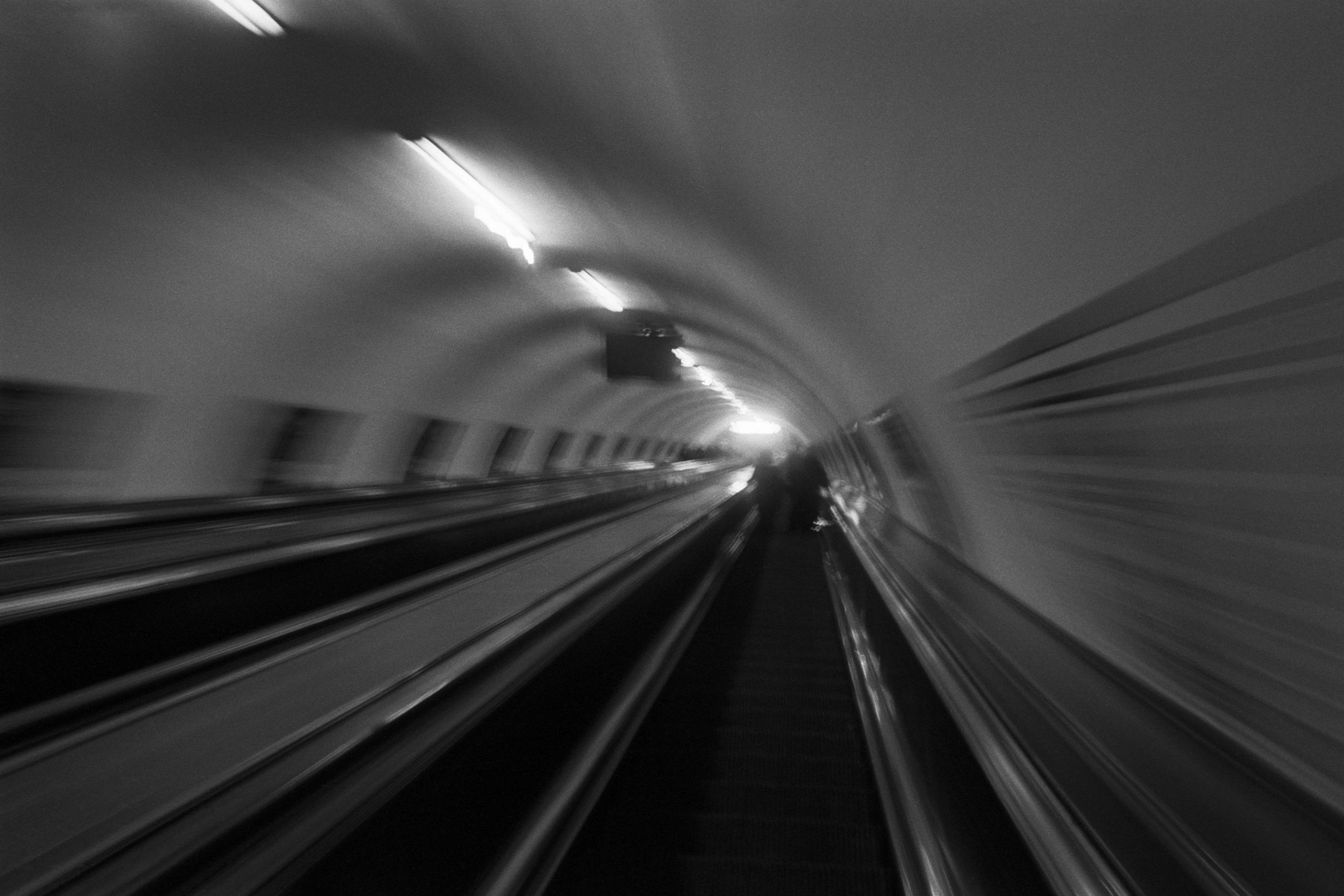
The Wall
2015Winner of the 1st prize & Golden Glass Award at the 11th Photographic Open Championship Olsztyn, and 1st place with the Special Prize of FORMAT magazine at the 3rd Biennial of Art in Piotrków Trybunalski.
View Series →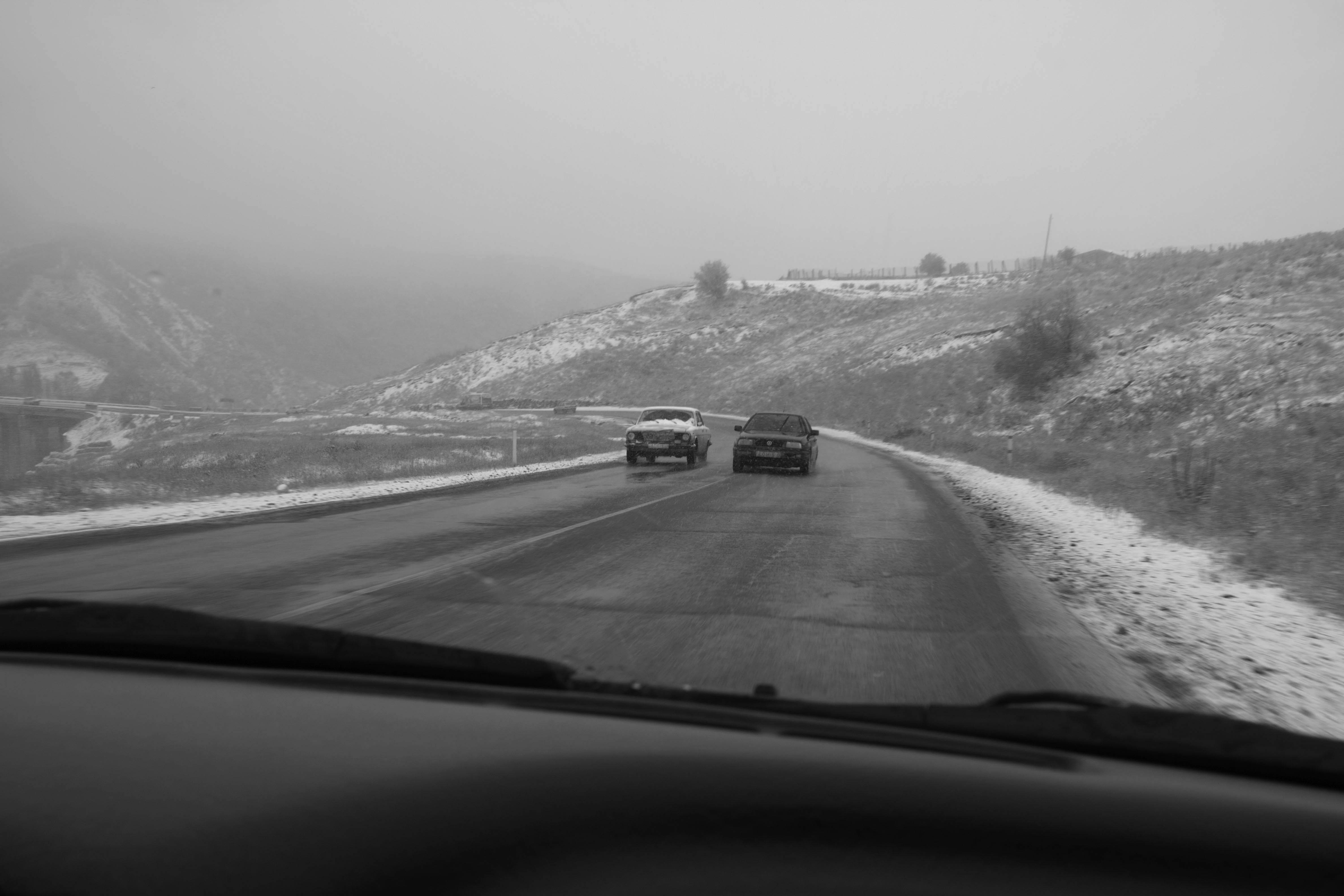
An Engagement Ring
2011A narrative series set in Wrocław in August 2011. Awarded 2nd prize & Silver Glass at the 10th Photographic Open Championship Olsztyn in 2014.
View Series →
Heat Wave
2014A documentary series recording spontaneous events across August and September 2014, capturing the raw energy of a city under the grip of summer.
View Series →