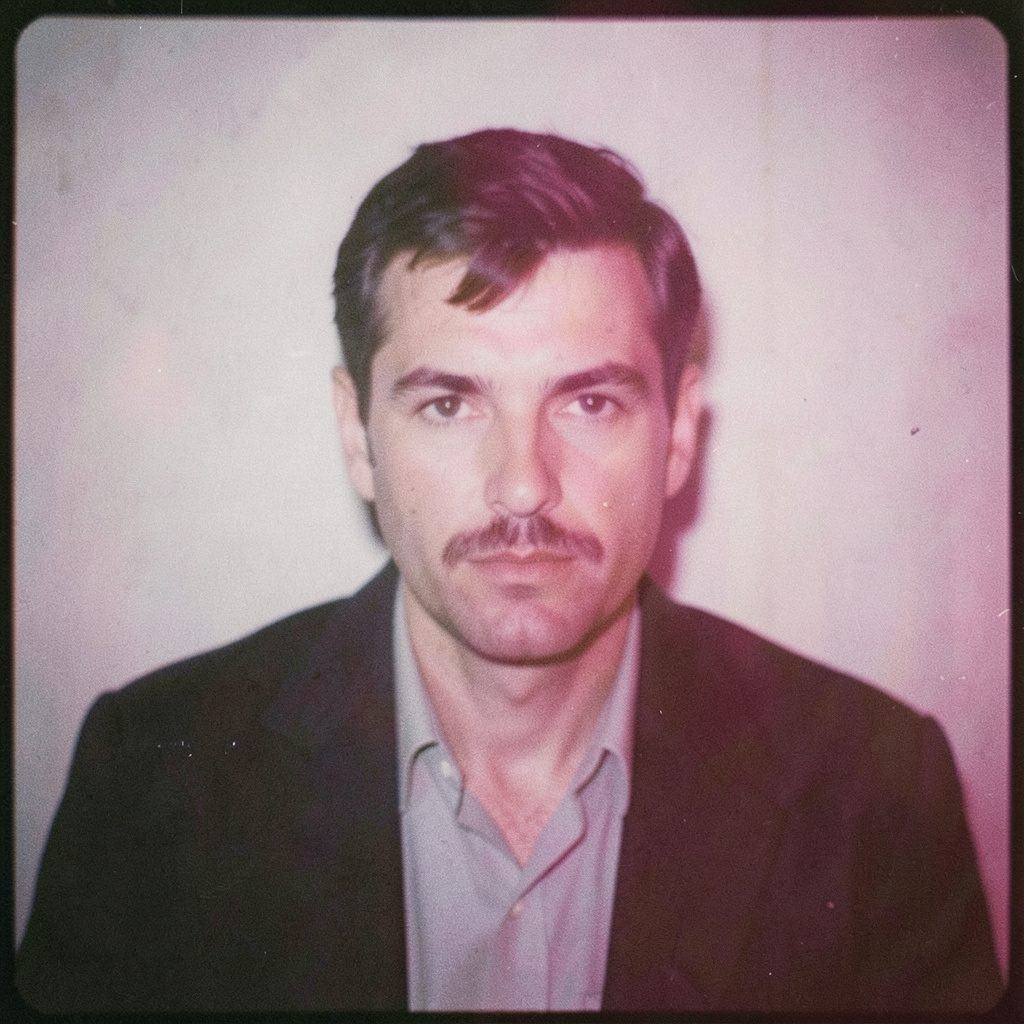
"Photography is not about the thing photographed. It is about how that thing looks photographed."
Exploring the Wrocław art scene through my lens
Wrocław is a city of shifting surfaces. Its medieval centre, post-industrial districts, river islands and contemporary galleries exist within a compact urban landscape, yet each area carries a different tempo. Walking with a camera reveals those changes gradually: a reflection in the Odra, a faded sign in Nadodrze, a figure crossing a tram stop, or the quiet geometry of a courtyard hidden behind a busy street.
My relationship with the city is shaped by observation rather than sightseeing. I am interested in the point where public life becomes personal, where architecture suggests a memory and where a passing gesture changes the character of a frame. The Wrocław art scene offers an especially rich setting for this approach because galleries, studios, theatres, independent venues and informal creative communities often overlap.
Exploring the Wrocław art scene through my lens means working between documentary attention and constructed image-making. Some photographs begin with a real encounter, while others develop through styling, location, lighting and deliberate composition. In both cases, the city remains an active participant rather than a neutral background.
This perspective can also speak to viewers far beyond Poland. Someone familiar with Melbourne’s laneways, Sydney’s gallery districts or Brisbane’s riverfront may recognise the same creative energy in a different visual language. The details are local, but the experience of finding beauty in an ordinary urban moment is widely shared.
A city built from contrasts
Wrocław contains several visual identities at once. The Market Square offers ornate façades, tourists and formal perspectives, while nearby streets can feel intimate, worn and spontaneous. Across the river, Ostrów Tumski introduces bridges, stone surfaces and changing light. Nadodrze brings another atmosphere, with older tenements, workshops, murals and the visible marks of renewal.
These contrasts are valuable for a photographer because they prevent a single interpretation of the city. A polished façade can sit beside peeling paint; a carefully restored building can frame an improvised poster. I often look for such friction rather than visual perfection. It gives an image a sense of time and allows the viewer to imagine what existed before the moment was captured.
Wrocław’s public spaces also encourage movement. Trams cut through the frame, cyclists pass along the river and people gather around cafés, cultural venues and small events. I watch for relationships between bodies and structures: the way a person becomes briefly aligned with a doorway, or how a group’s shadows transform a plain wall into a theatrical scene.
From street observation to artistic series
A single photograph can record a place, but a photographic series can interpret it. When I return to the same neighbourhood, I begin to notice patterns that would be invisible during a single visit: repeated colours, recurring forms, similar gestures and the gradual change of light across the seasons. These observations become the foundation for conceptual photographic work.
My fine art projects often combine location, portraiture and symbolism. A subject may be placed within an architectural setting to suggest isolation, transition or belonging. An object found in the city can become a visual motif, while an empty street may carry the emotional weight of a portrait. The image does not need to explain everything. Its role can be to open a space for association.
This method has a natural connection with contemporary art practice. Wrocław’s creative environment includes painting, theatre, design, performance and experimental installation, and these disciplines influence the way I frame photographic ideas. I am drawn to images that have the stillness of a gallery work but retain the irregularity of lived experience.
The city also offers a useful resistance to overproduction. A cracked wall, a narrow stairwell or a simple window can provide more atmosphere than an elaborate set. By paying attention to what is already present, I can create work that feels connected to place rather than imposed upon it.
The tactile language of film
Analogue photography slows the process down. Medium-format film encourages careful composition, while black-and-white film directs attention towards shape, contrast and texture. Each exposure carries a physical limitation, and that limitation can make the act of photographing more deliberate. I have to decide what belongs in the frame before pressing the shutter.
The darkroom remains an important reference point even when a final image passes through a digital workflow. Dodging, burning, tonal control and the interpretation of a negative all require patience. The image is shaped through a sequence of decisions rather than produced instantly. That sense of touch is central to my understanding of photographic craft.
I am also fascinated by processes that connect images with handmade surfaces. When a design needs to be transferred to wood or another material, a pounce wheel method demonstrates how a simple physical tool can preserve the character of a drawing. Similar principles inform my photography: texture, pressure and material presence can give an image a more human register.
Digital tools remain valuable for editing, archiving and preparing work for publication or commercial use. I do not treat analogue and digital methods as opposing camps. They are different stages in a wider practice, and the most effective approach depends on the story, subject and intended audience.
Portraits shaped by place
A business portrait should communicate confidence without erasing personality. In Wrocław, I may use an office, studio, street or industrial interior as part of the portrait’s visual language. The surroundings provide context, while the subject’s expression, posture and relationship with light establish the emotional tone.
This is particularly relevant for professionals working across international markets. A founder, architect, designer or consultant may need images that feel credible on a website and distinctive in an editorial setting. A generic headshot can be technically competent yet visually forgettable. Environmental portraiture gives the viewer a clearer sense of the person behind the role.
The same principle applies to fashion photography. Clothing interacts with the city’s surfaces, weather and architecture. A structured garment may echo a concrete façade, while softer styling can create an interesting counterpoint to tram lines or industrial metal. Wrocław becomes part of the styling without turning into a simple location backdrop.
For clients in Australia, the cultural setting may be different, but the commercial need is familiar. A Melbourne creative director, Sydney performer or Brisbane entrepreneur often needs images that can move between a portfolio, LinkedIn profile, press feature and campaign. Strong location portraiture provides flexibility while retaining a clear artistic identity.
Events, movement and atmosphere
Event photography requires anticipation. The most meaningful frame may occur between formal moments: a speaker preparing backstage, a group leaning into conversation, or a fleeting reaction in the audience. I look for relationships and atmosphere rather than recording every stage of the schedule.
Wrocław’s cultural events provide varied visual conditions, from intimate openings in independent galleries to large public programmes and performances. Low light, mixed colour temperatures and crowded rooms can create technical difficulties, yet they also produce energy. A carefully timed exposure can preserve movement and allow the environment to participate in the story.
The approach has parallels with Australia’s event market, where photography is often commissioned for launches, conferences, festivals and cultural programmes. In Sydney, a corporate event may take place in a bright waterfront venue; in Perth, an arts gathering may use a converted warehouse; in Melbourne, a gallery opening may spill into a laneway. Each setting demands technical awareness and social sensitivity.
Good event coverage should feel present without becoming intrusive. I work quietly, maintain awareness of personal space and avoid interrupting genuine interactions. The strongest images often come from allowing a scene to develop naturally, then responding at the right instant.
Reading the city as a visual archive
Every city carries an archive in its surfaces. In Wrocław, layers of architecture and changing ownership have left traces in signage, façades, streetscapes and public memory. Photography can preserve these details without reducing them to nostalgia. A contemporary image may acknowledge history while remaining attentive to current life.
I am interested in the ordinary evidence of change: a repaired doorway, a new mural beside an old advertisement, a temporary construction barrier or a shopfront adapted for a different purpose. Such details reveal how neighbourhoods evolve. They also challenge the idea that urban beauty depends on monumentality.
This way of working can be useful for brands and organisations that want a stronger sense of place. A company portrait series, editorial commission or cultural campaign becomes more distinctive when it is grounded in the character of its surroundings. Rather than borrowing an anonymous visual style, the work can draw from the city’s actual materials and rhythms.
My portfolio brings these approaches together across fine art and commercial photography. The Rafal Michalak Photography website presents selected portraits, fashion images, events and conceptual series, showing how a consistent photographic sensibility can adapt to different assignments.
Looking carefully at familiar places
Photographic discovery does not require constant travel to new locations. Returning to a familiar street can reveal a different image after rain, at dusk or during a quieter part of the day. The act of looking changes the place because attention identifies relationships that routine usually hides.
For an Australian audience, this may feel familiar in a local way. The morning coffee ritual in Melbourne, weekend markets in Brisbane or the changing light across Sydney’s older suburbs can become visual material when approached with patience. Local customs and daily patterns often offer more authentic subject matter than an attempt to imitate international trends.
The same principle guides my work in Wrocław. I do not photograph the city only as a visitor would see it. I return to locations, follow small visual clues and allow the project to develop through repetition. A bridge becomes more than a bridge; it becomes a line, a threshold, a meeting place or a marker of time.
Practical principles behind my visual approach
- Spend time in one neighbourhood before moving to another, allowing its visual language to emerge.
- Look for contrasts between restored architecture, working spaces and temporary urban details.
- Use natural light when it strengthens the mood, rather than adding equipment automatically.
- Let a portrait retain some connection to the subject’s environment and daily reality.
- Edit a series for rhythm, texture and emotional progression instead of selecting images in isolation.
This kind of attention creates photographs with a durable connection to place. Whether the final work is printed in a gallery, commissioned for a business or shared in an editorial feature, its strength comes from seeing clearly before making the image. Wrocław provides endless material for that process: layered, tactile, changeable and full of quiet encounters.
Selected Series
A cross-section of commissioned and personal projects spanning fine art, commercial, and conceptual work.
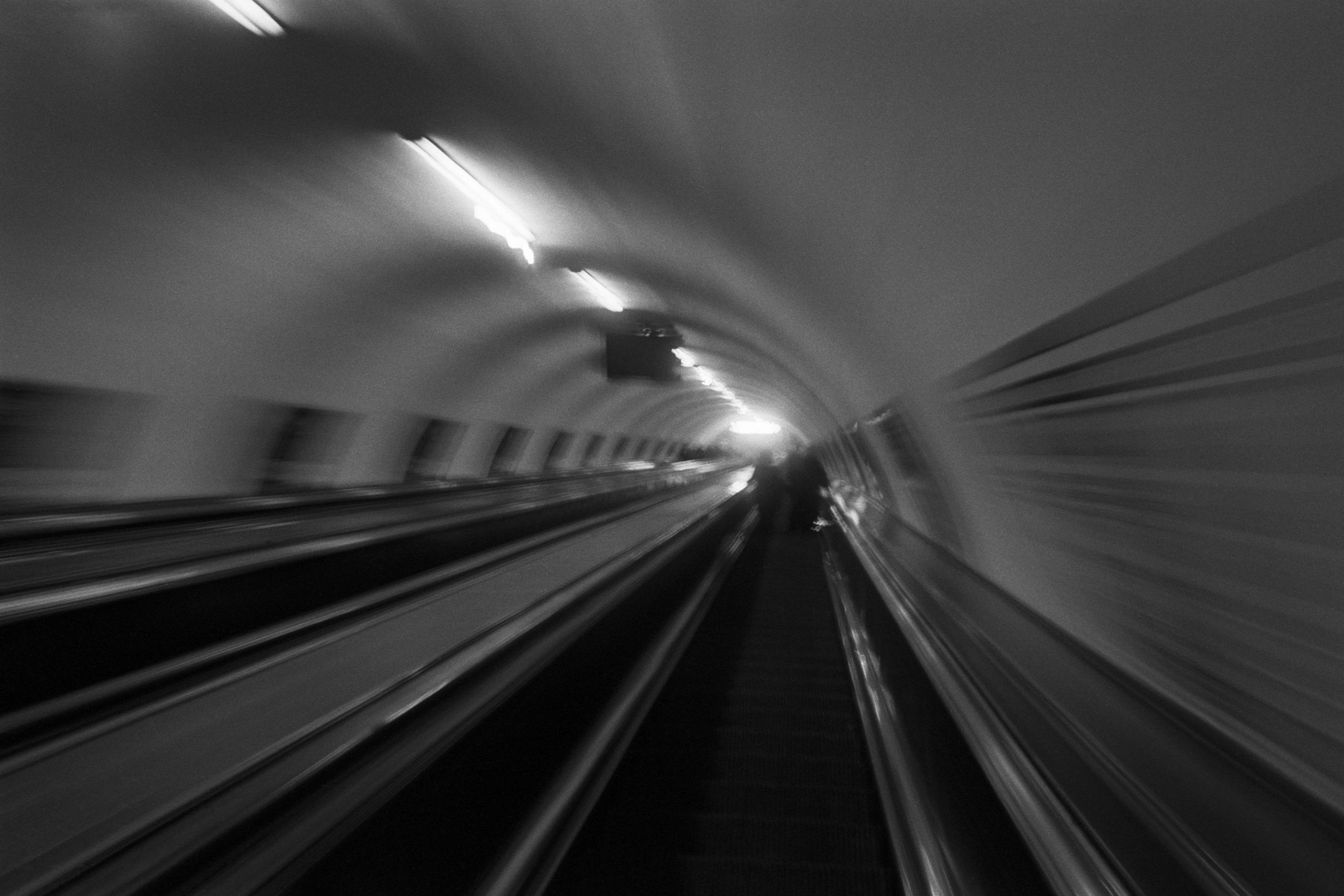
The Wall
2015Winner of the 1st prize & Golden Glass Award at the 11th Photographic Open Championship Olsztyn, and 1st place with the Special Prize of FORMAT magazine at the 3rd Biennial of Art in Piotrków Trybunalski.
View Series →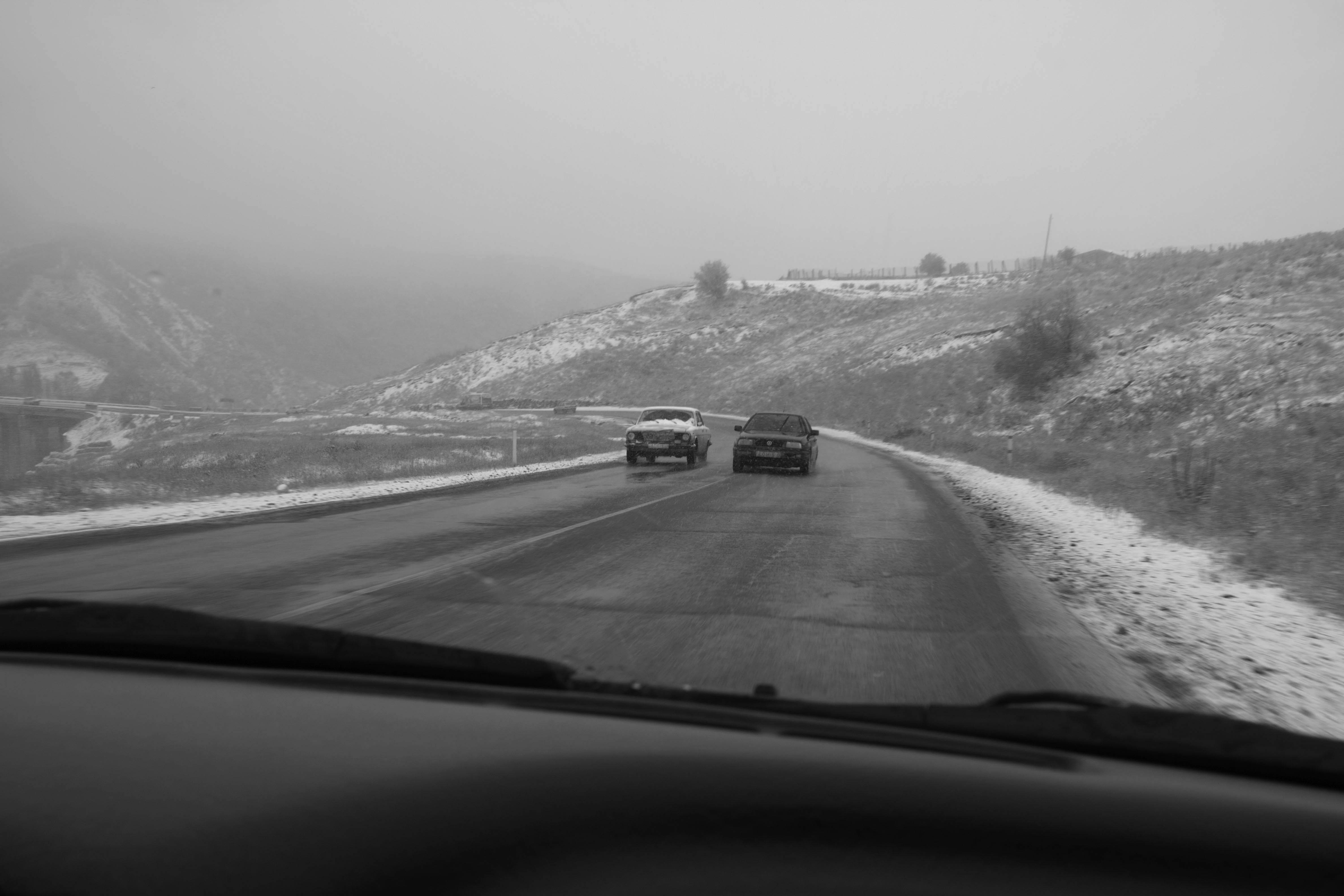
An Engagement Ring
2011A narrative series set in Wrocław in August 2011. Awarded 2nd prize & Silver Glass at the 10th Photographic Open Championship Olsztyn in 2014.
View Series →
Heat Wave
2014A documentary series recording spontaneous events across August and September 2014, capturing the raw energy of a city under the grip of summer.
View Series →