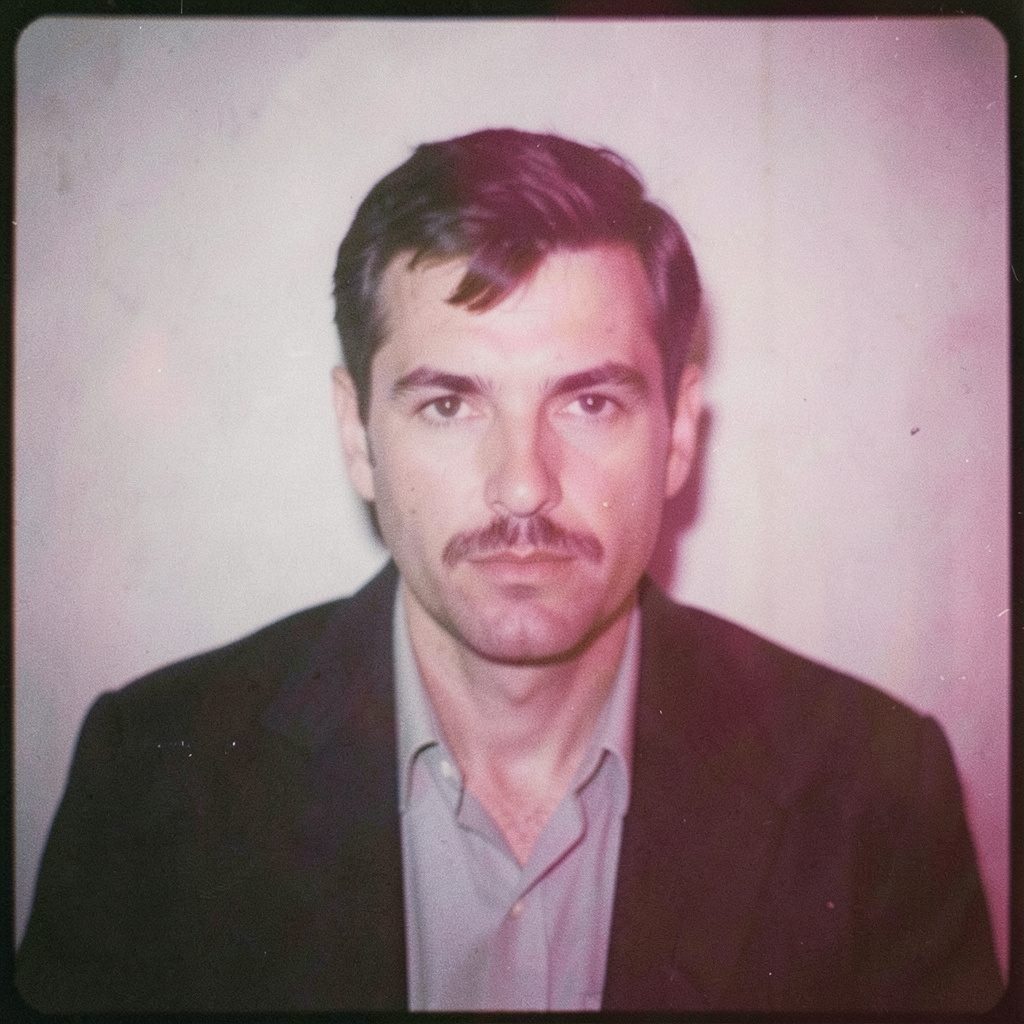
"Photography is not about the thing photographed. It is about how that thing looks photographed."
A photographic study of the Wrocław riverbank
Exploring the Wrocław riverbank as a photographic location starts with the river’s role in the city’s physical and emotional map. The Odra does not simply edge Wrocław; it threads between the historic centre, islands, quays and former industrial districts. At street level, stone embankments, mature trees, bridge approaches and tram lines reveal it as working urban infrastructure. A photographer can frame the river through broad panoramas, compressed details or human gestures, with each approach changing the place’s meaning.
For award-winning Wrocław-based photographer Rafal Michalak, that mixture of history and daily motion supports both fine art and commercial assignments. A portrait can take place beside the water without becoming an anonymous office image, fashion can borrow the geometry of a bridge, and an event can gather reflections from nearby glass. Medium-format film, black-and-white emulsion and darkroom-controlled contrast give the riverbank a tactile quality, while digital workflows allow precise colour studies and practical delivery. The location comes into focus through observation rather than a fixed list of landmarks.
Reading the riverfront as a visual narrative
The riverfront divides into distinct visual chapters. Around Sand Island, the channel feels enclosed, with brick façades, narrow lanes and bridge masonry pressing close to the water. The Dominican Boulevard, Bulwar Piotra Włostowica and riverside spaces near the Salt Market open the view in another direction, revealing longer lines along the quay and the city’s relationship with the Oder. Further downstream, working edges, port structures and older industrial buildings replace the polished centre. Each zone offers different textures, movement and opportunities for visual contrast.
Cathedral Island adds a quieter, more architectural register. Its bridges, embankments and sightlines create a sequence in which a figure can move from foreground shadow into bright water or beneath historic stonework. The river also links these places to the University district and nearby terraces, where the eye passes between domestic windows, trees and passing trams. Looking outward from the opposite bank adds the panorama; looking down from a bridge isolates the surface, where drifting leaves and small waves become abstract subjects.
The most useful stories often join scales. A wide frame might place pedestrians against the river and distant rooftops, while a tighter image records a hand on the parapet, a cyclist crossing reflected light or rain gathering along the wall. Proximity to traffic gives the bank its rhythm: trams, cyclists, joggers, vendors and commuters repeatedly interrupt the formal view. These interruptions can give static architecture a sense of time, showing a city in use rather than preserved under glass.
Scouting landmarks, banks and overlooked details
Scouting works best as a sequence of slow passes. The first visit should establish where the sun falls, which paths remain open and how the embankment changes after rain. Public transport makes many transitions easy, but bridge approaches, steps and cobbles can complicate trolley cases or heavy lighting. A low tripod and a small lens kit often solve these practical limits. Commercial teams also need to distinguish a freely accessible public promenade from managed grounds, port areas or spaces attached to a venue, because permission can change how a crew works.
Different hours reveal different subjects. Early morning can favour clean reflections and low pedestrian volume; late afternoon creates long shadows from trees, railings and bridge piers. Winter light in Wrocław is often cool and restrained, while summer vegetation softens the hard stone. Overcast days are valuable rather than merely dull: they reduce contrast across façades and place attention on tonal separation, silhouette and wet surfaces. A scout should return at more than one season if the proposed series depends on foliage, water level or a particular atmosphere.
Recce photographs should record both the intended frame and its surrounding geography. Looking beyond the shot shows where spectators, traffic or maintenance access might intrude, while details of the pavement reveal whether a model can stand safely and whether a camera can operate at a useful height. This is where a location-specific visual plan begins to emerge. Michalak’s photographic biography also situates his practice within Wrocław, connecting the city’s architecture and documentary culture to the conceptual approach he brings to commissioned photography.
Building a shoot around changing light
Light is the central variable along the Odra. The river’s broad surface can carry a pale sky into a shadowed street, leaving faces modelled by reflected light rather than direct sun. On the western and eastern banks, façades catch illumination at different times, so a portrait may require patience with position. The low winter sun can reach deeper between buildings, whereas summer sun travels higher and produces stronger highlights. Watching how those highlights travel across sandstone, concrete and painted metal helps select locations that support the story rather than simply provide a recognisable view.
For black-and-white film, the tonal design deserves special attention. Bright water can anchor a dark bridge, pale clothing can merge with the sky, and foliage may interrupt a clean silhouette. Exposing for the highlight preserves detail while allowing shadow to hold the emotional weight of the frame. A medium-format camera offers enough control for deliberate placement and subtle focus transitions. Digital capture is equally valuable when the brief calls for colour precision, quick variations or a blend of still and motion imagery.
Weather introduces useful contingency. Rain darkens wood and paving, sharpens reflections and creates a clean separation around moving figures. Fog can suppress the far bank and turn bridges into graphic shapes, while a brisk wind adds movement to coats, trees and river texture. These conditions reward a small, mobile crew that can adapt without rebuilding the whole setup. Long exposures can turn passing trams or walkers into soft traces; a shorter shutter speed can make the same traffic legible and energetic. The chosen technique should clarify how the place feels.
Translating the location for Australian audiences
An Australian client planning a related campaign needs to account for the change in latitude and light. Sydney, Melbourne, Brisbane and Adelaide each have their own coastal brightness, seasonal rhythm and prevailing weather, and these differences affect how a team reads European locations. In Australia, strong sun can create harder contrast than the soft river light photographed in Wrocław, while the southern seasons reverse the timing of foliage and long evenings. Photographers moving between hemispheres should test polarisers and colour profiles on location, especially for fashion, hospitality and architectural work.
Australian public-space habits also shape a shoot. Café terraces, dog walkers, school groups, weekend markets and fitness clubs make waterfronts active rather than quiet, particularly around Sydney’s harbour and Melbourne’s parks. Local councils and state land authorities may require permits for commercial activity on public land, so crew size, equipment and pedestrian access can matter as much as the shot list. Australian agencies and direct-to-consumer brands often favour adaptable visual content for social media, retail displays and campaign pages, making the same location useful in several aspect ratios without turning it into a static advertisement.
The legal setting deserves an early check as well. The Privacy Act 1988 and applicable state or territory privacy laws can affect how identifiable people are handled in commercial work, while the Copyright Act 1968 governs ownership and licensing of photographs. Releases, music clearances and image-use terms should be settled before publication, even where a scene was photographed in public. CASA drone rules add another layer: registration may be required, flights near people are restricted, and paid aerial work may need a remote operator certificate. A visual project resource offers one way to organise those creative and administrative dependencies before production begins.
From location study to finished photographic series
Once the location is understood, the shoot can become a coherent photographic series. One approach is to organise images by river crossings: the enclosed channel near Sand Island, the architectural threshold at Cathedral Island, the active central embankments and the more industrial downstream edge. Each chapter needs a dominant frame, supporting details and at least one scene with human activity. The structure should permit individual pictures to stand alone while still giving the portfolio a sense of movement. This is especially valuable when the work must address both an artistic audience and a commercial buyer.
Editing then becomes an act of sequencing rather than simple selection. A black-and-white group can move from broad geography toward gesture, followed by colour images that introduce reflected sky or warm evening light. Repetition of shapes—bridge arches, railings, windows, horizontal waterlines—can carry visual continuity across different places. Medium-format negatives and carefully printed contact sheets support this kind of assessment, while digital files allow crops and tonal matching to be tested. Keeping a full record of lens, aperture, film stock and weather also makes the final series credible as a study of a specific place and period.
The finished body of work should retain traces of the riverbank’s actual life: a tram caught between reflections, a formal jacket softened by the open sky, rain on a stone parapet, or a solitary walker dwarfed by a bridge. These details connect conceptual photography to the visible city and give commercial work a credible sense of place. The location’s strength lies in its capacity to hold several narratives at once—historic and contemporary, still and active, local and cinematic. A carefully built series turns those tensions into photographs that feel observed rather than manufactured, and it shows why the Wrocław riverbank remains such a rewarding subject for both personal and commissioned work.
Selected Series
A cross-section of commissioned and personal projects spanning fine art, commercial, and conceptual work.
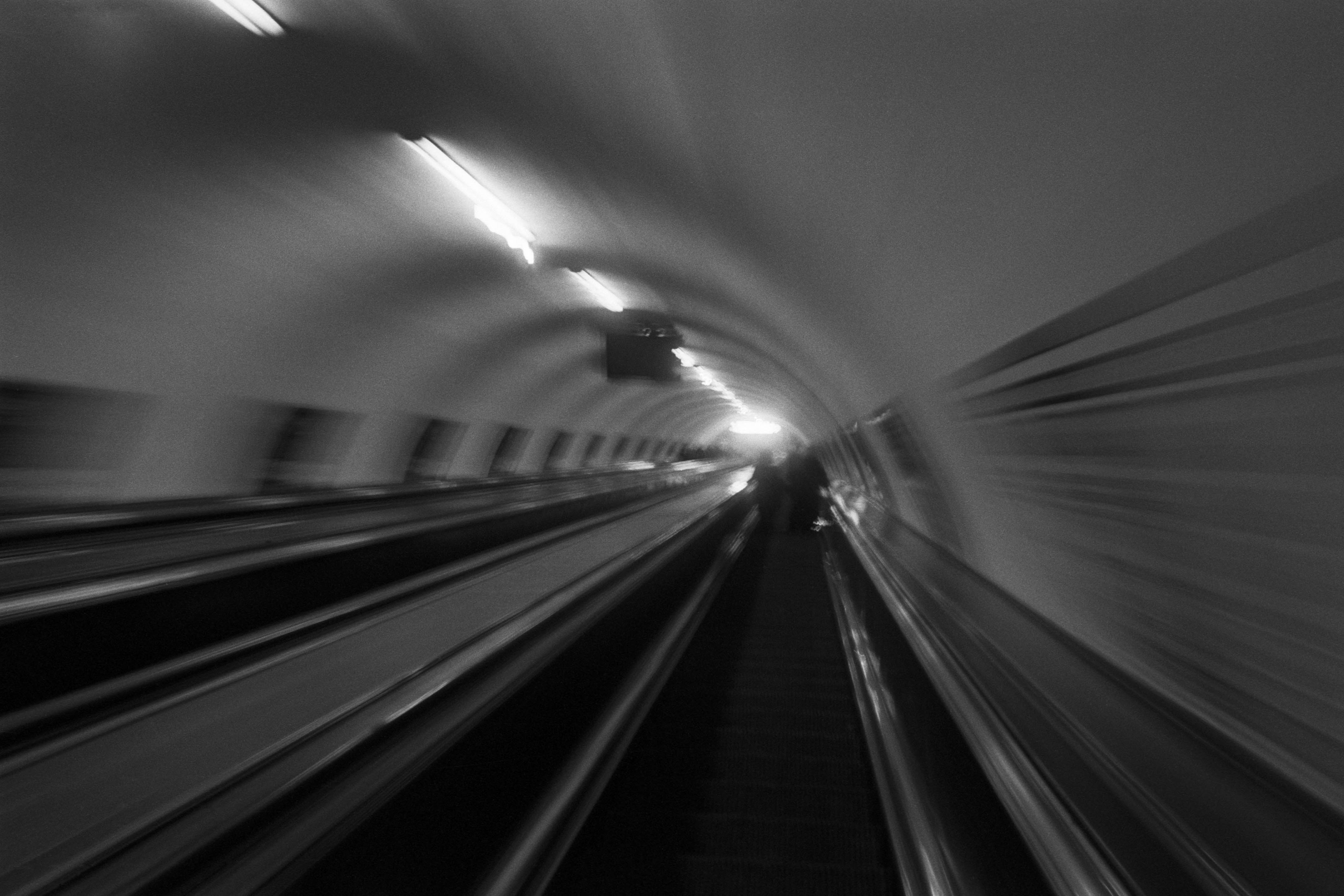
The Wall
2015Winner of the 1st prize & Golden Glass Award at the 11th Photographic Open Championship Olsztyn, and 1st place with the Special Prize of FORMAT magazine at the 3rd Biennial of Art in Piotrków Trybunalski.
View Series →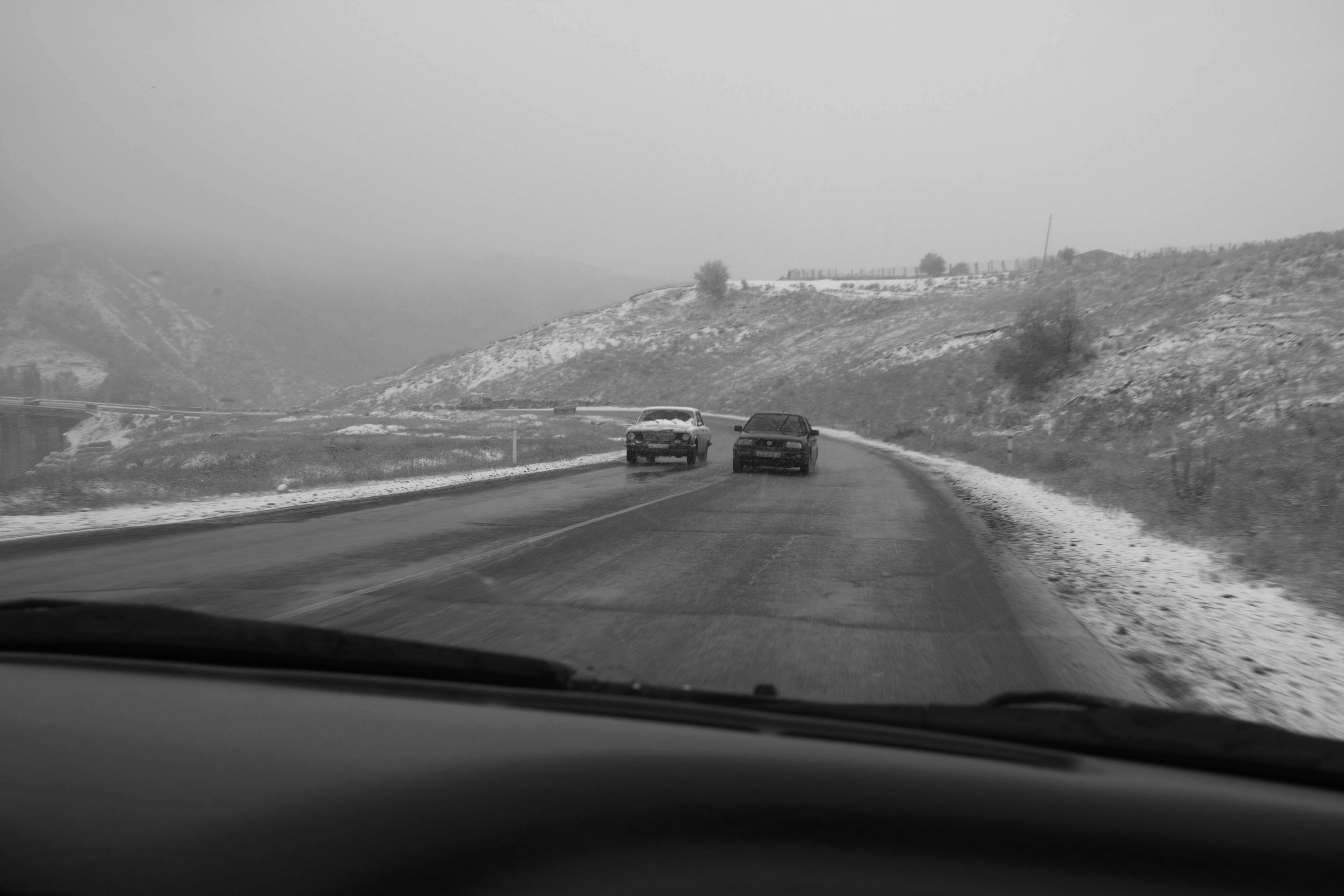
An Engagement Ring
2011A narrative series set in Wrocław in August 2011. Awarded 2nd prize & Silver Glass at the 10th Photographic Open Championship Olsztyn in 2014.
View Series →
Heat Wave
2014A documentary series recording spontaneous events across August and September 2014, capturing the raw energy of a city under the grip of summer.
View Series →