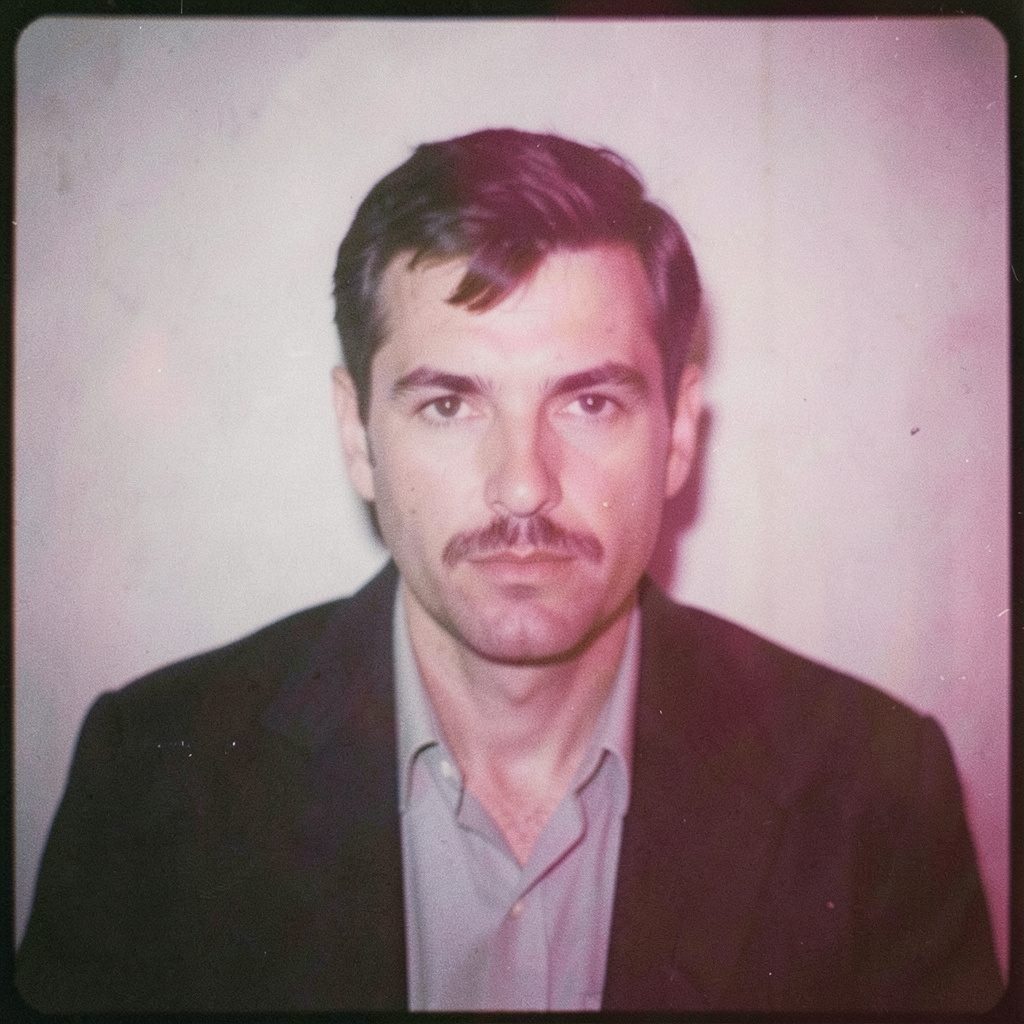
"Photography is not about the thing photographed. It is about how that thing looks photographed."
Everyday Urban Landscapes as a Source of Inspiration
City photography can begin with a familiar route rather than a famous viewpoint. A worn pedestrian crossing, the seam between two building materials, or a bent street sign can carry more visual information than a skyline when photographed with patience. These incidental details turn streets into layered records of movement, labour, weather and design. The reward comes from learning how to let small evidence suggest a larger story.
Finding inspiration in everyday urban landscapes is less a matter of chasing novelty than noticing relationships. Repeated windows, temporary fencing and pools of reflected light can establish rhythm, while a person entering the frame can shift scale and narrative. For an award-winning photographer based in Wrocław, Poland, that attentive approach connects fine-art practice with the practical demands of commercial commissions: both begin with close observation, deliberate framing and a clear response to place.
City streets as a visual archive
An urban street is never merely a route between destinations. It is also a record of decisions made by planners, builders, councils, businesses and residents. Kerbs indicate transport habits; shadows reveal the orientation of a building; repaired surfaces show where daily life has placed the greatest stress. Photographing these features can transform an ordinary block into a study of how a city functions and how its appearance changes over time.
Wrocław offers a particularly rich combination of historic and contemporary elements. Around the old town, restored façades sit beside patched walls, tram tracks, service doors and modern signs. Elsewhere, post-industrial buildings, broad roads and utilitarian structures create less picturesque but equally revealing subjects. The photographer’s medium-format camera makes it possible to work slowly with these details, while black-and-white film reduces a scene to its essential arrangement of shape, tone and texture.
Close observation also requires sensitivity. People pass through public space, yet they do not automatically become anonymous material for an image. A respectful approach means seeking permission for close portraits, avoiding the intrusion of private moments and accepting that some scenes are better observed without the camera. This restraint often strengthens the final photograph, allowing atmosphere to remain more truthful than spectacle.
Australian light and street character
Australian cities offer a distinctive visual vocabulary, even when their architecture and weather differ sharply. Sydney’s sandstone terraces and narrow lanes create compressed compositions filled with texture, while bright harbour light can produce hard-edged shadows and brief flares. Melbourne’s laneways add another layer through graffiti, roller doors, café signage and the passing geometry of trams. These places demonstrate how dense urban spaces can feel intimate without losing their metropolitan scale.
Climate changes how a photographer reads a street. Brisbane’s subtropical light and sudden summer downpours create saturated colour, reflective asphalt and rapid shifts between sun and shadow. Canberra’s broad roads, generous verges and modernist civic architecture produce a more ordered streetscape, where isolated figures and geometric structures become visually dominant. Rather than treating these cities as variations on one another, a photographer can use their differences to test a new approach to framing and pacing.
The people within these environments are just as important as the surroundings. Australian conversation often has an easy, understated rhythm, marked by phrases such as “arvo” and “no worries”. Walking around a café strip, playing park or railway platform may reveal gestures, group dynamics and moments of stillness. Paying attention to this social character helps the images communicate a sense of place grounded in lived experience rather than postcard scenery.
Seeing slowly and working with film
Digital cameras make it possible to gather many possibilities from a single encounter, but limited frames can encourage a more deliberate way of seeing. Working with medium-format and black-and-white film changes the pace of a street walk. Each composition requires a decision about position, distance and light, while the slower process offers time to watch how the scene rearranges itself as pedestrians and vehicles pass through.
Rafal Michalak’s photographic biography provides context for an artistic practice shaped by traditional techniques and a commitment to considered image-making. Darkroom principles remain valuable even when the final delivery is digital. Working through contact sheets, testing tonal relationships and examining an image at a modest size can reveal details that a bright editing monitor encourages the eye to overlook.
Film and digital workflows can complement one another effectively. A film frame might establish the essential structure of a scene, while digital captures provide alternatives for a client or a wider series. Keeping written notes is equally important. Simple observations about weather, light direction, recurring locations and missed opportunities become a practical archive that can guide the next shoot or help develop a coherent body of work.
Building a coherent photographic series
A collection of individually strong street photographs does not automatically form a series. Coherence comes from finding an organising idea, such as repetition, human separation, changing light, barriers or the relationship between natural and built forms. The subject should be narrow enough to create a visual grammar but open enough to accommodate surprises encountered on location.
A fieldwork checklist can help turn scattered observations into a purposeful body of photographs.
- Establish a bounded route and revisit it at different hours, allowing changing light and activity to reveal separate layers of the same place.
- Choose one visual rule for each session, such as reflections, vertical forms, converging lines or repeated colour, to give the images a shared foundation.
- Photograph relationships rather than isolated objects, testing how one shape, gesture or shadow changes the meaning of its surroundings.
- Record context immediately after each frame, noting the time, weather, location and the reason the photograph felt significant.
- Edit for sequence by placing images that create pauses beside those with visual intensity, allowing the series to develop a natural rhythm.
- Keep visual consistency through careful black-and-white conversion, controlled contrast and uniform cropping while retaining the character of each frame.
- Produce small prints or contact sheets and assess the series away from the editing screen, where the complete rhythm becomes easier to judge.
The sequence often benefits from a mixture of wide views and closer studies. A broad streetscape can establish spatial context, while a detail of a doorway, footpath or reflected façade can interrupt the expected progression. The resulting series can acknowledge the complexity of urban life without relying on captions to explain every image.
Turning observation into commissioned work
Commercial photography requires the same visual attention, but it must also serve a defined purpose. Australian clients commissioning campaigns, business portraits, fashion editorials or event coverage may work directly with photographers or through studios and agencies. They commonly need clear usage rights, predictable delivery schedules, adaptable crops and images that remain coherent across print, social media and large-format applications. Strong observation gives a brief a distinctive creative direction without making the work rigid.
For business portraits, the urban environment can provide context without overwhelming the sitter. A restrained background, a change in light and an unobtrusive architectural line can communicate confidence, creativity or experience. Fashion work benefits from a deliberate relationship between clothing, posture and setting, while event photography depends on anticipation and timing. The camera may be used technically, yet the visual decisions still derive from an understanding of rhythm, character and place.
Fine-art and conceptual series create another bridge between observation and professional work. A sustained investigation of streetscapes can inform hospitality, architecture or fashion imagery by giving a campaign a subtle visual language rather than a collection of unrelated props. The central achievement is balance: photographs must meet their communicative purpose while retaining the atmosphere that makes them memorable. A city photographed this way becomes more than a backdrop, becoming a living archive of light, design, movement and human presence.
Selected Series
A cross-section of commissioned and personal projects spanning fine art, commercial, and conceptual work.
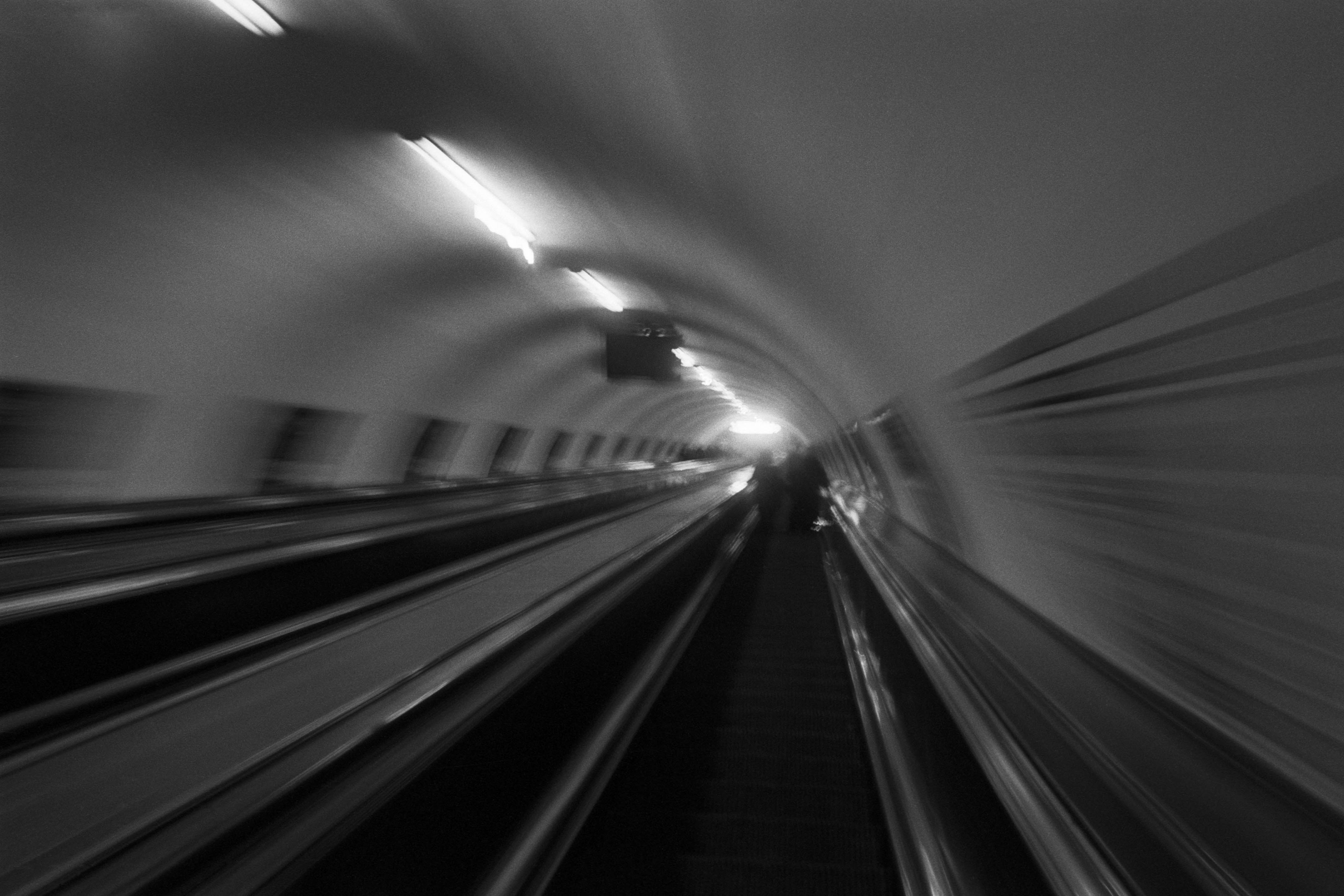
The Wall
2015Winner of the 1st prize & Golden Glass Award at the 11th Photographic Open Championship Olsztyn, and 1st place with the Special Prize of FORMAT magazine at the 3rd Biennial of Art in Piotrków Trybunalski.
View Series →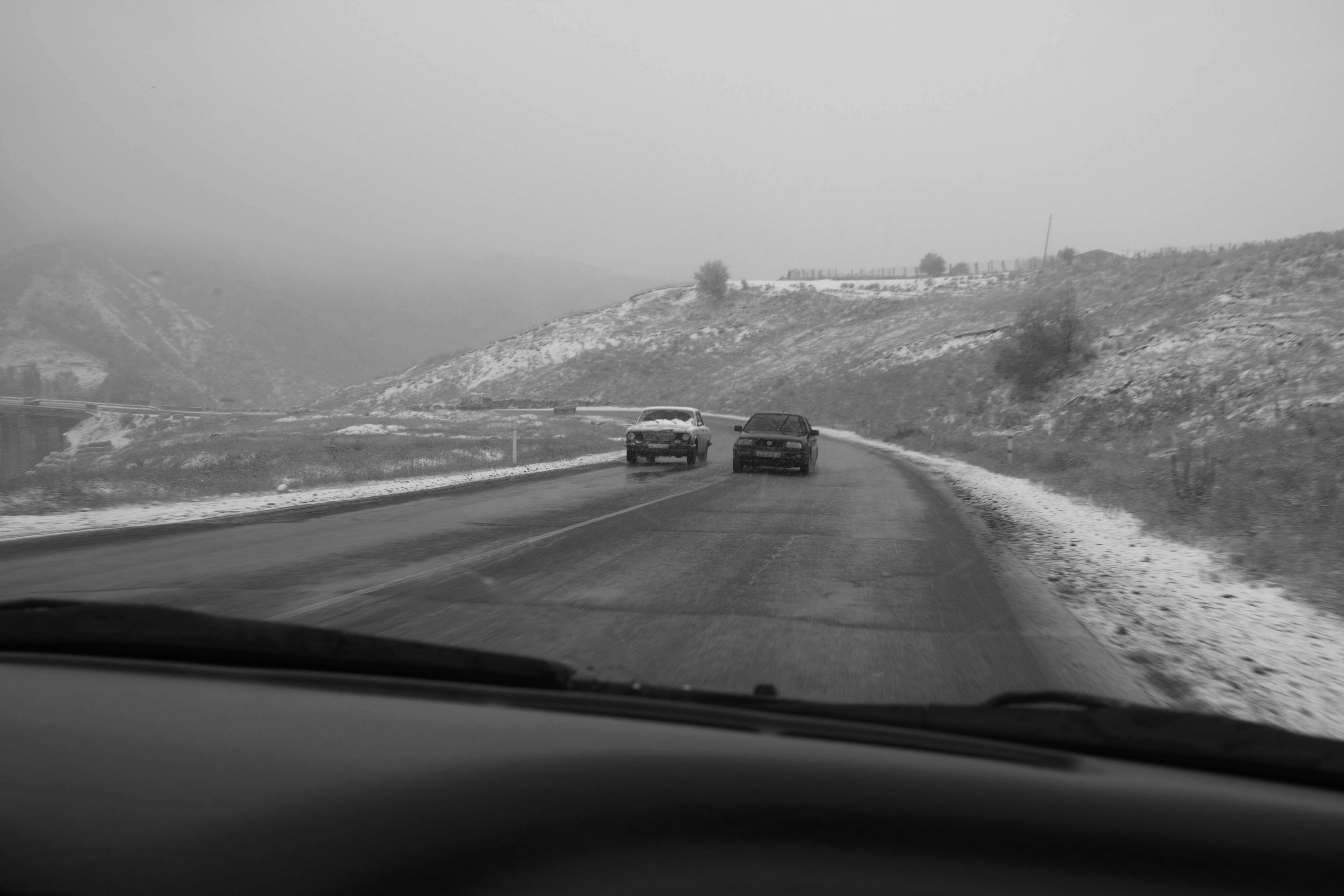
An Engagement Ring
2011A narrative series set in Wrocław in August 2011. Awarded 2nd prize & Silver Glass at the 10th Photographic Open Championship Olsztyn in 2014.
View Series →
Heat Wave
2014A documentary series recording spontaneous events across August and September 2014, capturing the raw energy of a city under the grip of summer.
View Series →