
"Photography is not about the thing photographed. It is about how that thing looks photographed."
Selling Fine Art Photography Prints and Growing a Personal Collection
A photograph on a wall can be a souvenir, a decoration, or a quiet confession. The difference between those roles is rarely about the subject. It lives in intention, in how the image was made, in the discipline of the edition, and in the relationship between the photographer and the person who chooses to live with the work. Across Australia, a growing community of collectors is treating photographic prints the way earlier generations treated etchings or lithographs — as long-term holdings that appreciate in meaning, and sometimes in value, as the years pass.
This shift opens two parallel conversations. For photographers, it raises questions about how to price, sign, edition and distribute work without diluting it. For buyers, it asks what to look for, what to ask, and how to build a collection that holds together visually and intellectually. Both sides benefit from understanding the same foundations: paper, provenance, the law of limited supply, and the small rituals that separate a print from a poster.
What Makes a Photograph a Fine Art Object
Fine art photography lives at the intersection of craft and concept. A commercial image is judged by how well it serves a brief — a model, a brand, a campaign. A fine art photograph is judged by how well it endures outside any brief at all. The work carries a personal vision, a coherent body of thought, and a level of material care that signals the maker took the image seriously enough to insist on it.
In practice, that means several things tend to appear together. The photograph is usually part of a series rather than a one-off. It is printed on archival paper with pigment inks, or in a traditional darkroom onto fibre-based silver gelatin stock. It carries a signature, an edition number, and a certificate. It is mounted or framed to conservation standards. None of these details is decorative; each is a promise that the image will look the same in thirty years as it does on the day it leaves the studio.
Collectors often discover that this material language is what separates a meaningful acquisition from a pleasant purchase. A print made from a medium-format negative, hand-developed and selenium-toned, behaves differently on paper than a digital file sent to a lab printer. Both can be beautiful. Only one belongs in the category of work made by a photographer who treats the print itself as the final artwork.
Curation as the Spine of a Collection
A wall of unrelated favourites quickly becomes visual noise. The most satisfying private collections — whether they sit in a Sydney terrace, a Brisbane apartment, or a converted warehouse in Fremantle — share a quiet logic. The works speak to one another. They might share a palette, a subject, a period, or a recurring formal device, but something threads them together.
Begin with a question rather than a theme. Ask whether you are drawn to portraiture, landscape, still life, or the abstract edges of photography. Within that frame, look for a single artist whose work you want to know deeply, then add another whose sensibility contrasts but rhymes with the first. Two or three artists, explored properly, will outlast a dozen impulse buys from a market stall.
Consider also the physical dialogue between pieces. A large black-and-white silver gelatin print hung at eye level behaves very differently when it sits next to a small colour piece below it. Scale, weight, matting width, and frame profile all shape how the room reads. Some Australian collectors hang work in tight grids that echo the hang of a contemporary gallery; others prefer salon-style clusters reminiscent of the Heidelberg School hang at the National Gallery of Victoria. There is no correct answer, only the answer that matches how you want the room to feel.
The Mechanics of Editioning and Print Quality
Limited editions are the backbone of the secondary market for photography. A print numbered 3 of 7 carries a different weight than an open run. The smaller the edition, the rarer the work, and the more carefully the artist tends to police its distribution. Most serious photographers also produce a small number of artist proofs, marked A/P, which never enter the regular edition count.
Beyond the number, the print itself deserves attention. Archival pigment prints on cotton rag paper, properly fixed and toned silver gelatin prints, and platinum-palladium prints on heavy watercolour stock will outlast virtually any inkjet poster. Ask the photographer about the paper mill, the inks or chemistry, and the expected longevity under standard interior conditions. A pigment print stored away from direct sunlight should remain stable for seventy to one hundred years; a hand-printed darkroom print can outlive its owner.
Signing matters as well. A signature in pencil, just below the image on the lower margin, is the standard convention. Edition number on the left, signature on the right, title and date in the centre, all written softly enough that the eye does not catch them before it catches the image. A certificate of authenticity, ideally printed on the same paper, closes the loop and protects the work when it eventually changes hands.
Where Fine Art Prints Find Buyers in Australia
The Australian market for photographic art has matured considerably since the early 2000s. Sydney Contemporary, held each September at Carriageworks, has become a focal point where collectors and galleries from across the Asia-Pacific region converge. Melbourne Art Fair at the Melbourne Convention and Exhibition Centre performs a similar role on a biennial rhythm. Brisbane's QAGOMA and Perth's Art Gallery of Western Australia host curated photography exhibitions that shape regional taste, while smaller commercial galleries in Surry Hills, Collingwood, Fortitude Valley and Northbridge carry the artists these institutions eventually acquire.
Direct sales through the photographer's own studio remain the most common channel and often the most rewarding. Online platforms have grown, but the careful buyer still prefers to see the print before committing. A studio visit, a portfolio review, or a viewing at a pop-up exhibition offers something no thumbnail can: scale, surface, the slight tooth of the paper under raking light, the depth of the blacks, the subtle warmth of a split-tone print. Many photographers now offer viewing rooms by appointment, with work either unframed or floated in conservation glass so the collector can decide how to frame it themselves.
For photographers reading this, the lesson is that scarcity of edition is only half the equation. Visibility is the other half. Showing work consistently, applying to juried exhibitions, and building relationships with one or two aligned galleries in Australia or abroad usually does more for long-term sales than any single marketing campaign.
Pricing, Provenance, and the Quiet Economics of Care
Pricing a fine art photograph is part mathematics, part nerve. Materials, edition size, the artist's career stage, exhibition history, and the size of the print all feed into the calculation. A reasonable starting point is to cost the materials and time honestly, then multiply that figure by a factor that reflects the work's uniqueness and the photographer's standing. As the artist's career develops, the prices of older editions typically rise, which is part of why collectors who buy early often find their holdings appreciate alongside the artist's reputation.
Provenance is the paper trail that supports those price increases over time. Keep the original invoice, the certificate, any exhibition labels, and notes about where the print was shown. If a work is later resold through auction, those documents help the next buyer — and they also feed into the legal frameworks that protect both artist and collector.
Presentation, finally, is not an afterthought. A poorly framed print can sabotage an excellent image. Conservation glass with UV filtering, acid-free matting and backing, and a frame built to museum standards will protect the work and signal to visitors that the collector takes it seriously. This is one area where Australian habits differ from those overseas: the abundance of natural light in most homes means collectors here learn quickly to manage direct sun, choosing hanging spots carefully and adding sheer linings to north-facing windows.
The Legal Framework Sellers and Collectors Should Know
Australia's visual art market sits inside a specific set of laws, and both photographers and collectors benefit from understanding them. The Copyright Act 1968 protects every photograph automatically, giving the maker control over reproduction, communication, and the right to be credited. That right does not transfer with the sale of a print; buying the physical object does not grant the right to reproduce the image commercially. Photographers who sell prints often retain the copyright and license specific uses separately.
The Resale Royalty Scheme for Visual Artists, in force since 2010, entitles living Australian artists and those deceased less than seventy years to a five per cent royalty on resales of their work above one thousand dollars, conducted through the commercial art market. It applies to gallery and auction sales and is collected by the Copyright Agency's Resale Royalty operation. For photographers whose work enters the secondary market, this can become a meaningful income stream — and for collectors, it is part of the transaction they should expect.
Goods and services tax applies to commercial sales at ten per cent, and sellers need to register, issue tax invoices, and remit GST once they cross the relevant turnover threshold. The Australian Competition and Consumer Commission also enforces consumer guarantees, which means representations about edition size, provenance, or condition must be accurate. Honest paperwork is therefore both ethical and legal protection for everyone involved.
A small collection, built with patience and a clear eye, will almost always outlast a large one assembled from impulse. The prints on the wall should look like they belong to the same person, even when they are by different hands. They should be made by photographers whose careers you want to follow, signed in editions small enough to matter, framed with care, and documented well enough to outlive you. That is how a room becomes a collection, and how a collection quietly becomes part of a longer story.
Practical guidance for photographers and new collectors
- Decide on edition sizes before the first print is sold, and stick to them; smaller editions reward the artist's future collectors.
- Sign and number in graphite on the lower margin, with title and date centred below the image.
- Store unframed prints flat in archival sleeves, away from heat, humidity, and direct light.
- Keep a single file per print that includes the invoice, certificate, edition number, exhibition history, and any conservation notes.
- Before any resale above one thousand dollars through the Australian commercial art market, confirm whether the Resale Royalty Scheme applies and how it will be collected.
Selected Series
A cross-section of commissioned and personal projects spanning fine art, commercial, and conceptual work.
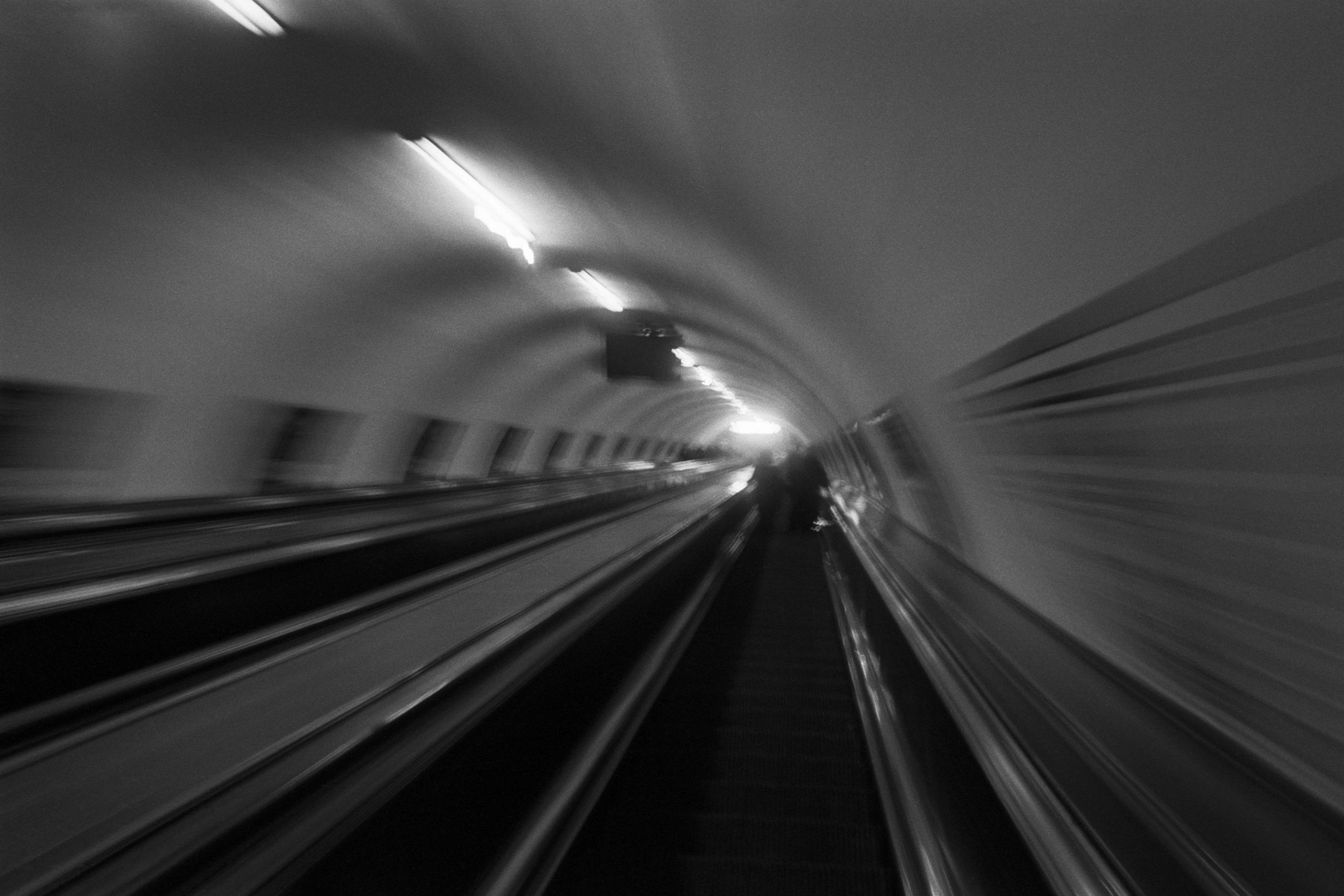
The Wall
2015Winner of the 1st prize & Golden Glass Award at the 11th Photographic Open Championship Olsztyn, and 1st place with the Special Prize of FORMAT magazine at the 3rd Biennial of Art in Piotrków Trybunalski.
View Series →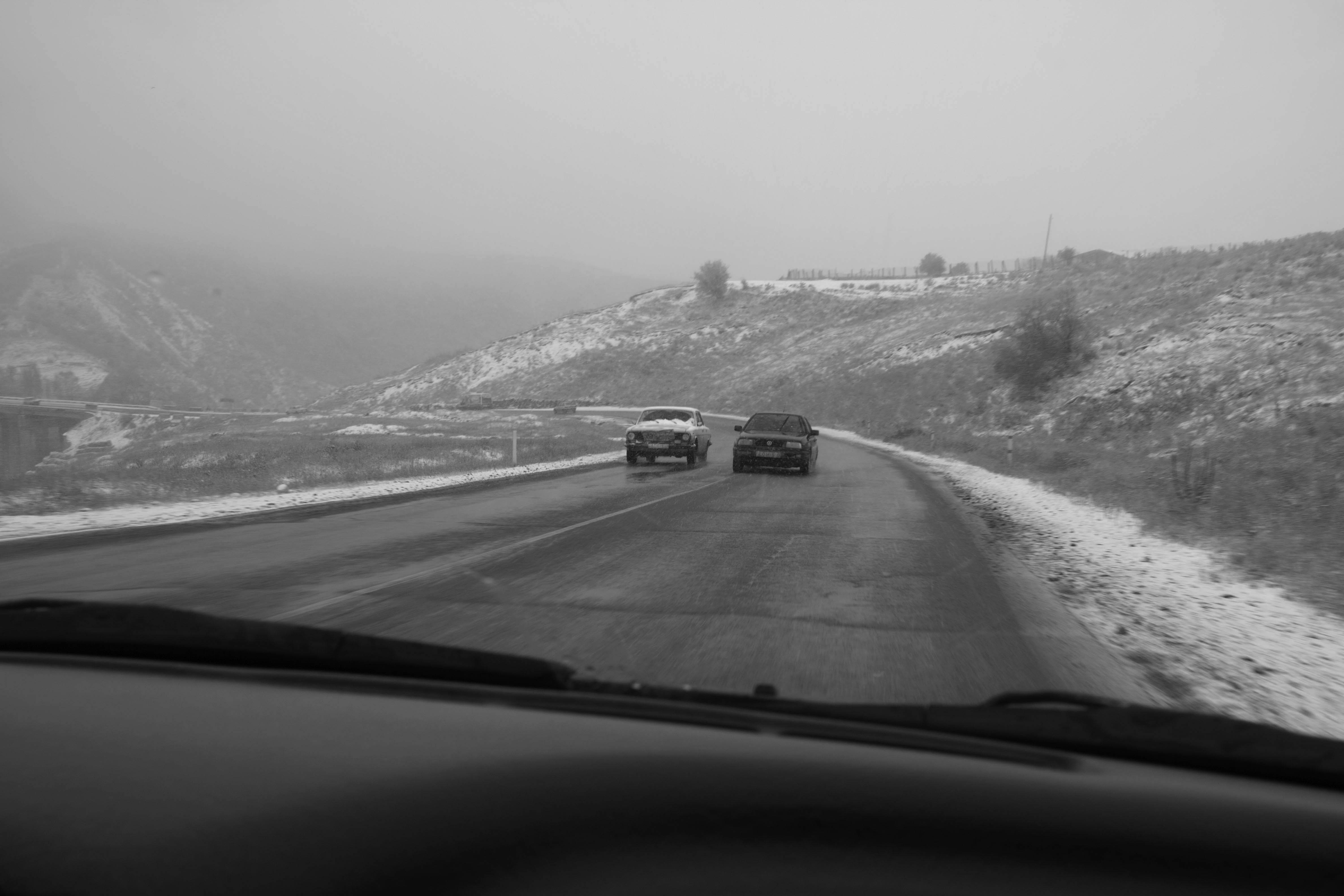
An Engagement Ring
2011A narrative series set in Wrocław in August 2011. Awarded 2nd prize & Silver Glass at the 10th Photographic Open Championship Olsztyn in 2014.
View Series →
Heat Wave
2014A documentary series recording spontaneous events across August and September 2014, capturing the raw energy of a city under the grip of summer.
View Series →