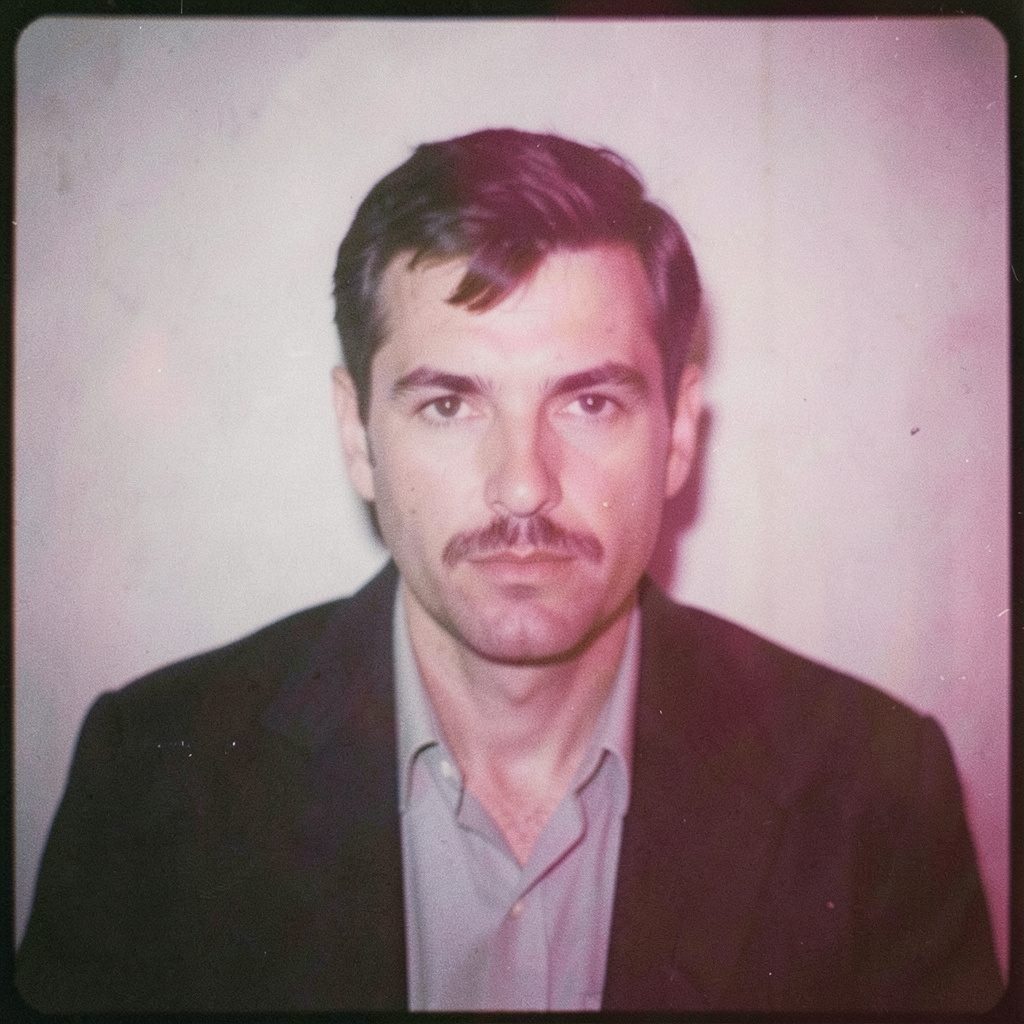
"Photography is not about the thing photographed. It is about how that thing looks photographed."
A visual language for a unified photo series
Learning how to build a cohesive photo series around a single theme means treating photographs as parts of an argument. A portrait session may produce a polished set of images, while a series needs a shared visual question that gives each frame a reason to exist. The subject can be familiar, but the way it is observed should reveal something specific about people, place, light, or behaviour.
In my Wrocław-based practice, I work across fine-art and commercial photography, using medium-format and black-and-white film, darkroom principles, and digital workflows. These processes can produce different textures, yet they can support one coherent visual language. A useful series has a clear premise, consistent photographic decisions, and enough variation to hold attention without losing its identity.
Start with a precise visual premise
A theme works best when it describes a relationship rather than a category. “Portraits” identifies a subject but leaves the visual purpose unresolved. “Portraits made beside shop windows while their owners wait for the light to change” establishes a situation, a mood and a recurring action. It gives the photographer a filter for deciding what belongs.
The strongest premise also contains a tension. It might explore the contrast between private routines and public architecture, or show how people occupy inherited spaces on their own terms. In Australia, a Melbourne project could examine workers and residents moving through laneways, trams, apartment corridors and café terraces. A Sydney series might focus on harbour light, sandstone surfaces and the informal rituals of the foreshore. Either direction becomes more distinct when the emotional outcome is defined alongside the location.
Turn that premise into practical boundaries. Decide which places, time of day, people, objects and actions are eligible for the work. Set limits on the number of frames, the shooting period and the formats used. A commercial commission may need photographs for a campaign, website, annual report and press materials, while a fine-art series may require a quieter pace and fewer locations. Clear constraints reduce arbitrary decisions and make every variation feel purposeful.
Create a visual grammar before shooting
Cohesion comes from repeated choices about viewpoint, distance, light, palette and composition. These choices do not need to be rigid. They should create a recognisable grammar that allows the subject to change. If every image uses the same central composition, the result may feel mechanical. If every frame uses a different lens, angle and lighting style, the series may feel disconnected.
Before the main shoot, test the proposed language in one location. Make several frames at different distances, then compare what remains constant: the height of the viewpoint, the amount of surrounding space, the direction of shadows or the density of detail. Medium-format film may provide the physical scale and tonal depth needed for an exhibition print, while digital capture can support rapid variations during a commissioned session. Black-and-white can clarify shape, gesture and light when colour would make two unrelated frames seem artificially related.
Australian conditions make this preparation especially valuable. Sydney and Perth often produce hard sunlight, strong ultraviolet exposure and dust on the front element, while Melbourne’s changeable skies create a different tonal rhythm. Humidity near Brisbane can affect film handling, equipment storage and long outdoor sessions. Working around the middle of the day may still be necessary for the concept, but test how flare, contrast and colour shifts affect the final body of work. I often plan around softer early light, but the chosen weather or hour should serve the theme rather than merely provide attractive photographs.
Make field decisions that protect the series
A working plan keeps the concept intact when circumstances become unpredictable. It records the decisions that should remain stable and identifies the elements that can respond to the location. This is useful for a multi-day assignment, an event series or a fine-art project assembled over several months. It also makes handovers between a photographer, assistant, stylist and digital operator more reliable.
Core frame choices
- Use a consistent range of distances, from environmental observation to close physical detail.
- Keep the treatment of light deliberate, whether it is hard, diffused, reflected or deliberately exposed.
- Repeat a small group of gestures, props or spatial arrangements that reinforce the premise.
- Leave enough quiet space around the subject for the series to retain a measured rhythm.
Continuity checks
- Record the date, exact location, time, weather and principal light direction for each session.
- Note the camera, lens, film stock or digital settings, including intentional changes.
- Confirm access, permissions and releases before photographing identifiable people or private premises.
- Keep a visual reference sheet so later edits can be compared with the original intention.
Fieldwork in Australia often moves between very different environments: a central-city laneway, a suburban shopping strip, a community sports field or a weekend market. Public space may look open in principle while remaining controlled by councils, transport operators or private businesses. Everyday Australian habits such as outdoor dining, early exercise and gathering beside local shops can offer compelling material, but the photographer should work with the flow of those routines rather than interrupt them unnecessarily. Observe first, ask clearly and keep the finished frames recognisably connected to the place they came from.
Edit for rhythm and sequence
Begin the edit with the entire series visible, not with the strongest individual photograph. Create a contact sheet or grouped proof, then assess how the frames work as a sequence. Look for repeated patterns, abrupt shifts in scale and changes in visual weight. A dense image followed by a sparse one can create breathing space, while two frames with nearly identical compositions may weaken the pace.
Decide what each photograph contributes before deciding where it should sit. One image may establish the setting, another introduce the central behaviour and a third can close the visual thought without resolving it too literally. Darkroom editing principles are valuable here: control highlights and shadows, preserve important texture and judge relationships in values before adding final colour adjustments. The aim is consistency without flattening the differences between frames.
The opening image carries particular responsibility because many viewers will encounter it first in an online portfolio. It should communicate the series’ visual language without explaining everything. The final image can change the temperature of the story, offering an echo, an absence or a quieter form of the same idea. For Australian commercial clients, the series may also need a flexible order for a website, press release, social campaign and exhibition panels. Preparing an alternate sequence or modular crops helps preserve the story while meeting different formats.
Add context, rights, and presentation
Captions should clarify what the photographs cannot show on their own. Give the project a concise title, identify the location and period, and explain any production choices that affect interpretation. Avoid a long interpretation that tells the viewer what to feel. Fine-art presentations can provide a short artist statement, while commercial work should state the intended use and deliver files named in a way the client can navigate.
Australian law and business practice make clear documentation essential. Copyright generally arises automatically when a photograph is created, although an employment agreement or commissioned contract may affect ownership. Model releases, property permissions and privacy obligations should be handled according to the situation. Commercial reuse also requires attention to trademarks, visible art and the limits of the client’s licence. Drone work may involve Civil Aviation Safety Authority requirements as well as state, territory or local permission, while events involving minors, medical information or restricted workplaces need extra care.
Presentation is the final expression of the series, not a collection of unrelated portfolio highlights. On a website, group the images under one project, provide a clear viewing order and include useful alternative text. For prints, test the colour and tonal transitions across the chosen paper or substrate. For the broader Australian market, explain licensing, resolution, retouching and delivery options plainly, because clients may need more than one size or usage package. Backup the masters, select files and project records in separate locations.
A cohesive series comes from disciplined looking. The locations and subjects can vary, but every frame should answer the same visual question while contributing something the neighbouring images cannot offer on their own. That balance between repetition and discovery gives the finished work its structure, emotional depth and lasting identity.
Selected Series
A cross-section of commissioned and personal projects spanning fine art, commercial, and conceptual work.
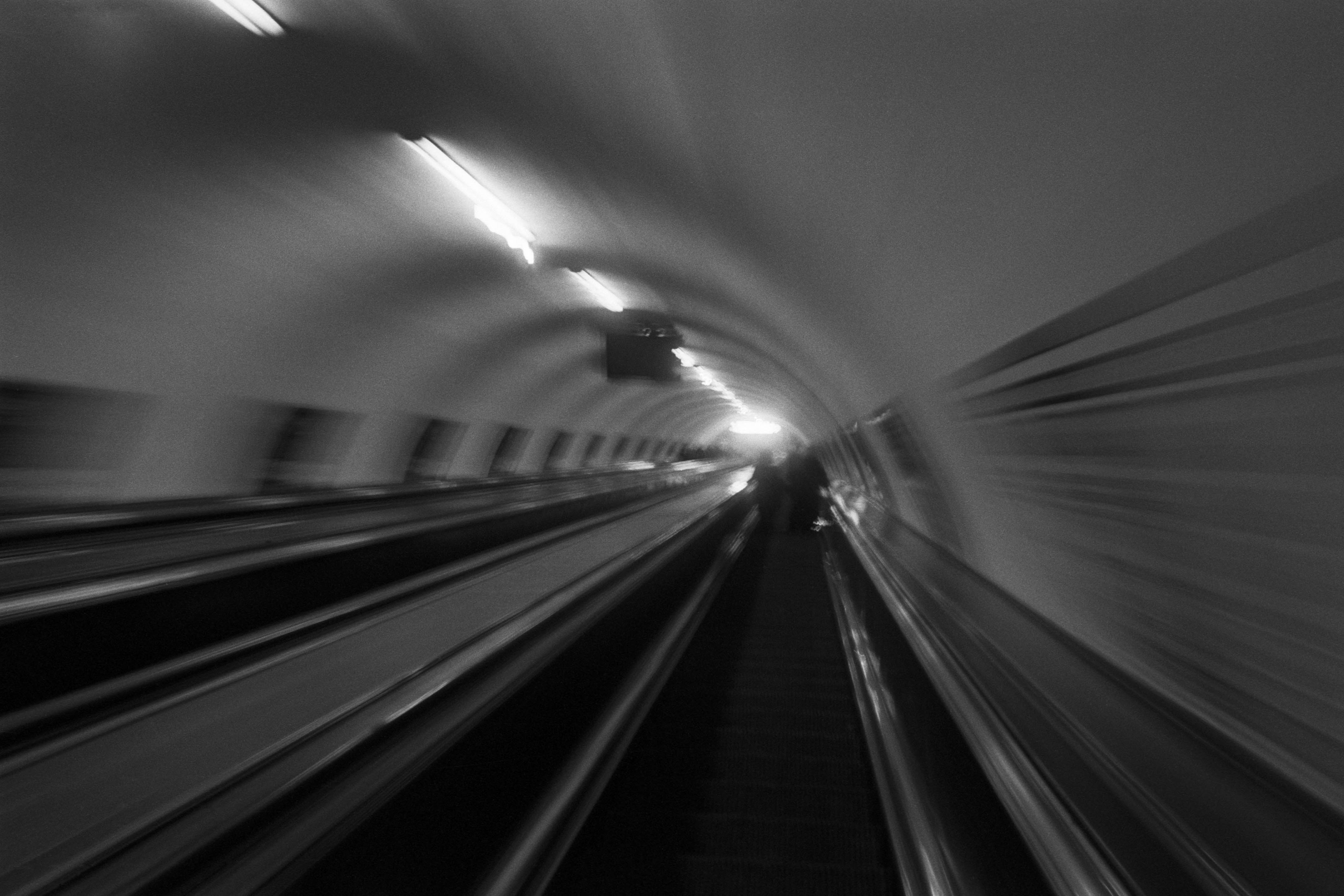
The Wall
2015Winner of the 1st prize & Golden Glass Award at the 11th Photographic Open Championship Olsztyn, and 1st place with the Special Prize of FORMAT magazine at the 3rd Biennial of Art in Piotrków Trybunalski.
View Series →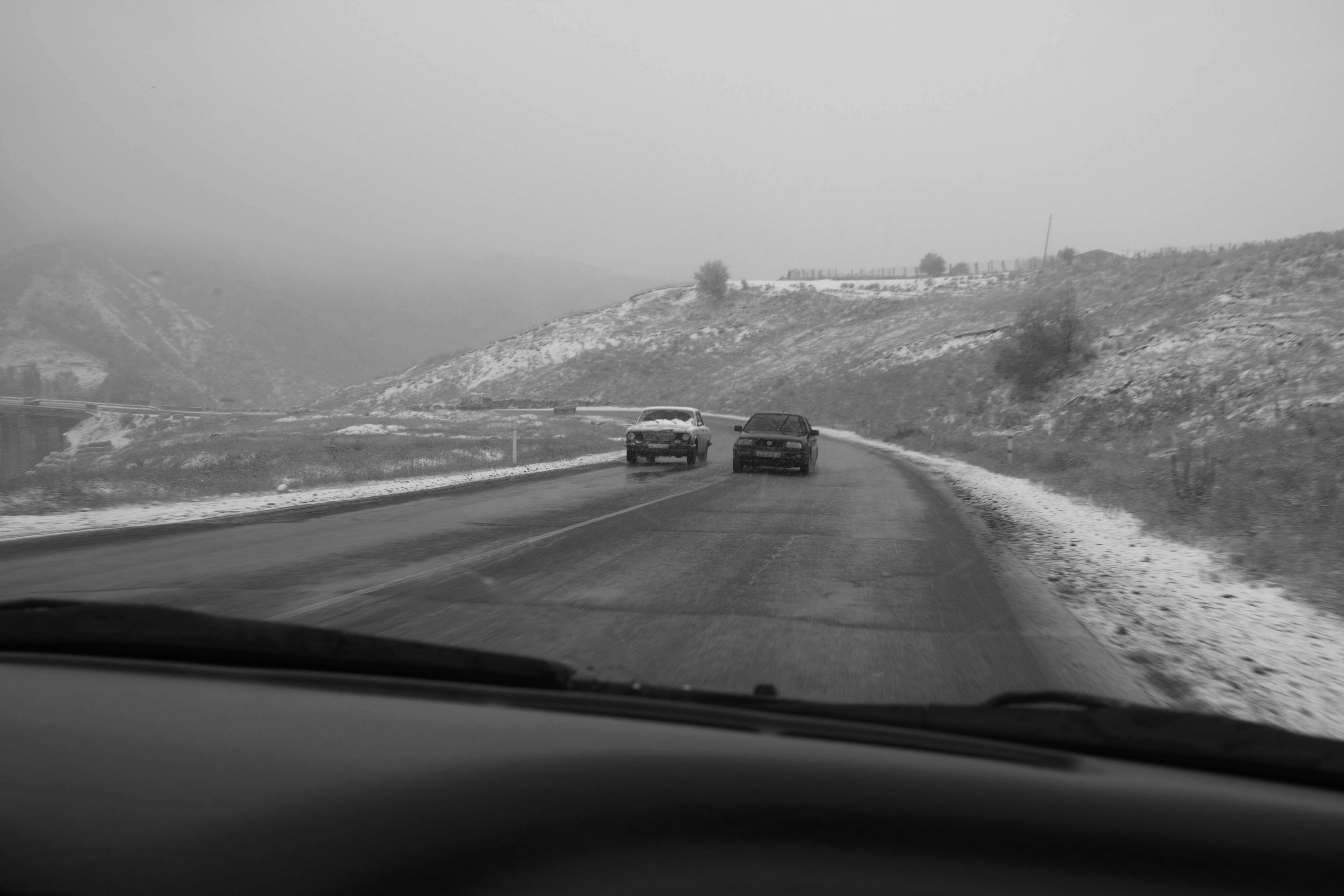
An Engagement Ring
2011A narrative series set in Wrocław in August 2011. Awarded 2nd prize & Silver Glass at the 10th Photographic Open Championship Olsztyn in 2014.
View Series →
Heat Wave
2014A documentary series recording spontaneous events across August and September 2014, capturing the raw energy of a city under the grip of summer.
View Series →