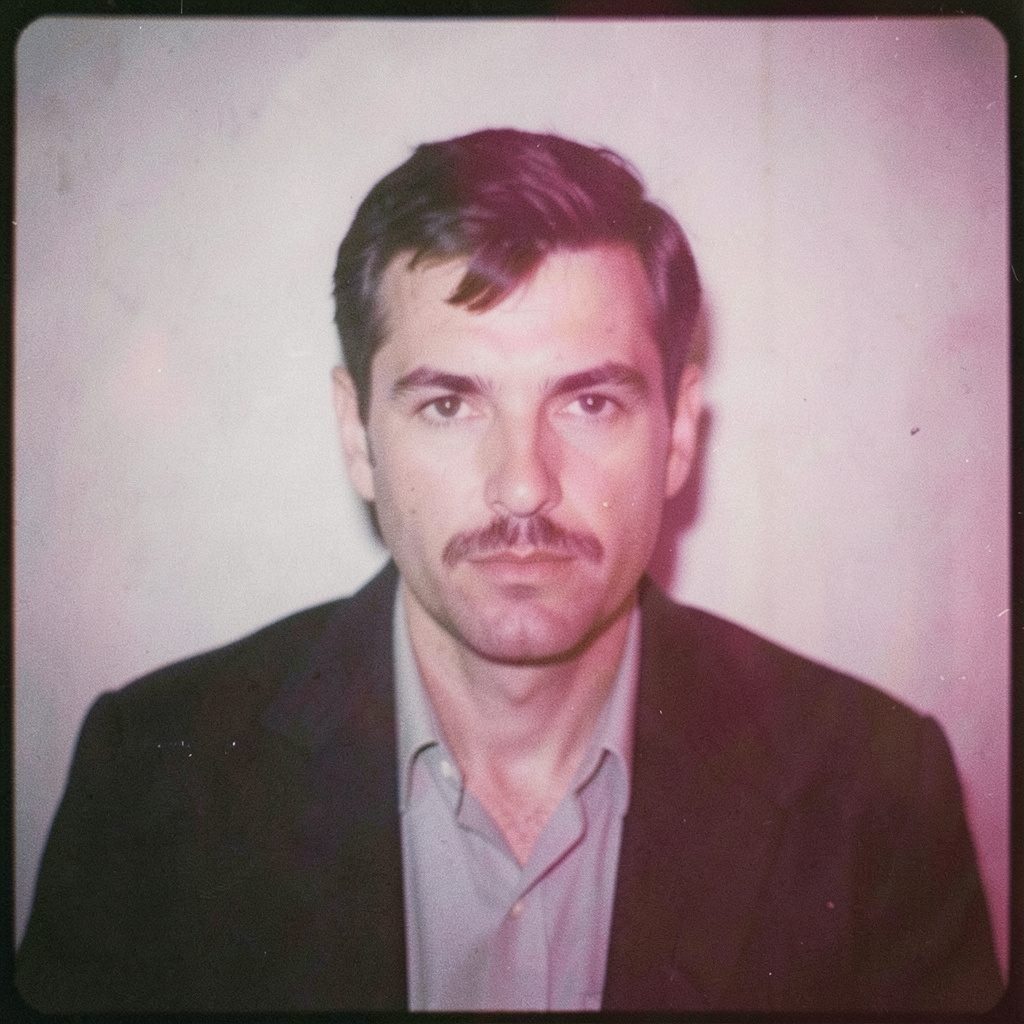
"Photography is not about the thing photographed. It is about how that thing looks photographed."
How to Build a Personal Project That Defines Your Artistic Voice
A working photographer spends most of the hours behind the camera making decisions for other people. A client's brief sets the location, the wardrobe, the lighting ratio and the deadline. What remains yours is the way you compose a frame, the light you wait for, the small choices about expression and timing. A personal project is the space where those choices accumulate into something coherent, where the images stop being a set of assignments and start becoming a body of work with a recognizable signature.
The value of a self-initiated series lies in its slowness. It can follow a question for a year, accept uneven results, and hold contradictory frames together without immediate justification. In my own practice in Wrocław — working across fine art, business portraits, fashion and event photography — the conceptual series are where I test ideas that commissioned work cannot afford. The portfolio clients see is built on a foundation of questions I have spent months learning how to phrase with a camera.
Finding the question that drives the series
Begin with a question rather than a subject. "Photographs of factory workers" describes a topic; "how does a body remember labour it was never taught" describes a pursuit. The first version fills a gap in the market, the second fills a gap in your curiosity. Questions generate images you cannot predict, which is exactly what keeps a series alive through its difficult middle.
Your archive is usually more honest than your memory. Look across the last five years of assignments and count what you return to without being asked: hands at work, windows in winter light, concrete geometry, faces caught between poses, empty rooms after an event has ended. Recurring motifs are not a weakness to be corrected; they are the raw evidence of your visual preoccupations. Choosing one of them and following it deliberately is how a scattered portfolio becomes legible.
Write a short statement of intent before you shoot more than a test roll. One paragraph is enough. It should name the question, the setting, the material, and the emotional register you are aiming for — for example, cold, observational, unsentimental, quiet. A statement that could describe three different photographers' work is too wide. A statement that excludes half your material is useful, because the exclusions give the series its edge.
Choosing the material that matches the vision
Materials shape meaning as much as content does. A medium format camera on black and white film produces a particular relationship between the subject and the frame: large negatives, shallow depth, visible grain, tonal density that rewards careful printing. Those qualities carry their own argument, and they make certain subjects feel inevitable rather than illustrative.
Digital work is not the opposite of that. It belongs to the same continuum of control, and a hybrid workflow often gives the most interesting results — a black and white film base digitised for precise sequencing, or a digital series printed in the darkroom on fibre paper so that the final object carries chemical texture. The question is never which format is better, but which one answers the question you set out with. Choose the tool that lets you work at the pace the subject requires.
Whichever route you take, keep a working record. Note the film stock, the exposure, the developer, the dilution, the grade. In the darkroom, an undocumented print teaches you nothing twice; a logged one becomes repeatable knowledge you can build on for the next series. For digital work, keep the raw files, note the lens and settings, and preserve the first edit rather than the last one, so you can see how your judgement shifts over months.
Working inside a deliberate constraint
Constraint is the engine of a distinctive series. Fixing one variable — a single location, a narrow hour of the day, one recurring colour, one repeated gesture — removes the noise of endless choice and forces attention onto form and timing. The images that follow a rule tend to look like they belong to the same mind, because they were made under the same conditions.
Fieldwork helps. Decide when you will shoot, decide where, decide what the frame will and will not contain, then go back. Repeated visits produce the kind of incremental knowledge that no amount of planning substitutes for: you learn where the light falls in March, which room holds sound, how long your subject needs before the performance begins. That knowledge is invisible in any individual picture and obvious across twenty of them.
Shoot with intent rather than volume, but give yourself enough frames to select from. A short focused session every week for three months will yield more usable material than a single exhausting weekend. Review your contact sheets at a distance from the session, and mark the frames that still hold your attention days later. Selection made while the adrenaline of shooting is still in your system is usually too generous.
Editing, sequencing and the rhythm of the final set
Editing is authorship. The order of images determines what the viewer thinks, and the space between them determines what they feel. Think of the sequence as a score rather than a list: an opening image that establishes the world, a middle that complicates it, and a closing frame that either releases the tension or sharpens it. Many strong series are weakened by a mechanical chronology, and revived by a sequence that moves through the idea instead of through the shooting days.
Rhythm matters more than surprise. Two similar images placed side by side create a pulse; a single surprising image in a field of quiet ones can feel like a mistake unless the surrounding frames prepare it. Use variation in scale, density and distance, and use silence — a frame with almost nothing in it — as a deliberate breath. Resist the urge to caption every gap in interpretation. Images that are too dependent on text are usually images that have not yet been sequenced well.
Refinement comes in layers. Make the first edit generous, then cut it back by a third. Print a small group and study them as objects, in the hand, at the size you intend to exhibit, because paper and emulsion change how a photograph reads. In Wrocław's darkrooms I have watched sequences transform on the wall: the same forty images that felt random on a monitor resolved into an argument the moment they had physical separation and weight.
Time, archive and the long horizon
A personal project rarely arrives finished. Most of mine have been interrupted by commissioned work, and the interruptions have usually been productive, because a paying assignment funds the travel, the film, the printing time and the patience a self-initiated series requires. Treat commercial work as the engine that powers the research, and keep the two conversations separate so the personal work is never compromised by a deadline.
Let projects rest. Put a series away for six months and return to it; the frames you once dismissed often reveal themselves as the connective tissue, while the ones that felt essential often turn out to be decoration. The archive is where this revision happens. Store negatives in labelled sleeves, digitise them at high resolution, back up in two places, and write a short note about each project while the memory is accurate. An archive you can trust frees you from shooting the same idea twice.
The physical edition completes the work. A signed, numbered silver gelatin print carries a different authority from a file on a screen, and a small edition gives the viewer something scarce. Decide on paper, on the size, on whether the series will exist as single prints, as a portfolio, or as an exhibition of larger works. For conceptual photographic series, the presentation format often carries as much meaning as the individual frame, and the choice should be made deliberately rather than left to whatever the printer offers by default.
Presenting the project so it speaks for itself
On screen, the sequence should behave like a hanging. Give each image room, avoid distractions, and let the viewer move at their own pace rather than being pushed through a slideshow. If your website carries the personal project as its anchor, it should open on the images and place the supporting text afterwards — a short statement, a brief biography, technical credits, and information about available prints. The order of these elements tells the visitor whether they are looking at a considered body of work or at a gallery of highlights.
Context earns trust. Explain where the work was made, how long it took, what the research involved, and what you chose to leave out. Visitors who arrive from commercial pages — people commissioning portraits, fashion or event coverage — should be able to see the difference in intent within a few seconds. The personal project does not need to advertise anything; it needs to demonstrate the eye that will be applied to a client's brief.
A finished project also changes how you take on paid work. When you have spent a year on a question about light, gesture or memory, you begin to read every assignment through it. The strongest collaborations begin with a client who recognises something in the fine art practice and wants that sensibility applied to their own world. A body of work built this way becomes a calling card that no certificate can replace: it shows what you notice, how you wait, and what you consider worth a frame. That is the substance of an artistic voice — not a style you can imitate, but a standard you can answer to.
Selected Series
A cross-section of commissioned and personal projects spanning fine art, commercial, and conceptual work.
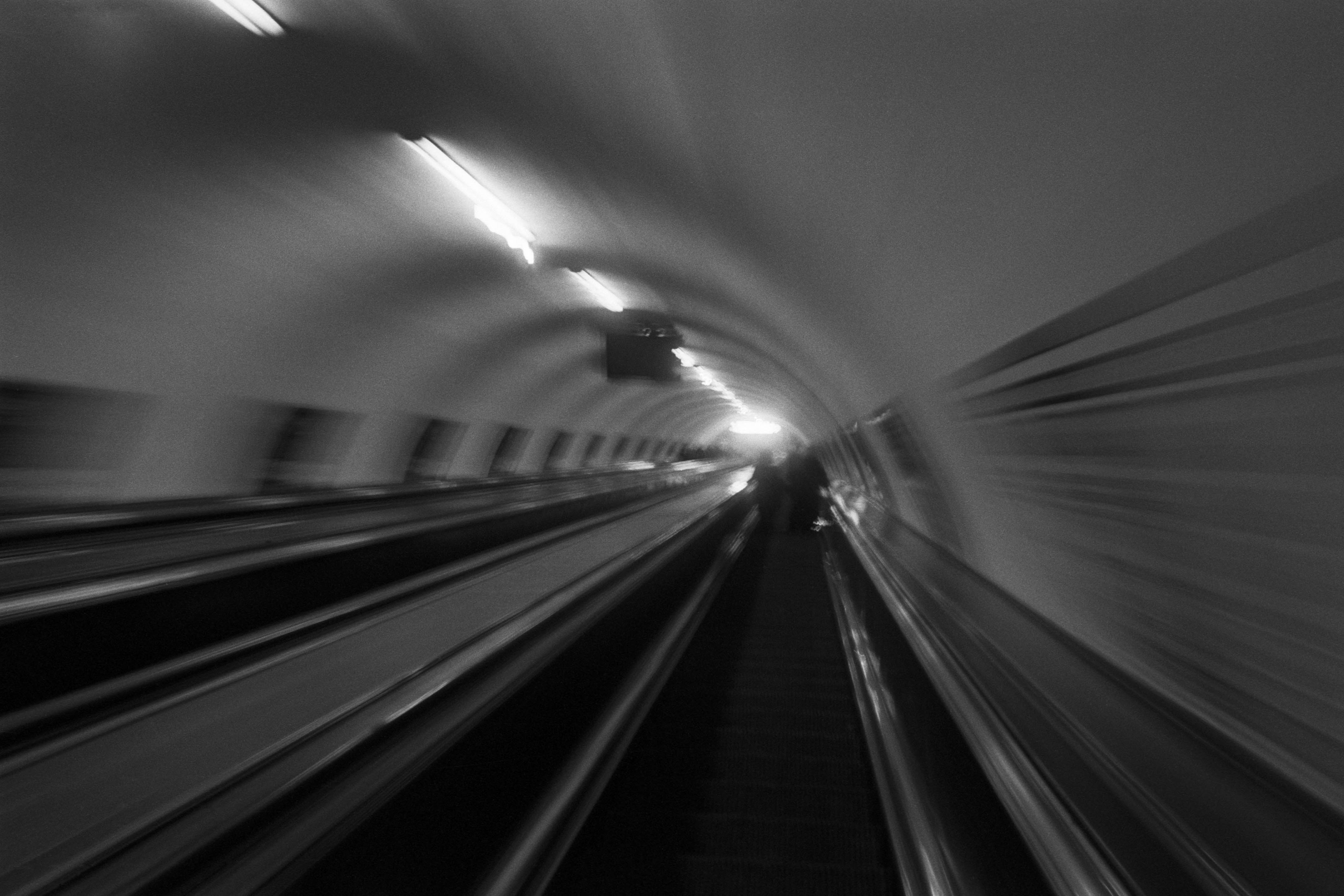
The Wall
2015Winner of the 1st prize & Golden Glass Award at the 11th Photographic Open Championship Olsztyn, and 1st place with the Special Prize of FORMAT magazine at the 3rd Biennial of Art in Piotrków Trybunalski.
View Series →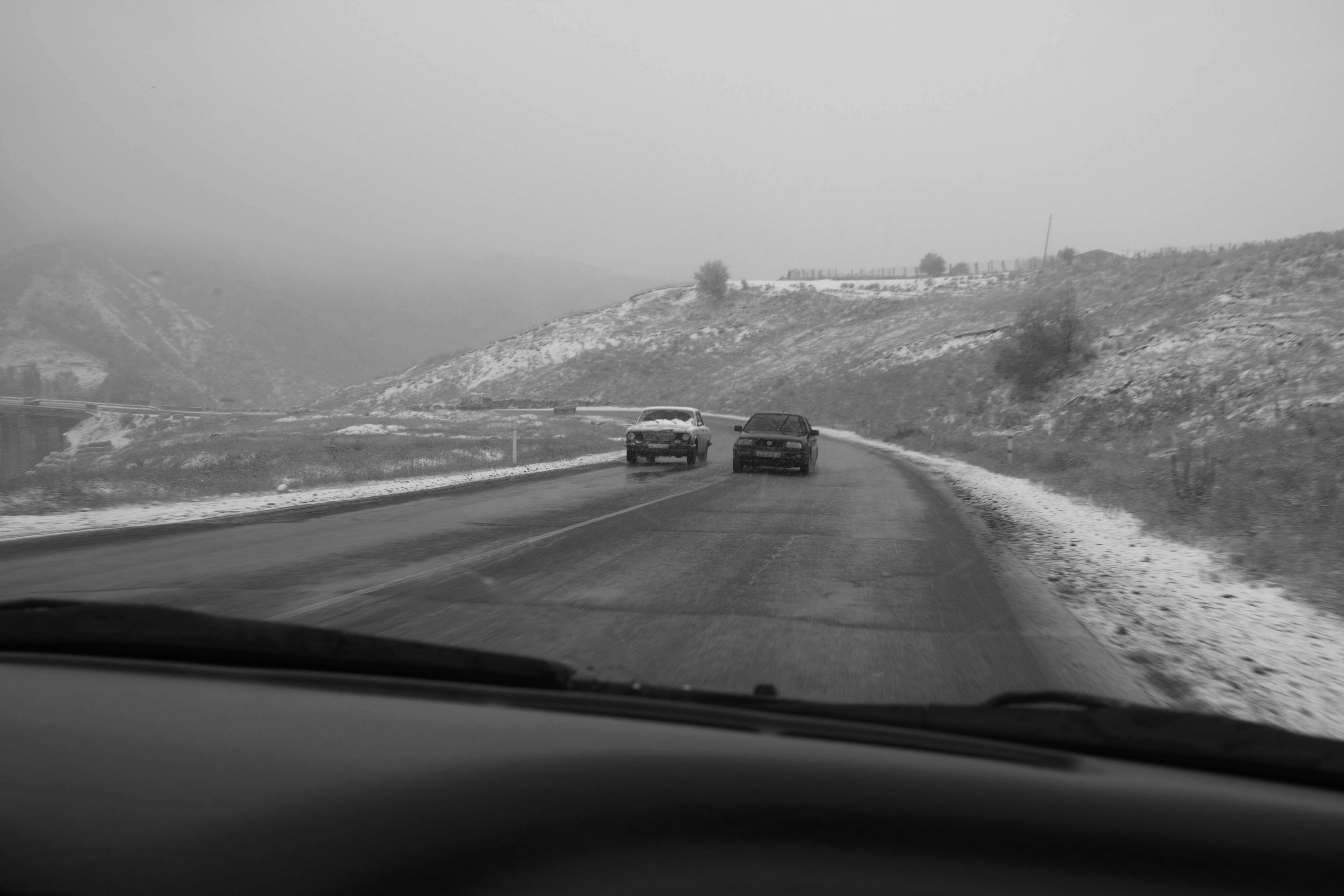
An Engagement Ring
2011A narrative series set in Wrocław in August 2011. Awarded 2nd prize & Silver Glass at the 10th Photographic Open Championship Olsztyn in 2014.
View Series →
Heat Wave
2014A documentary series recording spontaneous events across August and September 2014, capturing the raw energy of a city under the grip of summer.
View Series →