"Photography is not about the thing photographed. It is about how that thing looks photographed."
How to build lasting trust with clients before and during a shoot
Trust is the quiet currency of professional photography. A camera can capture light, but only a confident relationship between photographer and client can capture something true. Whether the assignment is a CEO portrait for a Brisbane financial firm, a campaign on a windswept stretch of coast near Margaret River, or a fashion editorial timed around Australian Fashion Week in Sydney, the work depends on people feeling comfortable enough to be themselves in front of the lens.
Many photographers obsess over gear lists and lighting diagrams while overlooking the human architecture that makes those tools useful. Australian clients, in particular, often value directness and authenticity over polished sales talk. They tend to ask practical questions about experience, insurance, and timeline long before discussing aesthetics, and they expect honest answers rather than vague reassurance.
Building that kind of confidence is rarely the result of a single gesture. It accumulates through every email, phone call, and small interaction, from the very first enquiry to the final delivery. Photographers who treat each step with care tend to find their work rewarded with smoother sessions, calmer subjects, and clients who return for years.
The following sections walk through the practical moves that shape this process, from the first phone call through the wrap of a long shoot day. The aim is not a script to memorise but a mindset to cultivate, one that works whether you are shooting a tradie's headshot in Geelong or a haute couture story in a Surry Hills studio.
Setting the right tone in the first conversation
The first email or call does more work than most photographers realise. It signals how you communicate, how seriously you take the brief, and whether you understand the client's world. Australians tend to be quick to size people up, and the polite but brisk tone of a well-written reply often lands better than effusive flattery. Keep the message short, address their specific project, and answer any questions they raised without padding the response with unnecessary detail.
Listening matters more than pitching. When a creative director in Fitzroy describes a campaign built around the look of late afternoon light along St Kilda beach, the photographer who asks three thoughtful follow-up questions will earn more trust than one who immediately lists every available prime lens. Showing that you have understood the brief, then repeating it back in your own words, demonstrates competence without arrogance.
It is also worth being transparent about practical realities early. Mention your public liability insurance, your Australian Business Number, and whether you carry backup equipment. For corporate clients in Perth's mining sector or Sydney's legal districts, these details are not bureaucratic extras but baseline expectations. Volunteering the information unprompted saves time and signals that you operate at a professional standard.
Finally, do not skip the personal touch. Ask how they found you, what other shoots they have commissioned, and what they hope the finished images will do for their business or brand. A short, genuine conversation about goals often reveals more than any brief document, and it leaves the client feeling heard before any shutter has been pressed.
Preparation work that puts everyone at ease
Solid preparation is where most trust is actually built. The weeks between booking and shoot day offer countless small opportunities to demonstrate reliability and care. A simple but thorough pre-production document, covering shot lists, location permits, talent releases, and contingency plans, reassures clients that nothing important has been forgotten.
For shoots on Australian soil, location planning deserves particular attention. Summer heat in Adelaide can melt makeup within minutes, sea spray at Bondi can ruin unprotected gear, and sudden southerly busters in Melbourne have been known to flatten entire lighting setups. Building weather contingencies into the timeline, and discussing them openly with the client, shows that you understand the country you are working in.
Wardrobe and styling coordination is another area where trust deepens. Rather than waiting for the client to handle everything, offer a mood board, suggest local stylists you have worked with, or run through colour palettes that will read well in the chosen environment. A marketing manager in Brisbane who receives a thoughtful styling guide the week before the shoot will arrive on set feeling supported rather than anxious.
Items worth confirming in advance
Before any shoot, it helps to formalise the small details that often make or break the day on location.
-
Logistics to verify:
- Permits and access for chosen Australian locations
- Parking and load-in zones for production vehicles
- Backup options if weather closes a beach or park
- Power availability for studio lighting or hair and makeup stations
-
Comfort measures to prepare:
- Sun protection and hydration, especially for summer work
- Emergency contact details and a first-aid kit on hand
- Clear meal breaks factored into long shoot days
- A quiet space for talent to reset between set-ups
Sending a short, friendly pre-shoot note a day or two ahead also helps. Mention the meeting point, parking options, and how long the session is likely to take. Australians appreciate clear logistics almost as much as a good flat white, and this small act of consideration often reduces the number of nervous first-time emails on shoot day.
Building rapport on the day itself
The way a photographer arrives on set shapes the entire session. Showing up ten minutes early with a calm, unhurried manner sets a different tone than rushing in flustered, even if both photographers end up with identical gear. Greet each person by name, thank the client for trusting you with the project, and take a moment to chat about something unrelated to the work before opening any cases.
A small, genuine gesture often works wonders. In Melbourne, offering to grab a coffee from the laneway café across the road before setting up can break the ice better than any icebreaker question. In Sydney, walking the client through the planned route around the harbour foreshore can turn logistical small talk into shared excitement about the images to come. These rituals cost nothing but buy a great deal of goodwill.
Communication during the shoot itself should be steady and quiet. Brief the client or talent on what is happening, especially during lighting changes or location moves. People relax when they understand the process, and they cooperate more freely when they feel included rather than directed. Avoid lengthy technical explanations in front of non-technical clients, and save those conversations for the assistant or art director.
Keeping the energy of the session balanced is also part of building trust. Some clients thrive on constant direction and energy, while others perform better with quiet space to settle into the role. Reading this preference early, and adjusting your pace accordingly, shows a level of attention that people remember long after the shoot has wrapped.
Reading the room and adapting in real time
No matter how thorough the preparation, a session will always bring surprises. A key talent may arrive tense after a difficult morning, the light may shift twenty minutes ahead of schedule, or a location permit may turn out to cover only half the planned backdrop. Trust is built most visibly in how these moments are handled, because clients are watching the photographer respond to pressure far more closely than they are watching the actual images.
Watching body language is a skill worth practising deliberately. Tight shoulders, a closed posture, or constant checking of a phone often signal that someone needs a short break, a clearer explanation, or simply a moment of human conversation. A photographer who pauses the shoot to ask whether everyone is comfortable, rather than pressing on to hit the next shot on the list, demonstrates that people matter more than the shot count.
Adaptability also means being honest when something is not working. If a backdrop chosen during recce has lost its appeal in the actual conditions, say so and offer an alternative. If a model is not responding well to a particular direction, acknowledge it and try another approach. Clients rarely resent a photographer who changes course thoughtfully; they do, however, remember a photographer who pretended everything was fine while the work suffered.
There is also value in showing the client images on the back of the camera during the session, when appropriate. A quick, honest look at a strong frame builds confidence in the process, especially for clients who have never commissioned professional photography before. The trick is restraint. Showing every frame dilutes the impact, while sharing selectively signals judgement and care.
Following through after the session
The trust built before and during a shoot can be quietly undone in the days that follow if the post-production process is handled carelessly. Clear communication about delivery timelines, file formats, and any usage agreements keeps the relationship on solid ground after the camera has been packed away. Sending a short, warm thank-you note the day after the session is a small courtesy that many photographers overlook, and one that clients often mention years later.
Delivery should be prompt, professionally organised, and exactly what was promised. If a delay becomes unavoidable, flag it as soon as it is known, explain the reason briefly, and offer a revised timeline. Australians in particular tend to respect direct, plain-language honesty over polished excuses, and a straightforward apology usually lands well.
Long after the final files have been archived, the relationship itself continues to shape the photographer's career. Clients who felt respected throughout the process tend to return, refer others, and speak generously about the experience when their own networks come asking for recommendations. Trust, once earned, compounds quietly in the background of a working life.
A final habit worth keeping is asking for feedback. A short, genuine request for thoughts on how the shoot went, what could have been smoother, and whether the images met expectations gives the client a voice in the process. It also provides the photographer with insights that no amount of self-reflection can replace. Over time, this loop of honest exchange becomes one of the most reliable ways to refine a practice and keep clients coming back.
Selected Series
A cross-section of commissioned and personal projects spanning fine art, commercial, and conceptual work.
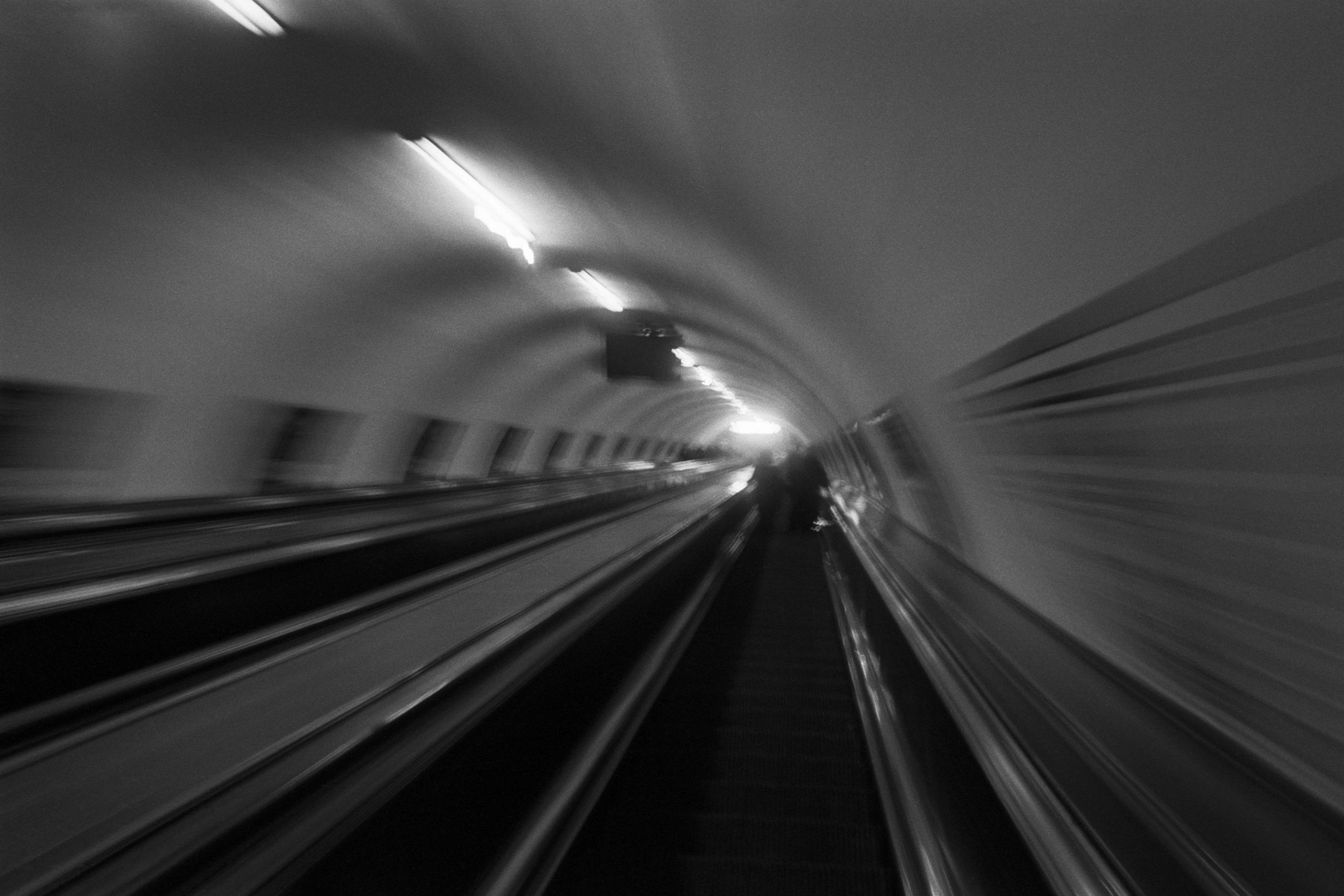
The Wall
2015Winner of the 1st prize & Golden Glass Award at the 11th Photographic Open Championship Olsztyn, and 1st place with the Special Prize of FORMAT magazine at the 3rd Biennial of Art in Piotrków Trybunalski.
View Series →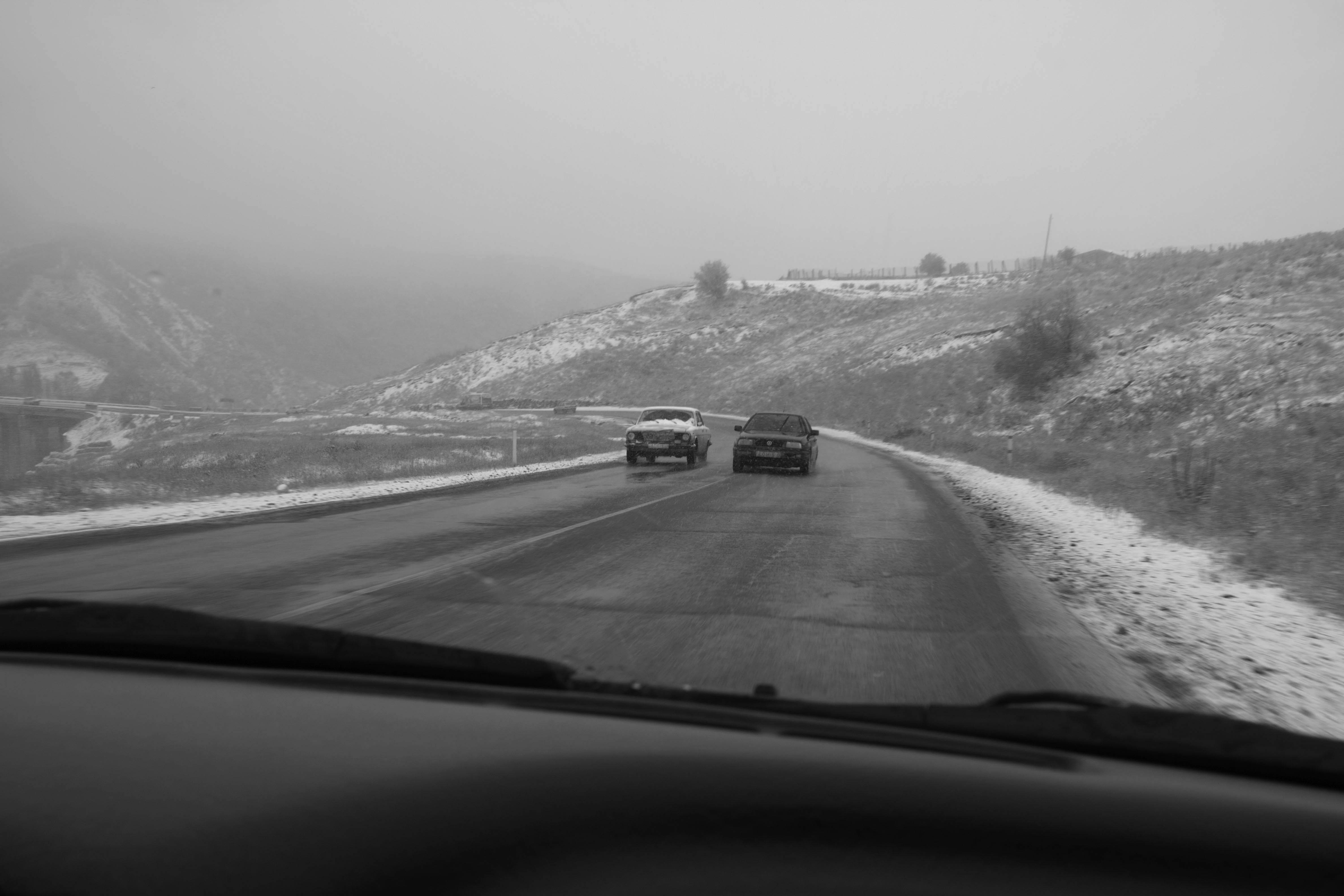
An Engagement Ring
2011A narrative series set in Wrocław in August 2011. Awarded 2nd prize & Silver Glass at the 10th Photographic Open Championship Olsztyn in 2014.
View Series →
Heat Wave
2014A documentary series recording spontaneous events across August and September 2014, capturing the raw energy of a city under the grip of summer.
View Series →