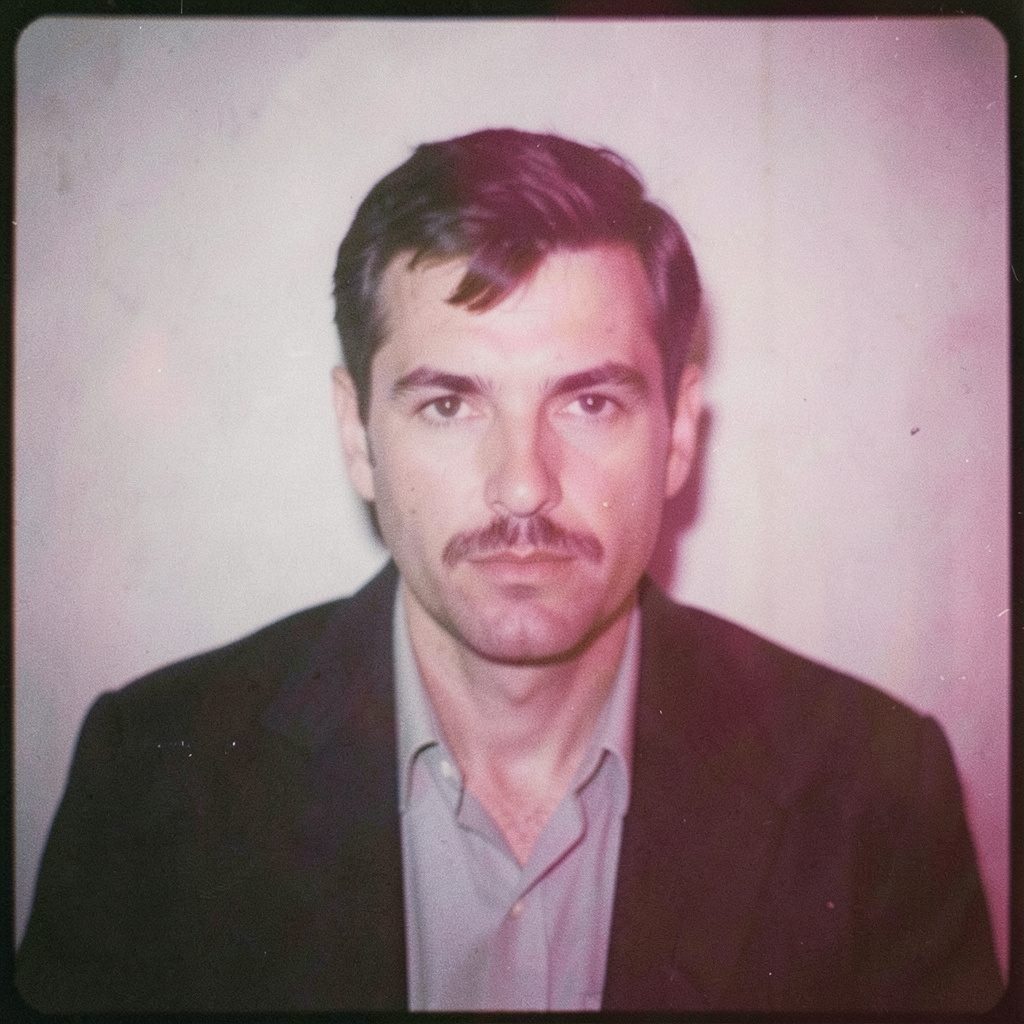
"Photography is not about the thing photographed. It is about how that thing looks photographed."
How to capture genuine laughter in posed portraits
Capturing genuine laughter in posed portraits begins with a useful distinction: control the setting, not the reaction. A photographer can shape the wardrobe, location, lens and light while leaving the person’s response unpoliced. Instead of asking someone to perform amusement, create conditions in which a memory, observation or unexpected remark can bring a natural smile or laugh. The result may still be a posed portrait because the frame is designed, but it feels alive because the emotion is real.
This approach is especially useful for business, fashion and editorial work, where a portrait must communicate personality without looking staged. In Sydney, Melbourne or Brisbane, a subject may be relaxed in a favourite café yet become self-conscious in a studio filled with lights and crew. Keeping the equipment quiet, letting the session begin as a conversation and building trust through unhurried direction creates space for an unguarded reaction. A laugh that develops midway through a sentence is often more convincing than a broad grin produced immediately after “say cheese”.
Why a directed portrait can still feel spontaneous
Posing and artificiality are not synonyms. A photograph can be carefully composed while the expression within it remains genuine. The key is to direct actions that people recognise as natural rather than to prescribe an emotion they have never experienced. Asking someone to turn towards a colleague, remember an earlier conversation or react to a harmless surprise gives the face something real to respond to.
Authenticity also involves more than the mouth. A forced smile may brighten the lips while leaving the eyes and forehead tense. Spontaneous laughter usually changes the whole face: the cheeks lift, the eyes narrow slightly, the head moves and the breath interrupts the rhythm of speech. Photographing at the right instant means watching for these linked changes rather than waiting only for teeth to appear.
There is a practical reason to preserve this natural movement in commercial portraits. Audiences often use images to judge approachability, confidence and cultural fit, particularly on company websites, professional profiles and campaign pages. A believable expression gives those viewers more information than a technically polished but emotionally empty smile. The photograph works because the person seems present in it.
Build rapport before the camera
Rapport develops through attention. Before raising the camera, learn what the subject is comfortable discussing and what genuinely interests them. Questions about a recent trip, a demanding week, a favourite meal or an amusing workplace habit produce more expressive material than a rapid series of one-word prompts. The purpose is not to extract a performance but to establish enough familiarity that the camera feels secondary.
Humour also depends on timing. A joke delivered while the subject is adjusting a collar or checking an image on the monitor may feel forced, whereas the same joke during a natural pause can land easily. Watch for cues that indicate ease: a relaxed posture, an extended hand gesture, eye contact with someone nearby or an unguarded glance away from the lens. These moments often provide the foundation for a better photograph.
Preparation should remove practical sources of tension. Check wardrobe choices, hair, makeup, background distractions and lighting before the subject arrives. Explain the sequence of the session and how their images will be selected. People are less likely to freeze when they know what will happen next. In Australian commercial photography, this clarity is especially valuable when a portrait must serve several teams, from an executive and their staff to a model preparing for a campaign.
Use prompts that create real reactions
The most effective prompts are specific enough to produce a thought but open enough to allow an individual response. “Enjoy the portrait” is too abstract. “Tell me about the trip you nearly cancelled” may prompt a story, a rueful expression or a sudden laugh. “Imagine showing this photograph to the friend who gave you that shirt” can create a visual image without requiring anyone to act out joy.
Useful prompts draw from the subject’s own world. A chef might remember a memorable service, a architect might describe an impossible brief and a parent might recall a child’s unexpected sentence. The photographer does not need to manufacture humour; instead, the subject becomes the source of it. When a prompt fails, abandon it rather than repeating it with increasing urgency. Repetition often produces a smile shaped by the photographer’s expectations.
Study other approaches to directing personality. The portrait work of BH Clay Smith offers a useful reference for balancing visual control with human presence. Observe whether the subject appears active, contained or candid, and identify the photographic choices that support that impression. In your own work, experiment by changing the physical action while keeping the framing consistent. This makes it easier to see whether the emotion came from the person, the setting or the direction.
Design an environment that encourages laughter
Location affects behaviour as much as it affects the background. A quiet corner of a café, an office lounge or a sunlit residential room may generate more natural responses than a formal studio. Australian urban neighbourhoods often provide varied settings: a laneway in Melbourne, a park in Brisbane or a modern workplace in Sydney. Keep them recognisable but uncluttered, and let the subject stand or sit in a comfortable position rather than holding an uncomfortable pose.
The weather can be part of that environment. Bright midday sun in Sydney or Perth creates hard shadows, while Melbourne’s changeable light can shift within minutes. Rather than treating every condition as an obstacle, use them to shape the session. Move indoors for a coffee break, wait beneath a verandah for passing cloud or invite the subject to adjust a jacket as the light changes. These actions introduce pauses and movement without demanding constant posing.
Everyday Australian habits can also make direction less conspicuous. Coffee breaks, informal team catch-ups, weekend sport and relaxed conversation after work all provide familiar social rhythms. If a subject naturally tells stories while holding a cup, build the portrait around that gesture. Coffee machines and nearby café sounds need not be removed from the narrative, although identifiable bystanders should be kept out of commercial frames or photographed with appropriate consent.
Control the camera without freezing the moment
Timing is the central technical challenge. Begin with a shutter speed fast enough to hold facial detail during a laugh, often around 1/250 to 1/500 second depending on movement and available light. Select an aperture that keeps both eyes sharp while allowing the background to soften. Continuous autofocus and a flexible shooting position help you follow a head turn without repeatedly stopping the action.
Medium-format cameras offer quality and depth of field, but their slower systems can make fleeting reactions difficult to capture. Work methodically, compose the important frame first and leave room for expression. If a digital body is available, use short bursts selectively and save the most telling single frame rather than choosing the widest smile automatically. A sequence of near-identical photographs can conceal the best moment because everyone appears to be performing for the camera.
Control should support the subject, not dominate the session. Place the camera where you want the photograph to begin, but allow it to follow the person. Use a tripod for medium-format work when composition benefits from it, then release the subject from fixed marks. Handheld frames can be imperfect, yet they often preserve the energy of a genuine reaction. The photograph should feel observed rather than immobilised.
Retain character during the edit
Retouching should remove distractions without removing the evidence of a real expression. Skin texture, laugh lines, creases around the eyes and natural asymmetry all contribute to the portrait’s credibility. Avoid smoothing every feature into the same polished template or altering a laugh into a fixed commercial smile. Carefully removing temporary blemishes or stray hairs is usually enough.
Black-and-white conversion can reinforce the character of laughter by reducing attention to colour corrections and emphasising shape, shadow and expression. It is particularly effective when the original frame contains a complex moment. In colour, retain believable skin tones and check that teeth have not been made unnaturally white. The aim is to refine the photograph, not redesign the person’s face.
The blend of analogue technique, darkroom thinking and digital post-production visible in Rafal Michalak’s portfolio reflects a useful principle: technical discipline and emotional immediacy can reinforce each other. Plan a clear edit, compare the sequence at full size and choose the frame in which the eyes and mouth belong to the same instant. Offer restrained variants for different formats, such as a close crop for a profile image and a wider environmental frame for a campaign. Present alternatives without suggesting that emotion is an error requiring correction.
A reliable session workflow
A consistent sequence reduces pressure and leaves more attention for the subject. Build the session around trust, observation and a small number of well-chosen actions. Each stage should have a clear purpose, but the photographer should remain ready to abandon the plan when a better reaction appears.
- Begin with an informal conversation and allow the subject to settle before making any photographs.
- Establish the visual treatment with composed frames before introducing movement or playful prompts.
- Give one prompt at a time, then watch for changes in the eyes, cheeks and breathing.
- Shoot short sequences around each genuine reaction instead of continuously firing the camera.
- Review several frames together to identify the most natural expression and strongest body position.
- Capture a few clean alternatives without the laugh so the final selection has editorial flexibility.
For Australian commercial work, release terms should distinguish an image made for private use from one intended for advertising, press, workplace profiles or paid promotion. The agreement should cover the authorised locations, duration, crop permissions and any additional uses for which separate consent is required. Copyright ownership, photographer credit and the right to reshoot must also be clear. The federal Privacy Act 1988 applies to organisations and agencies within its scope, while state and territory privacy rules may affect businesses and images involving identifiable people, particularly in the Australian Capital Territory.
These habits support the local market as well as the photograph. Small businesses, hospitality groups, fashion labels and professional firms frequently need portraits that feel warm while remaining commercially flexible. Whether the assignment takes place in a Parramatta office, a Fitzroy studio or a suburban home, the strongest result comes from the same balance: precise control of the image with freedom for the person inside it.
Selected Series
A cross-section of commissioned and personal projects spanning fine art, commercial, and conceptual work.
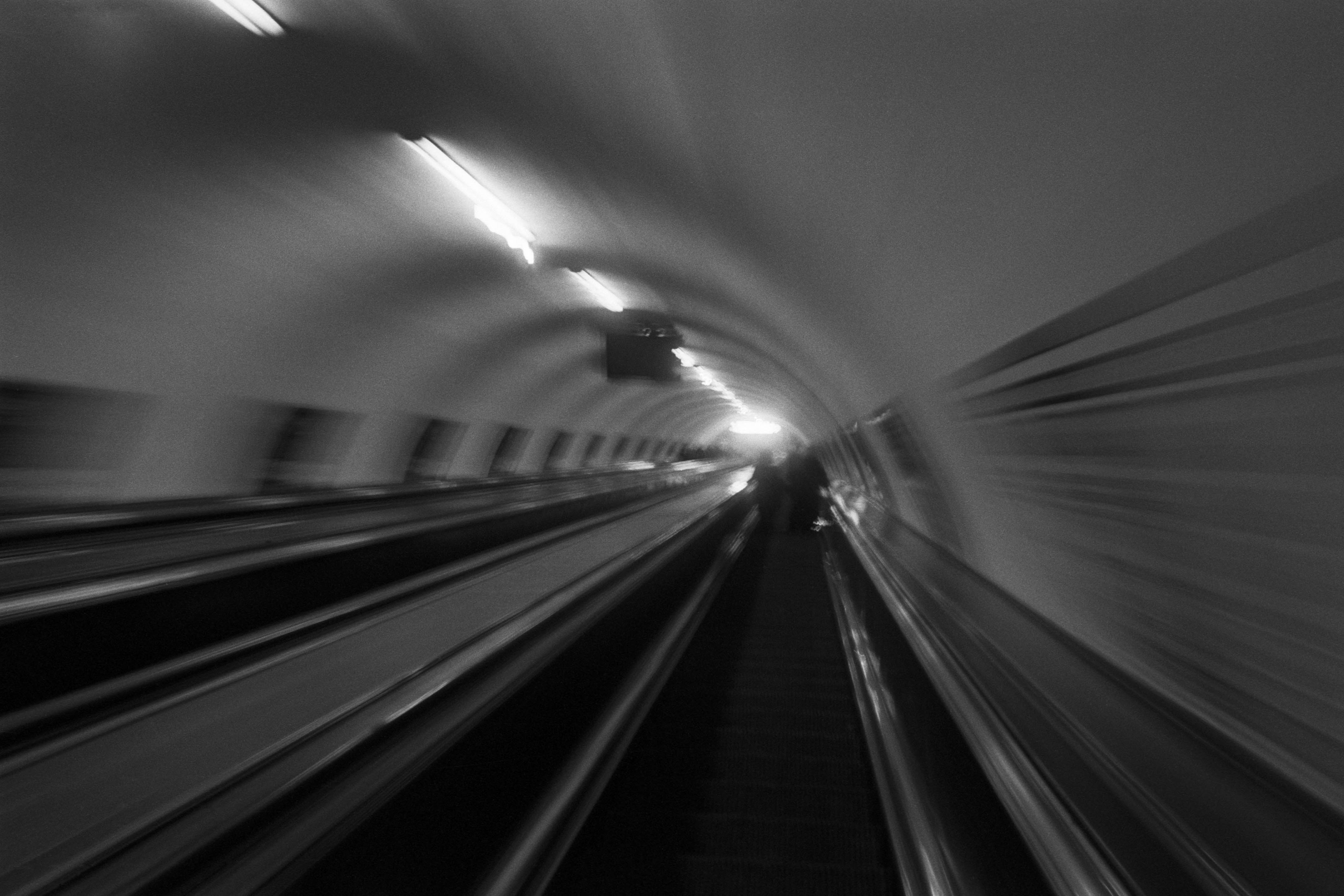
The Wall
2015Winner of the 1st prize & Golden Glass Award at the 11th Photographic Open Championship Olsztyn, and 1st place with the Special Prize of FORMAT magazine at the 3rd Biennial of Art in Piotrków Trybunalski.
View Series →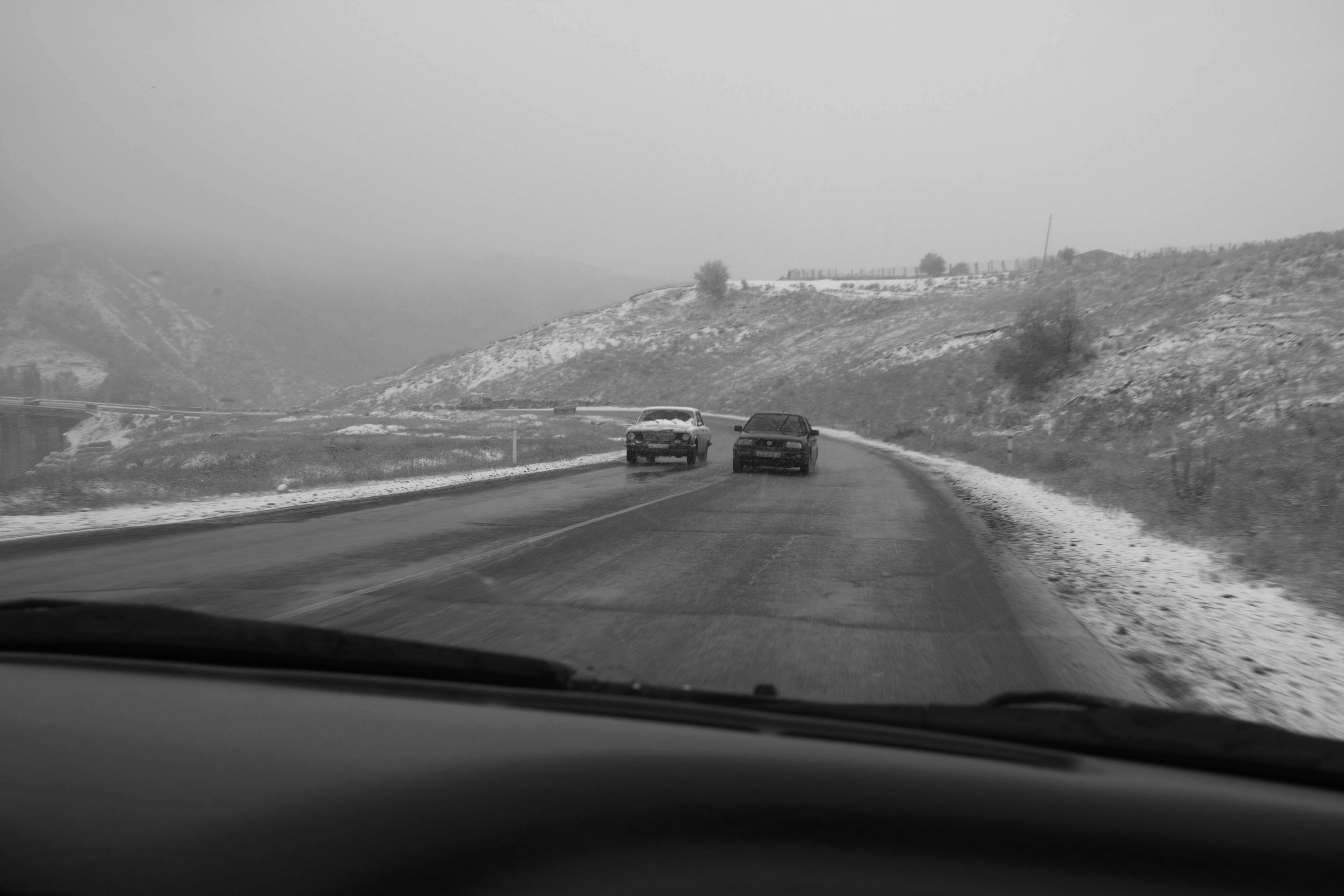
An Engagement Ring
2011A narrative series set in Wrocław in August 2011. Awarded 2nd prize & Silver Glass at the 10th Photographic Open Championship Olsztyn in 2014.
View Series →
Heat Wave
2014A documentary series recording spontaneous events across August and September 2014, capturing the raw energy of a city under the grip of summer.
View Series →