"Photography is not about the thing photographed. It is about how that thing looks photographed."
Building better partnerships behind the camera
Photographic polish can hide the decisions that made a campaign successful. A model may be styled by several hands, yet every shade, hem and accessory must support the photographer’s composition. Makeup artists and stylists therefore shape more than appearance: they interpret the image, control continuity and translate a written idea into something the lens can record.
Rafal Michalak is an award-winning photographer whose work spans fine-art portraits, fashion, events and conceptual series. His practice in Wrocław, Poland, combines medium-format and black-and-white film with darkroom principles and digital workflows. That blend of analogue discipline and flexible post-production offers a useful model for creative partnerships: establish the visual logic carefully, then adapt it to the shot, the location and the capture format.
Knowing how to collaborate with makeup artists and stylists is not about vague trust or constant improvisation. It comes from a clear brief, early testing and a shared understanding of who can approve changes. When the team knows the purpose of each look and how choices relate to lighting, camera movement and story, the working day becomes calmer and the images become more coherent.
For photographers working across Australia, coordination also needs local awareness. Sydney and Melbourne have dense freelance talent networks, while regional shoots often require longer travel windows and careful kit logistics. Australian commercial assignments commonly separate production fees from usage rights, and many freelancers quote in Australian dollars. Clear expectations prevent those practical differences from becoming friction on set.
Build a shared visual direction before the call sheet
Begin with the campaign’s central idea, not an isolated reference. A mood board can map colour, texture, era, attitude and photographic treatment, but every image should have a reason for being there. Share a short written brief explaining the story, intended audience and emotional register. This gives a makeup artist a clear basis for choosing a complexion and allows a stylist to develop a wardrobe silhouette rather than copying references without understanding their purpose.
Translate the mood board into discipline-specific notes. For makeup, identify the base, finish, brow shape, lip colour and whether skin should read as matte, luminous or textured. For wardrobe, define silhouette, fabric behaviour and movement. A fashion stylist may also advise on fit, while a makeup artist needs to know the neckline, footwear and how the body will be positioned. Specific notes reduce personal interpretation without removing creative room.
Run an early test with a representative model when the concept, product or location carries risk. Check skin tones, fabric contrast, jewellery reflections and how hair behaves in wind or humidity. Save annotated test frames and note the lens, aperture, lighting and camera distance. If the assignment includes both digital and film, test in both formats because sharpness, grain and colour response can alter the intended appearance.
Select the right team and define the working agreement
Choose collaborators whose portfolios show the kind of thinking your brief needs: editorial beauty, fashion e-commerce, commercial lifestyle or conceptual portraiture. A combined hair and makeup department can simplify a large production, while separate specialists offer more control over detail. Check how they work with photographers, assistants and other stylists, and whether their creative style can accommodate your concept without diluting their expertise. In Sydney and Melbourne, experienced freelance artists are often booked across several campaigns, so hold dates early and clarify whether each quote includes the artist, assistants, products, travel and GST.
Put commercial and legal terms in writing. Record fees, working hours, travel, kit, cancellation charges, credit, image releases, copyright and the exact scope and duration of usage. Australian copyright normally remains with the creator unless assigned in writing, so paying for a commission does not automatically transfer ownership. For a consumer commission, Australian Consumer Law requires services to be provided with due care and skill; fashion, editorial and corporate assignments may not qualify as consumer transactions. For high-value exclusivity, employment questions or unusual rights, obtain tailored legal advice.
Agree on call times, meals, breaks, fittings, parking, insurance requirements and cancellation terms. Give every collaborator the same production information, while allowing sensitive details to remain with the appropriate lead. Establish one decision-maker for approval, a response window for feedback and a route for resolving disputes. A short team message before the shoot should confirm who brings what, what has already been approved and which changes would require extra time or cost.
Design looks that work with the camera and location
Camera choices change what a beauty look can do. Matte powder can lose detail under hard light, gloss can create hotspots, and contour may look severe in high-contrast black-and-white. Film introduces grain and shifts colour, so a monitor match is not enough. Give the artist the camera, lens, capture format and lighting plan, and invite them to observe a test exposure. Stylists should see camera height and movement because a garment that hangs well in a static portrait may behave differently in motion.
Design around actual conditions rather than an idealised weather forecast. Melbourne can shift from bright sun to drizzle, Sydney’s coastal humidity affects hair and product, and Brisbane’s heat can change how makeup sets. These are ordinary Australian production conditions, not exceptions. Build breaks around the weather, keep water and shade available, and tell the team when broad-spectrum SPF 50+ has already been applied before base makeup. Sun protection, hydration and weather-ready clothing are routine location habits, so they belong in the run sheet.
Run fittings early enough to solve fit issues without turning the shoot into a clothing session. Check garments on the intended model, including shapewear, footwear and movement, and ask the stylist to bring compatible backup sizes. Create a shared look book that labels each outfit, undergarments, footwear and jewellery. Steam and clean pieces, remove loose threads and keep product quantities, nail colours, hair placement and makeup shades consistent between looks. For costume changes, assign a continuity number to every outfit and record a final reference frame.
Pre-production checklists that keep the shoot moving
Use a concise creative brief rather than a sprawling mood board alone. It should answer these points before anyone reaches for a kit:
- The concept in one sentence, including the intended audience and mood
- Reference images labelled by purpose, such as makeup, silhouette, pose or lighting
- Every required look, marked as essential, flexible or optional
- The final approver and the deadline for consolidated feedback
A parallel production checklist keeps the operational side equally clear:
- Call times, transit, parking, access, meals, breaks and each department’s first call
- Test frames showing the lens, lighting, distance and settings affecting the look
- An inventory of wardrobe, footwear, jewellery, products, props and repair supplies
- Weather actions, emergency contacts and contingency plans for delays
Treat the checklist as a live production document, not a PDF created once and forgotten. Mark approved changes in one place, notify only the affected team members and keep the call sheet current. A short check-in on the morning of the shoot can catch a changed train timetable, a hot forecast or a missing garment before vehicles leave the studio.
Protect the result from first setup to final delivery
On the day, protect the team from avoidable interruptions. Set up a clean shared area with adequate power, mirrors, seating and storage. Makeup and hair artists need uninterrupted access for sanitation, product changes and rest without people moving through the space. The photographer should maintain control of the set, while stylists keep garments steamed, lint-free and ready in sequence. Brief everyone on the running order, priority frames, shot list, meal breaks and the location of the first-aid kit.
Use the test frames as a common reference. The photographer controls camera position and exposure, the lead artist protects continuity, and the stylist oversees garment integrity. If an idea conflicts with practicality, move it to the designated decision-maker instead of creating competing instructions. Pause for one controlled test whenever a product or outfit behaves differently on camera, then record the approved version with a reference image and time stamp. This prevents a promising setup from being lost because two people remember it differently.
After the shoot, agree on selects, retouch rounds, delivery dates, backup storage and which images can appear in portfolios or campaigns. Give makeup artists and stylists the agreed credit and confirm that neither side will use confidential campaign imagery without permission. Master files, project documents and test frames should remain backed up in more than one place, with a clear owner for each deliverable. Future commissions can begin with a direct conversation about the concept, location, cast and deliverables; you can discuss the project brief before either team commits to a production schedule. When responsibilities and review stages are explicit, beauty and wardrobe support become measurable creative strengths rather than last-minute corrections.
Selected Series
A cross-section of commissioned and personal projects spanning fine art, commercial, and conceptual work.
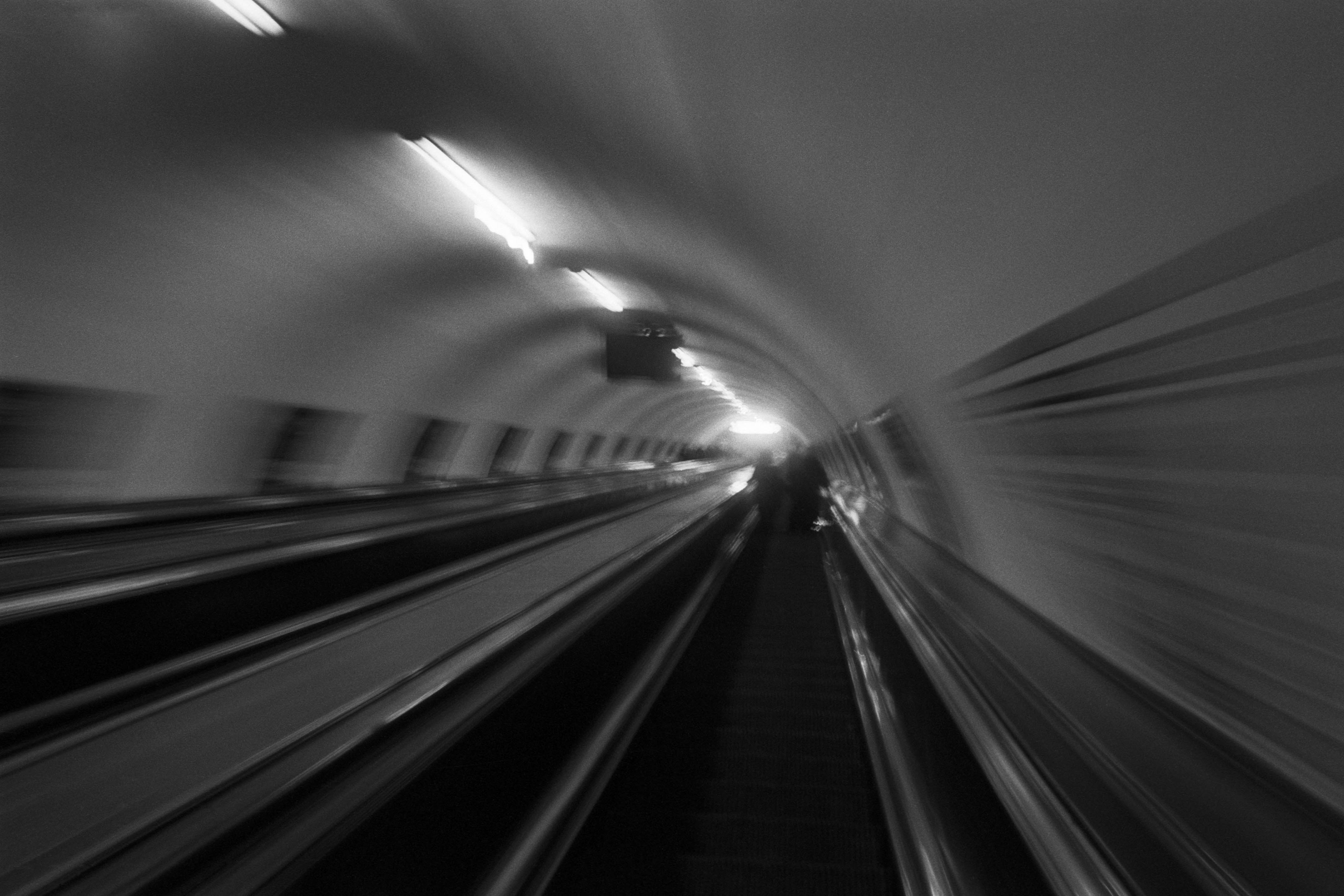
The Wall
2015Winner of the 1st prize & Golden Glass Award at the 11th Photographic Open Championship Olsztyn, and 1st place with the Special Prize of FORMAT magazine at the 3rd Biennial of Art in Piotrków Trybunalski.
View Series →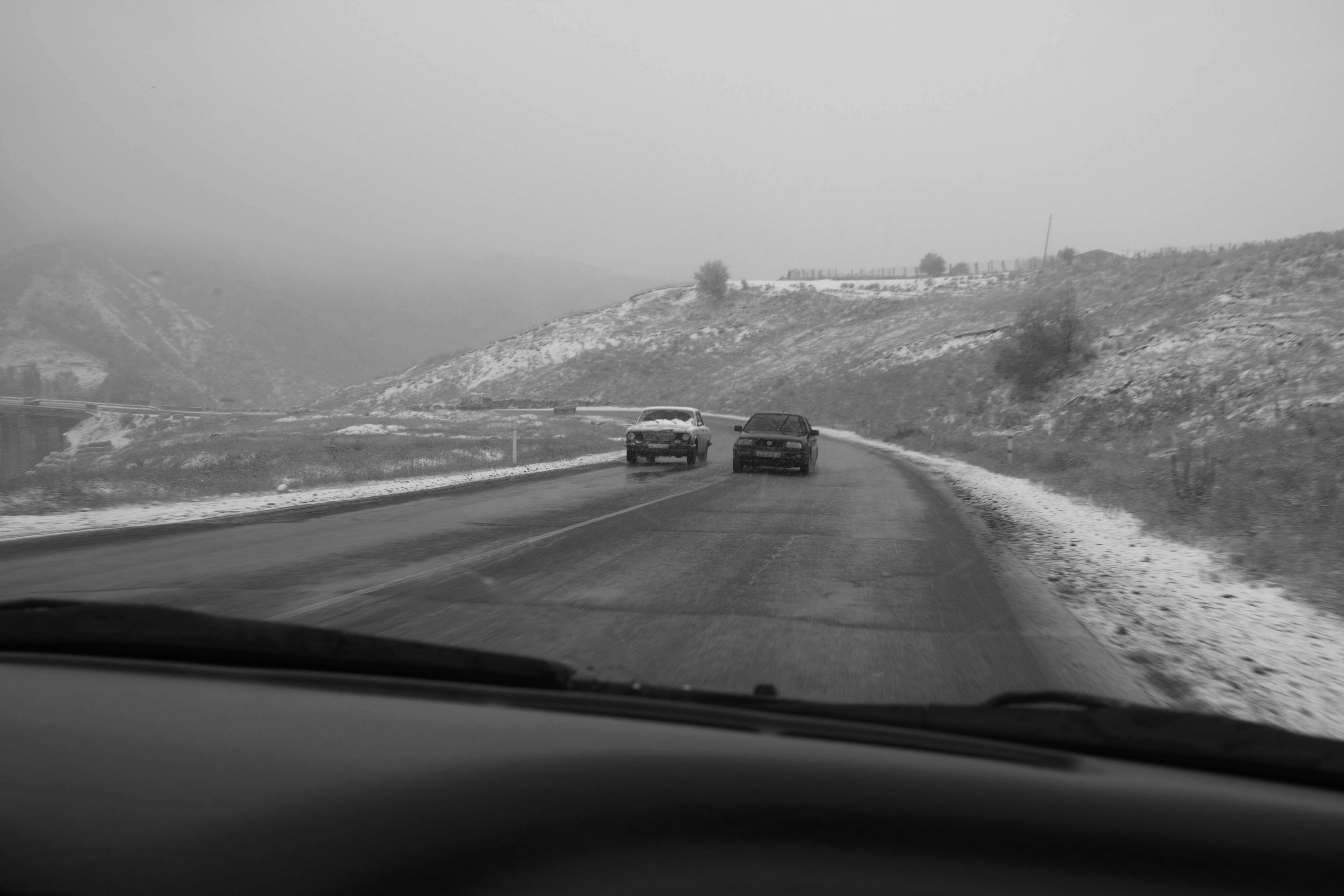
An Engagement Ring
2011A narrative series set in Wrocław in August 2011. Awarded 2nd prize & Silver Glass at the 10th Photographic Open Championship Olsztyn in 2014.
View Series →
Heat Wave
2014A documentary series recording spontaneous events across August and September 2014, capturing the raw energy of a city under the grip of summer.
View Series →