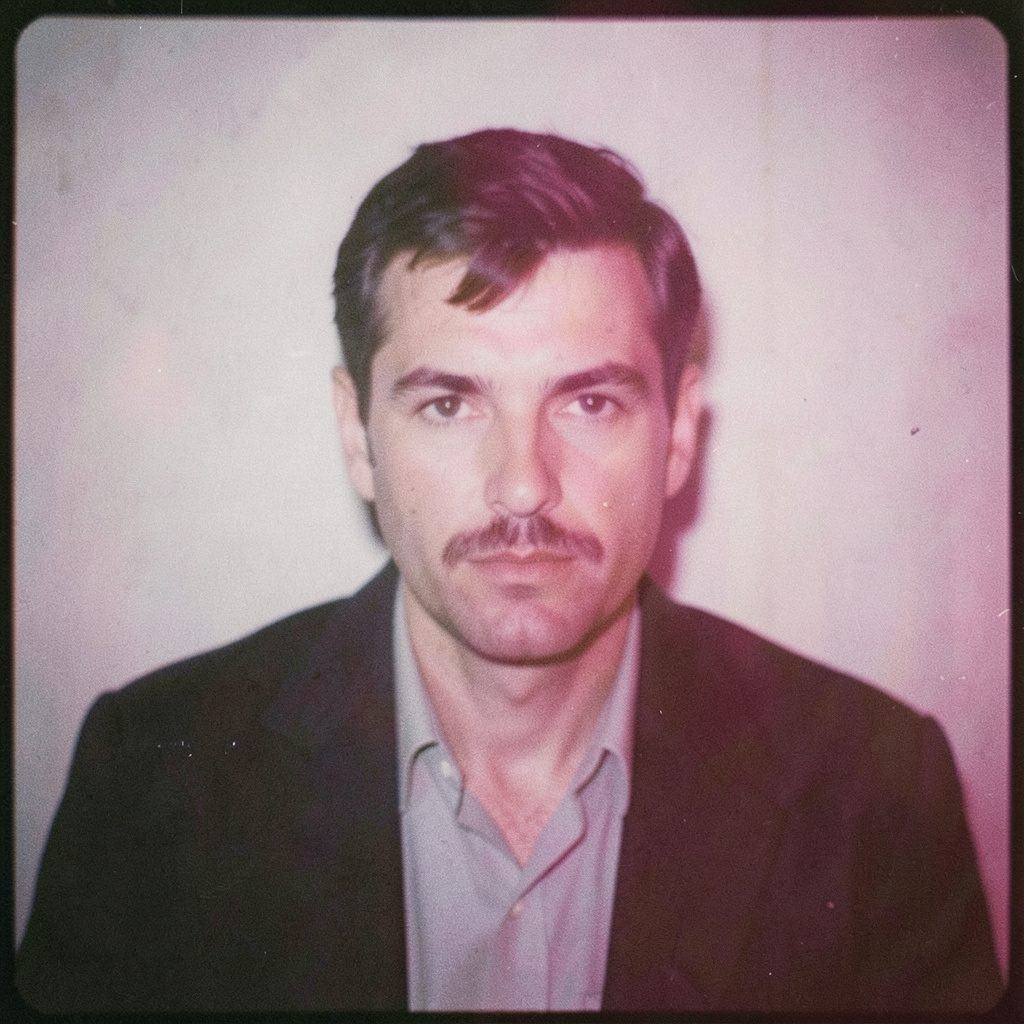
"Photography is not about the thing photographed. It is about how that thing looks photographed."
Building A Meaningful Self-Portrait Series
A self-portrait series is more than a collection of images showing the same person. It is a sustained visual enquiry into identity, memory, place, performance, and change. Each photograph becomes part of a larger conversation, with recurring shapes, gestures, colours, materials, and emotional tensions creating connections between separate moments.
Learning how to create a series of self-portraits as an artist begins with curiosity rather than equipment. A sophisticated camera, studio, or elaborate costume may support the work, but the central decision is conceptual: what are you trying to examine? When the idea has depth, even a bedroom, suburban street, rented flat, or quiet corner of a workplace can become a meaningful photographic setting.
Find A Question Worth Photographing
A strong self-portrait project usually begins with a question that cannot be answered in a single frame. “What do I look like?” is too limited. Consider questions such as: Which parts of myself do I hide in public? How does my body respond to a particular place? What remains of a family history in my gestures? How do I perform confidence, belonging, grief, ambition, or calm?
Write the question in a notebook, then list the images, memories, and physical sensations it brings to mind. Do not rush to make the photographs beautiful. A personal project becomes more compelling when it contains uncertainty, contradiction, or discomfort. You might photograph yourself appearing composed while the surrounding environment suggests anxiety, or use a formal pose to explore the distance between your public identity and private thoughts.
Your subject can be intimate without exposing every detail of your life. Some photographers work with fragments: a shoulder, a reflection, a shadow, a hand holding an inherited object, or clothing associated with a particular period. This approach can protect your privacy while giving the series room for ambiguity. The viewer does not need a complete biography; they need enough visual evidence to sense that the images belong to one emotional world.
Give the project a temporary title, even if it remains private. A title such as After The Last Train, Borrowed Rooms, or Heat On The Skin can guide decisions about light, location, and pacing. It may change later, but it helps transform an undefined collection of photographs into an intentional body of work.
Establish A Visual Language
A series gains unity when it follows a set of visual rules. These rules do not need to be rigid, and breaking them can become meaningful, but a clear starting point helps you avoid making unrelated images. Decide whether the project will rely on colour or black and white, direct gaze or avoidance, stillness or movement, natural light or flash, visible surroundings or tightly cropped details.
Traditional analogue processes can be especially valuable for self-portraiture because they slow the relationship between making and reviewing. Medium-format film can create a rich tonal range and a deliberate physical presence, while black-and-white printing can remove distracting colour associations. Digital photography offers immediate feedback, precise control, and the ability to work repeatedly without processing costs. A mixed workflow can be effective when the difference between formats reflects a difference in memory, time, or emotional state.
Choose a limited palette of recurring elements. A white shirt, a particular chair, a doorway, a mirror, a strip of afternoon sun, or a repeated hand position may appear across the series. These motifs act like visual punctuation. They can connect images made weeks apart and help the viewer recognise an evolving theme.
Composition deserves the same attention as subject matter. Repeated camera height, a consistent distance from the lens, or a fixed aspect ratio can establish continuity. Alternatively, deliberate changes can show development: early images might be tightly framed and controlled, while later photographs open into wider landscapes. The important point is that variation should feel purposeful rather than accidental.
Make The Ordinary Place Significant
You do not need a permanent studio to produce considered self-portraits. A narrow hallway, a garage, an office after hours, or a patch of garden can offer more visual information than a generic backdrop. Observe how the location changes throughout the day. In Australia, strong ultraviolet light can create hard shadows and intense contrast, particularly in summer, while overcast conditions in cities such as Melbourne can produce soft, muted light that suits quieter work.
Sydney apartments may offer limited floor space but interesting reflected light from windows and neighbouring buildings. In Brisbane or Darwin, humidity and heat can affect makeup, clothing, paper backdrops, and film storage, so practical preparation matters. A portable reflector, black cloth, clips, and a stable tripod can make a small location much more flexible. Work with the conditions rather than trying to erase every trace of them.
Australian everyday life can become part of the visual language without turning the photographs into obvious travel imagery. A bus shelter, a tiled veranda, a laundromat, a suburban footpath, or a beach car park may carry associations about work, leisure, isolation, and class. A recurring object such as a sun hat, takeaway cup, work lanyard, or canvas shopping bag can ground an abstract idea in lived experience.
Think carefully about public photography and personal boundaries. Australian privacy expectations vary by context, and being in a public place does not remove every ethical consideration. Avoid including strangers in identifiable ways when the image could embarrass, endanger, or misrepresent them. If a location is privately owned, ask permission before setting up. For commercial use, exhibitions with sensitive content, or images involving other identifiable people, written consent and location permissions provide useful protection.
Develop A Repeatable Working Method
Self-portraiture requires you to manage the camera and perform in front of it at the same time. A tripod, remote shutter, tethered setup, or interval timer can help, but technical reliability should be established before exploring the emotional side of the work. Make test frames to check focus, exposure, background distractions, and the distance at which the trigger works.
Work in sessions rather than waiting for a perfect image. Set a modest structure: prepare the location, make ten quiet frames, change one element, then make ten more. Repetition reduces self-consciousness and allows gestures to become less theatrical. If you use film, decide in advance how many exposures belong to each idea. The limits can encourage concentration and make each frame more deliberate.
A useful session can include a small number of planned variations:
- Change only the direction of your gaze.
- Repeat one pose in three different locations.
- Photograph the same object at different distances.
- Make one controlled image and one deliberately imperfect image.
Keep notes about the date, weather, location, clothing, light, camera settings, and your response to the session. These details may reveal patterns that are not visible in the images alone. You may discover that your most honest photographs occur after ten minutes of waiting, during rain, or when you stop trying to appear expressive.
Review the photographs after some time has passed. Immediate selection is often influenced by vanity, embarrassment, or the memory of how difficult the session felt. Mark images that remain visually or emotionally active after several days. A technically imperfect frame may hold the strongest gesture, while a polished photograph may contribute little beyond attractiveness.
Protect the working files and physical materials. Maintain at least two digital backups, store negatives in archival sleeves, and record printing information. If you work with analogue film in Australia, consider the effect of heat on unprocessed rolls and avoid leaving them in a parked car. A careful archive allows the series to develop over months or years instead of becoming vulnerable to one lost card or damaged negative.
Edit, Sequence, And Present The Work
Editing is where a group of self-portraits becomes a series. Begin with a broad selection, then remove images that repeat the same idea without adding a new quality. Look for rhythm: a close frame followed by an open space, a dark image followed by a pale one, a direct gaze interrupted by a turned back. Sequencing is a form of meaning-making, so the order can suggest progression, rupture, return, or unresolved tension.
Do not choose every photograph that feels personally important. Some images may matter because of the memory attached to them, yet communicate very little to someone who was not present. Ask what each frame contributes through shape, tone, gesture, or atmosphere. A quieter photograph can create necessary space between more dramatic images, while an apparently simple image may become essential because it changes the pace.
Printing can expose weaknesses that are easy to overlook on a screen. Test small prints first, then assess scale, contrast, paper surface, and the relationship between neighbouring images. Black-and-white photographs may require careful control of mid-tones, while colour work can be affected by the warmth of gallery lighting. An archival print on cotton rag paper will feel different from a glossy exhibition print, and the material choice should support the concept.
If you plan to show the work in an Australian gallery, artist-run space, online portfolio, or photo book, research the expectations of that context. Local audiences may encounter the project through open calls, photographic festivals, university exhibitions, or independent art spaces in cities such as Sydney, Melbourne, Adelaide, Perth, or Wrocław-based online networks with international reach. A coherent artist statement should explain the enquiry without describing every photograph.
Share The Series With Care And Intention
Presentation determines how viewers encounter the work. A wall installation encourages movement and physical pauses, while a book creates a private, sequential experience. An online gallery can reach a wider audience, but screens vary in brightness and colour, and rapid scrolling can flatten the rhythm of a carefully edited sequence. Select the format according to the emotional pace of the project rather than treating every photograph as a separate portfolio entry.
Write a short statement that names the central concern, method, and visual choices. Avoid turning the text into a diary entry or explaining what viewers are required to feel. The photographs should carry the primary meaning. If the project includes vulnerable material, decide in advance how much personal context you are willing to discuss in interviews, captions, or social media posts.
Australian copyright law generally gives the photographer copyright in original photographs, subject to particular employment or commissioning arrangements. Moral rights, including the right of attribution and protection against derogatory treatment, also matter when work is reproduced or exhibited. Keep clear records of authorship, permissions, commissions, and image licences. If another person appears in the work, a model release may be prudent even where it is not legally mandatory, especially for commercial publication.
A self-portrait series does not have to resolve its central question. The strongest projects often leave evidence of change without presenting a neat transformation. By returning to the same concern with greater patience, you can create images that function as individual photographs and as part of a sustained artistic statement. The camera becomes a tool for observation, while the series becomes a record of how your way of seeing yourself shifts over time.
Selected Series
A cross-section of commissioned and personal projects spanning fine art, commercial, and conceptual work.
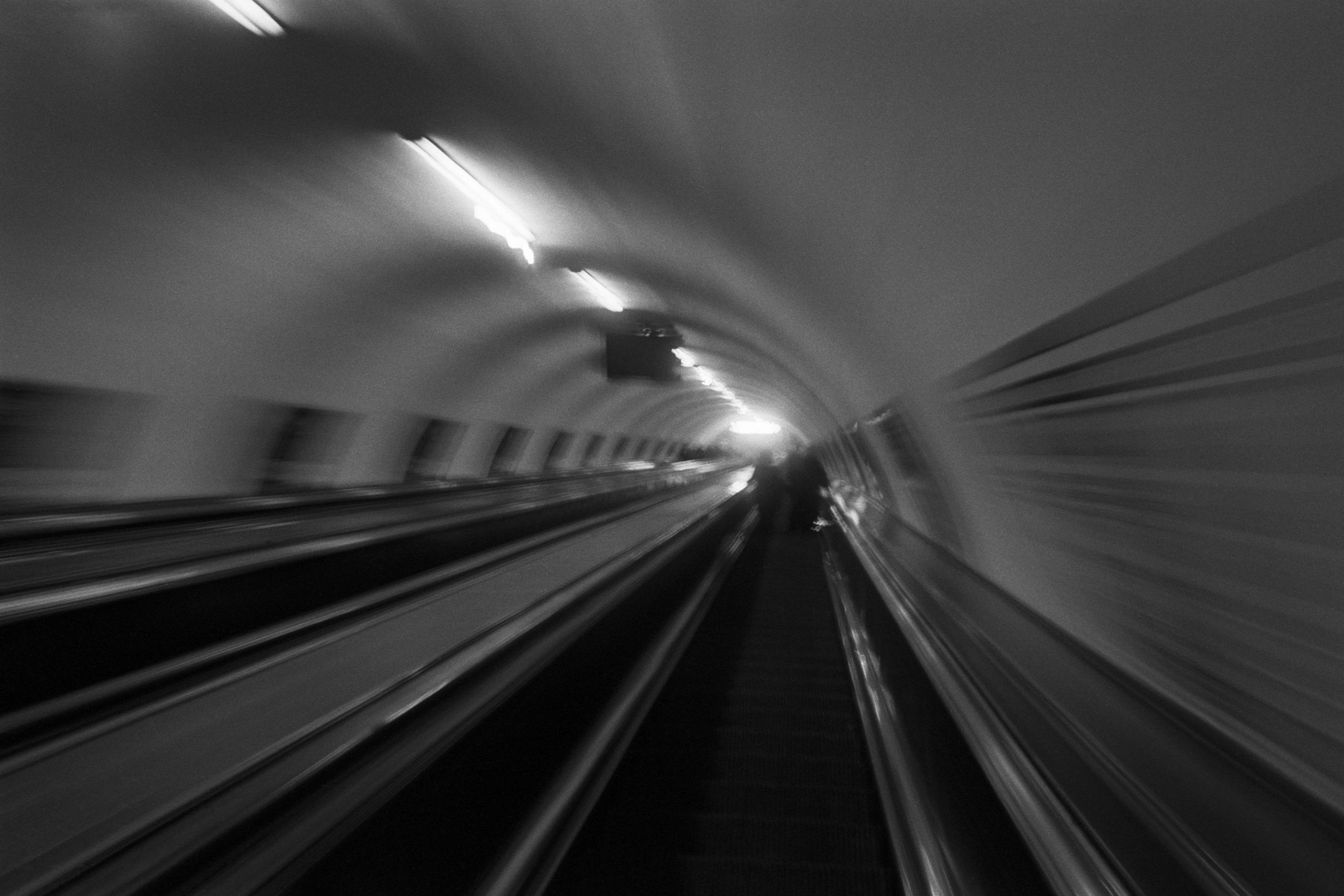
The Wall
2015Winner of the 1st prize & Golden Glass Award at the 11th Photographic Open Championship Olsztyn, and 1st place with the Special Prize of FORMAT magazine at the 3rd Biennial of Art in Piotrków Trybunalski.
View Series →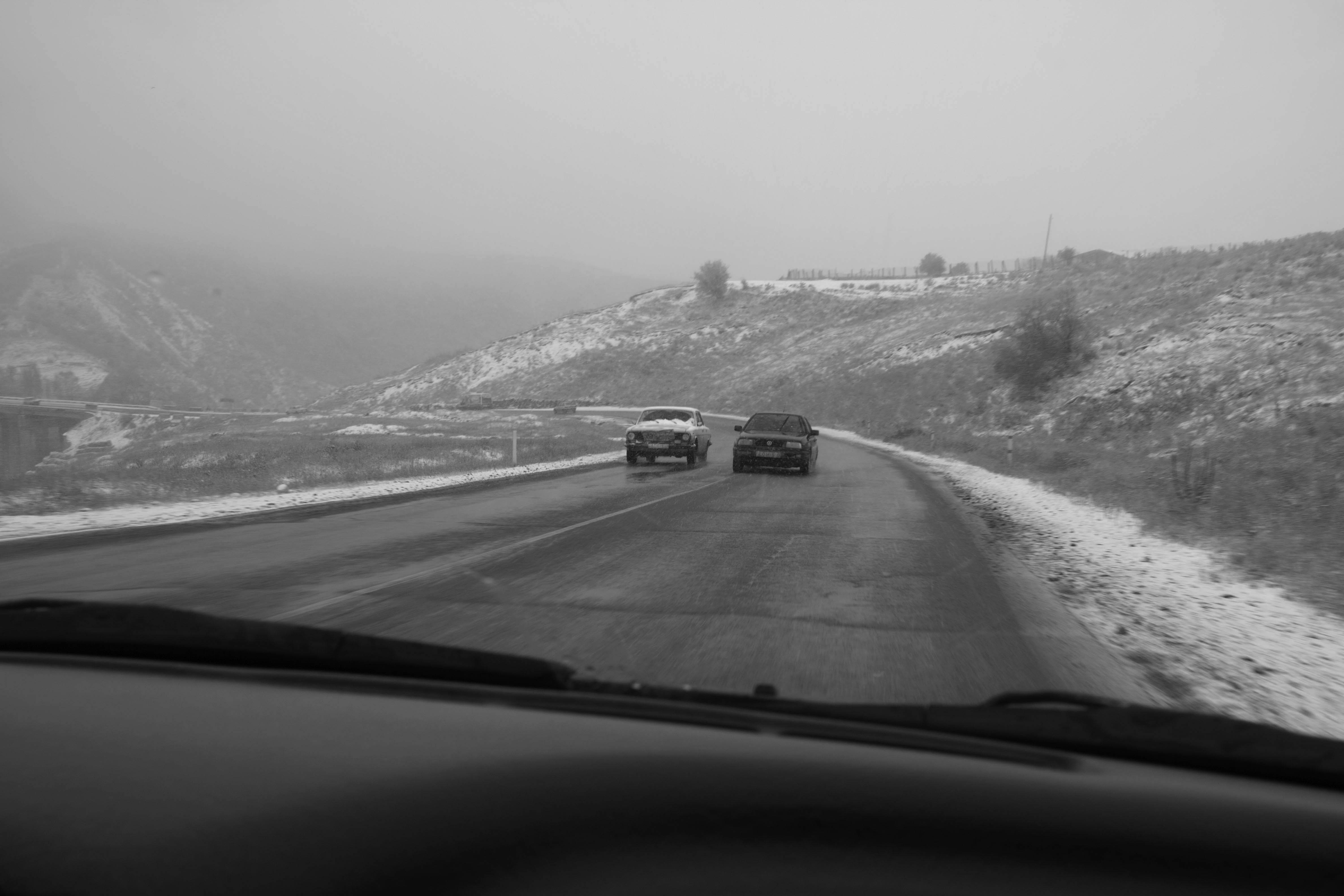
An Engagement Ring
2011A narrative series set in Wrocław in August 2011. Awarded 2nd prize & Silver Glass at the 10th Photographic Open Championship Olsztyn in 2014.
View Series →
Heat Wave
2014A documentary series recording spontaneous events across August and September 2014, capturing the raw energy of a city under the grip of summer.
View Series →