"Photography is not about the thing photographed. It is about how that thing looks photographed."
Finding And Working With Local Models Without An Agency
Independent photographers can build remarkable teams without relying on a traditional modelling agency. Local models bring personality, cultural knowledge and a practical connection to the places where a project is made. For portraiture, fashion editorials, events and conceptual photographic series, that connection can be more valuable than a polished agency portfolio.
Working directly also gives both photographer and model greater control over the creative process. The arrangement requires care, however. Clear communication, fair payment, written permissions and a respectful set are essential, particularly when the work involves personal stories, implied nudity, unfamiliar locations or commercial use. A thoughtful process makes collaboration safer and often produces more distinctive images.
Define The Project Before Looking For Talent
Start with a concise creative brief. Describe the purpose of the shoot, visual references, location, approximate duration, wardrobe, intended audience and final use of the photographs. A business portrait session, an art project and a clothing campaign each require a different kind of collaborator. The model’s age, experience, availability and comfort with the concept should be relevant to the work, rather than treated as a generic search for an attractive face.
A mood board can communicate the atmosphere more effectively than a long message. Include references for lighting, posture, expression, styling and composition, while making clear that the images are inspiration rather than a promise of exact replication. If you work with medium-format film, black-and-white film or a slow, considered darkroom-inspired process, explain that the pace may be different from a fast digital fashion shoot.
Decide what you can offer before contacting anyone. Establish a realistic budget for the model fee, travel, meals, hair and makeup, wardrobe, location costs, film, processing and retouching. A strong concept is valuable, but it does not replace payment when the images serve a commercial purpose. For a personal portfolio collaboration, a carefully defined time-for-images arrangement may be appropriate if both parties genuinely agree.
Search In The Local Creative Community
Social media is often the most direct way to find independent models. Instagram, local Facebook groups, creative networking pages and community noticeboards can reveal people who have little agency representation but substantial presence and confidence in front of a camera. Search by city and creative interest, such as Melbourne editorial model, Sydney portrait collaborator or Brisbane fashion creative, while checking that profiles are authentic and current.
Photography schools, fashion colleges, theatre companies, dance studios and independent designers are useful sources of referrals. A stylist, makeup artist or art director may know reliable models who suit a particular visual language. Local exhibitions, zine fairs and creative markets can also lead to useful conversations. In Perth, Adelaide and Hobart, smaller creative communities may offer fewer choices than Sydney or Melbourne, yet personal introductions can create stronger working relationships.
Avoid treating online reach as proof of professionalism. Review recent images, look for consistency across different photographers and pay attention to how the person communicates. A model does not need a large following or conventional agency measurements to be right for a portrait or conceptual series. Distinctive features, expressive movement and an ability to respond to direction may matter far more than standard commercial criteria.
Approach People With Specific Information
A first message should be personal, brief and complete. Explain why you think the person suits the project, identify yourself and your photography practice, and provide the essential details. State the proposed date, location, duration, concept, clothing expectations, fee or collaboration arrangement, image delivery and intended use. A vague message asking someone to “create something” leaves too much uncertainty and can feel careless.
Include a link to a professional portfolio rather than sending a large collection of unrelated images. Your portfolio should show how you handle people, light and atmosphere. If your work includes fine art portraits, fashion, events or commercial commissions, select examples that are relevant to the proposed session. An independent model should be able to understand your visual approach before agreeing to work with you.
Give the person time to consider the offer. Do not pressure someone for an immediate answer, and do not ask for revealing test images or personal information that is unrelated to the shoot. If a model declines, respond politely. The creative industries in Australian cities are closely connected, and a respectful reputation travels further than a single booking.
Agree On Money Rights And Safety
Put the arrangement in writing before the session. A simple model release or photography agreement should identify the parties, date, location, fee, cancellation terms, image usage, credit expectations and delivery schedule. It should also distinguish between portfolio use, editorial publication, paid advertising, social media promotion and third-party licensing. Permission for one purpose should not be treated as permission for every future use.
Australian copyright generally belongs to the photographer who creates the image unless an agreement states otherwise, but copyright ownership does not remove a person’s privacy, contractual or reputation-related concerns. A signed release helps document consent and permitted use, especially when an identifiable model appears in commercial advertising. For a business client, keep the model release aligned with the client’s campaign and intended territories rather than using a vague permanent permission.
Pay the agreed fee promptly and record the transaction. Independent contractors may need to provide an invoice or Australian Business Number, and tax responsibilities can vary according to the arrangement. For legal or tax questions, use current guidance from Australian government agencies or obtain professional advice. If the model is under 18, involve a parent or legal guardian, follow applicable child employment requirements and use additional safeguarding procedures. Never place a minor in an adult-themed concept.
Safety covers the practical details as well as the contract. Share the address, transport information and call time in advance. For a first meeting, a public café or professional studio is preferable to a private home. Allow the model to bring a support person where appropriate, and ensure that changing areas are private. Obtain specific, informed consent for any sensitive styling, physical contact or concept involving partial nudity; consent can be withdrawn at any stage.
Plan Around Australian Conditions
Local conditions have a direct effect on the shoot. Australian light can be harsh in the middle of the day, while coastal wind can make hair, clothing and sound difficult to control. In Sydney, allow extra time for traffic and parking around inner-city locations. In Melbourne, prepare for rapid weather changes and keep a covered alternative nearby. Brisbane and Darwin sessions may work better in the morning or late afternoon, when heat and humidity are less demanding.
Location permissions should be checked rather than assumed. A public-looking laneway, beach, park or station may be managed by a council, transport authority, national park service or private owner. Some locations restrict commercial photography, tripods, lighting equipment or changing facilities. Contact the relevant authority, obtain permits where required and carry public liability insurance if the location or client requires it.
Respect everyday routines and local access. Public transport can be useful in Sydney, Melbourne and Brisbane, but a model carrying wardrobe and equipment may need a practical pickup point. In regional areas, distances between towns can make travel fees and accommodation part of the budget. Consider sun protection, drinking water, insect repellent and a wet-weather plan, particularly for outdoor work. These details communicate professionalism before the camera is switched on.
Prepare A Comfortable Working Set
Send a call sheet a few days before the session. Include the meeting point, parking or public transport instructions, contact numbers, schedule, wardrobe notes, weather plan and payment details. Explain whether the model should arrive with clean skin, particular shoes, minimal makeup or several clothing options. Avoid instructions that are unnecessarily restrictive or that assume a body type, gender expression or cultural background.
Build in time for conversation and a low-pressure warm-up. People often need several frames before their posture and expression become natural, especially if they have little modelling experience. Begin with simple standing or walking portraits, then introduce more specific direction. Demonstrate a pose yourself when useful, or describe the emotional intention rather than physically repositioning the person.
If the session involves styling, ask about allergies, mobility needs, religious considerations and any garments the model does not wish to wear. A stylist or makeup artist should also understand the agreed boundaries. In a small independent production, the photographer may carry several responsibilities, but that does not mean the model should be expected to manage every practical task without support.
Direct With Clarity And Respect
Good direction is precise, calm and encouraging. Instead of saying “look better”, try “turn your shoulders slightly towards the window and keep your eyes just past my left shoulder”. Give one adjustment at a time, allow the model to respond and show selected frames when that helps. On film, explain that the pace will be slower and that you may not be able to provide immediate previews.
Keep checking comfort without making the model responsible for the entire creative outcome. If a pose causes strain, change it. If a concept starts to feel different from the original brief, pause and discuss it. Never use embarrassment, sexualised language or aggressive pressure as a substitute for direction. A professional set can be relaxed and collaborative without becoming unclear about boundaries.
Review the images during breaks, but do not turn every frame into a judgement. Your role is to shape light, composition and atmosphere while allowing the model’s individuality to remain visible. This is particularly important in fine art and conceptual photography, where an unexpected gesture or imperfect moment may become more compelling than a technically controlled pose.
Deliver Images And Build Trust
After the shoot, follow the agreed timeline. Keep accurate notes about selected frames, film rolls, processing, retouching and client approvals. If you photograph on analogue film, tell the model when development, scanning and final editing are expected to be completed. Delays are sometimes unavoidable, but silence creates uncertainty. A short update is more professional than leaving someone to guess whether the project is still active.
Deliver the agreed images in an accessible format and provide credit information where promised. If a photograph is later licensed for advertising, notify the model when the contract requires it and handle any additional usage payment promptly. Do not publish unapproved behind-the-scenes photographs if the model has requested privacy, and do not tag a person in a sensitive project without clear permission.
Maintain a simple record of reliable collaborators, their preferred genres, rates, availability and boundaries. An independent model who was ideal for a monochrome portrait may be equally strong in an editorial campaign or event commission. Treat each relationship as a professional partnership rather than a disposable transaction. Clear agreements, fair compensation and consistent respect create a local creative network that can support ambitious photography across Australia.
Selected Series
A cross-section of commissioned and personal projects spanning fine art, commercial, and conceptual work.
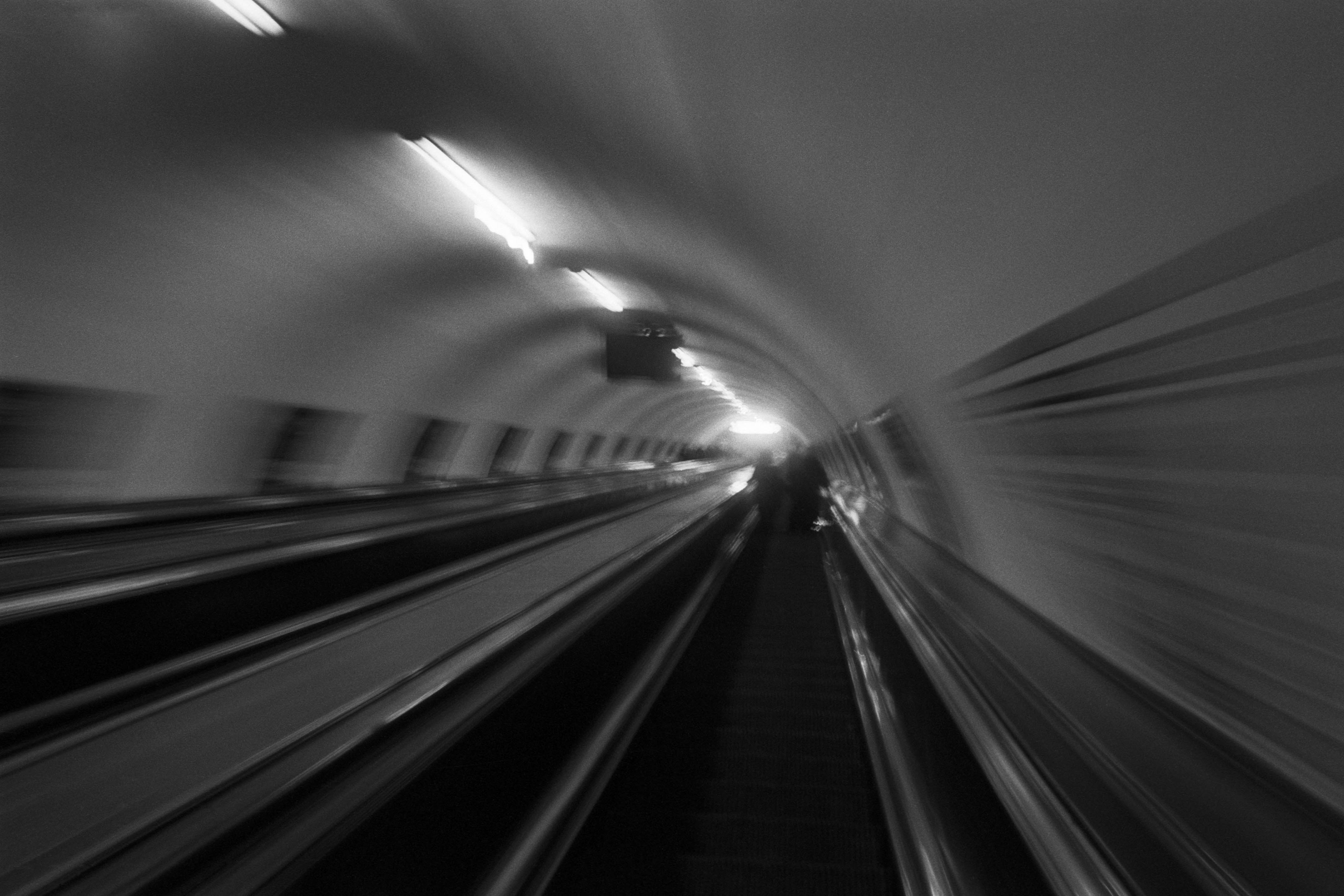
The Wall
2015Winner of the 1st prize & Golden Glass Award at the 11th Photographic Open Championship Olsztyn, and 1st place with the Special Prize of FORMAT magazine at the 3rd Biennial of Art in Piotrków Trybunalski.
View Series →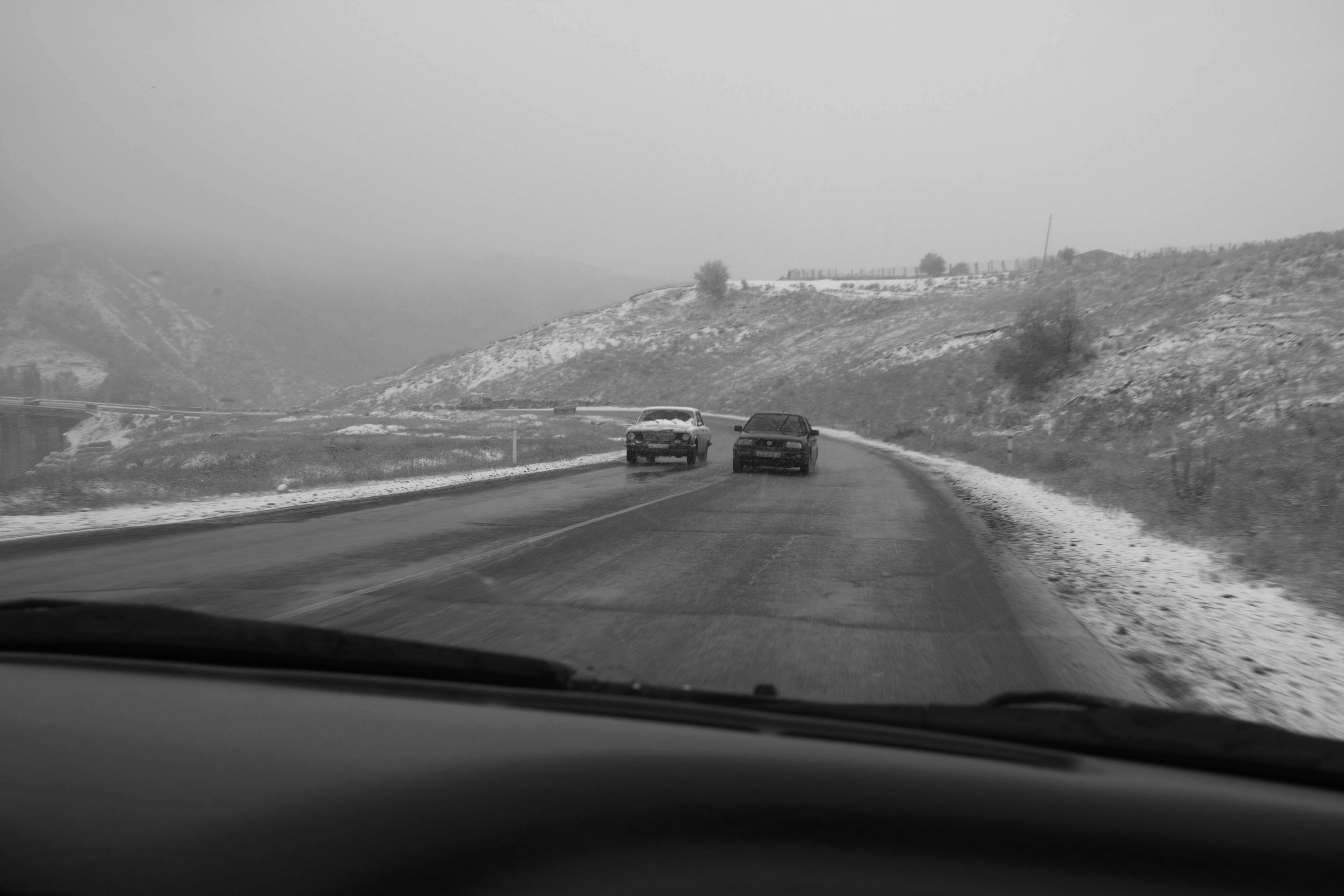
An Engagement Ring
2011A narrative series set in Wrocław in August 2011. Awarded 2nd prize & Silver Glass at the 10th Photographic Open Championship Olsztyn in 2014.
View Series →
Heat Wave
2014A documentary series recording spontaneous events across August and September 2014, capturing the raw energy of a city under the grip of summer.
View Series →