"Photography is not about the thing photographed. It is about how that thing looks photographed."
How to photograph a live performance without flashing
Live performance photography depends on anticipation rather than extra light. A singer leaning into a lyric, a drummer lifting both sticks, or a guitarist caught in a burst of feedback can disappear in a fraction of a second. Available stage lighting preserves the room’s contrast, colour and atmosphere, while flash often freezes the picture at the cost of startling the performer and pulling the audience’s attention towards the camera.
Australian stages make this demanding in recognisable ways. A compact room in Brunswick or Fitzroy may have a low stage, a crowded pit and a wall of blue LED panels; a Fortitude Valley festival stage can expose the camera to wind, dust or summer haze. In Melbourne, a musician can begin while daylight still leaks through the doors. These conditions reward preparation, careful movement and an understanding of the venue rather than assumptions borrowed from a larger arena.
The practical approach is to control what enters the frame rather than trying to manufacture every light source. Learn the stage, work with the lighting designer’s changes and capture several layers of the event: the performer, the musicians, the audience and the atmosphere between songs. A photograph that feels alive will usually serve the artist and promoter better than a technically bright frame made with a direct flash.
Plan the route before the music starts
Ask the stage manager or front-of-house engineer for the stage plot, performer marks, set changes and major lighting cues. Note where musicians stand, whether they move towards the front edge and whether the drum riser will hide their hands or faces. A quick conversation before the soundcheck is often more valuable than a full set of speculative settings.
Walk the room and identify several workable positions. The pit may offer emotional proximity, while the side of the stage can provide cleaner silhouettes and better views of a guitarist’s hands. A rear or elevated position might capture the venue, but confirm that raised areas provide a clear view. At the same time, remember that audience members may have paid for an unobstructed experience, so remain within the designated photography zone.
Plan for changing conditions. Outdoor summer shows in Brisbane and Adelaide can move from hard sunlight into humid twilight, while a breeze may shake a long lens or carry dust into the front row. Carry lens cloths, protect the camera from sudden rain and allow enough time to reposition before the headline set. A route planned in daylight will prevent hurried movement once the room is dark.
Secure permission and define image rights
The first conversation should cover access as well as lighting. Confirm whether flash is prohibited, whether a media pass or accreditation is required, and whether any performer or sponsor has requested restricted photography. Some Australian venues also require public liability insurance or proof of professional accreditation. Give the tour manager a shout before the doors open rather than assuming that backstage access is automatically available.
Flash is rarely acceptable during a live set. Even bounced flash can disrupt the performer’s vision, expose audience members’ eyes or reveal the camera position. Bright bursts may also cause musicians to step away from their marks. Treat house lighting as the complete lighting plan unless the promoter and stage manager explicitly approve a supplemental source.
Being allowed to photograph does not automatically grant unrestricted commercial use. Australian promoters, labels and agencies often commission images for press, posters, social media and paid campaigns. Agree on the permitted channels, duration, territory, credit line and any approval required for sensitive uses. A useful written agreement separates access to the venue from the right to reproduce the resulting photographs, preventing uncertainty after the event.
Choose quiet, adaptable equipment
A full-frame or APS-C mirrorless body with fast autofocus is usually the most practical choice for concert photography. A 24–70mm zoom covers environmental views and close portraits, while a 50mm or 85mm lens offers a more intimate perspective without forcing the photographer into the crowd. A fast wide-aperture lens is valuable because stage light is often limited; f/2.8 gives useful depth of field at high shutter speeds.
Quiet operation matters as much as speed. Read noise or camera movement can distract nearby performers and audience members, but a fully electronic shutter may create horizontal banding beneath some LED panels and fluorescent stage fixtures. Test the camera under the house wash before the performance. A mechanical shutter or electronic first-curtain mode may produce cleaner results, even if it is slightly louder.
Digital cameras handle the changing exposure and rapid reframing of live music more efficiently than film. Traditional medium-format equipment can still produce striking frames when a performer remains near a fixed mark, yet lens changes in a dark stage area can waste valuable time. Whichever system you use, carry charged batteries, several formatted cards and a backup body. Keep essential lenses accessible without allowing them to strike the stage or another photographer’s equipment.
Set exposure for changing stage light
Begin with RAW capture, manual exposure and the highest shutter speed the movement requires. A useful starting point is f/2.8 to f/4, Auto ISO with a sensible ceiling such as 6400, and a shutter speed around 1/250 second. Increase the speed to 1/500 or 1/1000 second for fast drummers, jumping performers or sharp hand gestures. Lower settings are appropriate when the subject is relatively still, but verify that motion blur belongs to the intended part of the image.
Meter the performer rather than the dark stage. A dim background can cause a camera to overexpose the face, while a brilliant backlight can expose for the black clothing and lose the skin. Spot-meter a lit cheek or forehead and consider slightly underexposing the result. Check the histogram or clipping warnings, leaving some highlight margin for moving into a brighter beam.
Stage colour changes continuously, so review exposure whenever the lighting state changes. Red wash lights can fool a meter, blue light can make a face appear almost black, and white beams may overpower the sensor in an instant. Protect highlights as you would when preparing a transparency for printing, then recover shadows in post-production. Custom white balance can reduce colour casts, but RAW capture remains essential for correcting skin tones after the show.
Track movement and hold focus
Continuous autofocus is preferable to single-point focus for a moving performer. Use a reasonably wide focus area or subject-detection mode, then switch to a smaller zone when the stage is crowded. Test the system during the soundcheck, because tracking can become unreliable when a face enters deep shadow or another musician passes in front. Manual focus on a known stage mark can be more dependable for a singer who stays in one position.
Keep enough distance to create a clear line of sight. Working from roughly two metres away often makes autofocus faster and reduces the chance of blocking a guitarist, drummer or audience member. Compose slightly off-centre when a performer moves across the stage, and leave space in the direction of their travel. This prevents the frame from feeling trapped whenever they step towards the lens.
Avoid trying to capture every movement. Watch for a repeated sequence—the chorus, a keyboard change, the start of a guitar solo—and prepare for the gestures that communicate the song. Short bursts can help with a difficult high-energy passage, but they also fill cards quickly. The strongest live photographs often come from a calm period before or after the loudest moment, when posture, expression and stage relationships become visible.
Compose for energy and visual balance
Build a varied set of images rather than filling the album with similar headshots. Alternate a wide frame showing the stage and venue, a medium view of the full band and close studies of faces, hands, instruments or equipment. Include audience reactions, raised arms, silhouettes in coloured light and quieter moments between songs. Those peripheral images give the final series a sense of occasion and place.
Although its subject is decorative tableware, the reasoning in visual balance transfers well: a bright performer needs supporting shapes, dark space or an audience reaction to hold the frame. Use stage architecture, cables, microphone stands and performers positioned at different depths to create layers. Negative space can isolate a singer, while foreground blur can place the viewer inside the crowd.
Move deliberately and keep the camera close to your body in the pit. A photographer spinning towards every sound produces unstable frames and may obstruct the audience. Change position during instrumental passages, when applause or a changeover provides a natural break. Before raising the camera, check the background for bright exits, distracting signs, other photographers’ heads and crew members walking through the light.
Work the event with two simple checklists
A compact routine keeps attention on the performance while reducing technical mistakes.
Before the doors open
- Confirm the stage map, performer marks, access zone, house lighting and no-flash policy.
- Watch the soundcheck, test autofocus under the house wash and establish a reliable exposure.
- Format cards, charge every battery and identify the quickest route between shooting positions.
- Select a basic progression of wide, medium and close compositions.
While the act is playing
- Check the histogram after every major lighting change and adjust exposure before the next verse.
- Keep shutter speed high enough to freeze the intended gesture while allowing expressive movement.
- Move between photographs deliberately, leaving audience sightlines and stage access undisturbed.
- Record reactions, details and quiet moments between songs to create a complete visual story.
Back up cards before the headline act and again after the show. Culling should favour expression, timing and narrative value over minor technical differences, since flash-free images will naturally contain deeper shadows and richer colour variation. Colour-grade skin tones carefully against the dominant stage lighting, and retain the atmosphere of each venue rather than making every frame look uniformly neutral.
For commercial delivery, supply the agreed high-resolution files with accurate captions, photographer credit and the relevant performer or song information. Keep the raw files, metadata and licence correspondence organised so the promoter can locate approved images later. A carefully made stage photograph captures more than a brightly exposed instant: it records the concentration, physical energy and shared atmosphere that made the audience stay for the performance.
Selected Series
A cross-section of commissioned and personal projects spanning fine art, commercial, and conceptual work.
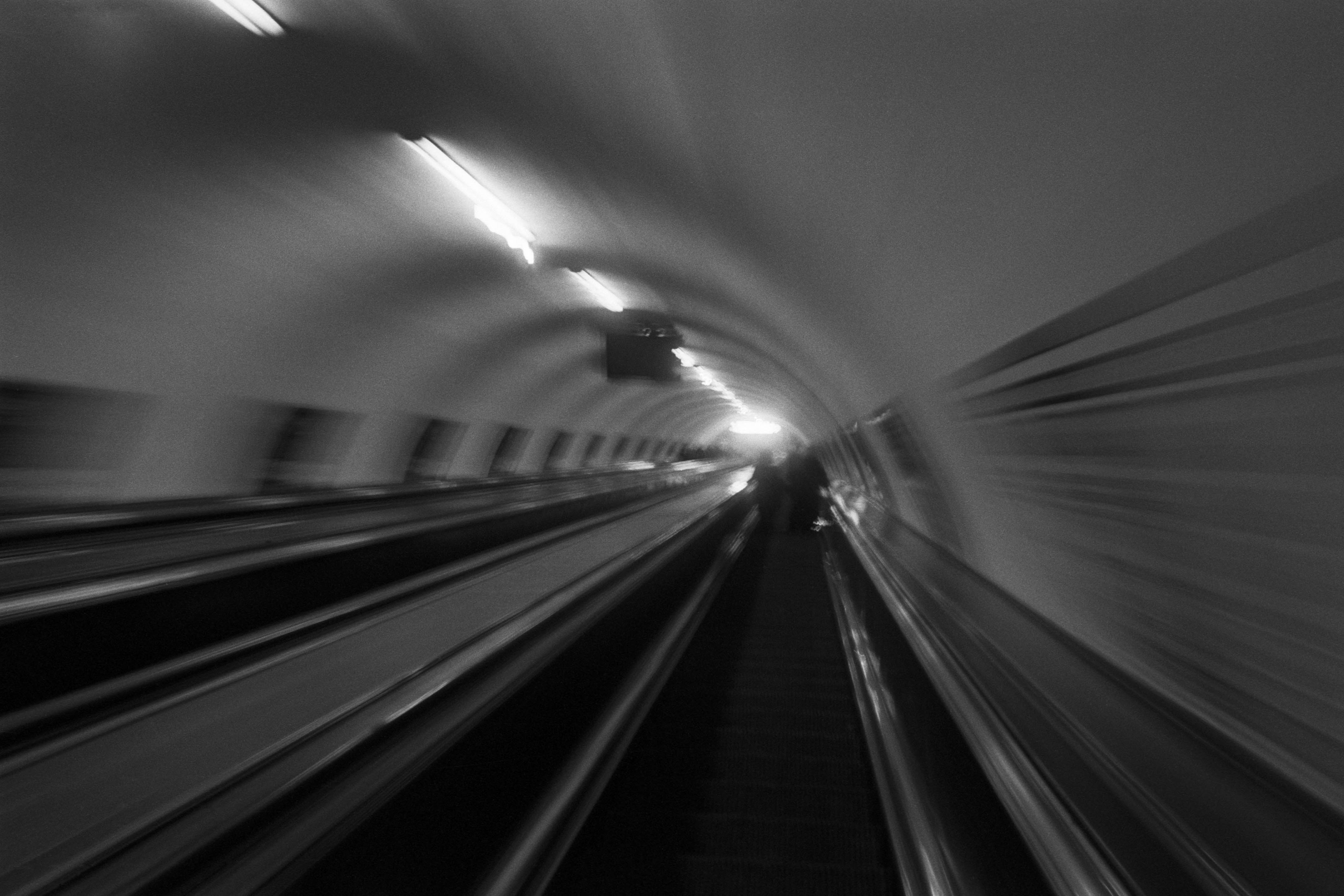
The Wall
2015Winner of the 1st prize & Golden Glass Award at the 11th Photographic Open Championship Olsztyn, and 1st place with the Special Prize of FORMAT magazine at the 3rd Biennial of Art in Piotrków Trybunalski.
View Series →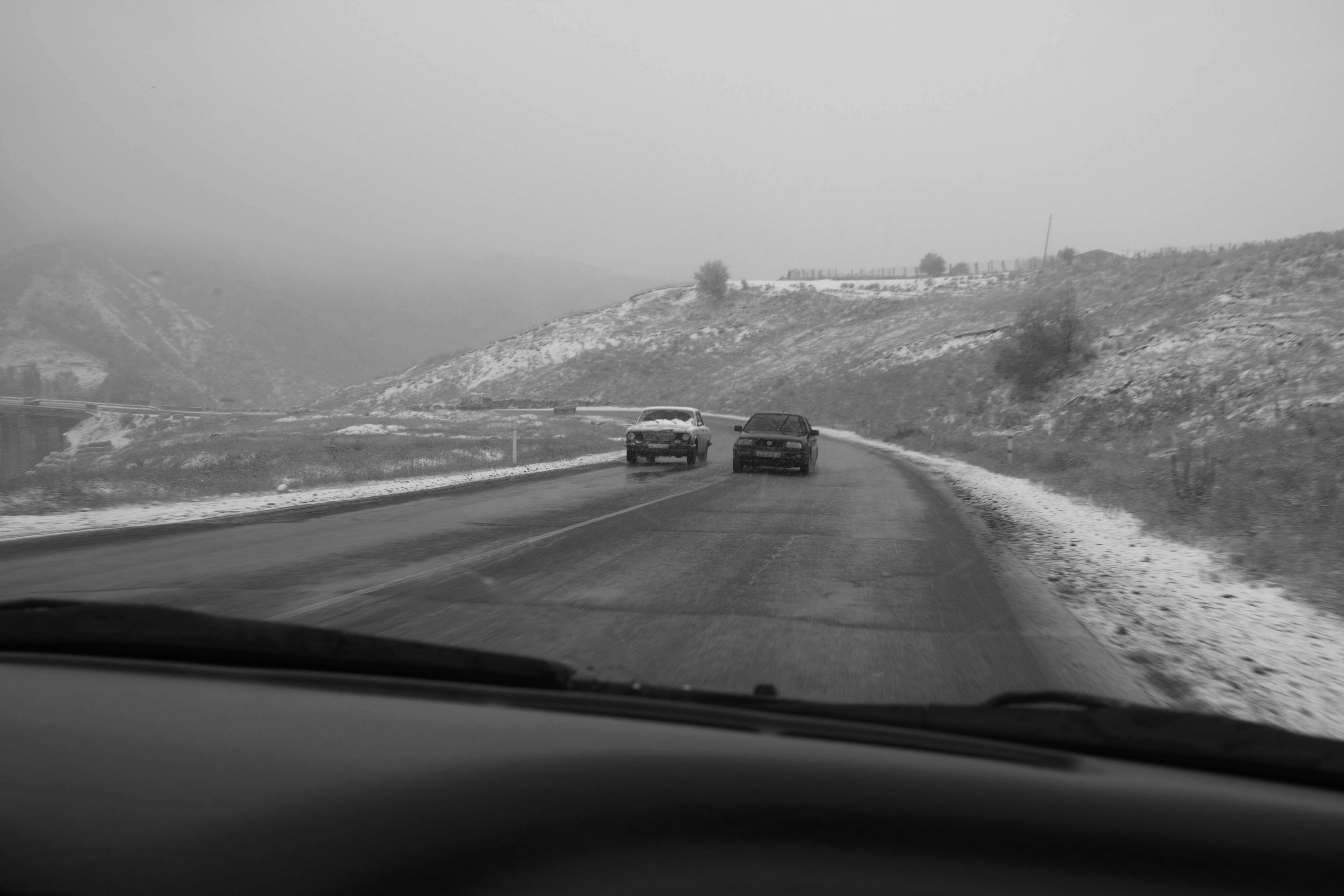
An Engagement Ring
2011A narrative series set in Wrocław in August 2011. Awarded 2nd prize & Silver Glass at the 10th Photographic Open Championship Olsztyn in 2014.
View Series →
Heat Wave
2014A documentary series recording spontaneous events across August and September 2014, capturing the raw energy of a city under the grip of summer.
View Series →