
"Photography is not about the thing photographed. It is about how that thing looks photographed."
Photographing Rain Without Damaging Your Camera
Rain can turn an ordinary street scene into a field of reflections, saturated colour and movement. It also changes the job: every strap, seam and control becomes a possible entry point for water. Learning how to photograph in the rain without ruining your gear therefore starts with treating the camera as a precision instrument that needs a deliberate field routine, not a device that can survive endless bad luck.
Rafal Michalak’s Wrocław-based practice, spanning business portraits, fashion, events and conceptual series, adds a second responsibility to every session: preserve the images already made. Rain can blur a lens, trigger condensation, soak a backpack or leave salt on a mount before the next booked session. The aim is controlled exposure, an uninterrupted shoot and a camera that remains reliable after the weather passes.
Preparation matters because damage often develops slowly. A few droplets on a filter can become moisture beneath the retaining ring. A damp camera carried into a warm café can fog both the viewfinder and sensor. A bag that looks water-resistant may keep rain out but trap humid air inside. A sound routine separates protection, shooting technique and post-shoot care so one weak step does not cancel the others.
Why Rain Changes Every Shot
Rain is rarely a single, straight-down shower. Wind pushes droplets under hoods and towards body seams, and a squall can arrive sideways from a parked car. A standard lens cap stops large drops but does nothing for mist travelling at body height. Shooters often underestimate these horizontal attacks because the front element feels dry when rain begins falling vertically.
Water and electronics do not need a deep flood to cause trouble. A powered body can short if moisture reaches ports, switches or the battery chamber; salt and dirty water are more corrosive than clean rain. Condensation adds another layer because water may form on internal glass even when the exterior feels untouched. A lens can also remain mechanically usable while images soften from internal haze or fungus.
Protection starts with priorities: keep water away from openings, reduce the time wet equipment stays powered, and prevent damp gear from being sealed into a warm environment. You do not need every accessory marketed to photographers. You do need a dependable cover, a dry place for batteries and cards, and the discipline to stop using the camera once liquid has entered.
Australian Weather Is Unpredictable
Australian weather deserves specific planning. Sydney’s humid summers make condensation more likely, and sea spray along coastal suburbs leaves salt on metal and glass. Brisbane brings heavy humidity and abrupt storms, while northern Australia has a much wetter seasonal pattern and cyclone risk. Even Melbourne’s famously changeable days can move from dry sun to a cold drizzle within one location.
Seasonal timing also differs from many European trips. December through February is summer in Australia, and an arvo shower can arrive when a client expects a bright outdoor portrait session. Local crews reckon a forecast is a starting point rather than a promise, so an outdoor call sheet should include a covered alternative and a clear cut-off time. Pack for drizzle as carefully as for a downpour; persistent moisture often causes more missed shots than a brief burst.
The Australian market adds practical layers to this preparation. Freelancers often hire bodies, primes and lighting from specialist suppliers in Sydney, Melbourne, Brisbane or Perth, either collecting the kit or using a courier. Gear-hire agreements commonly require the borrower to carry accidental-damage cover or accept an excess, so photographers should check exclusions before collecting rather than at the counter. Event and fashion crews also need written weather-rescheduling terms in their supplier contracts, because Australian producers may cancel a location booking when wind, rain or flooding makes it unsafe.
Build A Rain-Ready Kit
Start with a camera and lenses that fit the job. A weather-sealed body paired with sealed lenses gives useful protection, but ratings vary and many cameras have no universal waterproof standard. Check manufacturer guidance for the exact model, keep lens and body seals clean, and replace ageing rubber. For analogue or medium-format work, the same care applies to the film back, while film should remain in its sealed container until the environment is dry.
Protection must move with the photographer. A padded camera bag inside a dry bag, a fitted rain cover for a backpack, or a compact waterproof case can prevent a soaked load. A hard case is not automatically waterproof because its foam is water-resistant; the clasps, handle and zipper can leak. For real-world visual references, the field work published by Max Goh Photography can help crews compare handling methods before committing to expensive kit.
Carry a small recovery kit rather than a collection of large accessories. Useful items include a microfibre cloth, blower, lens cloth, spare battery, sealed card pouch, zip bags, silica-gel packets and a compact tripod wrap. Keep silica in a sealed container until needed, because it absorbs moisture from the air and becomes ineffective when exposed. Use a rain hood or umbrella sized to shelter the front element without blocking the photographer’s movement.
Shoot Through A Real Downpour
Before the shower reaches the location, decide what the camera must achieve. If the shot can work in a wider frame, choose a focal length that lets you keep the front element under the hood while maintaining enough speed for people to move. A reflector or pale surface can lift the dim underside of a cloud, while an umbrella creates controlled spill and avoids the hardest work of keeping rain off the lens.
Once rain starts, protect the body while keeping access simple. Lower the camera near the torso when the wind turns, use the rear screen to compose if the front is taking the worst of the rain, and keep a lens change for genuinely clear conditions. Changing lenses exposes the sensor and rear mount to airborne water, even if the replacement lens is sealed. For a moving subject, begin around 1/250 second and raise ISO as needed; freeze action when the light allows.
Water on the front element can wreck contrast even when the sensor stays dry. If a drop remains, use the blower first, then a clean microfibre cloth with light pressure; repeated wiping can grind grit into the coating. Avoid saliva, tissues and sleeves, all of which can leave residue or scratches. Frame through a slightly wider composition when possible, and remember that diffused light plus wet pavement often creates stronger atmosphere than a clear sky.
Protect The Camera During Exposure
At the moment of exposure, treat the camera as if it is being used near a splash pool. Hold the strap so the body cannot swing into a metal barrier, keep ports covered, and never place a camera on wet grass or a painted floor. Use a rain cover with its opening aligned for the hands, or place the entire body in a sealed bag and operate it through the plastic. The bag slows heat loss and blocks water, although it must remain clear enough for the viewfinder.
Condensation is the biggest hidden danger in humid weather. If the camera has been sitting in an air-conditioned car or a cold room, seal it in a zip bag before bringing it into warmer air; the bag should be left closed until the equipment has warmed gradually. After a warm, wet shoot, keep the powered body in a dry, ventilated area rather than switching it on in a sealed bag. Desiccant helps only when enclosed with a known amount of dry air and enough silica for the volume.
Saltwater accidents need faster action than ordinary rain. Do not power on, press buttons or open the card door, and do not try to flush the body with tap water without manufacturer advice. If the camera has been in sea spray or surf, contact the manufacturer or a qualified repairer promptly, and keep it away from further salt exposure. Inland users can still encounter salty conditions near mining areas, pools and fertiliser-handling sites, so clean any visible residue carefully.
Dry, Inspect And Document The Kit
After the shoot, move the camera out of the rain before opening any compartment. Power it down, remove the battery only if the exterior and battery bay are sufficiently dry to handle safely, and place memory cards in a sealed pouch. Wipe the body, lens mount, hood and rear screen with clean microfibre. Do not wipe grit across a lens coating; lift loose particles with the blower and let the camera dry fully before testing it.
Never use a clothes dryer, hot-air gun, kitchen rice or an improvised oven. Heat can warp plastic, drive moisture deeper and melt internal parts; rice leaves starch and dust. Let the body air-dry in a ventilated, dust-free space with silica nearby, and give it time before removing lenses or card compartments. If a lens has internal haze, fungus or a sticky aperture, a professional clean is safer than repeated DIY attempts. A successful shoot is not complete when rain stops.
Document the conditions and any incident while the details are fresh: time, location, weather warnings, equipment used and the sequence of events. In Australia, this record supports insurer claims, hire-company disputes and client contingency discussions. Check Bureau of Meteorology warnings before travelling, and confirm that business or travel insurance covers photographic equipment and the work being produced. Keep receipts and serial numbers with the production notes, then inspect the kit the following day for delayed corrosion or intermittent controls.
Selected Series
A cross-section of commissioned and personal projects spanning fine art, commercial, and conceptual work.
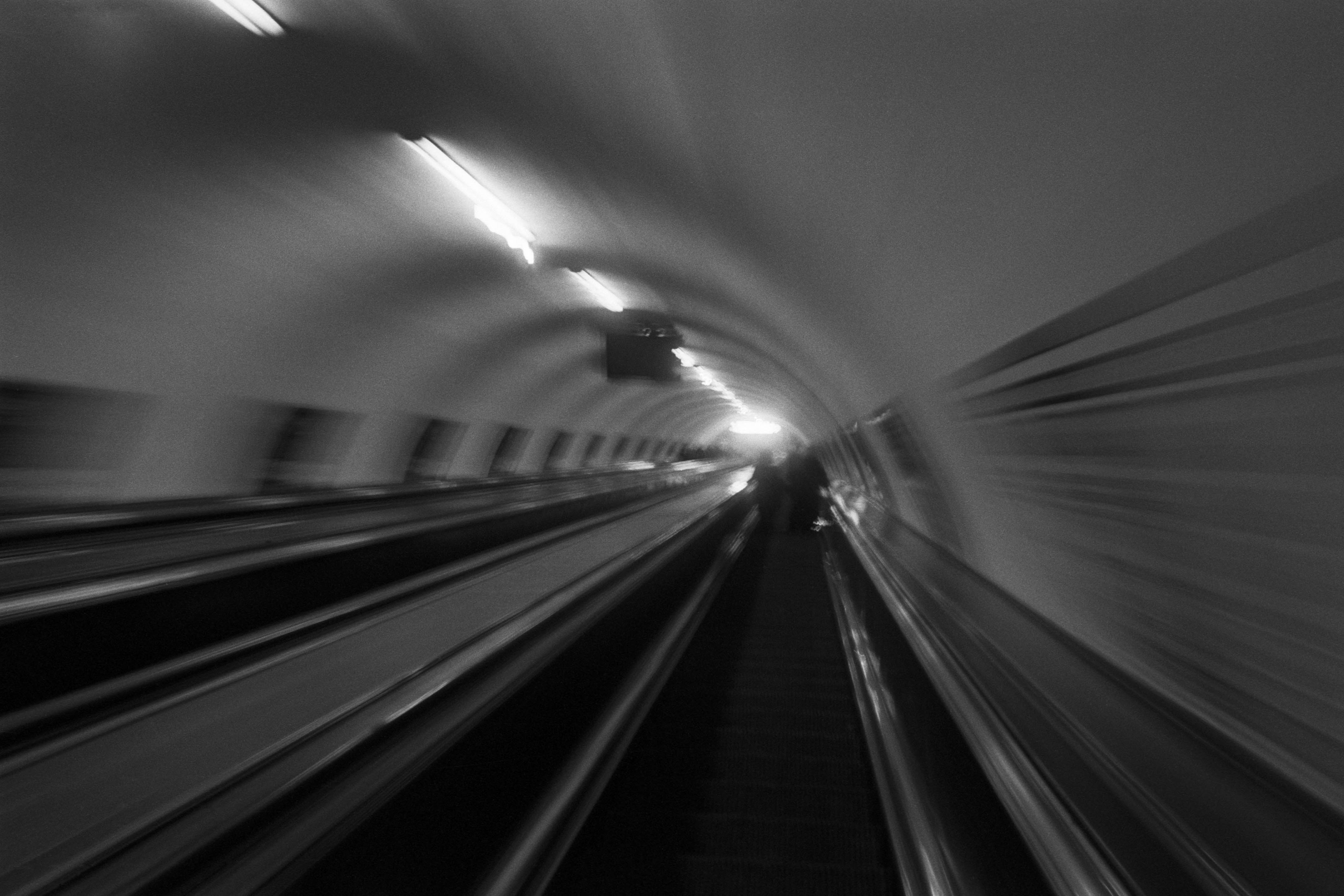
The Wall
2015Winner of the 1st prize & Golden Glass Award at the 11th Photographic Open Championship Olsztyn, and 1st place with the Special Prize of FORMAT magazine at the 3rd Biennial of Art in Piotrków Trybunalski.
View Series →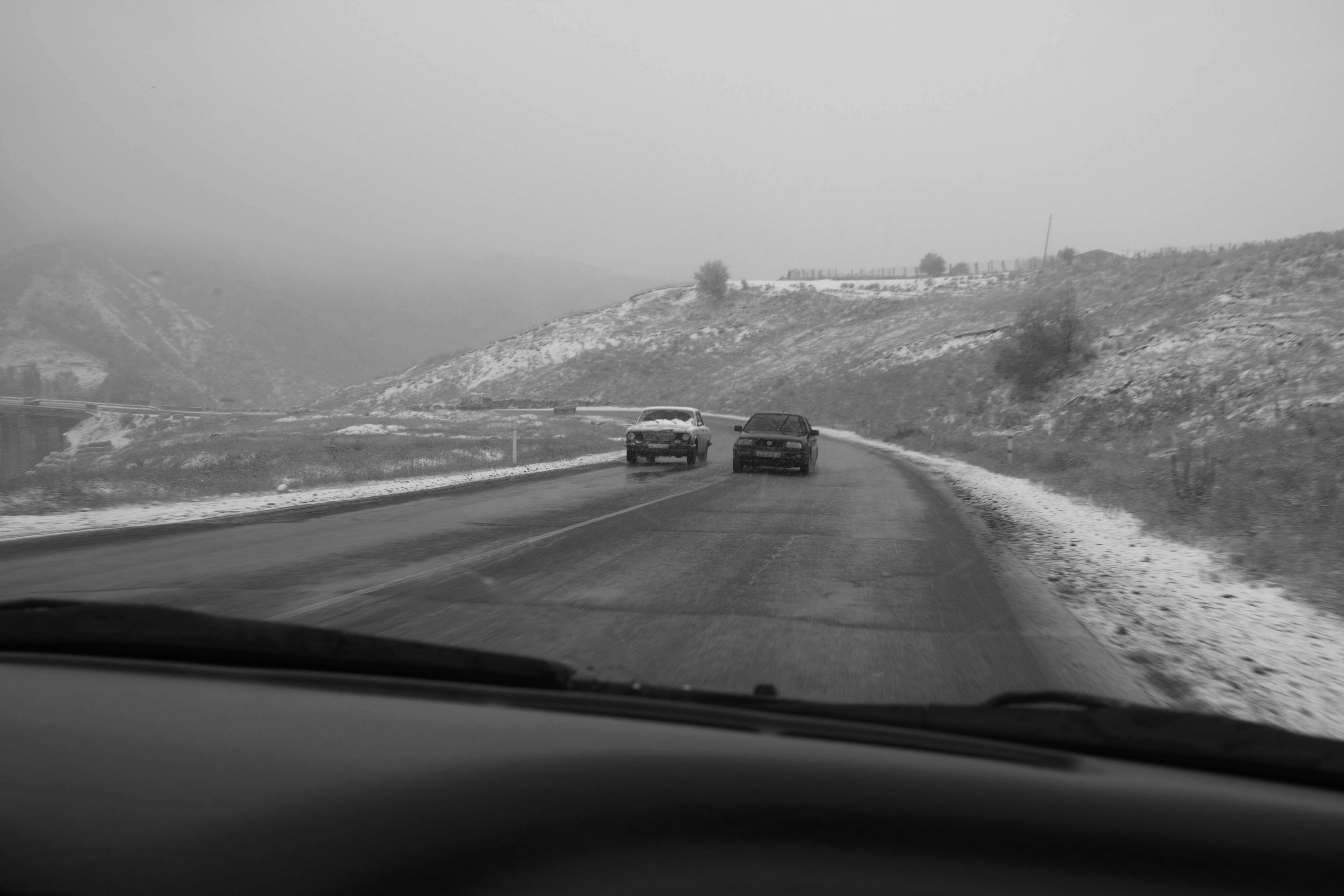
An Engagement Ring
2011A narrative series set in Wrocław in August 2011. Awarded 2nd prize & Silver Glass at the 10th Photographic Open Championship Olsztyn in 2014.
View Series →
Heat Wave
2014A documentary series recording spontaneous events across August and September 2014, capturing the raw energy of a city under the grip of summer.
View Series →