"Photography is not about the thing photographed. It is about how that thing looks photographed."
Photographing intimate elopements with care and artistry
An elopement is intimate by design: two people exchange vows, often with only a handful of witnesses, then celebrate without the scale and logistics of a conventional wedding. That closeness gives the photographer a rare brief. Small gestures—a tightened hand, a nervous laugh, the moment a ring is placed—carry more emotional weight because there are fewer distractions. The visual story becomes less about a crowd and more about connection, place and character. For couples planning a civil ceremony or private wedding, the camera can preserve both the significance of the decision and the wonderfully unforced life around it.
The most useful coverage begins before the vows. It includes the walk through a hotel corridor, the quiet check of a handwritten speech, and relatives helping with a jacket or veil. These details often hold more meaning than a formal pose, particularly when the celebration lasts only a few hours. My photographic approach in Wrocław combines documentary observation with carefully controlled fine-art portraits, allowing spontaneity and precision to support each other rather than compete. A couple should feel represented in the pictures, not feel as though every second has been directed for the lens.
Australian couples may choose Sydney Harbour, a Melbourne laneway, a beach near Byron Bay, a vineyard in the Yarra Valley or a remote property in regional New South Wales. The legal arrangements also differ across states and territories, with celebrants, witnesses and lodgement requirements shaping the run of the day. Weather can shift from bright coastal sun to a cool, sudden shower, while travel distances between ceremony and dinner may be considerable. These local realities reward a photographer who plans flexibly, understands the celebrant’s sequence and remains attentive to comfort, timing and the character of the place.
Quiet observation makes intimate moments visible
With only a few people present, every glance and movement becomes visible. The bride may be listening more intensely than the camera operator expects, while a partner’s hand tightens just before the promise. A quiet photographer can catch those reactions without interrupting the exchange. This is especially important for elopements, where the emotional charge of the occasion is often concentrated into a short window and there is little time to repeat anything for a better frame.
Intimacy can make people self-conscious, and a visibly active photographer can add pressure to an already emotional day. Instead of calling for constant poses, I prefer to establish a simple visual rhythm: wide frames that explain the setting, medium views that bring the couple together, and close studies of hands, fabric, flowers and faces. Some moments are directed gently; others are left alone. The distinction keeps the finished collection coherent without making it feel staged.
A small guest list also creates opportunities that larger weddings rarely allow. The eye can follow a private joke between the couple and their witnesses, the parent who finally relaxes, or the friend recording a video from the edge of the ceremony. Such peripheral action gives an intimate-event gallery rhythm. It shows that the marriage belongs to a living circle of people, even when the decision to marry was deliberately personal.
Plan around ceremony, people and changing light
A useful schedule protects the atmosphere. It should include time to settle in, the legal ceremony, a short portrait window, the meal and a few unhurried details after the formalities end. The order matters because a couple often relaxes once the vows are complete. Building the session around that shift produces more natural expressions than trying to extract every image before the ceremony. It also leaves room for an unexpected embrace, a speech delivered off the cuff or a change in weather.
Legal and logistical preparation deserve equal care. Couples should confirm their celebrant, witness requirements, notification period and registration process for the relevant Australian state or territory. International ceremonies add translations, apostilles and questions about whether the marriage will be recognised at home. A clear elopement planning guide can help with the sequence of practical tasks, while the photographer should still coordinate directly with the celebrant. The aim is to know when the ceremony will begin and end, where the signing occurs, and how long the couple wants to be alone before the celebration continues.
Lighting and comfort are equally practical. Australian midday sun can create hard shadows and squinting expressions, so an early start, shaded veranda or nearby indoor retreat may produce a gentler result. Wind near the coast or a sudden rain shower calls for a covered backup location rather than a last-minute dash. Shoes, mobility, warm layers and access to water matter too. When these basics are handled calmly, the photographer can remain focused on people instead of equipment.
Create a story rooted in the Australian setting
Place should be treated as part of the relationship, not merely a backdrop. At a eucalyptus property, the landscape may be expressed through bark, dust and the way leaves cast broken light. Along the coast, salt air, weathered timber and shifting water can become part of the visual mood. In Sydney, harbour light and sandstone architecture create a polished urban character; Melbourne’s laneways offer texture, colour and a sense of compressed privacy. These distinctions make the images identifiable without turning the couple into distant figures in a tourism campaign.
Local customs deserve attention as well. A bush ceremony, beach ceremony, vineyard lunch or gathering at a family home each carries its own pace and etiquette. If the event takes place on Aboriginal land, the photographer should understand any protocols requested by the Traditional Owners and avoid intrusive landscape imagery. In the Australian market, six- to eight-hour wedding packages are common, but a tightly planned micro-wedding may need fewer hours and a more flexible brief. The coverage should follow the celebration rather than impose a standard wedding schedule on it.
Blend film texture with dependable digital coverage
Film can give an intimate event a tactile, timeless quality, yet it should complement rather than compromise coverage. Medium-format film and black-and-white negatives are well suited to measured portraits, especially when detail, tonal depth and a deliberate pace matter. Using analogue photography within an event also creates a healthy separation: the photographer attends to the scene and trusts the exposure, instead of making every interaction a technical decision. The darkroom principles behind this approach reward attention to highlight placement, shadow detail and grain.
Digital workflows remain essential for reliability. They provide immediate review, rapid backup and the flexibility to balance available light with flash, especially in a dim restaurant or under a covered ceremony. A hybrid shoot can assign film to portraits and quiet details while digital captures the moving day. Australian light demands careful exposure: bright skies, reflective water and pale sand can fool a meter, while eucalyptus bark and red earth can shift colour. Checking histograms, protecting colour references and keeping equipment dry gives both formats a fair chance to hold the mood.
Post-production should retain that mood. Fine-art editing may refine contrast, density and black-and-white conversion, but it should not push skin tones toward an artificial finish or erase the texture that makes the day feel real. A restrained gallery can include colour photographs for atmosphere, monochrome images for gesture and a small set of formal portraits that hold their own as prints. The final sequence should move naturally between place, process and emotion, allowing the couple to relive the day rather than merely admire a collection of attractive frames.
Recommendations for a calm and complete record
Before the day, agree on the visual priorities rather than requesting every possible image. A useful brief identifies the people who must appear, the parts of the celebration that matter most and whether the couple prefers documentary coverage, polished portraits or an evenly balanced blend. It also defines how much direction feels comfortable. This conversation creates trust and prevents the final album from being shaped entirely by the photographer’s assumptions.
- Reserve enough time for the couple to settle before the ceremony, including hair, clothing, travel and any quiet moments together.
- Confirm the celebrant’s sequence, signing arrangements, witness requirements and expected ceremony length well before the day.
- Select an indoor or sheltered alternative location if the chosen outdoor setting is exposed to strong sun, wind or rain.
- Dress footwear and clothing for actual walking conditions, including uneven ground, sand, stairs and changing temperatures.
- Brief witnesses about when to remain attentive, when to step back and how their own photographs can preserve the moment.
- Create a short portrait list based on meaningful pairs, garments and places rather than an extensive collection of poses.
- Protect the original files and negatives, and establish a clear editing and delivery timeline after the celebration.
The finished collection should hold ceremony and ordinariness in equal measure: the formal vows beside a hand-held note, the city skyline beside a family meal, the black-and-white portrait beside a spontaneous laugh. Such balance gives an elopement the dignity of fine art photography while retaining the immediacy of event coverage. It also creates a record that can be shared with absent family, printed as an album and revisited long after the flowers have gone.
Selected Series
A cross-section of commissioned and personal projects spanning fine art, commercial, and conceptual work.
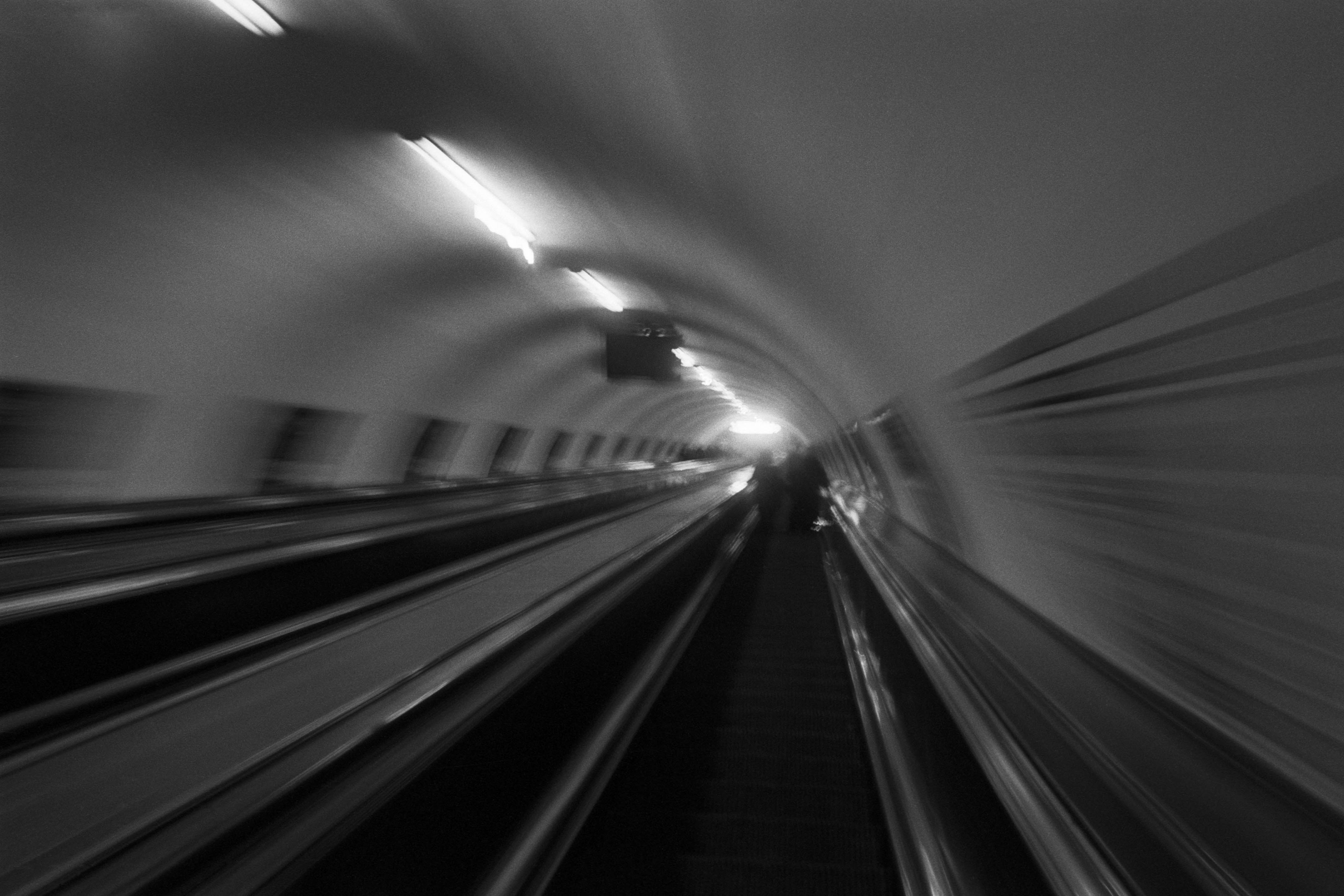
The Wall
2015Winner of the 1st prize & Golden Glass Award at the 11th Photographic Open Championship Olsztyn, and 1st place with the Special Prize of FORMAT magazine at the 3rd Biennial of Art in Piotrków Trybunalski.
View Series →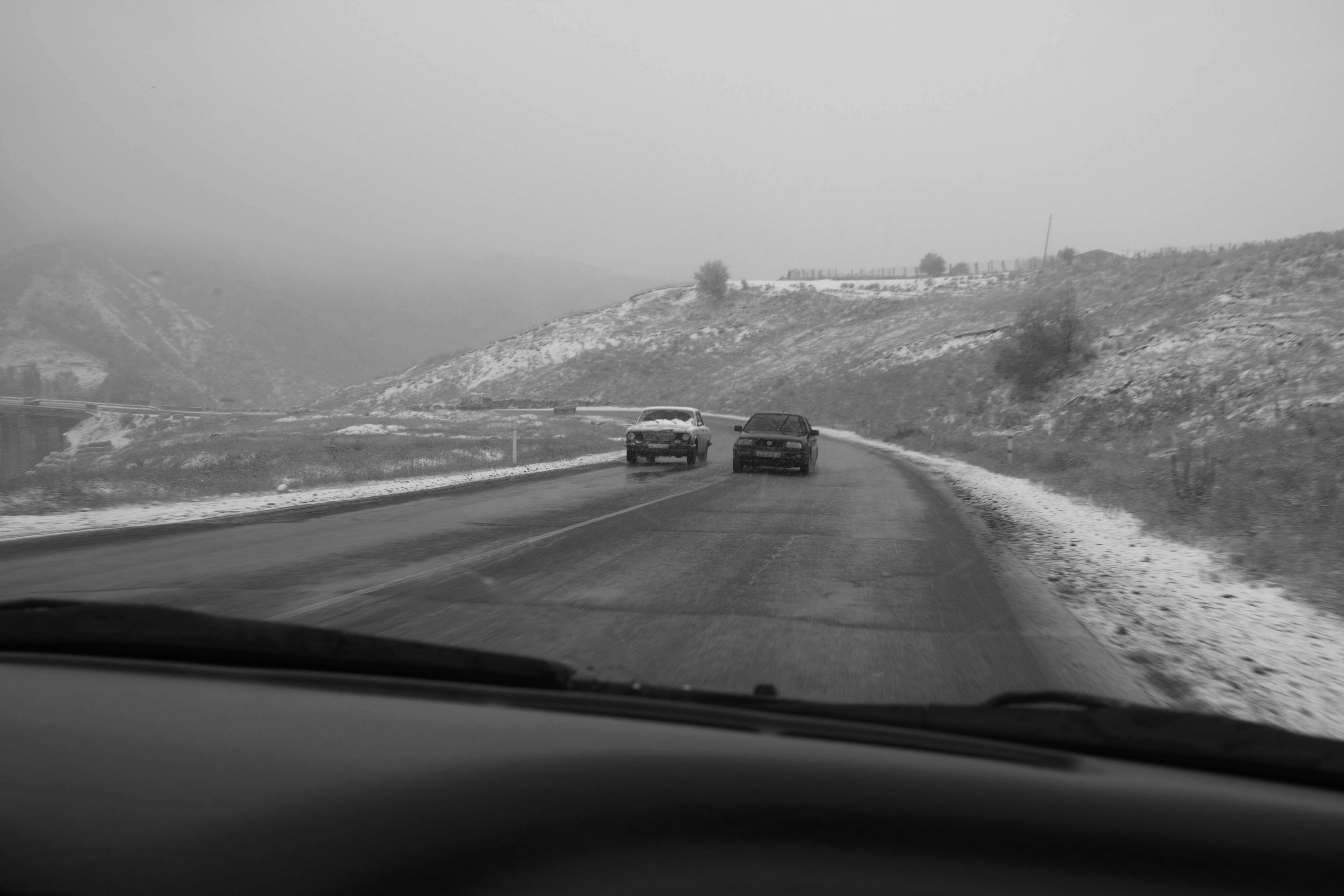
An Engagement Ring
2011A narrative series set in Wrocław in August 2011. Awarded 2nd prize & Silver Glass at the 10th Photographic Open Championship Olsztyn in 2014.
View Series →
Heat Wave
2014A documentary series recording spontaneous events across August and September 2014, capturing the raw energy of a city under the grip of summer.
View Series →