
"Photography is not about the thing photographed. It is about how that thing looks photographed."
Water droplets in abstract photography
Water can transform an ordinary studio surface into a field of temporary forms: a bead, a crown, a broken arc, or a trembling lens of reflection. Photographing water droplets for abstract art is less about recording a pretty object than learning to isolate shape, light, and time. The droplet is a performer that repeats only under controlled conditions. A small change in viscosity, impact, or illumination can turn a quiet circle into a bright, kinetic sculpture.
A productive session begins with a question rather than a camera setting. Are you interested in geometric calm, energetic splashes, layered interference, or the illusion of glass? Each direction calls for a different release height, lighting pattern, and moment of exposure. The process described here combines careful physical control with patient observation, allowing accidents to become repeatable motifs and technical tests to develop into a coherent photographic body.
Preparing a controlled studio
Begin with a stable, vibration-free table near a window that can be blacked out. The surface is as important as the water. Matte black glass or dark ceramic absorbs most reflections and isolates the outline of each drop, while glossy black acrylic creates elegant mirrored doubles. Clear or pale surfaces reveal transmitted light and refracted color but demand careful control of background reflections. Clean and level the chosen surface before every run, since fingerprints, dust, and tiny wet patches can redirect an otherwise clean image.
Assemble the core tools before bringing out the camera: a tripod with a remote release, a macro lens or close-focusing setup, a manual flash or continuous light source, a pipette or fine nozzle, distilled water, black card, and white reflector. A shallow transparent tray may be useful for catching escaped drops. Keep tools within reach, but arrange them so that a hand entering the frame cannot disturb the camera. Label a notebook with variables such as nozzle height, surface angle, flash power, and exposure.
Treat the first ten minutes as calibration rather than production. Photograph the empty surface under the intended lighting, check that the table is not reflecting an unwanted window, and watch for fan vibration or passing traffic. Make a test drop, then repeat it without changing anything. If the crown differs from one release to the next, the release method needs refinement before aesthetic decisions begin. Consistency exposes the small physical causes behind large visual differences.
Creating controlled liquid motion
Surface tension gives a falling drop its rounded body, while gravity stretches it into a pear shape before detachment. At the nozzle, the pendant drop gathers until its weight exceeds the grip of the surface. Release speed therefore determines its volume and the shape of the first airborne frame. Clear, clean water produces crisp edges; a trace of viscosity creates softer trails and slower distortions. For repeatable work, use the same liquid, nozzle, and height for each test.
A syringe fitted with a blunt needle offers good control, especially for small drops. A pipette is quicker for larger volumes, yet its delivery can vary with pressure and technique. Position the nozzle close enough to the target surface that the fall remains short, or farther away when you want more acceleration and a flatter splash. Test automatic triggering against manual timing, and use continuous preview or short bursts to learn where the drop sits at each stage of its fall.
The most compelling forms often happen just after impact. A rising crown can reveal a circular rim, followed by a crown of narrow jets, detached satellite beads, and a collapsing ring. These phases occupy fractions of a second, so lighting and shutter speed must work together rather than compete. Photographing the complete event can look decisive, while the earliest contact may be almost invisible. Change the delay between release and exposure in small increments and compare the resulting contours.
Lighting the drop as a sculpture
Backlighting is the classic choice because light passing around or through the liquid creates a luminous contour. A compact source placed behind the surface turns a droplet into a bright glass shape, while a narrow side light emphasizes ripples and thrown shadows. Place a black card on the opposite side to restore the dark edge that makes the form legible. The aim is controlled contrast: enough light to describe curvature, but enough shadow to prevent the water from dissolving into the background.
Hard light produces sharp caustic-like glints and energetic edges. Diffused light creates a softer tonal transition that can suggest volume without drawing attention to the source. A white card can fill selected shadows and create a second highlight, although broad frontal fill tends to flatten the transparency. Experiment with two small sources at opposing angles to build layered reflections. Move each light by centimeters rather than redesigning the whole arrangement, since small changes can completely reorganize the visible structure.
Flash is particularly useful for liquid sculpture because its short duration freezes motion and separates the instant of exposure from the duration of the continuous lamp. Use the flash as the shaping light if possible, then reduce ambient illumination until the black background remains black. Check the histogram and protect the brightest rim from clipping. A clipped highlight loses the internal detail that distinguishes a bead of water from a simple white line, so expose for the specular edge and recover other tones later.
Controlling focus, exposure and timing
Shoot nearly perpendicular to the plane of the splash for graphic circles, then move lower for overlapping arcs and reflections. A small forward tilt can reveal depth, but it also elongates the shape and makes precise focus harder. Choose the viewpoint before adjusting the composition, and make a simple diagram of the camera, drop, light, and surface. That fixed geometry makes subtle changes in scale easier to understand across a series.
Macro depth of field is narrow, especially at high magnification. Focus manually on the surface where the crown will rise, stop down until the critical plane is sharp, and accept that the nozzle or rear edge may fall outside focus. Apertures around f/8 to f/16 are useful starting points, though a longer working distance or focus stacking may be needed for extreme detail. Raise ISO rather than sacrificing shutter speed unless the flash duration already freezes the action. A tripod prevents one source of softness while the water provides plenty of its own motion.
Use shutter speed and flash duration as separate controls. In bright ambient conditions, a shutter near 1/1000 second may record only a slice of the event, while a flash lasting 1/10,000 second can retain a cleaner crown. In a darkened room, the shutter can remain open for the flash to finish, making timing dependent on the flash rather than the camera. Review magnified files for tiny satellites and fine edge detail. Technical sharpness matters, but the frame should also capture the instant with the strongest shape, not merely the sharpest instant.
Blending film practice with digital capture
Large negative formats are valuable for subtle highlights, but medium-format film changes the rhythm of a droplet session. Every frame requires a deliberate composition and a slower review process, which encourages fewer, more purposeful variations. Black-and-white film removes local color distractions and translates reflections into a clean tonal hierarchy. The wider visual language in Rafal Michalak’s portfolio shows how analogue practice and conceptual framing can coexist, offering a useful model for treating the droplet as part of an authored series rather than an isolated technical exercise.
Film also rewards a different approach to contrast. A transparent drop against a luminous background may record softly on negative film, while a bright edge on black can become dense and graphic. Print the test frames, evaluate them under consistent viewing light, and use selective dodging or burning to refine the relationship between the droplet and its shadow. Keep the physical print in view while deciding which areas need correction. The aim is not to imitate a digital preset but to shape tone so that the image carries its intended emotional weight.
Digital capture is valuable for testing angles, timing, and light ratios before committing to film. A modern camera can reveal information that a contact sheet hides, including soft reflections, stray droplets, and slight camera movement. Digital files also support precise cleanup when a clean contour is essential to the concept. A hybrid workflow can combine a digitally captured moment with analogue texture, but preserve the original geometry and light behavior. The finishing process should clarify what the camera and water actually produced, not disguise the evidence of the event.
Building a coherent final body
Edit the session as a set of related propositions. Begin by removing frames with obvious focus errors, clipped highlights, or accidental distractions, then compare the survivors by shape, gesture, density, and direction. A strong series may move from sparse circles to dense crowns, or from hard-edged impacts to quiet meniscus patterns. Variety creates rhythm, but recurring camera position, tonal range, or lighting logic gives the group a common voice. Square crops can intensify geometry, while a wider frame can preserve the physical context of the studio.
A dependable working routine can be summarized in a few practical commitments:
- Record the nozzle height, surface, water source, light position, camera angle, and delay for every useful setup.
- Make monochrome contact sheets before judging color, then compare the same frame with and without neutral density.
- Capture a technical record beside the polished frame so changes in light or timing can be traced.
- Choose the sequence according to visual relationships, keeping the most distinctive image only when it supports the larger idea.
The same decisions have value in commissioned visual work. Fashion, business portrait, and brand photography may require a stable identity even when the subject is a person rather than a temporary liquid form. In that context, consistency of light, color, and finish becomes as important as expressive accident. A studio such as Sakao Lifeworks provides a commercial counterpoint to the unstable nature of water: one relies on controlled repetition, while the droplet rewards precise control precisely because it refuses to stay the same. The strongest water photographs feel discovered rather than designed, yet every decisive moment was prepared, observed, and repeated with intent.
Selected Series
A cross-section of commissioned and personal projects spanning fine art, commercial, and conceptual work.
The Wall
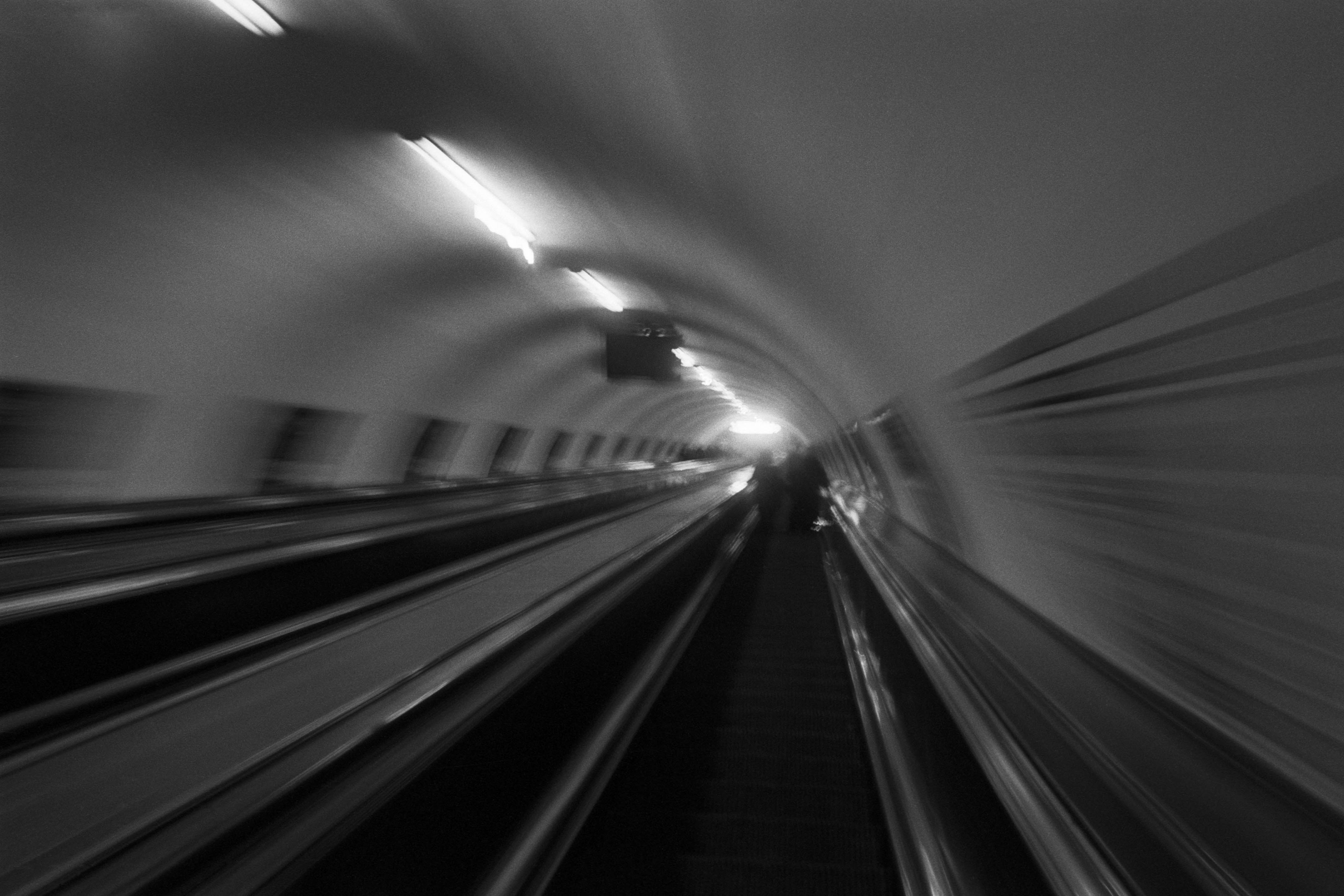
2015Winner of the 1st prize & Golden Glass Award at the 11th Photographic Open Championship Olsztyn, and 1st place with the Special Prize of FORMAT magazine at the 3rd Biennial of Art in Piotrków Trybunalski.
View Series →
An Engagement Ring
2011A narrative series set in Wrocław in August 2011. Awarded 2nd prize & Silver Glass at the 10th Photographic Open Championship Olsztyn in 2014.
View Series →
Heat Wave
2014A documentary series recording spontaneous events across August and September 2014, capturing the raw energy of a city under the grip of summer.
View Series →