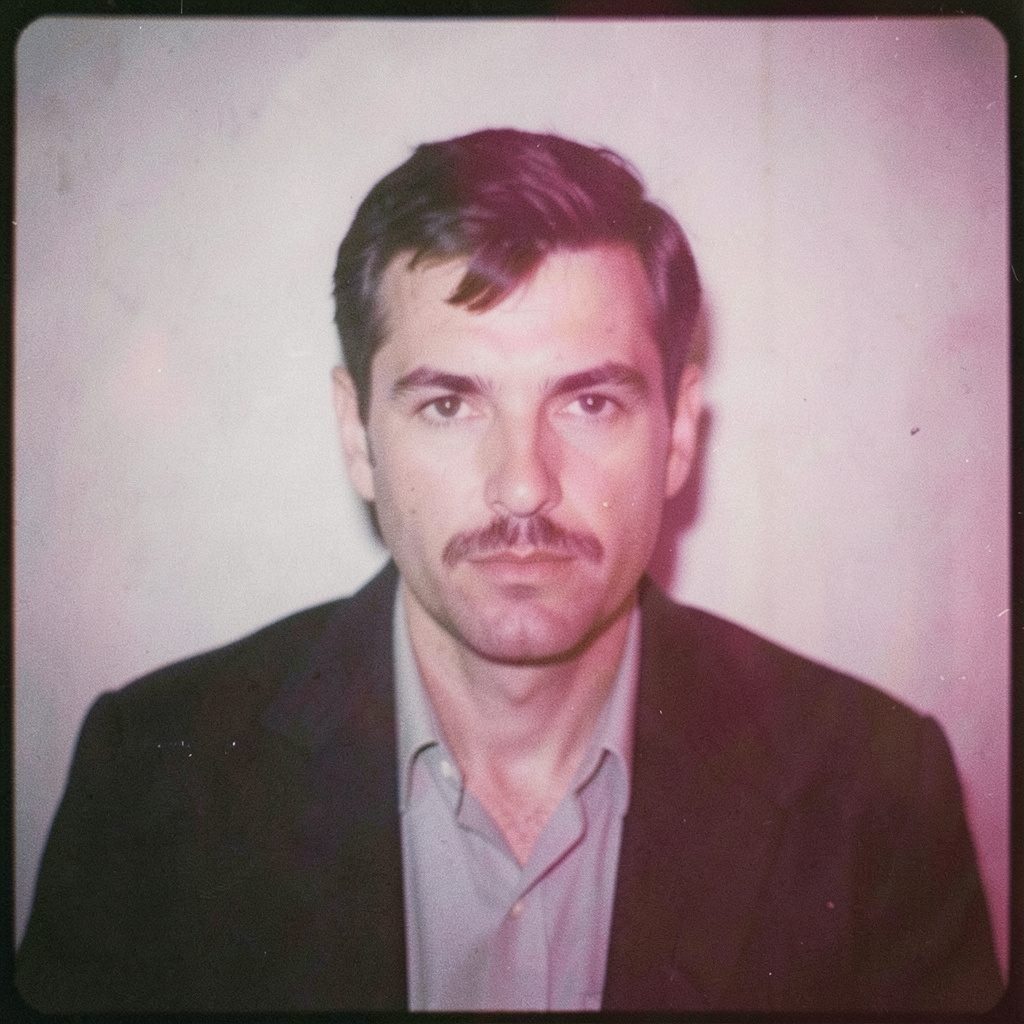
"Photography is not about the thing photographed. It is about how that thing looks photographed."
Preparing for a gallery submission: a practical guide
A gallery submission is a focused argument about an exhibition, not simply a folder of attractive photographs. Curators look for a coherent body of work, a reason it belongs in their program, and evidence that you can sustain a professional practice. That distinction matters for photographers working across commercial and fine art: a polished business portrait may be perfect for a corporate commission, yet a gallery is more likely to respond to a considered series about people, place or contemporary life.
This guide follows the preparation stage, from choosing a sequence to packaging files and following up. It is written for photographers in Australia, where independent galleries in Sydney, Melbourne, Brisbane, Adelaide and Perth have their own audiences, sales models and curatorial priorities. The same standards apply to European venues, but understanding the local market helps you present a proposal that feels informed rather than copied from a template.
A useful mindset is that a submission begins with research. Read recent exhibitions, artist pages and interviews, then identify a small group of venues whose interests overlap with yours. A warm, direct message—something along the lines of “I’d love to discuss showing this series with you”—can suit an Australian business context, provided it names the particular project and explains why the gallery is a fit. Generic mass emails remain generic in any country.
The aim is not to please every gallery at once. It is to present a credible, finished project in a format the recipient can evaluate quickly, with enough technical and biographical detail to answer the next question. Assume the gallery will judge commercial readiness as well as artistic promise: it needs to know how prints are made, what installation requires, who handles insurance, and how sales revenue is divided. Those practical details are often more decisive than an extra paragraph about inspiration.
Define the body of work you are submitting
Begin by deciding what exactly you are proposing. A gallery submission can mean a complete series for a solo exhibition, a group of related photographs for a group show, or a smaller installation around a single idea. State the project’s boundaries so the gallery can assess it as a whole. If the images were made during commissioned portrait, fashion or event work, confirm that you have the right to exhibit them; the fact that you made a striking image does not automatically grant exhibition rights.
Your first edit should probably be larger than your final sequence. Review contact sheets, edit ruthlessly, and look for a visual argument that survives without your narration. A sequence of eight to twelve images is often manageable for an initial proposal, although the right number depends on the work and the intended room. Consider how images encounter one another: a quieter photograph can provide breathing space, while a strong final frame can close the experience rather than simply repeat its visual impact.
Keep the artistic statement, biography and curriculum vitae separate. The statement should explain the question behind the photographs; the biography should establish relevant experience without turning into a list of every award; the CV should verify exhibitions, publications and collections. A concise account of a photographer’s background and methods is available in the photographer’s biography. Adapt that factual material to the recipient instead of attaching an unchanged general-purpose document.
Match your series to the gallery’s program
Research should go beyond browsing the walls. Look at the program over the past year or two, including the kinds of artists represented, the scale of the spaces, the audience and the commercial model. A gallery that consistently exhibits documentary projects may be an excellent match for one series and a poor fit for another. Regional artist-run spaces and group studios can also provide a first exhibition context, particularly when a substantial institutional show is not yet realistic.
Read the submission instructions with the same attention you would give a client brief. Some independent galleries use timed open calls rather than accepting rolling proposals; others welcome a direct email but expect a link rather than attachments. Use the requested portal or address, name the project in the subject line, and attach one accessible PDF if appropriate. If you are contacting a gallery in another Australian capital, allow for different time zones and check the closing time against your own deadline before sending.
Curatorial fit also concerns how you photograph. In Australian workplaces, business portraits often need to balance professional authority with approachability rather than relying on a rigid corporate expression. If a proposed series draws on Australia’s multicultural population, give subjects agency, context and visual variety instead of presenting them as generic types. That approach will usually produce stronger gallery work than describing images simply as authentic, a term that can conceal important choices about styling, lighting and direction.
National competitions can be useful tests of clarity, even when they are not gallery entrances. The Blake Prize and the Bald Archies have their own criteria and schedules, so enter only if the work and eligibility fit. Keep any prize submission distinct from a gallery proposal: institutions and curators should be able to see which project you are presenting, on what basis and with which images. A targeted approach to a small shortlist is usually more productive than scattering the same package across dozens of inboxes.
Prepare digital files and physical presentation
For each proposed image, provide the exact print dimensions and the final pixel dimensions or scan resolution. As a useful starting point, a 60 by 45 centimetre print reproduced at 300 pixels per inch needs about 7,087 by 5,197 pixels before cropping. Check the gallery’s requirements rather than assuming this is a universal standard. Large-format work needs a larger file, while a small silver gelatin print may need far less data.
Keep an archival master, a high-quality output file and a smaller review copy. TIFF is widely suitable for finished artwork, but follow the printer’s specifications regarding bit depth, colour profile and resolution. Naming conventions should make versions unmistakable, and a simple spreadsheet can link each filename to its crop, edition and price. If a digital workflow includes composite or retouched elements, keep those layers in the master where applicable so revisions remain possible without damaging the file.
Traditional materials require an equally precise record. For medium-format and black-and-white film, note the camera, lens, film stock, developer and scanning method, but do not expect a scanner specification to replace a good print. Inspect negatives for dust and surface marks before scanning, and check whether the gallery prefers the full frame, including any visible film rebate, or a cropped image. Physical presentation needs the same attention. Confirm framing, matting and glazing with the gallery before production, and discuss transport, wall fixings and installation conditions for larger photographs.
Package the proposal and check the essentials
A compact proposal can usually do more work than a long artist’s statement and a large general portfolio. Include an opening paragraph naming the central idea, a short sequence with captions, technical details for each photograph, proposed dimensions, installation notes, and a clear list of what you want the gallery to consider. If a series is suitable for a group show, say that too. For an Australian venue, quote prices in Australian dollars, with edition numbers and tax treatment stated where relevant. If you will invoice sales as a business, ask an Australian accountant whether you need an ABN and how GST affects your prices.
Image quality and writing quality need to match. Include a correctly embedded JPEG for quick viewing, then offer production files after the gallery confirms its requirements. State whether the work is available for sale, whether prices are negotiable, and who owns copyright. Under Australian copyright law, a photograph made today generally remains protected for the photographer’s life plus 70 years, but contracts can allocate different rights for reproduction, resale or promotion. A clear proposal answers commercial questions without surrendering control by accident.
Use this checklist before sending:
- Confirm that the selected images form a coherent series, with a deliberate opening and closing choice.
- Check that every file opens correctly and includes its dimensions, process, edition and caption.
- Include a concise artist statement, relevant biography, current CV, installation needs and complete contact details.
- State prices, tax treatment, insurance expectations and any shipping assumptions.
- Save an accessible PDF, use the correct recipient name and follow the gallery’s stated submission format.
Follow up and plan what happens next
If a curator replies with interest, move into a proper discussion rather than sending more images immediately. Confirm whether the proposal is for representation, a one-off exhibition, a group show or another outcome; who organises fabrication, transport and installation; and what the proposed fee structure is. Australian gallery arrangements often use a commission on sales, sometimes around half, but a consignment, wholesale purchase and commissioned exhibition can work differently. Get the terms, expenses, payment dates and cancellation process in writing, including who insures the work while it is being transported.
If there is no response, send one brief follow-up after the stated period, then continue with other prospects. A rejection is not a judgement on your entire career, and a request for feedback may not produce a reply. Keep a record of every approach, revise the opening paragraph rather than abandoning it, and use recurring weaknesses to improve the body of work. A disciplined submission makes the photographs easier to understand, the practical requirements easier to approve and the artist easier to work with; that clarity gives a promising project its best chance of being seen.
Selected Series
A cross-section of commissioned and personal projects spanning fine art, commercial, and conceptual work.
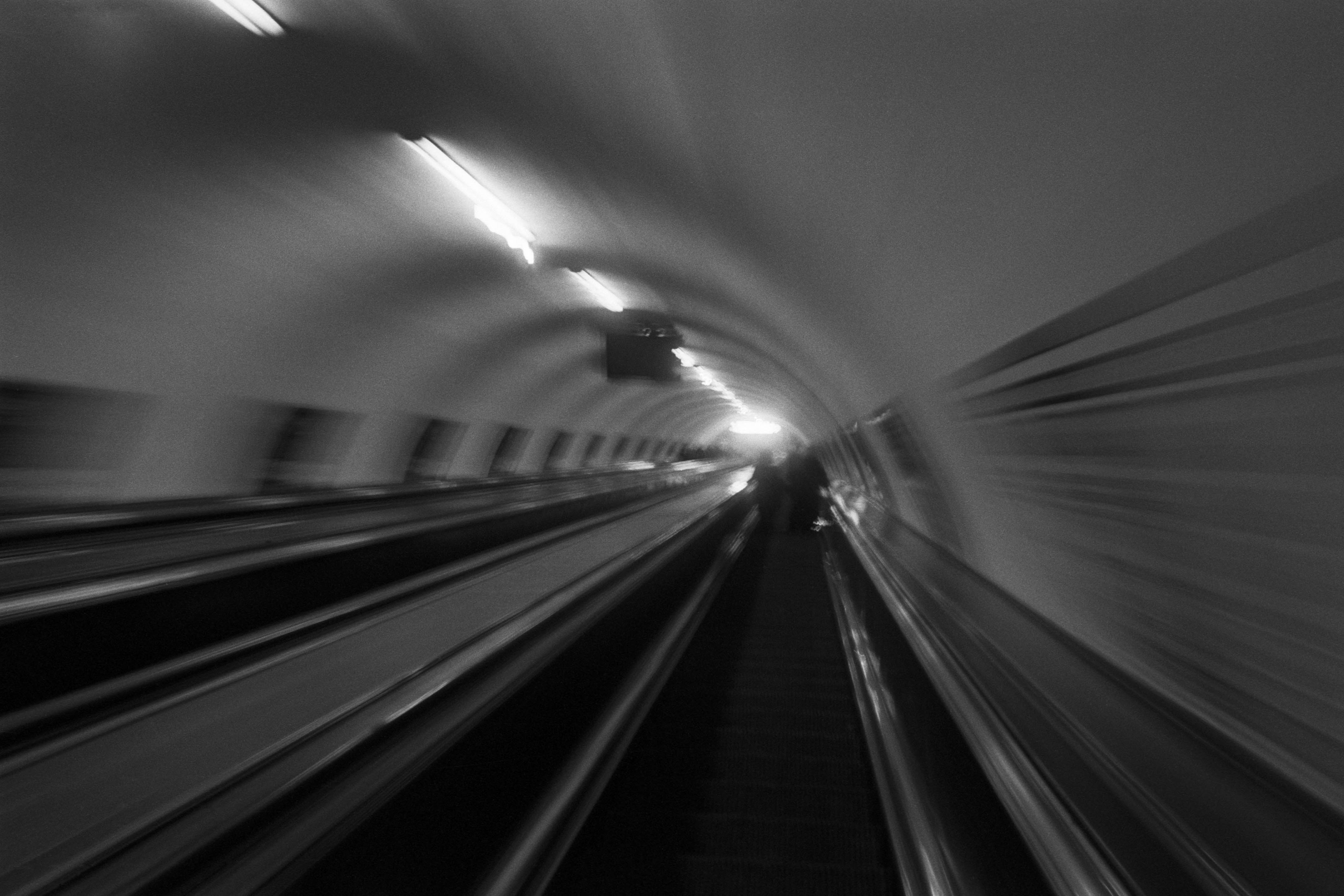
The Wall
2015Winner of the 1st prize & Golden Glass Award at the 11th Photographic Open Championship Olsztyn, and 1st place with the Special Prize of FORMAT magazine at the 3rd Biennial of Art in Piotrków Trybunalski.
View Series →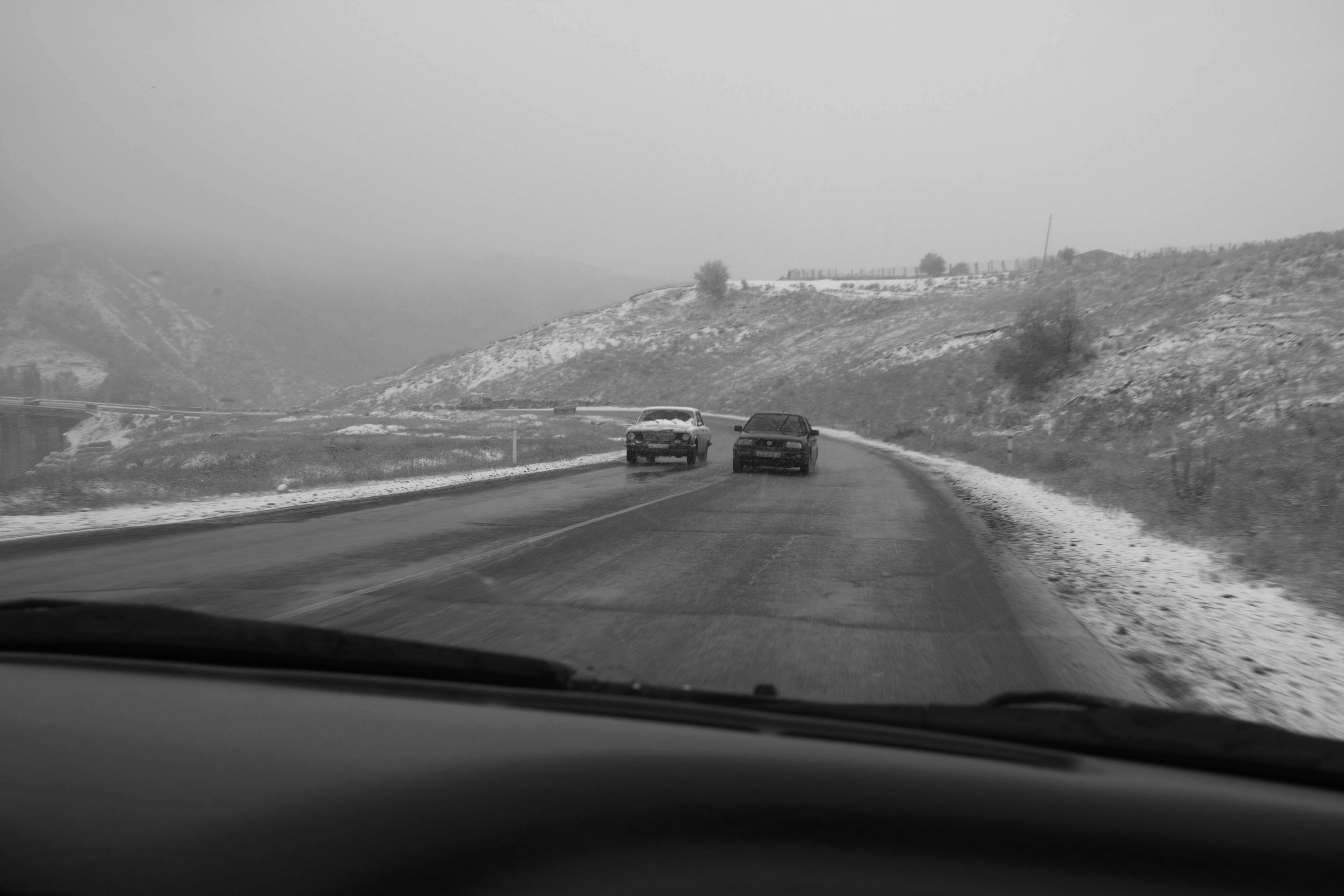
An Engagement Ring
2011A narrative series set in Wrocław in August 2011. Awarded 2nd prize & Silver Glass at the 10th Photographic Open Championship Olsztyn in 2014.
View Series →
Heat Wave
2014A documentary series recording spontaneous events across August and September 2014, capturing the raw energy of a city under the grip of summer.
View Series →