"Photography is not about the thing photographed. It is about how that thing looks photographed."
How to prepare for a professional business portrait session
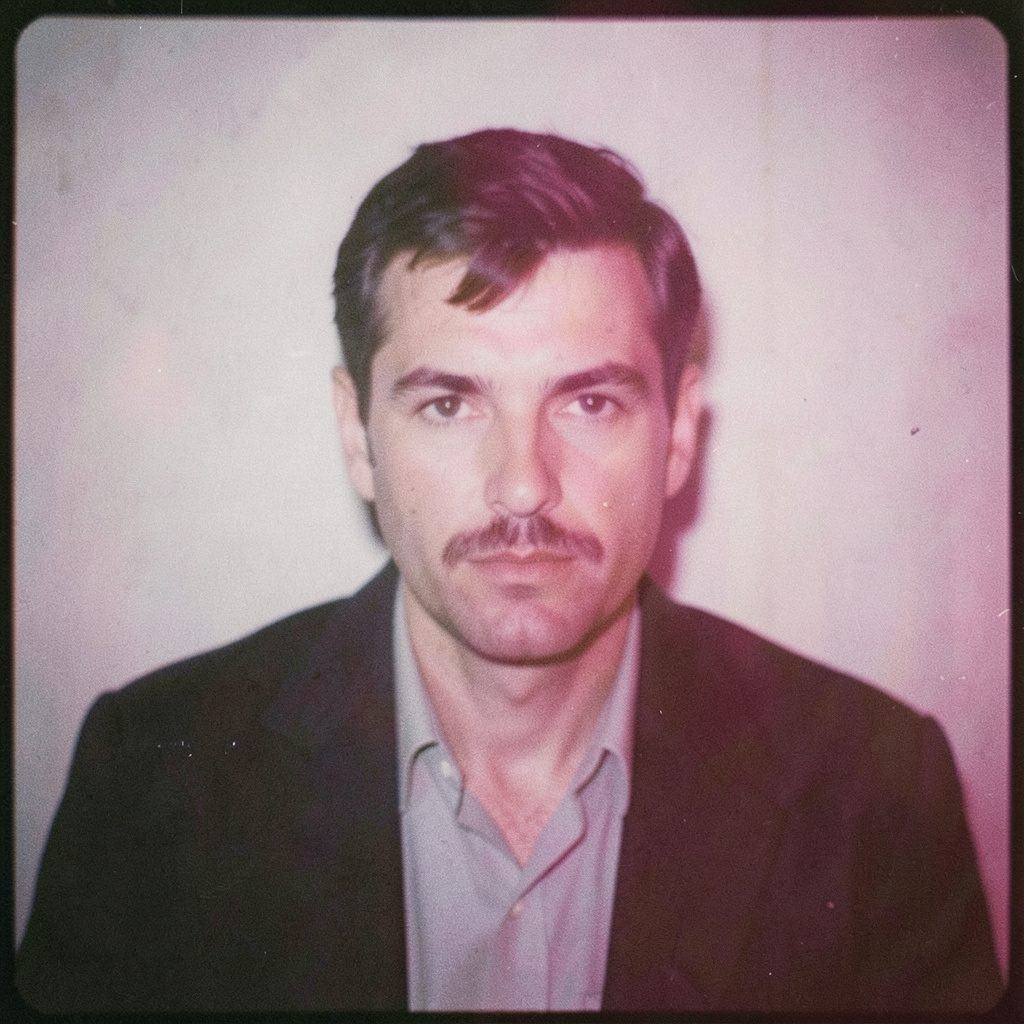
A strong business portrait does more than record your appearance. It communicates judgement, confidence and approachability before a client, employer or collaborator has spoken with you. On a website, LinkedIn profile, annual report or speaker biography, the image often becomes the first point of contact with your professional identity.
Preparing well helps the photographer create a portrait that feels natural rather than overly staged. The best results usually come from a clear purpose, suitable clothing, considered grooming and enough time to settle in front of the camera. You do not need to arrive knowing how to pose; you need to arrive ready to participate.
Australian professional photography has its own visual context. A Sydney technology founder may need a relaxed, contemporary portrait, while a Melbourne barrister, Perth architect or Brisbane medical specialist may require something more formal and restrained. The setting, wardrobe and expression should support the expectations of your sector without making you look like a generic corporate stock image.
A professional portrait session can also be an opportunity to create several useful versions of your image. One frame may suit LinkedIn, another may work for a company website, and a wider composition may leave room for text in a media release or conference programme. Discussing these applications in advance makes the session more efficient and purposeful.
Define the purpose of the portrait
Begin by deciding where the images will appear and what they need to achieve. A head-and-shoulders portrait for a staff directory has different requirements from an editorial portrait for a leadership article. A personal branding session may need a variety of crops, expressions and backgrounds, while a board profile often calls for consistency with other directors’ photographs.
Consider the audience as well as the platform. LinkedIn commonly favours a clear, closely framed image, whereas a professional services website may require a portrait with more space around the subject. If you work across several markets, think about how your image will be read by clients in Australia and overseas. A warm expression can be valuable in consulting or recruitment, while a more composed presence may suit finance, law or government.
Share examples of images that feel appropriate to you, but treat them as references rather than templates. A photographer can identify useful qualities such as soft light, a neutral background or an informal posture, then adapt those elements to your features and working environment. The aim is to create a portrait that remains recognisably yours.
It is helpful to prepare a short brief before the appointment. Include your role, intended uses, preferred level of formality, company colours and any practical requirements such as horizontal images for a website banner. If your employer has brand guidelines, send them in advance. This prevents a technically successful session from producing images that are difficult to use.
Choose clothing, grooming and useful details
Select clothing that fits properly, feels comfortable and reflects the level of authority you want to convey. Solid colours, subtle textures and well-shaped layers tend to photograph reliably. A jacket, knit, shirt or blouse with a clean neckline gives the image structure without competing with your face. Australian business dress is often less rigid than traditional corporate styling, particularly in creative, technology and media workplaces, but relaxed should still look intentional.
Avoid garments with very fine stripes, tiny checks, large logos or bright fluorescent colours. These can distract from your expression or create visual interference in a digital image. If you are unsure, bring two or three options. A photographer can help decide whether a navy jacket, open-collar shirt or softer neutral layer best suits the lighting and background.
Grooming should support your usual appearance rather than transform it. Arrange a haircut several days before the session instead of booking one on the morning of the shoot, and allow time for skin to settle after any cosmetic treatment. Bring your usual hair products, a comb, powder or tissues for shine, and any glasses you regularly wear. If you use glasses, clean them carefully and tell the photographer about reflections or different frames.
Keep accessories purposeful. A watch, simple earrings or a familiar pair of spectacles can reinforce your identity, while numerous pieces may make the portrait feel busy. Before leaving home, check collars, cuffs, hems and shoes. These small details are especially important if the photographer plans to create half-length or environmental portraits.
Useful items to bring
- Two or three coordinated clothing options
- A lint roller, comb and basic grooming products
- Clean glasses, with an alternative pair if available
- Any relevant brand or colour references
Prepare your expression and body language
Many people feel awkward because they believe a business portrait requires a fixed smile or a rigid pose. In practice, a convincing image usually comes from small, natural changes in posture and expression. Your photographer may ask you to shift your weight, turn your shoulders, lower your chin or look away briefly. These adjustments create variety and help identify the position that feels most authentic.
Before the session, notice how you naturally stand when speaking with someone you trust. Do you gesture, lean slightly forward or keep your shoulders relaxed? Those observations can guide the photographer. A portrait does not need to show your entire personality, but it should avoid an expression that belongs to someone else.
Breathing is a simple way to release tension. Take a slow breath before each frame, relax your jaw and let your shoulders drop. Rather than holding a smile continuously, think about a person, place or recent achievement that gives you genuine energy. A subtle change in the eyes often looks more convincing than a broad expression maintained for too long.
Communication during the shoot matters. Tell the photographer if a pose feels uncomfortable, if your clothing sits incorrectly or if you dislike a particular expression. Professional direction should be collaborative, and experienced photographers expect to make adjustments. Reviewing a few test frames can also reassure you that the camera is capturing the intended mood.
For a portrait with more personality, consider bringing an object connected to your work only when it adds meaning. A designer might use drawings, a chef could be photographed in a working environment, and an academic may prefer a library or studio setting. Props should clarify your professional story, not act as decoration.
Organise the session and location
Schedule the portrait when you can arrive without rushing. Allow time for transport, parking, changing clothes and a short conversation before photography begins. In major Australian cities, traffic and public transport delays can affect even a brief journey, particularly during Sydney peak periods or around Melbourne’s inner-city events. A calm arrival helps you look and feel more composed.
Choose a location that supports the purpose of the images. A studio offers control over light, background and consistency, while an office can show context and workplace character. Outdoor portraits may suit a creative director, property professional or environmental consultant, but strong Australian sun can produce hard shadows and narrowed eyes. Early morning, late afternoon or a shaded architectural setting often gives more comfortable conditions than midday.
If the shoot takes place at work, check practical details beforehand. Reserve a quiet room, remove distracting clutter and confirm whether staff or clients can appear in the background. Consider noise from construction, lifts and meeting rooms. For a location in Sydney, Melbourne or Brisbane, also check access rules, building security and permission for photography in shared spaces.
Give the photographer enough information to prepare equipment and visual direction. Mention whether you need black-and-white options, film images, vertical and horizontal crops, or photographs that match an existing staff portrait library. A photographer who works across medium-format film, darkroom principles and digital workflows may recommend a combination of approaches depending on the intended result. You can learn more about the photographer’s background and working perspective through his professional biography.
Practical details to confirm
- Session address, arrival time and parking or building access
- Number of outfit changes and expected session duration
- Required image formats, crops and delivery deadlines
- Permission for office, outdoor or branded locations
Make the images useful after the shoot
A portrait session should be planned around real communication needs rather than a single image file. Ask for a selection that includes close, mid-length and wider compositions where appropriate. A close crop may work for an email signature or LinkedIn, while a wider frame can fit a company page, interview, presentation slide or media profile.
Think about consistency if several people from the same organisation will be photographed. Similar lighting, framing and background can create a coherent staff gallery, but each person should still retain an individual expression. Consistency is most effective when it comes from a shared visual system rather than identical poses.
Discuss retouching expectations before the images are delivered. Professional retouching can balance colour, remove temporary distractions and refine the overall finish. It should preserve recognisable features and natural texture. Overly smooth skin, altered body shape or an artificial background may reduce trust, especially in industries where credibility and transparency are important.
Ask how the final files will be supplied and whether they are prepared for web, print or both. A high-resolution file may be needed for a conference brochure, while a compressed version is better for a website. Keep the original files and note which crop belongs to each application. If your role or appearance changes significantly, plan a new session rather than relying on an outdated portrait.
The most effective professional portrait feels considered without appearing manufactured. Preparation gives the photographer a clear starting point, but the final image should still leave room for spontaneity. With suitable clothing, a realistic brief, thoughtful location and relaxed communication, the camera can reveal the qualities people value in your work: confidence, openness, intelligence and presence.
Selected Series
A cross-section of commissioned and personal projects spanning fine art, commercial, and conceptual work.
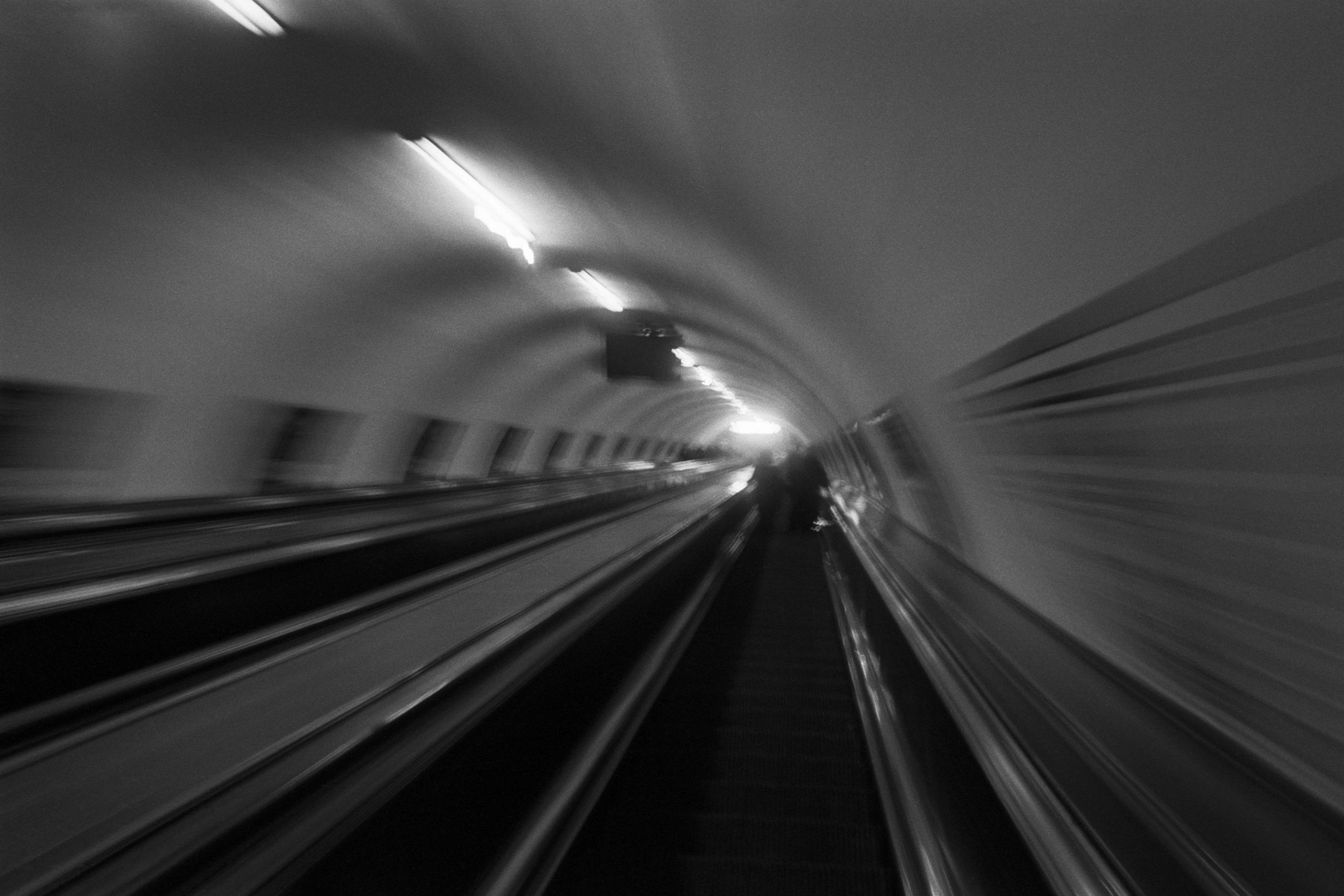
The Wall
2015Winner of the 1st prize & Golden Glass Award at the 11th Photographic Open Championship Olsztyn, and 1st place with the Special Prize of FORMAT magazine at the 3rd Biennial of Art in Piotrków Trybunalski.
View Series →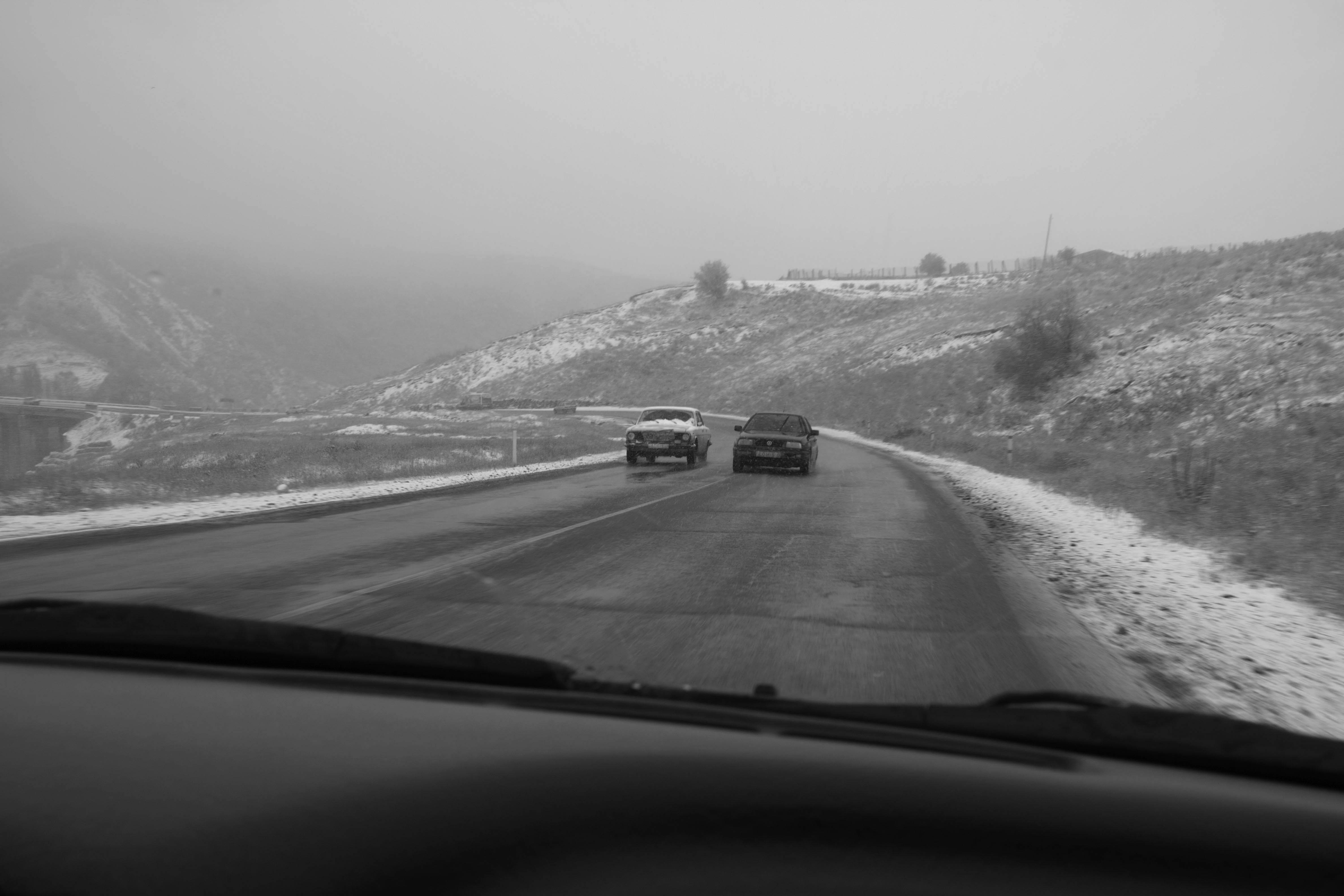
An Engagement Ring
2011A narrative series set in Wrocław in August 2011. Awarded 2nd prize & Silver Glass at the 10th Photographic Open Championship Olsztyn in 2014.
View Series →
Heat Wave
2014A documentary series recording spontaneous events across August and September 2014, capturing the raw energy of a city under the grip of summer.
View Series →