
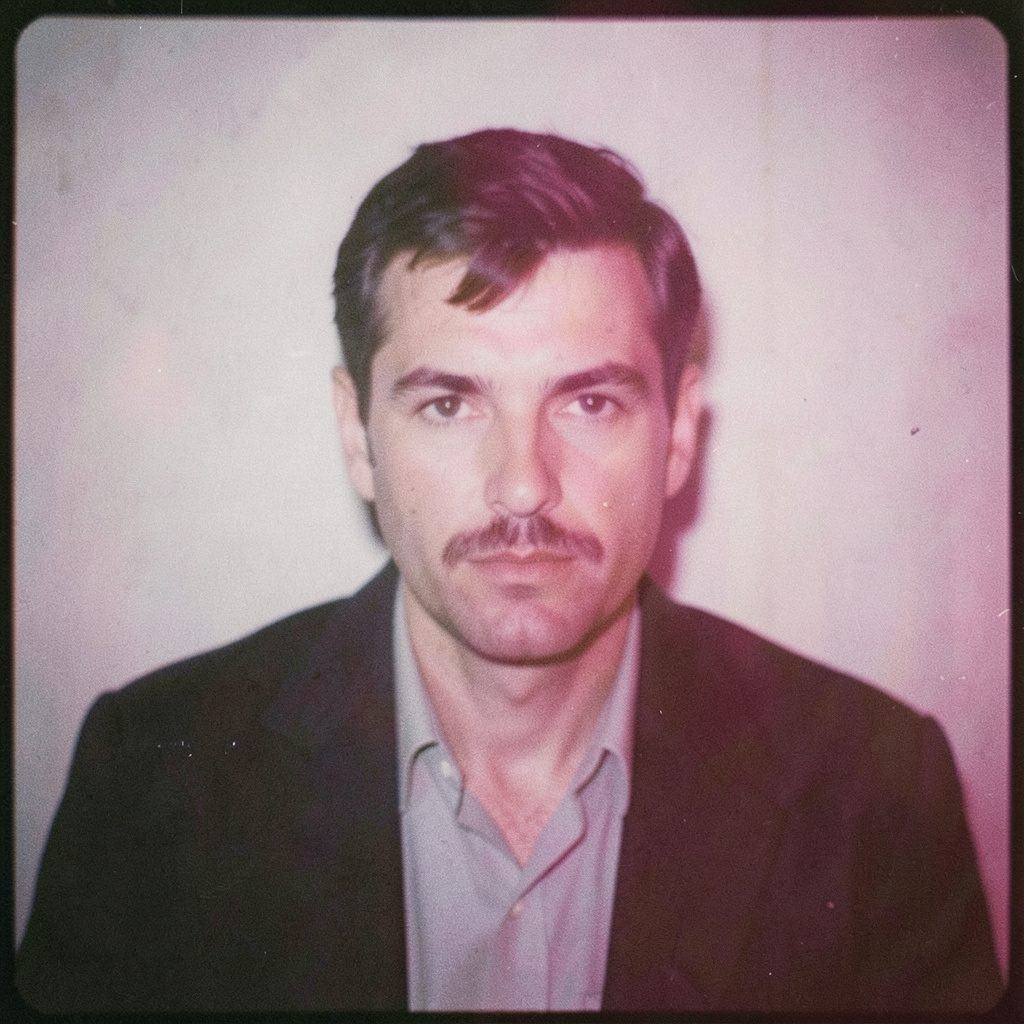
"Photography is not about the thing photographed. It is about how that thing looks photographed."
How to price your photography services as a freelancer
Setting a photography fee is a creative and commercial decision. Your clients are paying for more than the hour spent holding a camera: they are buying preparation, visual judgement, technical knowledge, editing, communication, reliability and the finished images. A sustainable rate must account for all of that work, including the invisible tasks that happen before and after a shoot.
Freelancers often begin with a simple calculation based on the time they expect to spend on location. That approach can make a quote appear competitive, yet it may leave little to cover software, equipment repairs, insurance, travel, tax, administration or periods without bookings. Pricing should reflect the full cost of operating a professional photography business.
The right fee also depends on the type of assignment. A corporate portrait session, a fashion campaign, an event, a fine art commission and a product catalogue all carry different levels of preparation, risk, production and image licensing. A consistent pricing system gives you flexibility without requiring you to invent a number every time someone requests a quote.
For photographers working in Australia, local conditions matter. The commercial market in Sydney and Melbourne can support different budgets from a small regional business, while travel between Brisbane, the Gold Coast, Adelaide or Perth can significantly affect production costs. GST, Australian tax obligations, usage rights and business insurance should all be built into the way you price your services.
Calculate the real cost of running your business
Begin by identifying your annual business expenses. Include camera bodies, lenses, lighting, computers, film, developing and scanning, cloud storage, editing software, website hosting, accounting, marketing, insurance, studio hire and equipment maintenance. If you work with medium-format or analogue photography, include film stock, processing and archival materials rather than treating them as minor extras.
Next, estimate the income you need personally. This is different from your business turnover. Your target should account for rent or mortgage payments, food, transport, health costs, professional development, savings and leave. Freelancers do not receive paid annual leave or sick leave automatically, so a realistic financial plan needs to allow for time when you are unavailable or unwell.
Do not assume that every working day is billable. A photographer might have only 100 to 150 genuinely chargeable days in a year after allowing for enquiries, quoting, editing, bookkeeping, portfolio development, equipment maintenance and quiet periods. Divide your required annual turnover by realistic billable days, then by the number of hours you can charge on each day.
For example, if your business needs AUD 90,000 in annual turnover and you expect 120 billable days, the minimum daily turnover is AUD 750 before considering GST and specialist production costs. This is a planning figure, not an automatic market rate. It tells you whether a proposed job contributes properly to the business.
Separate creative time from shooting time
A short portrait session can require several hours of work. You may need to answer a brief, plan lighting, prepare equipment, travel to the location, set up, photograph the subject, pack down, back up files, select images, retouch, export galleries and communicate with the client. If you charge only for the hour in front of the camera, most of your labour remains unpaid.
Create a time estimate for every stage of an assignment. A useful internal calculation includes pre-production, travel, shooting, data management, editing, retouching, licensing administration and delivery. You can present the client with a simple package price, but you should know how many hours that price represents.
Different genres require different calculations. An event photographer may charge a half-day or full-day coverage fee, then include a defined number of edited images. A business portrait photographer may price a session with a set number of people and retouched photographs. A fine art commission may require research, location scouting, test images, film processing and extensive post-production.
A clear scope protects the relationship. State how long the shoot lasts, how many final images are included, what level of retouching is provided, when the gallery will be delivered and what happens if the brief expands. Additional shooting time, extra subjects, rush delivery or extensive skin and object retouching should have a separate rate.
Research the Australian photography market
Market research helps you position your services without copying another photographer’s fees. Review the pricing language used by photographers in your city and compare businesses with a similar level of experience, portfolio quality, equipment and client type. A high-end commercial photographer and a new family photographer may both be excellent, but they are solving different problems for different markets.
Location affects operating costs. A Sydney assignment may involve expensive parking, studio hire and long travel times, while a Melbourne job may require a wet-weather backup plan and access to suitable indoor locations. In Brisbane, heat, humidity and sudden storms can influence equipment handling and production schedules. Regional photographers may need to account for longer drives and fewer nearby rental suppliers.
The Australian market also contains a broad range of clients. A local café, independent designer or community organisation may have a modest budget, while a national brand, advertising agency or corporate communications team may require a larger production and broader image licence. Your quote should match the value and complexity of the client’s intended use rather than treating every enquiry as the same kind of job.
Competitor research should inform your decisions, not force you into undercharging. If your work uses analogue film, custom lighting, specialised retouching or a distinctive conceptual approach, those elements may justify a higher fee. A recognisable visual style and dependable professional process are commercial assets.
Build packages around the client’s brief
Packages make your services easier to understand. Instead of presenting a long list of disconnected charges, group the work into meaningful options. A business portrait package might include a planning call, a location session, a defined number of people, a selection gallery, retouched files and a standard turnaround. A commercial package may include creative development, production coordination, photography, post-production and a usage licence.
Keep the differences between packages clear. One option might suit a sole trader needing a profile image, another might suit a company photographing an entire leadership team, and a third might include environmental portraits across several locations. The increased price should correspond to additional value, time, image quantity, production complexity or usage.
Be precise about what “edited” means. Basic colour correction and exposure balancing are different from detailed skin work, object removal, compositing or high-end beauty retouching. Black-and-white conversion, film scanning and darkroom printing may also represent specialised services rather than automatic inclusions.
Packages should still allow custom quotes. A fashion lookbook, an event across multiple venues or a conceptual campaign may not fit a standard structure. Use your packages as a starting framework, then adapt them while keeping your internal rates consistent.
Price image licensing separately from production
Photography fees and usage rights are related but distinct. The production fee pays for creating the images. Licensing determines how, where, for how long and by whom the client may use them. A portrait for a company website has a different commercial value from an advertising image used across Australian billboards, social media, packaging and paid campaigns.
Define the licence in plain language. Specify the permitted channels, territory, duration, number of images and type of use. A limited licence for a small business website and LinkedIn profiles may be appropriate for a modest portrait commission. A national advertising campaign may require a broader licence and a substantially higher fee.
Avoid giving away unlimited, worldwide, perpetual usage by default. Clients may request it because they are accustomed to broad contracts, but the permission has real value. If a campaign later expands from Melbourne to national television or international distribution, your agreement should make it possible to renegotiate the licence.
Australian copyright generally remains with the creator unless it is assigned or a contract states otherwise. Moral rights also matter, including the right of attribution and protection against derogatory treatment of the work. A written agreement should explain ownership, permitted use, credit requirements and whether the client can alter the images.
Account for GST, tax and business obligations
If your Australian business is registered for GST, your prices and invoices need to show GST correctly. Many established commercial clients expect quotes to state whether GST is included or excluded, so use one consistent approach. The Australian Taxation Office threshold and registration requirements can change, which makes current professional or ATO guidance important when your turnover grows.
An ABN, proper invoices and organised records support a professional operation. Keep receipts for equipment, travel, software, studio hire and production materials, and maintain a separate system for setting aside money for income tax. GST collected from clients is not ordinary business income to spend freely; it may need to be remitted through your activity statements.
Travel expenses deserve particular attention. If you drive from a studio in inner Melbourne to a regional Victorian location, or fly from Perth to Sydney for a campaign, quote for transport, accommodation, parking, baggage and travel time where appropriate. Clarify whether meals, assistants, location permits and equipment hire are included or charged separately.
Insurance can influence your rates as well. Public liability, professional indemnity and equipment cover may be expected by agencies, venues or corporate clients. Some assignments also require risk assessments, permits or additional crew. These costs are part of delivering a professional service, not unexpected expenses that should be absorbed after the quote is accepted.
Use a written quote and review your rates
A strong quote records the commercial agreement before the camera comes out. Include the client’s brief, shoot date, location, deliverables, turnaround, revision policy, fee, GST treatment, expenses, payment schedule, cancellation terms and licence. A deposit can reserve the date, while a final payment can be due before delivery of high-resolution files or according to agreed commercial terms.
Cancellation terms are especially important for photographers who turn down other work to hold a date. The agreement can explain what happens if the client postpones, weather prevents an outdoor shoot, a subject becomes unavailable or production is cancelled. For events and campaigns, the notice period and non-refundable costs should be clear.
Review your pricing at least once a year. Equipment replacement, rent, insurance, software subscriptions, fuel and professional services tend to rise gradually, and small increases can have a significant effect on profitability. Review completed jobs to see whether editing consistently took longer than expected or whether certain clients required extensive communication.
Track which services produce healthy returns and which create pressure without adequate compensation. A fee that looks attractive may become unprofitable after two rounds of revisions and several hours of administration. Refining your pricing based on actual project data allows you to protect the quality of your work while maintaining a fair relationship with clients.
The goal is a fee structure that supports dependable creative work. When preparation, production, post-processing, licensing, tax and business overheads are visible in your calculations, you can quote with greater confidence. Clients receive a clearer service, and your photography practice has the financial foundation to remain active, responsive and creatively ambitious.
Selected Series
A cross-section of commissioned and personal projects spanning fine art, commercial, and conceptual work.
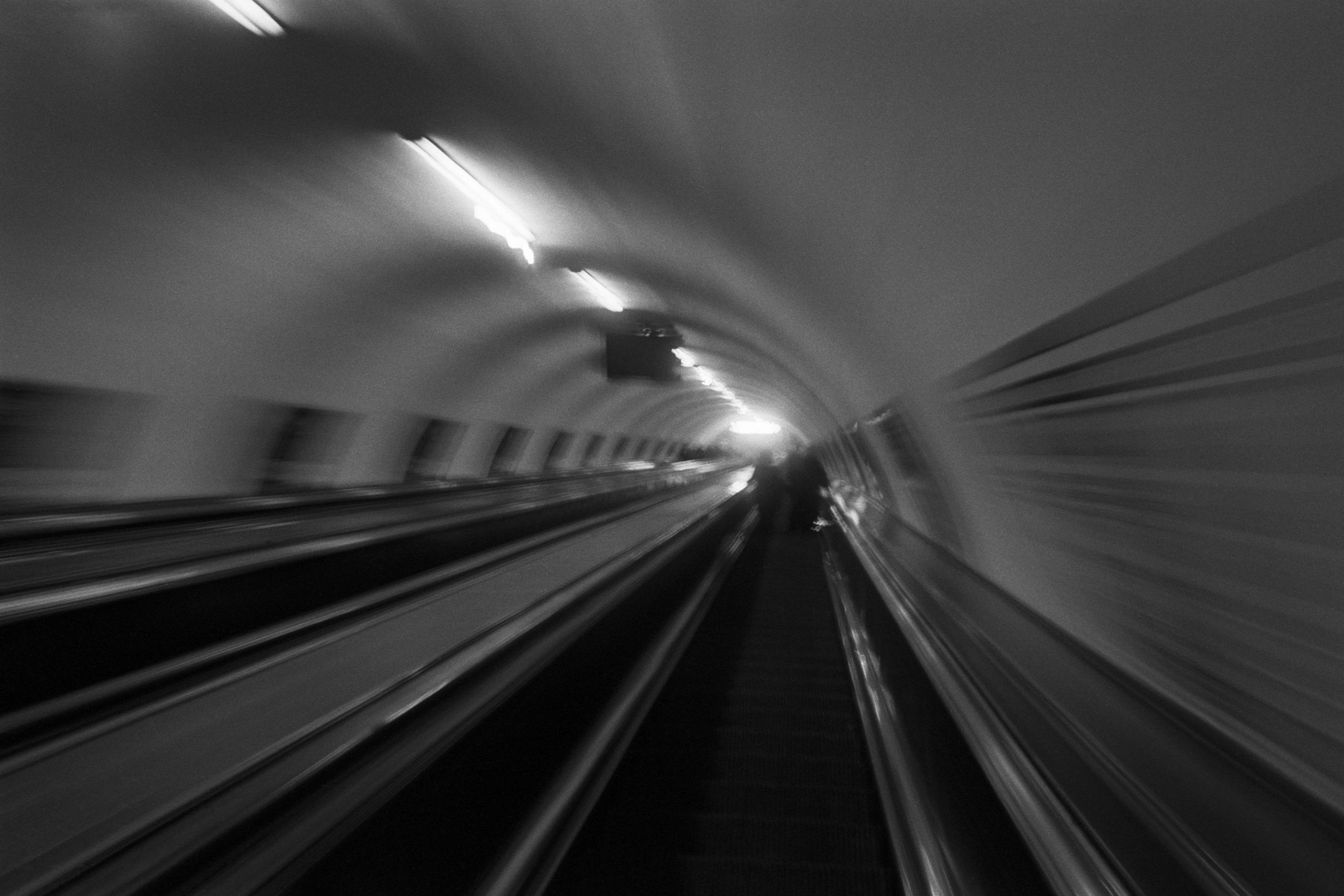
The Wall
2015Winner of the 1st prize & Golden Glass Award at the 11th Photographic Open Championship Olsztyn, and 1st place with the Special Prize of FORMAT magazine at the 3rd Biennial of Art in Piotrków Trybunalski.
View Series →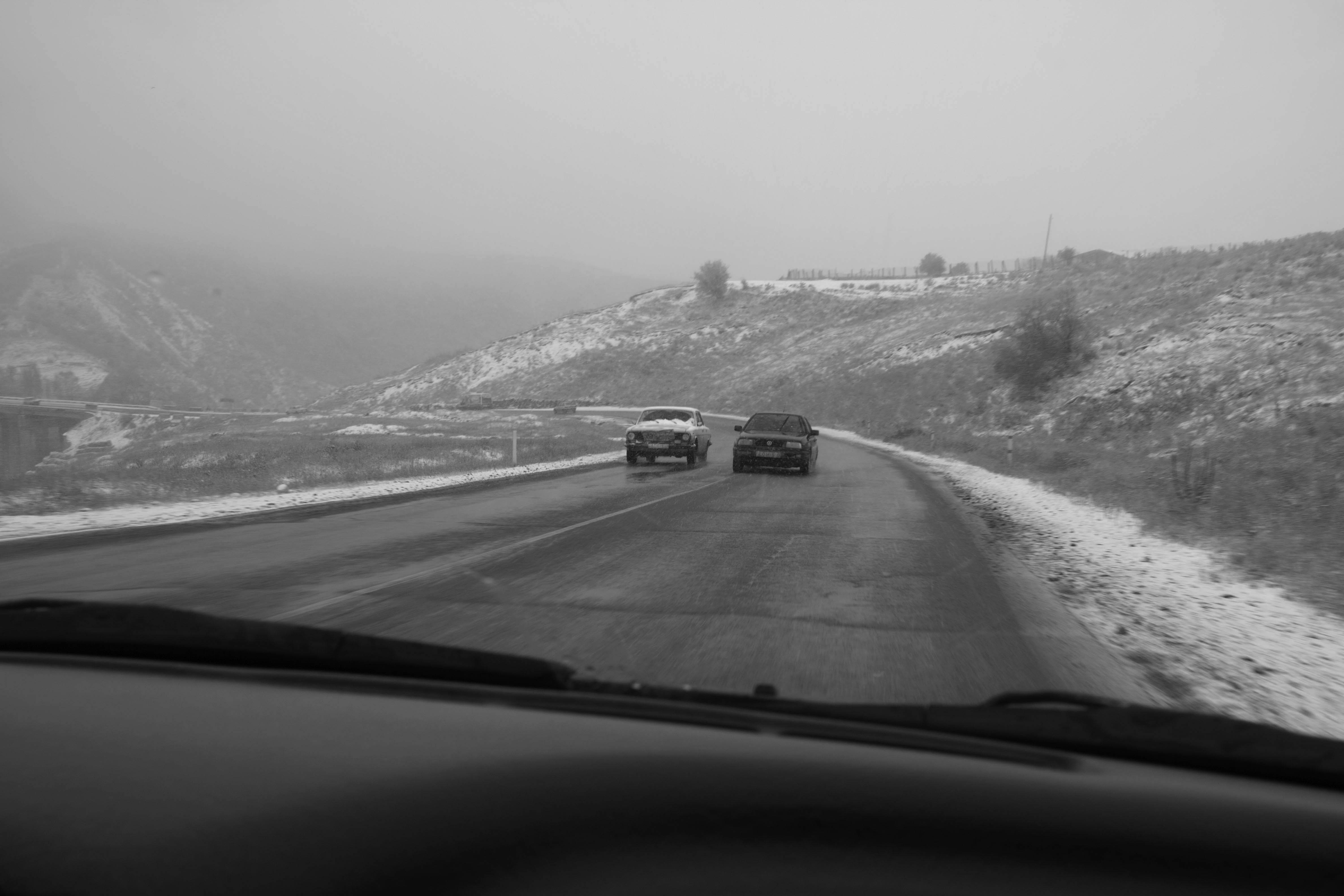
An Engagement Ring
2011A narrative series set in Wrocław in August 2011. Awarded 2nd prize & Silver Glass at the 10th Photographic Open Championship Olsztyn in 2014.
View Series →
Heat Wave
2014A documentary series recording spontaneous events across August and September 2014, capturing the raw energy of a city under the grip of summer.
View Series →