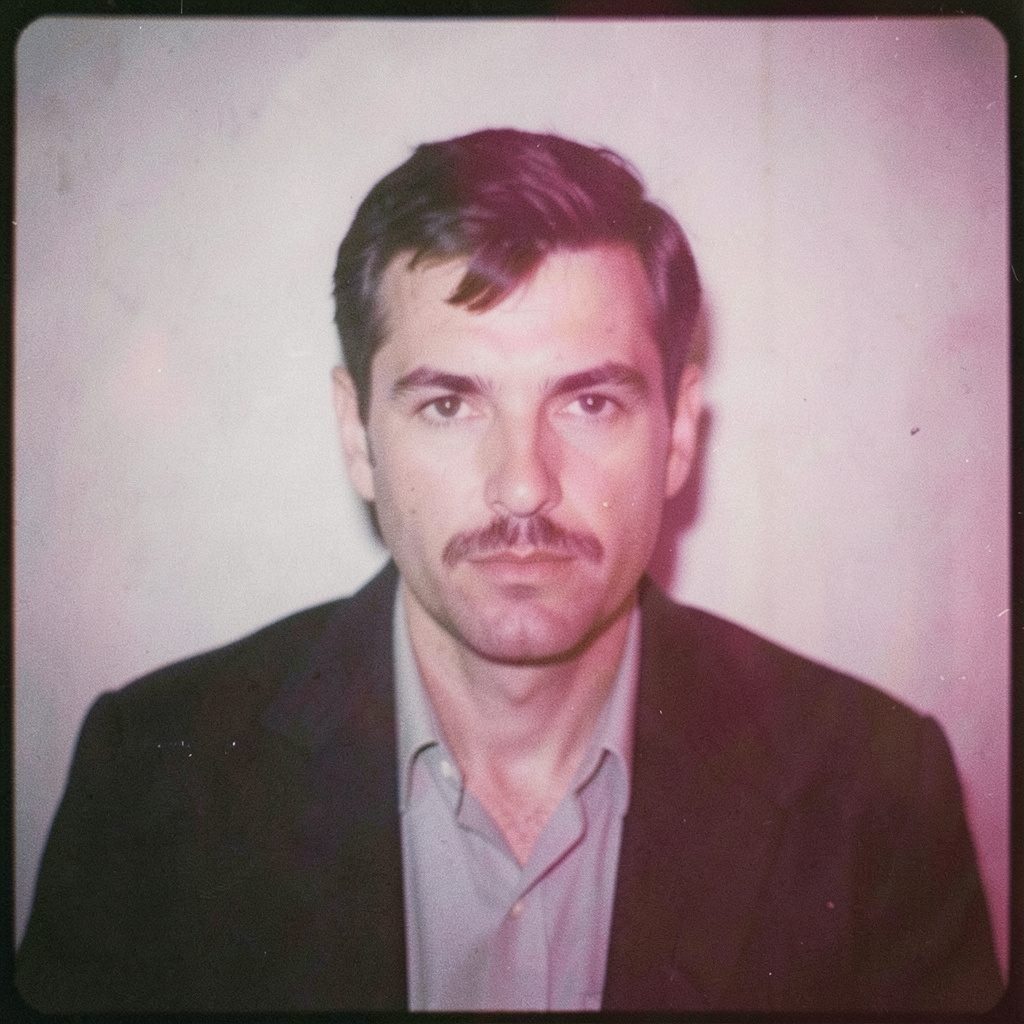
"Photography is not about the thing photographed. It is about how that thing looks photographed."
Finding inspiration through creative block
Creative block rarely means that the imagination has disappeared. More often, it appears as a thinning of attention: familiar ideas return, the first photograph feels uncertain, and motivation seems to evaporate before a clear direction emerges. The pause can feel personal, yet it is usually a response to routine, pressure, fatigue, or too many unanswered creative decisions.
For a photographer, creative block may arrive between assignments, during a demanding commercial shoot, or in the quiet space after a personal series reaches a natural pause. A client needs a confident portrait; a fashion story needs visual tension; a conceptual series needs a live idea rather than an archive of references. Different pressures create different forms of artist block, so treating every creative silence in the same way can keep the real cause hidden.
Inspiration is often mistaken for a sudden flash, but it behaves more like a muscle that recovers through use. Walks, reading, technical experiments, music, conversation, and disciplined looking all feed it. The aim is not to force novelty at every moment. It is to restore enough curiosity for the next honest decision, whether that decision involves a portrait, an event, a constructed tableau, or an image made entirely for the pleasure of seeing.
Staying inspired during a dry spell therefore requires a flexible rhythm rather than constant productivity. Some days benefit from a defined brief; others need play without an predetermined outcome. Australian photographers often work across dramatically changing daylight, compact urban spaces, and demanding production schedules, so adapting to those conditions is part of the practice. Curiosity becomes durable when it is attached to a repeatable way of noticing.
Read the block as information
Begin by identifying what kind of block has arrived. Project-specific stagnation might mean the original concept has become overworked, while a wider creative drought may follow weeks of administrative work or repeated assignments. Physical fatigue deserves a different response from emotional frustration or intellectual uncertainty. Naming the cause creates room for a useful change of direction.
Sometimes a promising idea has simply received too much analysis. A concept that once felt alive can become rigid after months of planning, revisions, and internal commentary. Return to the original impulse and describe it in one plain sentence. Set aside technical language, market expectations, and imagined judgments. The essential visual feeling may then become visible again.
A small output can also break the deadlock. Produce one deliberately limited study rather than waiting for the finished piece that seems to justify an entire return to work. Its purpose is to restore contact with looking. Once the hand and eye begin responding, the emotional distance that made every choice feel final starts to soften.
Change the conditions around the work
Routine is valuable, but it can gradually narrow perception. Altering the conditions surrounding an assignment often reveals possibilities that another attempt in the same place cannot. Work for forty minutes instead of three hours, use a different camera, or photograph before the day becomes busy. A modest change can interrupt the assumption that yesterday’s process must produce today’s result.
For a photographer working across analogue and digital methods, switching tools can be especially effective. A medium-format camera encourages slower decisions, while black-and-white film removes the temptation to solve an image through colour alone. Digital cropping, in turn, can reveal a composition hidden inside a wider frame. The aim is not to declare one method superior, but to give an idea a new physical behaviour.
Movement is another productive variable. Leave the studio without a camera, take a different route home, or return to a familiar location at another hour. Exposure to unfamiliar visual material gives the mind material to work with, even when no photograph is made. Inspiration often grows in the interval between an experience and its use in a photograph.
Notice before you photograph
Photographers develop visual expertise, yet that expertise can also create blind spots. The most recognisable view of a street or studio may be the one that no longer produces surprise. Looking peripherally helps restore attention to gestures, reflections, textures, spacing, and small incidents that a habitual composition excludes.
Field notes can preserve these discoveries before they disappear. Record a fragment of overheard conversation, the shape of shadows across a wall, or the way someone adjusts a garment before entering frame. Specific observations are more fertile than vague words such as “interesting” or “different.” They give later experiments something concrete to transform without turning them into literal recreations.
Research should also cross disciplines. Study painting for its use of negative space, dance for the rhythm of a body in motion, architecture for structure, and editorial design for pacing. These encounters do not supply answers, but they create new questions. A good reference does not tell a photographer what to shoot; it changes how the photographer sees the subject already present.
Experiments that create useful friction
Creative stagnation often loosens when a familiar process receives a constraint. A limit reduces the number of decisions and shifts attention toward invention. The following experiments work best when they remain playful and short enough to prevent anxiety from taking over.
- Set a one-hour limit and make three images around one simple subject. Treat the final frame as a record of what changed during the hour rather than as a polished final photograph.
- Choose an awkward focal length and remain with it for an entire walk. The compressed or extended perspective will disrupt habits of composition and expose relationships that a standard lens conceals.
- Build one contact sheet without enlarging or selecting individual photographs. Judge the images as a sequence, looking for rhythm, repetition, contrast, and visual pauses across the whole sheet.
- Interpret one brief through two contrasting visual grammars, such as environmental portraiture and close observation. Keep the subject constant while allowing lighting, distance, and gesture to change.
- Restrict an image to three colours found in the location. Plan the composition, clothing, and background around that palette, then notice how the limitation alters behaviour and mood.
- Rewrite a familiar commercial assignment as a personal creative challenge. Describe its central emotion in a new way before deciding which poses, settings, or props belong in the response.
An experiment becomes valuable even when it fails. A weak result may reveal that the subject needs more time, a different scale, or a clearer emotional motive. It may also free you from an idea that had become lifeless. Creative friction is useful when it generates information rather than merely frustration.
Find visual clues in Australian life
Melbourne’s laneways offer a vivid example of how place can alter perception. Weather can move from bright sun to drizzle within a short walk, turning brick, signage, wet asphalt, and sharp-edged shadow into changing subjects. Sydney’s Bondi to Bronte coastal path provides another kind of stimulus: bodies move at different speeds, swimmers enter and leave the water, and the built environment holds a steady frame around constant human activity.
These locations reward observation without dictating a single outcome. Watch how people use paths, pauses, and shortcuts. Notice where strangers gather, how clothing changes with wind, and how familiar landmarks look when weather obscures them. Such details can inform an environmental portrait, a fashion sequence, or a conceptual series rooted in movement and place.
Australian conversational language can also influence the tone of a shoot. Phrases such as “no worries,” “have a go,” and “give it a heap” often create an informal, direct atmosphere, particularly during collaboration on location. In the Sydney and Melbourne commercial market, that informality may need to sit alongside tight production windows, fast approvals, and images designed for campaigns, social feeds, or editorial coverage. A useful concept can be inventive while still responding clearly to a practical brief.
Borrow momentum from other disciplines
Writers, choreographers, designers, musicians, and builders all experience periods when the work refuses to move. Their methods can offer useful models. A writer may change the voice, a designer may reduce the palette, and a musician may return to an old exercise with new ears. No single discipline has a universal answer, but each provides a way to create motion without demanding immediate mastery.
Feedback should be chosen carefully during a creative block. Close colleagues can identify an unclear intention, yet broad requests for approval may deepen uncertainty. A useful conversation focuses on a specific response: where attention leaves the image, which moment feels withheld, or whether the visual language supports the intended emotion. Precise observation is more actionable than simple praise or rejection.
The account in Rafal Michalak’s biography shows a practice shaped by traditional analogue processes, medium-format photography, black-and-white film, darkroom principles, and digital workflows. That combination of methods suggests another way through stagnation: let each approach challenge the assumptions of the others. A practical portrait, a fashion image, or a conceptual series can begin to feel different when its visual treatment changes.
Build a rhythm that protects curiosity
A sustainable creative rhythm includes periods of production, reflection, and deliberate idleness. Constant image-making can weaken observation just as surely as inactivity. Protect time away from screens and completed files. Walks, travel, reading, and mundane tasks can loosen the connection between an idea and its expected appearance.
Keep unfinished notes and abandoned frames accessible. Creative block frequently appears during transitions, when one project has ended and another has not declared itself. Reviewing fragments from earlier periods may reveal a recurring subject without forcing an immediate sequel. The archive can function as evidence of curiosity rather than as a collection of finished obligations.
A durable practice does not depend on uninterrupted motivation. It keeps the eyes available, makes experiments affordable, and treats uncertainty as part of the process. When that rhythm is established, a new image no longer needs to arrive with certainty. It can begin as a modest act of looking, guided by attention rather than pressure.
Selected Series
A cross-section of commissioned and personal projects spanning fine art, commercial, and conceptual work.
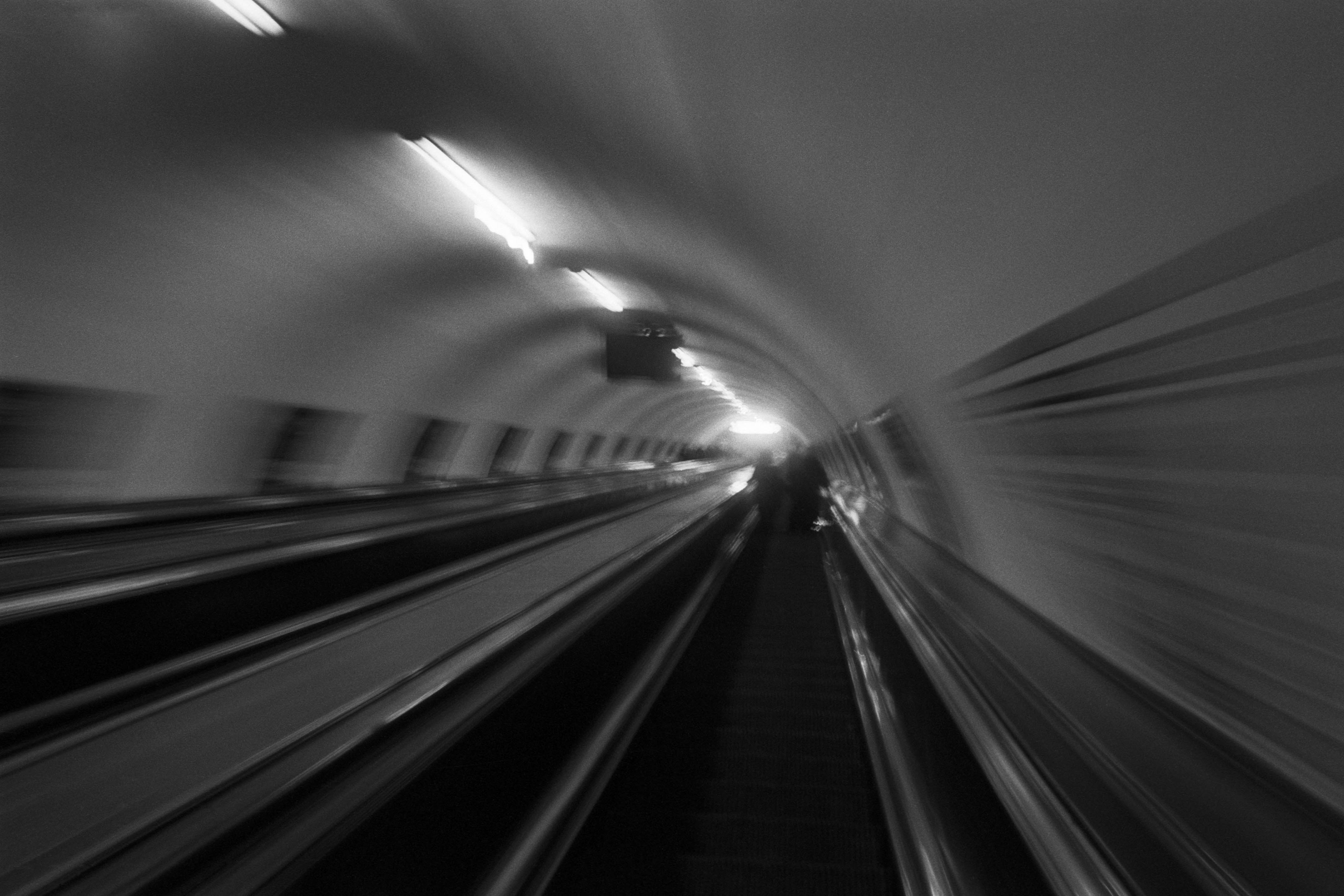
The Wall
2015Winner of the 1st prize & Golden Glass Award at the 11th Photographic Open Championship Olsztyn, and 1st place with the Special Prize of FORMAT magazine at the 3rd Biennial of Art in Piotrków Trybunalski.
View Series →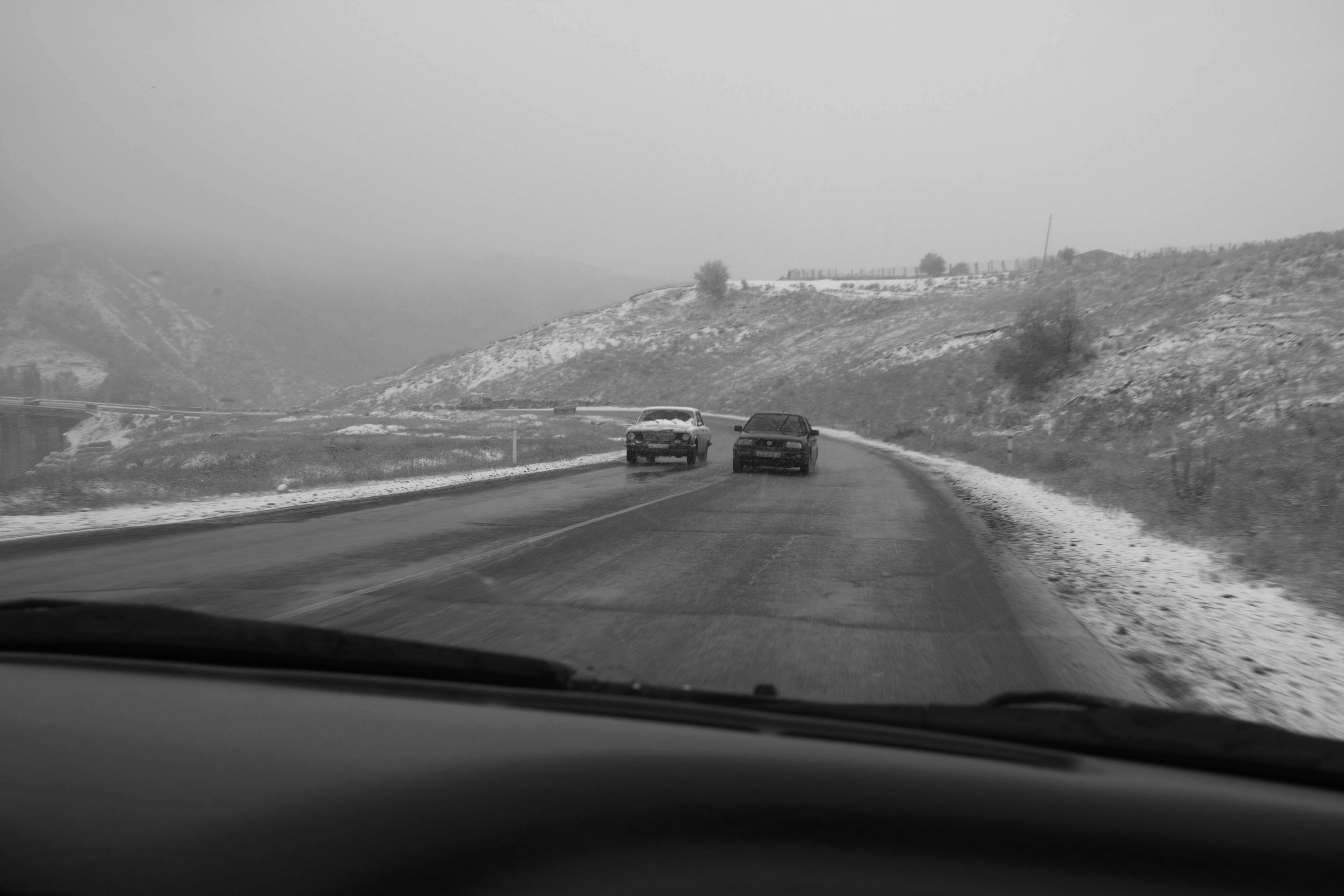
An Engagement Ring
2011A narrative series set in Wrocław in August 2011. Awarded 2nd prize & Silver Glass at the 10th Photographic Open Championship Olsztyn in 2014.
View Series →
Heat Wave
2014A documentary series recording spontaneous events across August and September 2014, capturing the raw energy of a city under the grip of summer.
View Series →