"Photography is not about the thing photographed. It is about how that thing looks photographed."
How leading lines guide the viewer’s eye
A compelling photograph gives the eye a clear route through the frame. The viewer notices a subject, follows visual cues, discovers relationships and reaches a point of emphasis. Leading lines provide that route by turning edges, paths, shadows and shapes into directional forces. They can lead towards a face, carry attention across a scene or connect several subjects without explanatory text.
These visual pathways include obvious elements such as roads, fences and architectural edges, as well as subtler structures created by a person’s posture, the fall of clothing or the direction of light. Their power comes from relationships: a line becomes useful when it supports the subject’s position, leads the gaze at a controlled pace and creates depth. Without such direction, a technically accurate frame can still feel visually uncertain.
The same principles apply across business portraits, fashion, events and conceptual photographic series. A corporate portrait may use a corridor of light, while a fashion image might align the body with a staircase. At an event, movement can establish the route; in fine-art work, repeated diagonals can develop an argument across several frames. The aim is not to make every line conspicuous, but to construct a hierarchy that feels natural.
Finding the visual path
Begin by identifying the strongest directional element in the scene. Look for the edge with the clearest contrast, the longest uninterrupted path or the shape that naturally points towards the subject. Several lines may compete, so decide which should dominate and which should provide support. A strong line entering from a corner can establish an initial viewing position, while a smaller line might carry attention deeper into the image.
Lines also differ in character. Hard edges appear direct and definite; soft edges suggest a gentler transition. Some lines are physical, such as a railing or kerb, while others are implied by repeated objects, a sequence of faces or the alignment of shadows. The portrait and documentary work in Rafal Michalak’s portfolio shows how disciplined framing can turn ordinary surroundings into active compositional elements.
To test a composition, reduce it to a thumbnail and examine the overall shape of the visual route. Squinting removes colour and fine detail, leaving the main directional patterns visible. If the eye stops in an empty corner or becomes confused by several equal paths, alter the position of the subject or simplify the frame. This process helps distinguish useful structure from accidental lines that happen to cross the scene.
Shaping lines in real locations
Architecture offers many possibilities, but each demands awareness of perspective. Vertical columns can create stability, horizontal beams can divide the frame and diagonals can add energy. Curved structures can soften an otherwise rigid arrangement, while repeated windows or balustrades create rhythm and depth. The key is to understand how perspective changes these forms as they move towards or away from the camera.
Melbourne’s laneways provide a particularly rich example. Brick walls, roller doors, awnings and tram tracks can produce narrow channels with strong directional pull, although a photographer must work around signage, bins and pedestrians. Canberra offers a different geometry through its broad civic axes, monumental buildings and carefully planned sightlines. Along these spaces, converging edges can guide the eye with great precision, provided the scene is not reduced to a sterile vanishing point.
Real locations also carry practical constraints. Australia drives on the left, and roadside or intersection photographs must account for traffic approaching from the opposite direction to those in many other countries. Scout the position at the relevant time of day, note parked vehicles and plan how equipment can be moved safely. Check access, permissions and weather as well as composition. A perfect line is of little value if the location cannot be photographed safely or legally.
Directing attention with people
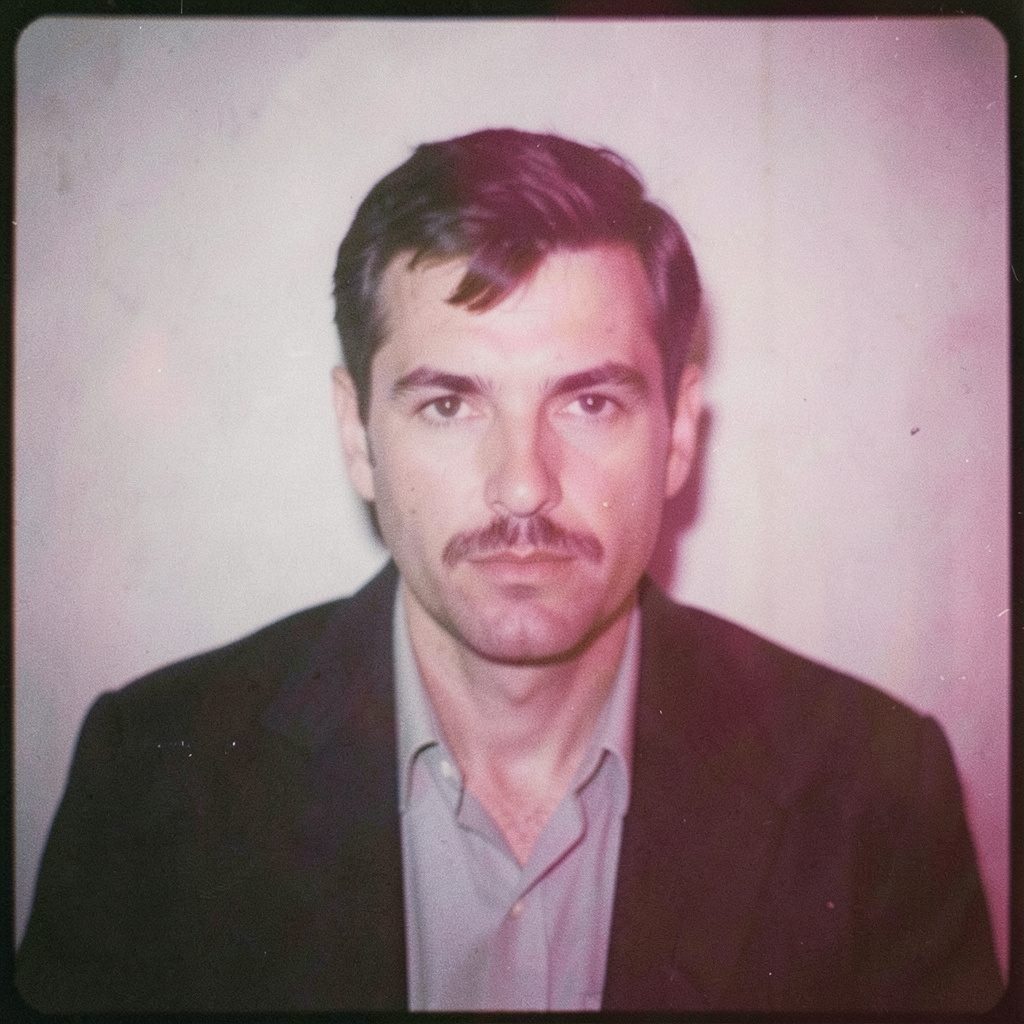
People can become leading lines themselves. An extended arm, a tilted head, a line of shoulders or the angle of a leg can point towards another person or an important detail. In portraiture, the direction of a gaze may continue the path created by architecture. The viewer enters through a background edge, follows the figure’s gesture and arrives at the face, where colour, sharpness and expression provide the final emphasis.
Fashion photography benefits from a similar relationship between body and setting. The fall of a garment, the angle of a hem and the placement of shoes can form a continuous route through the composition. A long coat may lead from the lower edge of the frame towards the face, while a diagonal scarf can redirect attention from one accessory to another. The line should support the clothing rather than compete with its shape, texture or movement.
For Australian commercial clients, these principles remain useful whether the commission is a business portrait in Sydney, a fashion story in Melbourne or event coverage in another capital city. Corporate portraiture often requires clarity and approachability, so the visual route should feel welcoming rather than severe. At a busy event, a doorway, aisle or row of guests can establish an initial direction before a speaker or product becomes the point of focus. In each case, direct the person briefly and watch how natural posture changes the line.
Controlling rhythm and emphasis
Leading lines do not always need to converge on one point. They may create a rhythm through repetition: rooflines receding into the distance, a row of evenly spaced trees or illuminated windows on a building. The eye advances in measured intervals, receiving new information at each stage. This sequential quality gives documentary and conceptual photographs a sense of time, making the frame feel like one part of a continuing environment.
Negative space determines how quickly the viewer travels along a line. A broad, uncluttered area allows the gaze to move easily, whereas overlapping objects can interrupt it. Contrast controls the destination. In colour, a small warm shape may become prominent against a cool field; in black and white, tonal separation might carry the same role. Medium-format and film photography can make these relationships feel tactile through grain, subtle halftones and deep shadow, while digital workflows provide precise control during refinement.
Post-production should reinforce the structure discovered on location. Straightening a sloping edge can clarify a visual path, and a restrained crop can remove a competing direction. Selective darkening may reduce the weight of a bright distraction, while a modest dodge can strengthen the intended endpoint. These adjustments should remain faithful to the photographed scene. Examine the result at full size, on a small screen and in print, since lines that appear convincing on a monitor can behave differently across formats.
Building a coherent visual argument
In a conceptual series, leading lines can become more than devices within individual photographs. They can form a visual argument that develops across the whole body of work. A series might move from rigid architectural lines to increasingly broken or human forms, charting a transition from order to uncertainty. Changing the direction, scale or continuity of the lines allows related images to communicate with one another while retaining distinct visual identities.
The approach must still adapt to the purpose of the commission. A portrait client may need a direct, unobstructed route to the face, while an event image benefits from environmental context and movement. A gallery set may reward ambiguity and sustained looking; a fashion campaign may require immediate recognition of the garment. Good professional judgement means solving the communication problem without sacrificing the integrity of the image or inventing a route that feels imposed.
Evaluate the finished photograph by following its visual journey from beginning to end. The eye should enter easily, move with intention and settle on the intended subject. Check that interruptions remain meaningful, supporting details do not steal the final emphasis and the line supports rather than dictates. When that progression feels inevitable rather than manipulated, leading lines become more than a compositional technique: they give the photograph a voice, pace and a clear relationship between what is seen and why it matters.
Selected Series
A cross-section of commissioned and personal projects spanning fine art, commercial, and conceptual work.
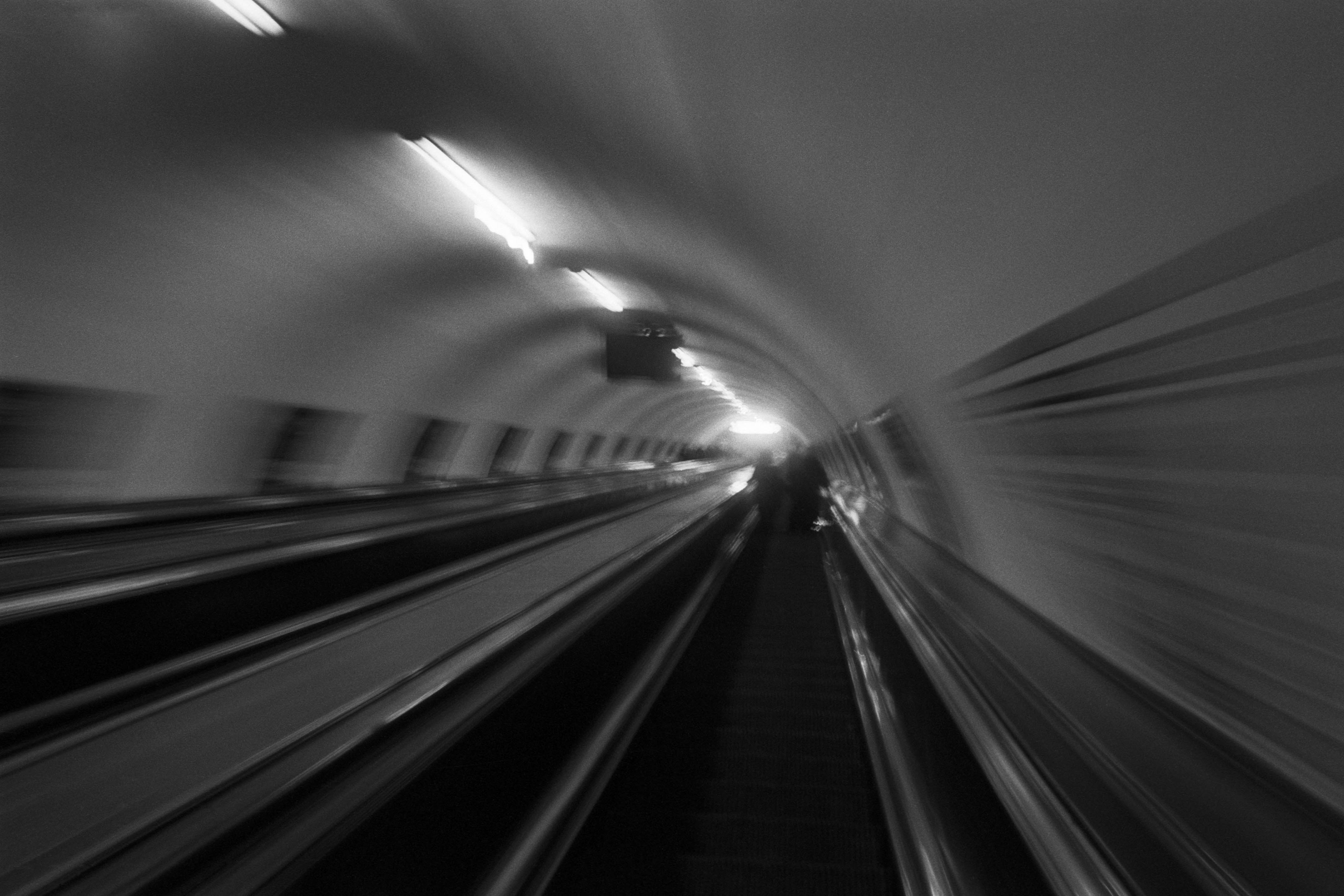
The Wall
2015Winner of the 1st prize & Golden Glass Award at the 11th Photographic Open Championship Olsztyn, and 1st place with the Special Prize of FORMAT magazine at the 3rd Biennial of Art in Piotrków Trybunalski.
View Series →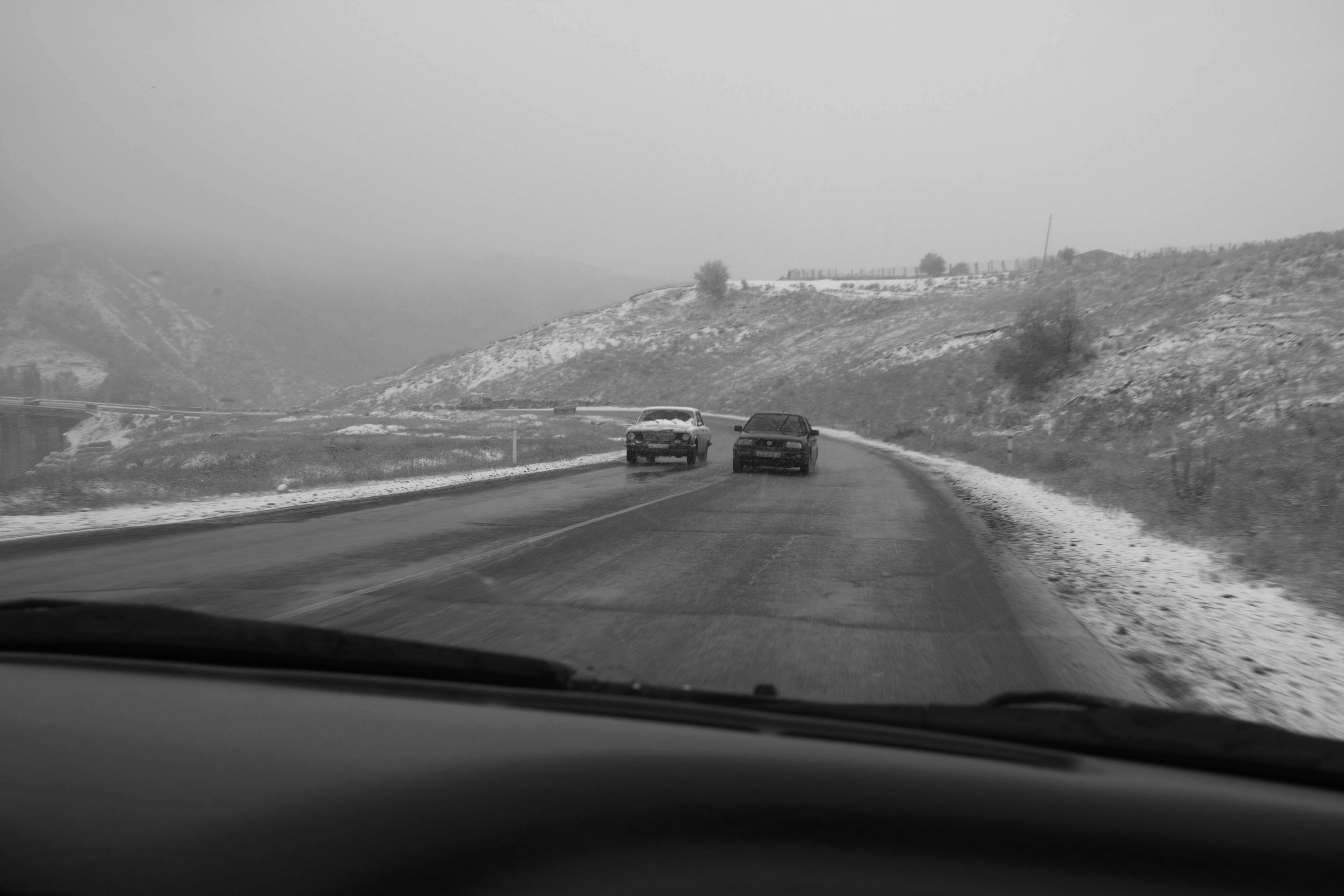
An Engagement Ring
2011A narrative series set in Wrocław in August 2011. Awarded 2nd prize & Silver Glass at the 10th Photographic Open Championship Olsztyn in 2014.
View Series →
Heat Wave
2014A documentary series recording spontaneous events across August and September 2014, capturing the raw energy of a city under the grip of summer.
View Series →