"Photography is not about the thing photographed. It is about how that thing looks photographed."
Working with available light indoors: a photographer's approach
The most flattering light for a portrait, an editorial frame, or a still life is often the light already pouring through a window. Photographers who learn to read, shape, and harness that illumination can produce work with an honesty and depth that no kit bag of strobes can easily replicate. Working with available light indoors is less about resignation to a dim room and more about developing a sensitivity to direction, quality, temperature, and intensity. Done well, it rewards patience and observation with images that feel grounded in their environment.
In a country where the sun climbs high in summer and arcs low through winter, where coastal glare can bleach a Sydney studio in minutes and a Melbourne afternoon can shift from brilliant sun to slate-grey squall in a single hour, this skill becomes even more valuable. Australian photographers who embrace the existing light around them learn to plan shoots around the behaviour of the sun, the character of a room, and the practical sources already installed. The result is a workflow that is quiet, economical, and visually rich.
Reading the light you already have
Every interior carries its own signature before a single modifier is unpacked. The first task is to study what the room is already offering: where the brightest source sits, how shadows fall, what colour the walls lend to the bounce, and where the eye is naturally drawn. A north-facing window in Hobart, a clerestory above a kitchen in Adelaide, a frosted door in a Brisbane apartment, or a single bay window in a heritage terrace in Surry Hills each tells a different story. Standing in the space, looking at the way the light grazes the back of a hand or pools on a tabletop, is the kind of slow looking that underpins the entire practice.
A practical habit is to use the camera as a light meter long before the subject arrives. Walk to where the face will sit, take a quick reading at the working aperture, and note how the histogram behaves. If the highlights are clipping against a bright pane of glass, the subject needs to move further into the room, or a sheer curtain needs to soften the source. If the shadows are swallowing detail, a small reflector tucked behind a chair can pull them back. The point is to treat the pre-shoot reconnaissance as seriously as the session itself, because the room is the first collaborator on set.
Tools for shaping ambient illumination
Modifiers for available light are rarely expensive, and they rarely need mains power, which is useful in older Australian buildings where running extra cables is not always practical or permitted by the venue. A collapsible five-in-one reflector, a 1.2-metre scrim on a cheap C-stand, a roll of black flag material, and a sheet of white foamcore are enough to redirect, soften, or subtract light across most scenarios. They are also silent, which matters when shooting interviews, classical musicians, or anyone who tenses under the chatter of a generator.
The second tier of tools is what the room already contains. Heavy curtains become a giant silk. A pale wall is a fill card on a grand scale. A polished timber floor throws warm bounce back into a face. A linen tablecloth draped over a lamp turns a tungsten bulb into a soft, wraparound source. Thinking like a set dresser rather than a gaffer often produces the most poetic results, and it costs nothing. In suburbs from Collingwood to Fremantle, the studios that win commissions are frequently the ones where the team reads the architecture as part of the lighting plot, rather than fighting it.
Working with window light throughout the day
Window light is the spine of most interior assignments, and its behaviour shifts constantly. In a Sydney winter, the low sun rakes through west-facing sash windows for an hour before sunset, producing long raking shadows that flatter cheekbones and emphasise texture. In a Brisbane summer, the same window throws flat, intense light at midday that demands diffusion or a repositioned subject. The four-seasons-in-one-day shifts of Melbourne require the photographer to be ready to rotate the subject ninety degrees between clouds and sun, sometimes within a single session. None of this is a problem; it is the material of the photograph.
A useful framework is to think in three zones across the room: the highlight zone immediately beside the source, the mid zone one to three metres back, and the shadow zone deeper still. Each zone has a different character, and a portrait, a fashion look, or a product set can be matched to it deliberately. A sitter placed right against the glass becomes a high-key study in skin and fabric. Moved into the mid zone, they acquire form, with gentle modelling on the far side of the face. Pushed deep into the shadow zone, they become a chiaroscuro subject, lit almost entirely by bounce and rim, with an intensity reminiscent of an Old Master canvas. The choice of zone is the first creative decision of the day.
Mixing practical and natural sources
Few real interiors offer only daylight. A pendant over a dining table, a reading lamp beside an armchair, the cool flicker of a television in the corner, or the warm glow of a candle at a birthday gathering are all part of the ambient recipe. Australian homes increasingly favour dimmable LEDs and smart bulbs, which means a shoot can be coordinated with the venue: warm 2700K for intimate portraiture, neutral 4000K for commercial work, and cooler 5000K for products that demand clinical accuracy. It pays to discuss lighting with the client or location manager before arrival, so a single bulb is not casting an unwanted green spike across a white shirt.
When mixing daylight with practical sources, white balance becomes the most expressive tool available. Leaving the camera at a neutral setting and letting the colour contrast tell the story is a deliberate aesthetic; warming the entire frame to 3200K turns a tungsten lamp into a sunset and cools the daylight into a moonlit blue. The Australian 230-volt mains and Type I outlets that most venues use are forgiving of a wide range of lamps and dimmers, which makes it easy to fine-tune intensity without buying specialty gear. The skill is restraint: deciding which sources stay, which are switched off, and which deserve a flag to keep them out of frame.
Camera settings for low-light interiors
Working with available light indoors means accepting that shutter speeds will often live in the 1/60 to 1/200 range, apertures will sit wide, and ISO will rise. The craft lies in choosing which compromise to make. A medium-format digital body, or a favourite 6×7 film camera loaded with a 400-speed emulsion, offers enough latitude to keep skin tone clean while still rendering the room with depth. For darker interiors, pushing to ISO 1600 or 3200 is rarely a problem on a modern sensor, and the grain that results can be welcomed as part of the visual language, particularly when the brief leans towards reportage or documentary portraiture.
A consistent working method helps. Set the camera to manual, choose the aperture that delivers the desired depth of field, then balance shutter speed and ISO to land the exposure two-thirds of a stop under the meter reading, preserving highlight room. Lock white balance on the dominant source, and switch to a custom Kelvin value only when the mixed lighting genuinely demands it. A small, well-practised routine removes guesswork, which means more attention can stay on the sitter, the gesture, the wind catching a curtain, the moment a hand finds a chin. Technical fluency is what makes the unobtrusive, observational style possible.
Mood, atmosphere and direction
Lighting is storytelling before it is technique. A boardroom portrait for an annual report calls for clarity, even illumination, and a steady gaze. A fashion editorial in a heritage Brunswick warehouse calls for shafts of dust-filled light, deep pockets of shadow, and a touch of grit. A still life of a single orchid on a bedside table calls for soft, wrapping, almost reverent light. The same window, the same wall, the same lamp can be made to serve all three briefs through positioning, diffusion, and the photographer's intention. The room does not change; the reading of it does.
Direction matters as much as quantity. Front light flattens, side light sculpts, back light separates, and overhead light dramatises by carving out eye sockets. In Australian commercial work, where the market prizes both polished corporate imagery and a strong auteur-driven editorial scene, being able to switch between these dialects on the same day is commercially valuable. It also keeps the work fresh, because the same model, the same jacket, the same coffee cup can yield half a dozen distinct images purely through the way the available light is welcomed, redirected, or refused.
Post-production and digital refinement
The work does not end when the last frame is captured. Available light files often arrive with a wide dynamic range, unusual colour casts, and a mood that needs careful translation into the final image. A measured pass in a non-destructive editor can recover a clipped curtain, warm a clinical fluorescent spike, deepen the shadows around a collar, or pull back a magenta fringe from mixed lighting. The aim is not to invent a light that was never there, but to honour the one that was, polishing the photograph rather than rewriting it.
For commissioned work delivered in Australia, the final files must also meet the brief of the client and the standards of any publication or platform they feed into, including the consent and image-use considerations set out under the Privacy Act 1988 when identifiable people are involved. A clean 16-bit TIFF, profiled for the printing press or the screen it will appear on, remains the safest currency. Metadata, copyright, and the photographer's own visible signature all need attention before delivery. None of this replaces the original act of seeing the light, but it is the quiet craftsmanship that turns a good frame into a finished image, ready to sit comfortably in a portfolio, an annual report, or a gallery wall in Sydney, Melbourne, or anywhere else the work eventually lands.
Selected Series
A cross-section of commissioned and personal projects spanning fine art, commercial, and conceptual work.
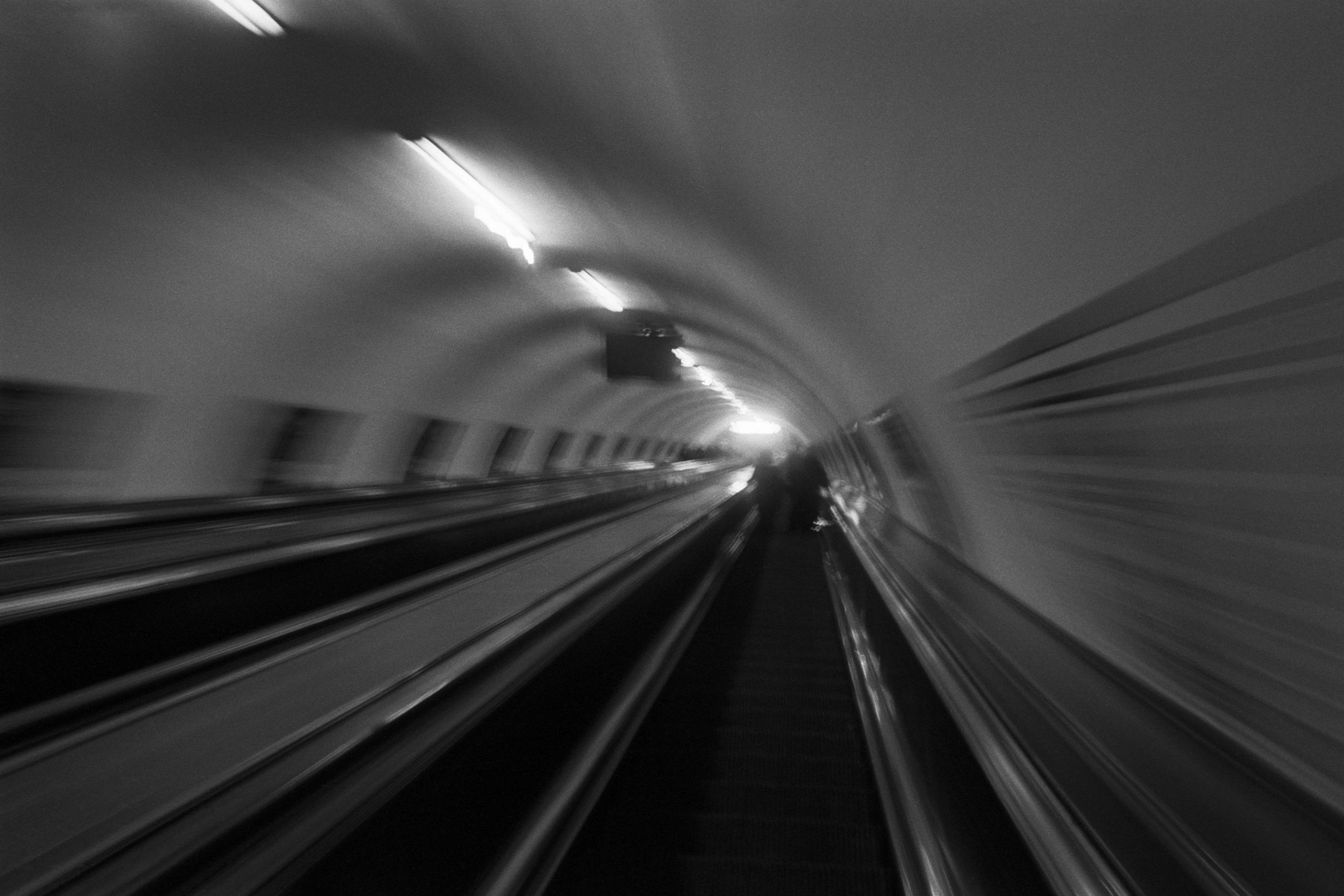
The Wall
2015Winner of the 1st prize & Golden Glass Award at the 11th Photographic Open Championship Olsztyn, and 1st place with the Special Prize of FORMAT magazine at the 3rd Biennial of Art in Piotrków Trybunalski.
View Series →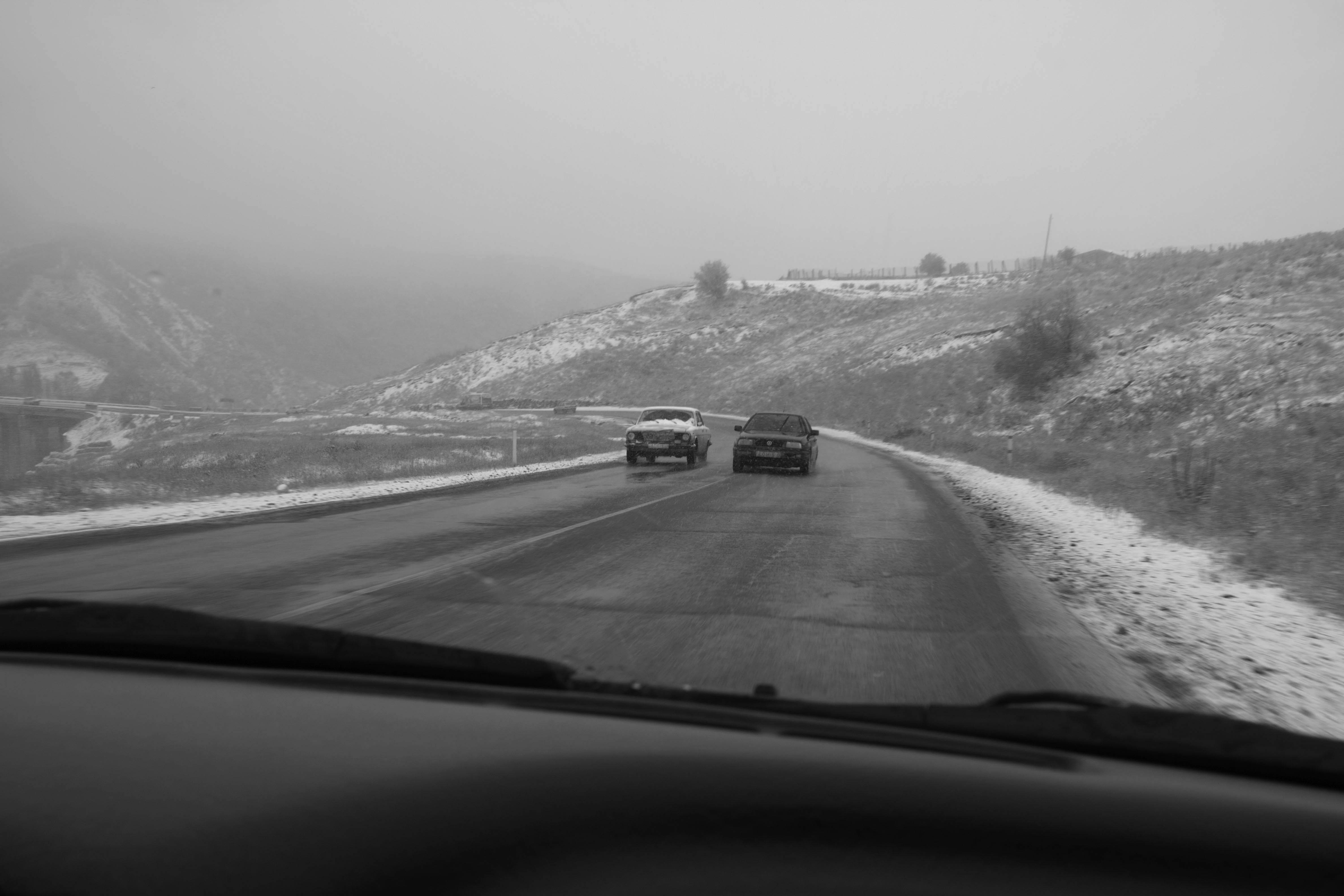
An Engagement Ring
2011A narrative series set in Wrocław in August 2011. Awarded 2nd prize & Silver Glass at the 10th Photographic Open Championship Olsztyn in 2014.
View Series →
Heat Wave
2014A documentary series recording spontaneous events across August and September 2014, capturing the raw energy of a city under the grip of summer.
View Series →