"Photography is not about the thing photographed. It is about how that thing looks photographed."
Lessons from the darkroom: patience as a creative tool
Photography often appears to reward speed. A decisive gesture, a fleeting expression, or a sudden change in light can determine whether an image succeeds. Contemporary cameras encourage this instinct with rapid autofocus, continuous shooting, instant previews, and the reassurance that hundreds of frames can be made in a single session. Yet some of the most meaningful photographic decisions emerge when the process becomes slower.
My work in Wrocław moves between commercial commissions, business portraits, fashion, events, and conceptual photographic series. Each field has its own rhythm, but all of them benefit from attention that cannot be rushed. Analogue film, medium-format cameras, black-and-white materials, darkroom principles, and digital tools each reveal different aspects of that attention.
The darkroom provides a practical education in waiting. Film must be exposed with care, processed before it can be fully understood, and printed through a sequence of deliberate choices. This interval changes the photographer’s relationship with uncertainty. Instead of treating time as an obstacle, it becomes part of the creative method.
Learning to see before pressing the shutter
A darkroom mindset begins before the exposure. When each frame carries a material cost and cannot be reviewed immediately, observation becomes more precise. Light is considered for its direction, density, and emotional character. A person’s posture is read alongside the background, the distance, and the space around the body. The photographer learns to identify the image before making it.
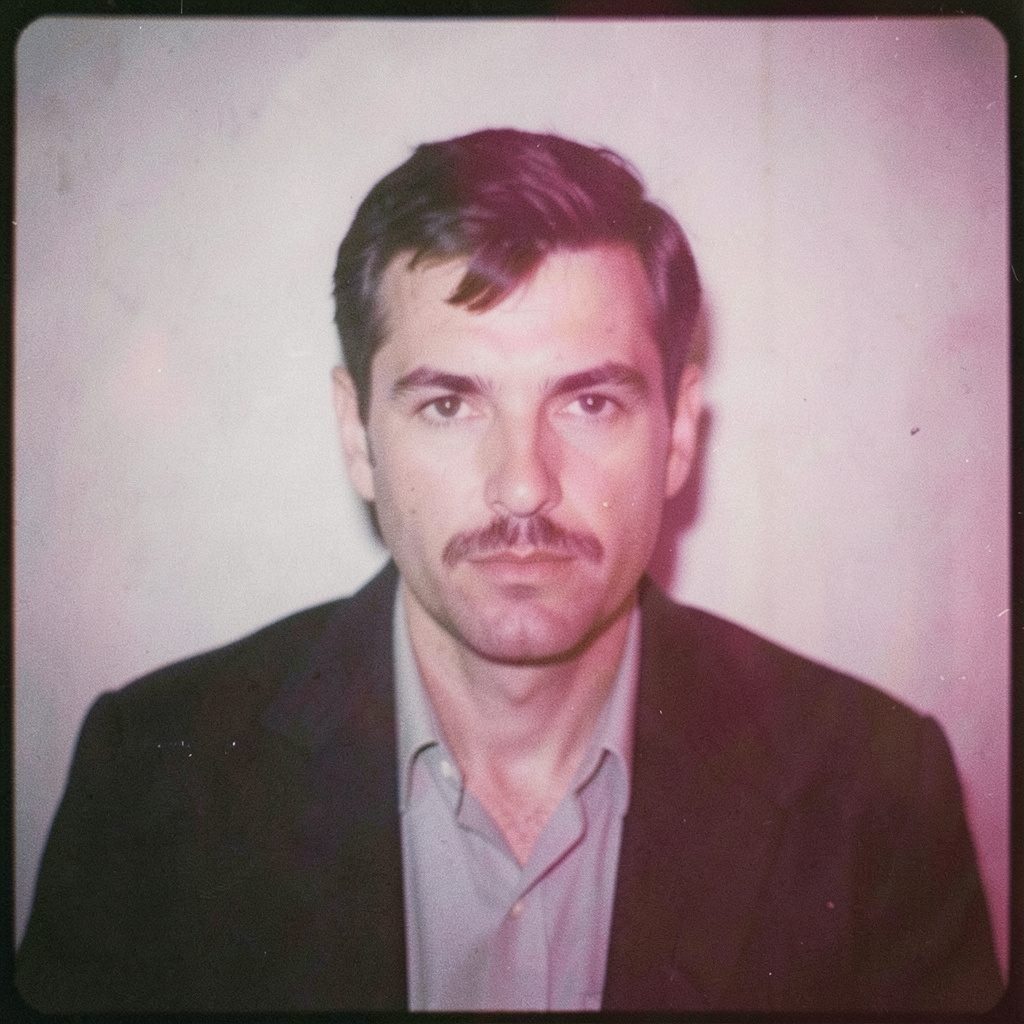
This habit is especially valuable in portrait photography. A business portrait may need to communicate confidence, intelligence, approachability, or authority without appearing forced. A fashion image may depend on a subtle relationship between fabric, movement, gesture, and shadow. Waiting for the right expression is not passive. It involves building trust, watching changes in the subject, and recognizing the brief instant when a pose becomes natural.
Patience also makes room for visual editing at the moment of capture. Rather than relying on a large number of similar frames, I can adjust one element at a time: a chin lifted slightly, a hand released from tension, a model turned toward the light, or a background simplified through a small change in position. The resulting photograph often feels more intentional because it was shaped by observation rather than reaction.
Film slows the distance between idea and image
Analogue photography creates a productive separation between taking a photograph and seeing its result. Medium-format film offers detail, tonal depth, and a distinctive physical presence, yet it demands commitment. The image is held in the mind for a while before it appears as a negative or contact sheet. This delay can feel uncertain, though it also protects the early idea from instant judgment.
Digital photography makes it easy to assess an image seconds after exposure. That speed is essential in many professional situations, particularly events and commercial productions where timing, delivery, and reliability matter. Still, immediate review can encourage constant correction. A photographer may begin chasing technical perfection instead of pursuing atmosphere, character, or meaning.
Film creates a quieter form of concentration. I remember the circumstances of each frame: the quality of the daylight, the sound of the location, the conversation with the subject, and the reason for releasing the shutter. When the negatives are developed, the process becomes a form of recollection. The image is evaluated as part of an experience, not as an isolated file on a screen.
This slower feedback loop also helps preserve instinct. There is no opportunity to adjust the scene based on every minor variation in the previous frame. The photographer must remain present, respond to what is happening, and accept that some elements will remain outside control. That balance between preparation and openness is central to creative work.
The darkroom turns time into a visual decision
Printing in a darkroom makes patience tangible. A negative is rarely a finished photograph. Exposure time, contrast, paper choice, enlarger height, burning, dodging, and chemical development all affect the final print. Each adjustment changes the balance between highlights, shadows, texture, and atmosphere. The process is slow because the image is being interpreted rather than simply reproduced.
This is where technical discipline and artistic judgment meet. A shadow can be allowed to retain mystery or opened to reveal detail. A bright area can remain luminous or be controlled so that it does not dominate the composition. Black-and-white printing teaches the photographer to think in relationships: deep blacks against pale greys, sharp edges beside soft transitions, stillness beside movement.
A print may require several attempts before its character becomes clear. The first version can expose a problem that was invisible in the negative. The second may have the right tonal range but lack balance. A later version may succeed because a small area was darkened or a border was adjusted. These iterations are not wasted time. They are a form of close looking.
The same principle applies to digital post-production. Careful retouching, tonal adjustment, and colour grading can serve the original intention when they are guided by restraint. The darkroom encourages me to treat editing as a continuation of seeing, not as an opportunity to add effects without purpose. A finished image should retain the texture of its subject and the integrity of its atmosphere.
Waiting reveals what an image is trying to say
Some photographs become understandable only after a period of distance. Immediately after a shoot, technical concerns can dominate: focus, exposure, composition, expression, or whether the frame meets a brief. With time, emotional and conceptual qualities become easier to recognize. A photograph that seemed quiet may gather strength, while an apparently dramatic frame may feel empty after repeated viewing.
This is particularly important in conceptual photography. An idea may begin with a visual reference, a material, a gesture, or a question about identity and perception. The first images often contain fragments of the final direction rather than a complete answer. Reviewing them slowly allows recurring forms, tensions, and absences to emerge. The series develops through attention to what keeps returning.
Patience also protects ambiguity. There is a strong temptation to explain an image too quickly, especially when presenting personal work. Yet a photograph can hold several interpretations at once. Leaving space for the viewer is a deliberate artistic choice. A black-and-white frame with an obscured face, an interrupted gesture, or an unusual relationship between figure and architecture may communicate more through uncertainty than through description.
In portrait sessions, waiting can produce a similar depth. A person may begin with a professional expression designed for the camera. As the session continues, that surface can soften. The resulting image does not necessarily show a dramatic transformation; it may simply reveal a more truthful balance between public presence and private concentration. Time allows the subject to become less self-conscious and more fully present.
Patience has a place in professional photography
Slow observation does not mean working carelessly or ignoring practical demands. Commercial photography depends on preparation, clear communication, and the ability to make confident decisions within a schedule. A corporate portrait session may involve several people, limited access to a location, and a delivery deadline. Event photography requires awareness, mobility, and fast responses. Patience must function inside these conditions.
The lesson from the darkroom is to slow down the decisions that matter, not every action. Before a shoot, I can study the purpose of the images, plan the lighting, consider the location, and establish a visual direction. During the session, this preparation allows more attention for the unexpected. The work becomes efficient because the essential choices have been considered in advance.
A patient approach also improves collaboration. Subjects often respond to the atmosphere created by the photographer. Clear instructions help, though listening is equally important. A brief pause can show that the photographer is paying attention rather than simply moving through a checklist. In fashion work, this may create space for a model to contribute movement or attitude. In business portraits, it can make a formal setting feel more human.
The following principles guide my practice across analogue and digital assignments:
- Observe the available light and the subject’s presence before changing either one.
- Make each frame serve a clear visual or emotional purpose.
- Leave time between photographing and evaluating whenever the project allows it.
- Edit with restraint, preserving texture, gesture, and the atmosphere of the original scene.
- Treat mistakes and unsuccessful frames as information about the next decision.
Patience also changes how success is measured. A photograph does not need to be loud to remain memorable. It may work through a quiet expression, a carefully held shadow, or a detail that becomes visible only after sustained attention. This kind of image can be especially valuable in a portfolio because it communicates a considered point of view rather than a collection of technical accomplishments.
For me, the darkroom remains a place of practical knowledge even when the final work is delivered digitally. It teaches that creative control is built through repetition, restraint, and the willingness to wait for understanding. Film, chemistry, and paper make this lesson visible, while portrait sessions, fashion stories, events, and conceptual projects give it different forms.
The photographer’s task is not to eliminate uncertainty. It is to develop enough patience to work with it. A delayed result can sharpen intuition. A quiet interval can reveal a stronger composition. A second look can transform a technically simple frame into an image with emotional weight. Time, handled deliberately, becomes part of the photograph.
Selected Series
A cross-section of commissioned and personal projects spanning fine art, commercial, and conceptual work.
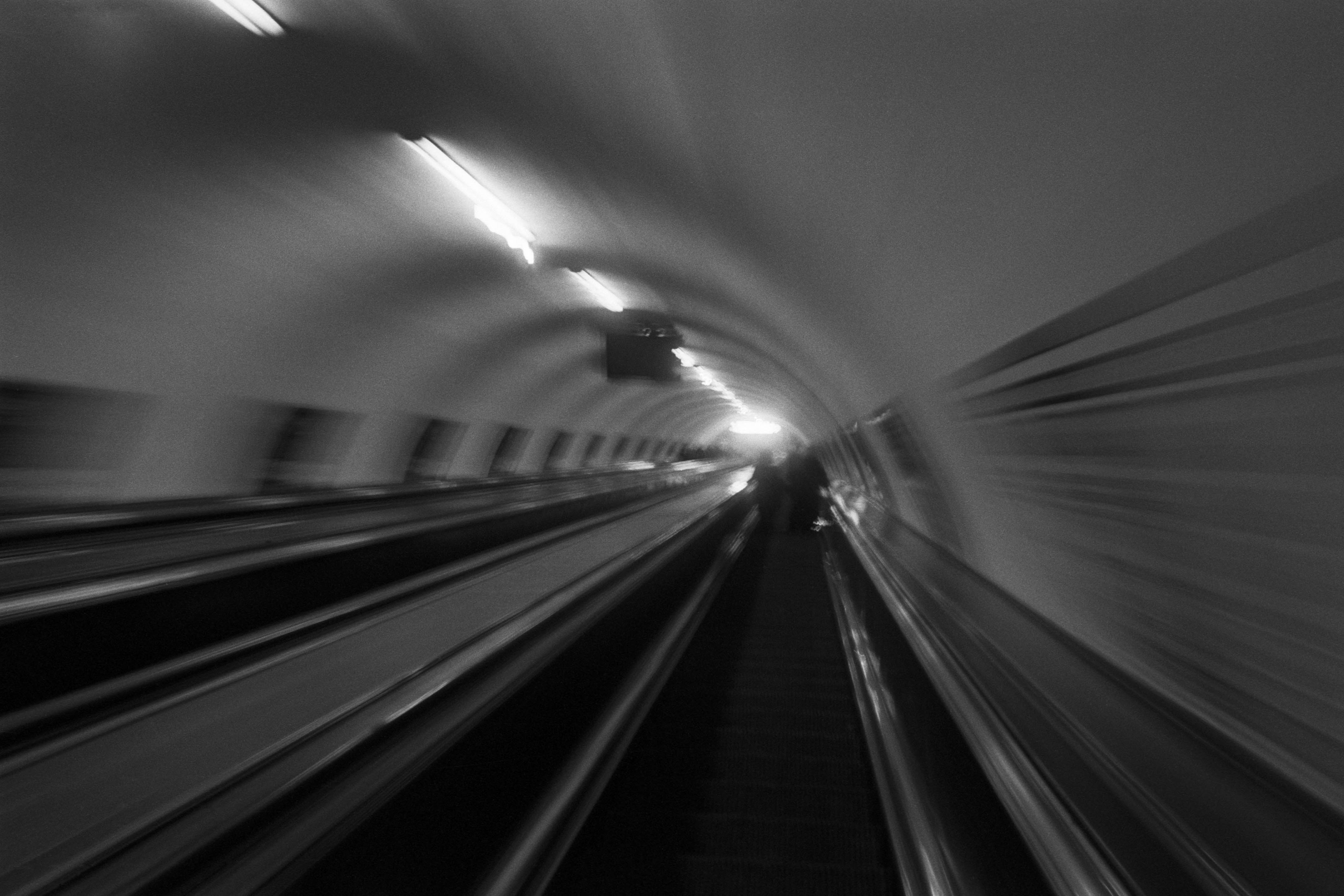
The Wall
2015Winner of the 1st prize & Golden Glass Award at the 11th Photographic Open Championship Olsztyn, and 1st place with the Special Prize of FORMAT magazine at the 3rd Biennial of Art in Piotrków Trybunalski.
View Series →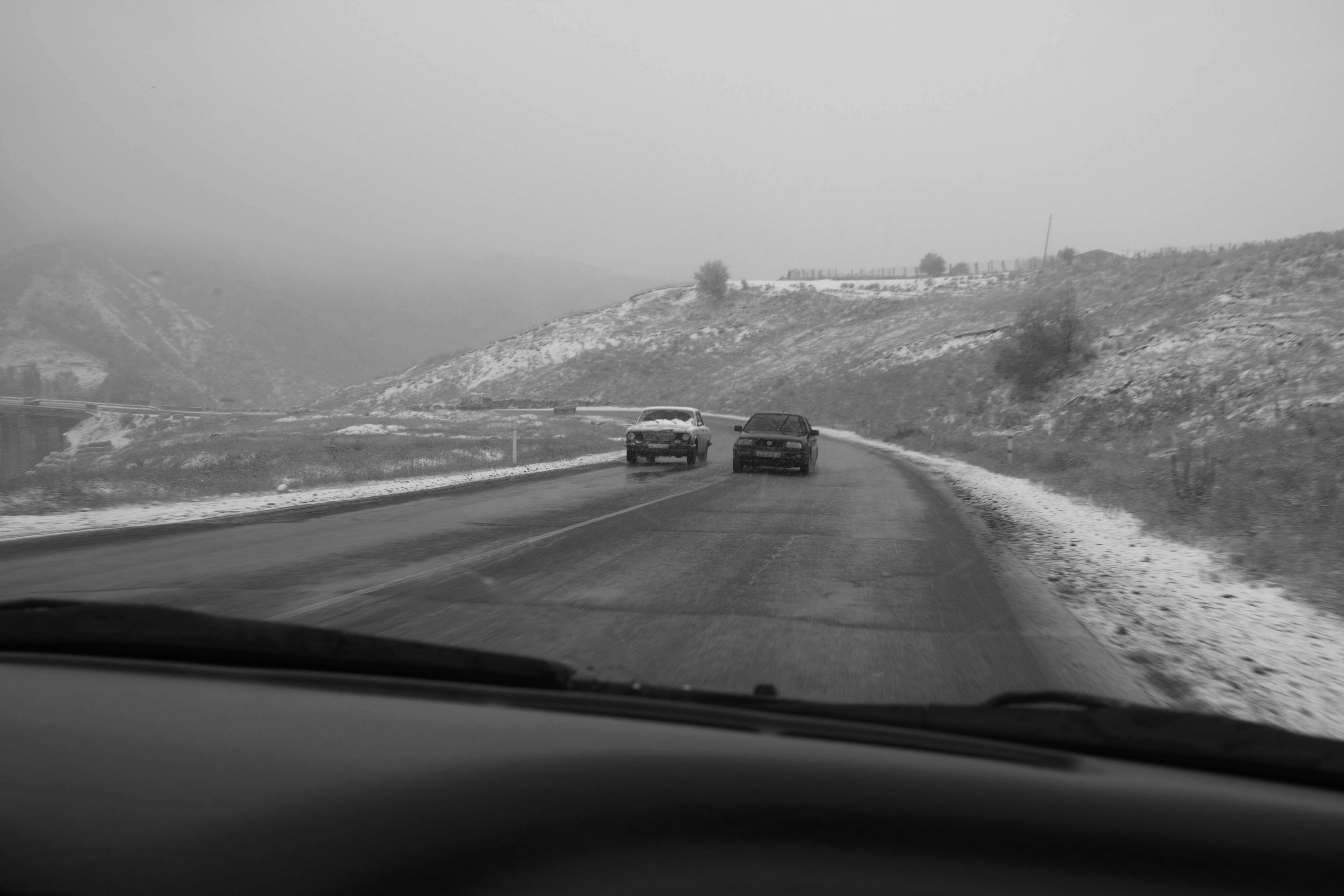
An Engagement Ring
2011A narrative series set in Wrocław in August 2011. Awarded 2nd prize & Silver Glass at the 10th Photographic Open Championship Olsztyn in 2014.
View Series →
Heat Wave
2014A documentary series recording spontaneous events across August and September 2014, capturing the raw energy of a city under the grip of summer.
View Series →