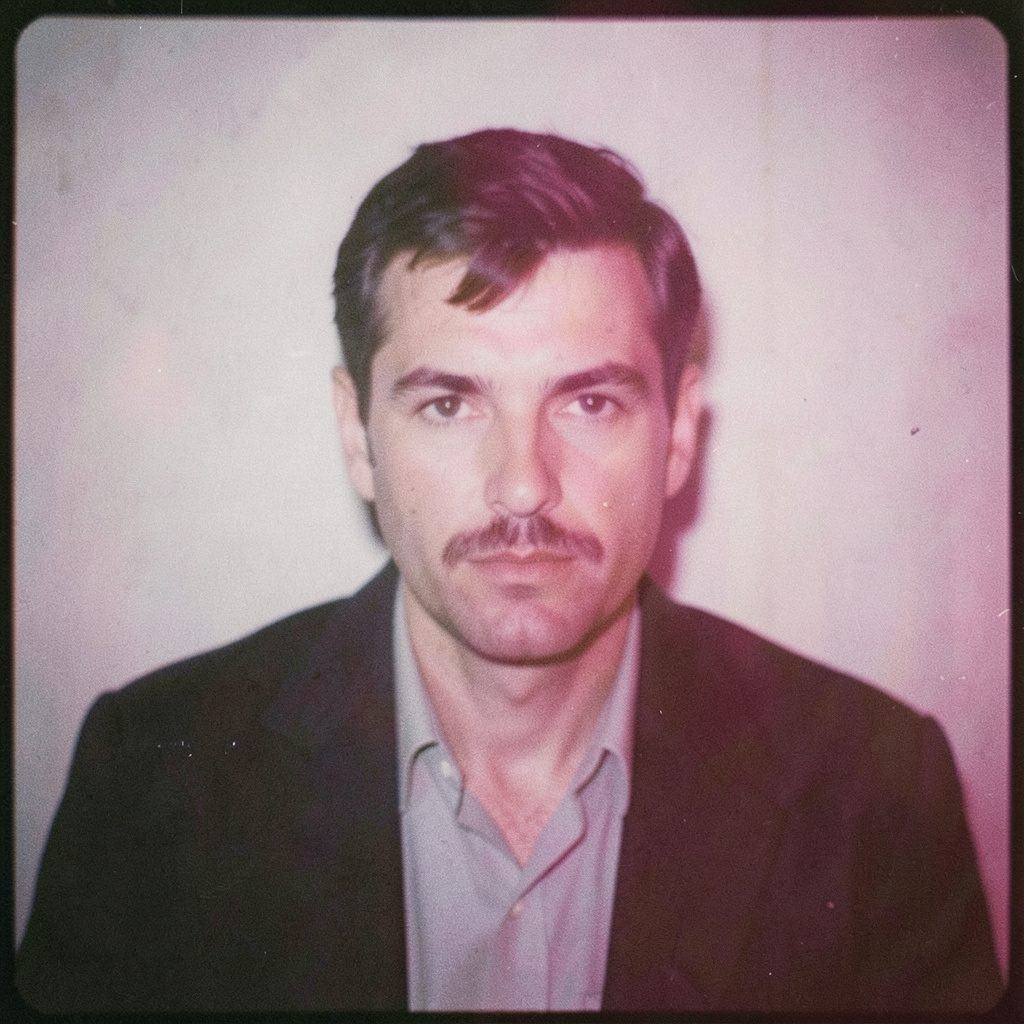
"Photography is not about the thing photographed. It is about how that thing looks photographed."
From Film to Digital and Back: A Photographer's Creative Evolution
Every photographer carries a quiet history in their hands, a story shaped by the tools they've chosen and the eras they've worked through. My own journey began in a small darkroom in Wrocław, where the smell of developer fluid and the soft glow of an enlarger taught me that photography was never just about capturing light, but about understanding it. Those early years were defined by patience, by waiting for negatives to emerge in trays of chemistry, by learning that every choice, from aperture to grain structure, left a permanent mark on the final print. The analogue world demanded discipline, and in return, it offered a depth of tone and a tactile connection to the image that still shapes how I see today.
When digital sensors began replacing film stock across the industry, I joined the migration like many of my peers. The promise of instant feedback, lower per-shot costs, and endless post-processing possibilities felt liberating. I invested in the latest bodies, learned the intricacies of color management, and embraced the efficiency that digital workflows provided. Yet somewhere between the third hard drive backup and the thousandth Lightroom catalog, I felt something slipping away. The immediacy of capture had replaced contemplation, and the ease of digital manipulation had quietly eroded the careful decision-making that once defined my craft.
Eventually, I returned to where I started, though with a perspective I could not have possessed as a young photographer. The path from film to digital and back again became less about rejecting technology and more about integrating it. Today my practice weaves together medium-format film cameras, black-and-white darkroom traditions, and modern digital tools, each chosen for the qualities it brings to a specific project. This hybrid approach has not only refreshed my creative voice but also opened new conversations with clients across Australia and Europe who value both heritage and innovation in their commissioned work.
Discovering the Magic of Film
The first camera I ever held was a hand-me-down Pentax from my grandfather, a sturdy mechanical SLR that required manual focus and a working knowledge of the Sunny 16 rule. I loaded it with Ilford HP5 and walked the cobblestone streets of Wrocław's Old Town until the roll was spent, then retreated to the university's shared darkroom to develop my first proper negatives. The excitement of seeing an image slowly appear on paper, held under a red safelight, was intoxicating. Mistakes were punished harshly, underexposure and overdevelopment rendered in unforgiving shades of grey, yet each failure taught me to read light with greater care.
Film taught me economy. Every frame cost money, which meant every frame mattered. I learned to wait for the decisive moment rather than spray and pray, to anticipate a subject's gesture, to choose my composition with conviction. The grain structure of Tri-X became a kind of signature, the slight imperfections in a hand-pushed print something I came to cherish rather than correct. When I later shot commercially in Sydney's bustling creative districts, those early lessons served me well. Australian advertising clients, particularly those serving the high-end fashion sector in Paddington and Surry Hills, often responded to the timeless quality that only film seemed to deliver, a richness in the shadows that digital sensors were still learning to replicate.
The darkroom itself became a sanctuary, a place where time slowed down. Dodging and burning with my hands, watching a print emerge through a tray of Selectol-Soft, these were meditative acts that connected me to the photographers I admired most. There was a tactile honesty to the process, the realization that every choice was baked into the final object, that a print could not be endlessly revised without consequence. That philosophy stayed with me, even as the world around me accelerated.
Embracing the Digital Wave
The transition to digital did not happen overnight, but when it came, it arrived with undeniable momentum. Around the time I was shooting editorial work for Polish magazines and building my commercial portfolio, the quality of digital sensors had crossed a threshold that made medium-format film less essential for many assignments. I purchased a Phase One back for studio work and a pair of Canon bodies for location shoots. The freedom to shoot thousands of frames, to review histograms on the back of the camera, to adjust white balance in post, felt like a superpower.
Digital workflows also opened doors to markets that demanded speed above all else. Event coverage in Melbourne's corporate towers, product photography for Sydney-based retailers shipping across the Asia-Pacific region, and fast-turnaround editorial assignments all became feasible in ways that film could never match. I built a studio in Wrocław that could handle both traditional darkroom printing and high-end digital retouching, and for several years, the digital side of my practice grew to dominate. My archive filled with terabytes of data, carefully catalogued in folders that stretched across external drives and cloud backups.
Yet the more efficient my workflow became, the more I noticed a certain sameness creeping into my images. The latitude of digital sensors made everything look technically correct but sometimes emotionally flat. The ease of fixing mistakes in post-production encouraged a looser approach to capture, and I found myself leaning on software to make decisions that I once made instinctively in the field. Color grading plugins could mimic film stock, but they could not replicate the underlying character that came from how a negative responded to light. I missed the serendipity of cross-processed slides and the surprise of discovering an unexpected frame months after the shoot, when I finally got around to developing that forgotten roll.
Returning to Analogue Roots
The return began quietly, with a single Hasselblad 501CM purchased almost on a whim. I loaded it with a roll of Kodak Portra 400 and took it on a commercial trip to Brisbane, where I was shooting portraits for a mining consultancy that wanted something distinctive for their annual report. The results were startling. The colors had a natural warmth, the transitions between tones felt organic, and the medium-format square format imposed a discipline that sharpened my composition. The client loved the images, and more importantly, I loved making them.
I began integrating film back into my commercial work deliberately, choosing it for projects where character and longevity mattered. Conceptual series in particular benefited from the analogue approach, where the subtle imperfections and grain structures added layers of meaning that aligned with the work's themes. Black-and-white film especially became a vehicle for fine art projects, where I returned to the darkroom to print editions for collectors. Galleries in Melbourne's Fitzroy and Collingwood precincts showed interest, and I began exhibiting work that bridged the analogue and digital worlds.
The practical benefits of film, paradoxically, became clearer once I stopped using it for everything. Shooting film for select assignments gave each frame renewed weight. I approached subjects with greater intentionality, knowing that every exposure cost time and money to develop. When I did reach for digital, I did so with renewed respect for the medium, treating each capture as if it mattered because the process had taught me that it did. This balanced approach, using film where its qualities shine and digital where efficiency serves the client, has become the foundation of my current practice.
A Hybrid Approach to Modern Practice
Today my kit bag contains both a Mamiya 7 and a Sony mirrorless system, often used side by side on the same assignment. I keep a stock of Ilford Delta 100 for black-and-white portraiture and Fujifilm Pro 400H for fashion editorials, while also maintaining a fully calibrated digital pipeline for color-critical commercial work. The darkroom in my Wrocław studio sees regular use, producing limited-edition prints that complement the digital files delivered to clients. This duality is not a compromise but a deliberate creative strategy that allows each tool to do what it does best.
Clients across different markets have responded enthusiastically to this approach. Australian brands seeking authentic visual narratives, particularly those in the boutique fashion and lifestyle sectors, appreciate the distinctive look that film brings to a campaign. Meanwhile, large commercial accounts in Sydney's CBD and Perth's corporate corridors often require the speed and consistency of digital, and I can deliver that without sacrificing the aesthetic sensibility that defines my work. Being fluent in both languages allows me to recommend the right medium for each project rather than imposing a single approach on every brief.
The technical crossover between film and digital has also enriched my post-production work. Years spent in the darkroom gave me an intuitive understanding of tonal curves and contrast that translates directly to digital editing. I approach RAW files with the same restraint I once applied to negative development, preserving highlight detail and shadow depth rather than crushing either end of the histogram. Clients often comment that my digital files have a filmic quality, and that is no accident; it is the result of decades spent learning how light behaves on a physical medium.
Looking Forward While Honoring the Past
Photography, like any craft, benefits from a long memory. The journey from film to digital and back again has taught me that tools are never neutral; they shape the work that comes through them and the photographer who wields them. By refusing to commit fully to either analogue or digital, I have kept my practice flexible and curious, open to the possibilities each new project brings. The medium-format camera I pick up today carries the weight of every photographer who used one before me, and the digital sensor in my other bag represents the collective ingenuity of engineers and artists who built this technology over decades.
For aspiring photographers, my advice would be to resist the false choice between tradition and innovation. Learn film, because it teaches you to see. Learn digital, because it teaches you to scale. Understand darkroom principles, because they reveal how images are truly constructed. And whatever path you choose, let your work reflect not just what is technically possible but what is emotionally true. If you wish to see how these philosophies come together in actual projects, you can explore my recent commercial and fine art work through my portfolio, where hybrid approaches to portraiture, fashion, and conceptual series are documented in detail.
The story of my practice is still being written, with each new commission adding another chapter. Australian clients, Polish collaborators, and international brands all contribute to a body of work that I hope reflects both respect for photography's rich history and engagement with its evolving present. Whether the next breakthrough comes from a new film stock, a smarter algorithm, or some hybrid technology not yet invented, I intend to approach it with the same openness that brought me back to film in the first place. The journey continues, and the camera, whatever form it takes, remains a tool for seeing the world more clearly.
Selected Series
A cross-section of commissioned and personal projects spanning fine art, commercial, and conceptual work.
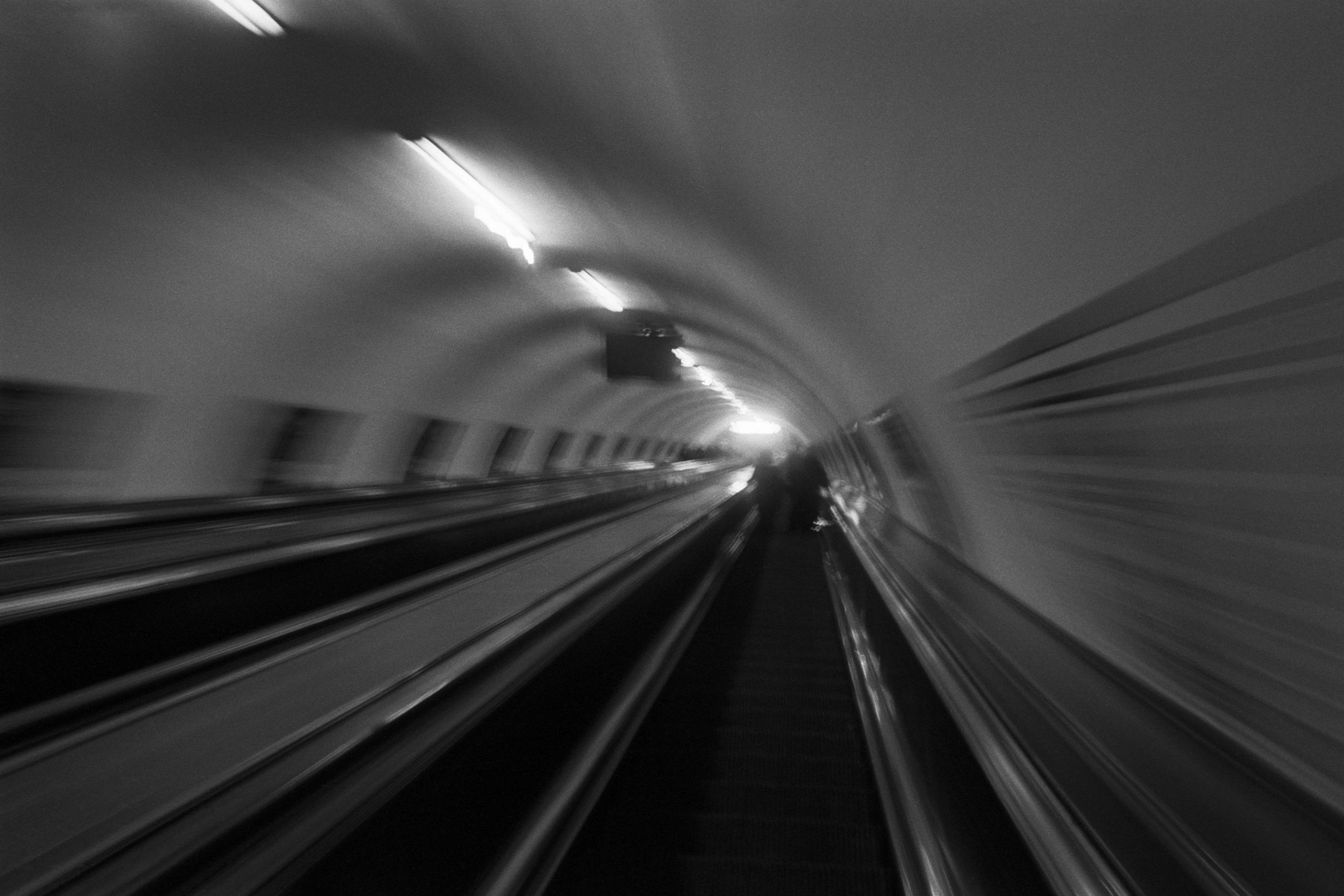
The Wall
2015Winner of the 1st prize & Golden Glass Award at the 11th Photographic Open Championship Olsztyn, and 1st place with the Special Prize of FORMAT magazine at the 3rd Biennial of Art in Piotrków Trybunalski.
View Series →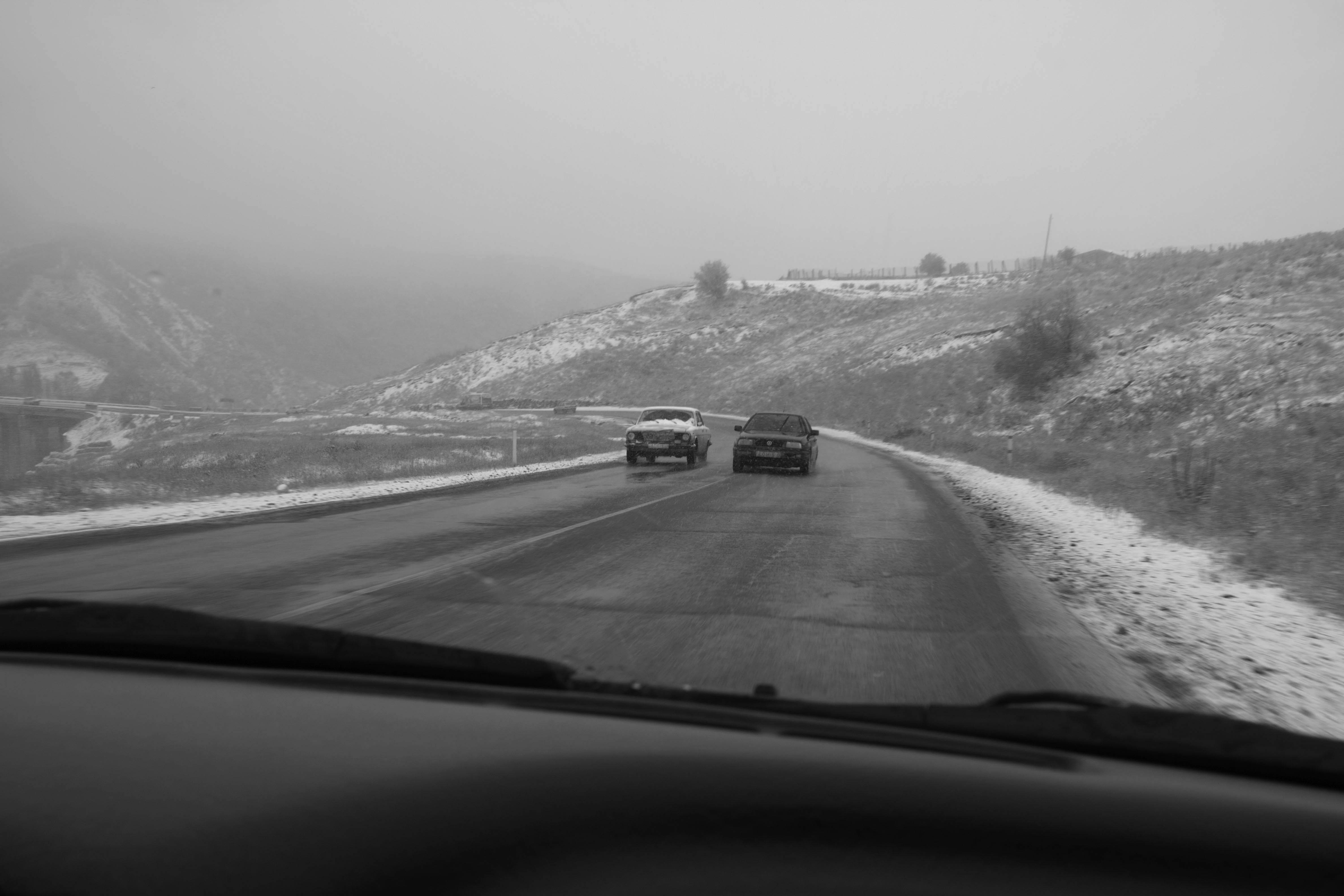
An Engagement Ring
2011A narrative series set in Wrocław in August 2011. Awarded 2nd prize & Silver Glass at the 10th Photographic Open Championship Olsztyn in 2014.
View Series →
Heat Wave
2014A documentary series recording spontaneous events across August and September 2014, capturing the raw energy of a city under the grip of summer.
View Series →