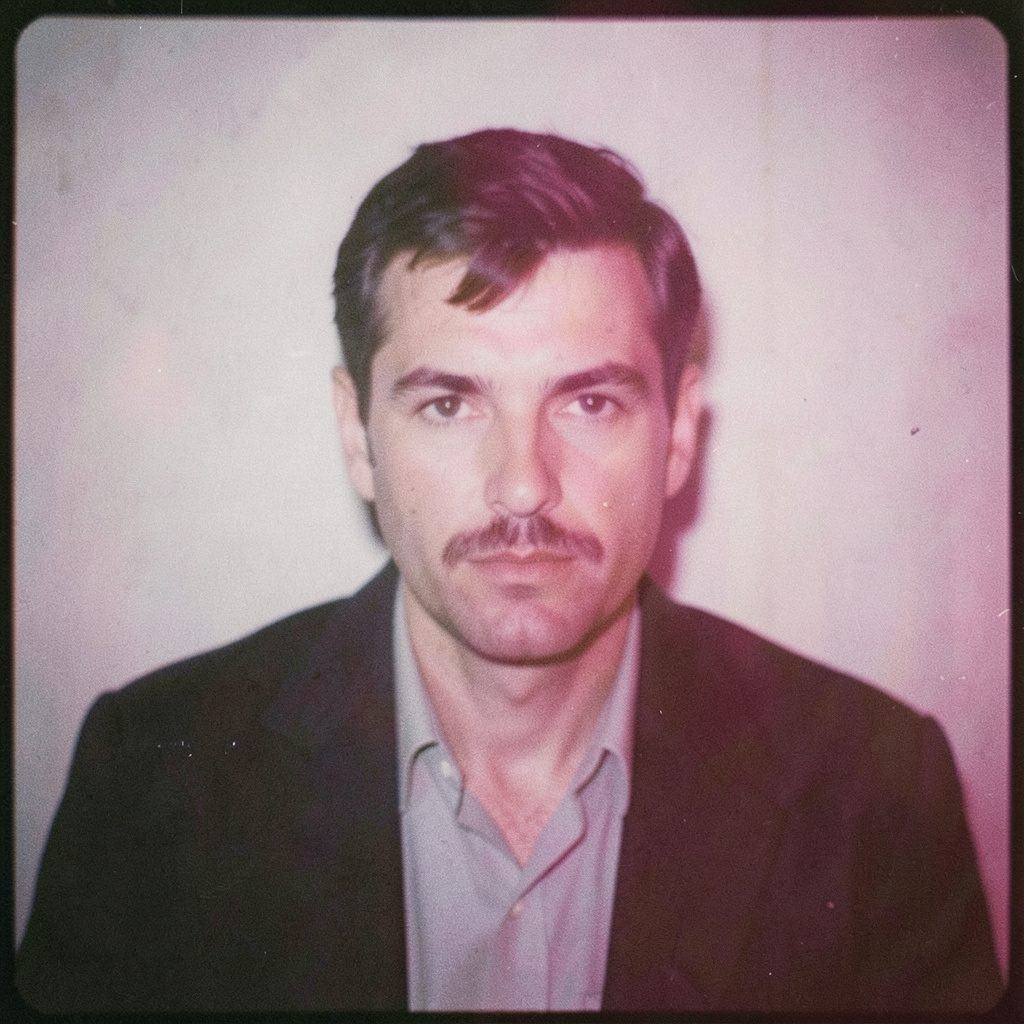
"Photography is not about the thing photographed. It is about how that thing looks photographed."
Photographing artists and musicians in their studios
A studio portrait should reveal more than a person standing beside their work. It should communicate the atmosphere of the room, the rhythm of the practice and the evidence of ideas taking shape. For an artist, that may mean pigment on a table, a half-finished sculpture, contact sheets pinned to a wall or dust settled across a workbench. For a musician, it may be a battered instrument, a mixing console, handwritten lyrics or the quiet concentration that exists between takes.
The strongest photographs feel observed rather than staged, even when the session has been carefully planned. My approach combines portraiture, environmental photography and documentary detail, using medium-format film, black-and-white analogue processes and digital workflows where each serves the character of the subject. The result can support a website, album campaign, editorial feature, exhibition, press kit or long-term visual archive.
Reading the studio as a portrait
A creative workspace carries visual information that a plain backdrop cannot provide. The height of a painter’s easel, the arrangement of a jeweller’s tools or the cable patterns around a recording desk can suggest how someone thinks and works. These details should be selected with care, because an overcrowded frame may become a catalogue of objects rather than a portrait of the maker.
Before taking photographs, I spend time looking at the room and listening to the person describe their process. A studio may appear chaotic to an outsider but have a precise internal logic for its owner. The location of a chair, the direction of natural light and the position of a favourite instrument can all matter. Moving everything into a neat arrangement may produce a polished image while removing the truth that makes the space distinctive.
The setting also influences the emotional register of the portrait. A large Sydney rehearsal room might support an expansive, energetic composition, while a compact Melbourne printmaking studio could call for close, tactile frames. In Brisbane, strong daylight and warm surfaces can give photographs a vivid openness; in Perth, a quieter industrial workspace may encourage graphic lines and restrained colour. The location becomes part of the subject without overpowering them.
Working in Australia also means respecting the practical conditions of the room. Heat, dust, reflective surfaces and intense afternoon sun can change quickly during a session. In a non-air-conditioned studio, short intervals may be more comfortable than one long setup. A considerate photographer notices these realities and protects the artist’s concentration.
Establishing trust before the camera takes over
Artists and musicians are often accustomed to being asked for a quick portrait without being given much context. A better session begins with a conversation about where the images will appear, what the subject wants to communicate and which aspects of their practice should remain private. This is especially important when the photographs may be used by record labels, galleries, publishers, festivals or commercial partners.
The photographer’s role is partly observational and partly collaborative. Some subjects become natural in front of a camera, while others feel exposed or self-conscious. Demonstrating a few frames, explaining the purpose of a change in position and allowing pauses can reduce that pressure. Small instructions are usually more effective than demanding a particular expression: asking someone to return to a task, adjust an object or look towards a familiar sound often creates a genuine gesture.
The session should leave room for concentration. A musician may need time to tune, reset a loop or finish a passage. A visual artist may need to clean a brush, check a kiln or make a mark before stepping into a portrait. These actions are valuable photographic material, not delays. They show the relationship between the person and the work, giving the final series a narrative structure.
Consent should cover more than the subject’s face. The artist may have assistants, visitors, children’s artwork, unreleased pieces or identifiable collaborators in the background. In Australia, the Privacy Act 1988 can be relevant in some organisational and commercial contexts, while the Australian Privacy Principles may affect how personal information is handled. Clear written agreements about who is photographed, how images are stored and where they may be published protect everyone involved.
Shaping light around the work
Studio lighting should support the character of the practice rather than impose a generic commercial look. Window light can create a quiet, observational portrait, especially when the subject is absorbed in a task. A single soft source can preserve dimensionality across a face, while a harder side light may suit a sculptor working with metal or a musician whose performance has a sharper, more confrontational mood.
Artificial lighting becomes useful when the room is dark, the schedule is tight or the available light changes too quickly. Compact strobes and carefully positioned reflectors can provide consistency without filling the studio with equipment. The aim is usually to shape attention, separating the subject from the background while retaining enough of the environment to make the image recognisable.
Colour requires particular discipline in creative spaces. Paint tubes, textiles, album artwork and stage lighting may compete for attention. A controlled palette can help, but excessive correction can make a room feel artificial. I often photograph in colour and black and white during the same session, then decide which treatment best expresses each frame. Monochrome can emphasise form, gesture and surface, while colour may be essential to a ceramicist, fashion designer or visual artist known for vivid work.
Film offers a different relationship with light and time. Medium-format negatives can give portraits a generous tonal range and an intimate sense of detail. Black-and-white film, developed with darkroom principles in mind, can make dust, paper, skin and fabric feel materially connected. Digital capture remains valuable for fast delivery, campaign variations and difficult lighting conditions. Combining these approaches creates a flexible body of images rather than forcing every photograph into the same visual language.
Making portraits that serve real publishing needs
A successful session should produce a coherent collection, not a single impressive frame with no practical alternatives. The final set might include a vertical portrait for a mobile press release, a horizontal image for a website banner, a close detail for social media and a wider environmental photograph for an editorial feature. Planning these formats at the start prevents awkward cropping later.
For musicians, the images may need to work alongside tour dates, streaming platforms, posters and album artwork. The musician’s relationship with the instrument is often more expressive than a direct gaze, but there should usually be a few images where the face is clearly available for publicity. With bands, variations in spacing and height help create both unified group portraits and individual photographs that can be used by promoters.
Artists may require images for gallery biographies, grant applications, exhibition announcements and collector-facing material. A portrait beside the work can establish context, while a quieter frame in the studio may feel more personal. If the artwork itself is to be reproduced, it should be photographed separately with controlled perspective and even illumination. A portrait session and an artwork documentation session have different technical requirements, even when they happen on the same day.
The Australian creative market rewards images that can move across local and international platforms. A Brisbane musician may need material for an Australian tour and a European booking agency; a Melbourne artist may be preparing for an exhibition in Sydney, Hobart or regional Victoria. File naming, captions, credit information and delivery sizes should therefore be organised carefully. If a publisher or label commissions the work, usage rights should be stated clearly rather than assumed.
Copyright also deserves attention. Under the Copyright Act 1968, the photographer generally owns copyright in photographs unless an agreement provides otherwise. Photographing an artwork does not automatically transfer rights in the artwork, and photographing an album cover, mural or collaborative installation may involve additional permissions. A written licence can define duration, territory, platforms, exclusivity, paid advertising and archival use in plain language.
Creating a visual record with purpose
The most meaningful studio portraits often include a sequence of quiet details. A hand hovering over a synthesiser, a torn test print, a reflection in a varnished canvas or a musician listening back through headphones can connect the formal portrait to the unseen labour behind it. These images are valuable because they show process without pretending to reveal everything.
A considered sequence might begin with the exterior or entrance, move into the working environment, introduce tools and materials, then settle on the artist or musician at work. The final portrait can be direct, contemplative or entirely absorbed in the activity. This structure gives editors and commissioning organisations options while preserving a sense of place.
There is also value in making photographs that are not immediately needed. An artist’s practice may change substantially over several years, and a well-made studio archive can document those shifts. The same person may later be photographed in a new workshop, rehearsal room or exhibition installation, creating a visual record of career development. Consistency in approach can make these images feel connected without making them repetitive.
Practical preparation keeps the artistic exchange focused. A pre-session discussion should establish access, timing, privacy, wardrobe, artwork sensitivities and intended use. In Australian cities, parking restrictions, loading zones and travel between suburbs can affect a schedule, especially when lights and medium-format equipment are involved. Allowing time for setup and unexpected conversation is usually more productive than packing several rushed appointments into one day.
Decisions that strengthen a studio portrait session
- Visit or review the space beforehand, noting window direction, ceiling height, power access, reflective surfaces and areas that should remain private.
- Agree on the intended uses, image formats, delivery timeline, credit requirements and licensing terms before the shoot begins.
- Photograph both the subject and the surrounding process, including tools, instruments, unfinished work and small details that carry personal meaning.
- Build in breaks so the artist or musician can return to their work naturally instead of performing concentration for the entire session.
- Use a combination of environmental portraits, close details, working photographs and clean publicity options to create a versatile image library.
- Confirm permissions for collaborators, artworks, logos, unreleased material and any person who may appear in the background.
- Preserve a consistent archive with high-resolution masters, web-ready files, captions and clear records of the agreed usage rights.
Selected Series
A cross-section of commissioned and personal projects spanning fine art, commercial, and conceptual work.
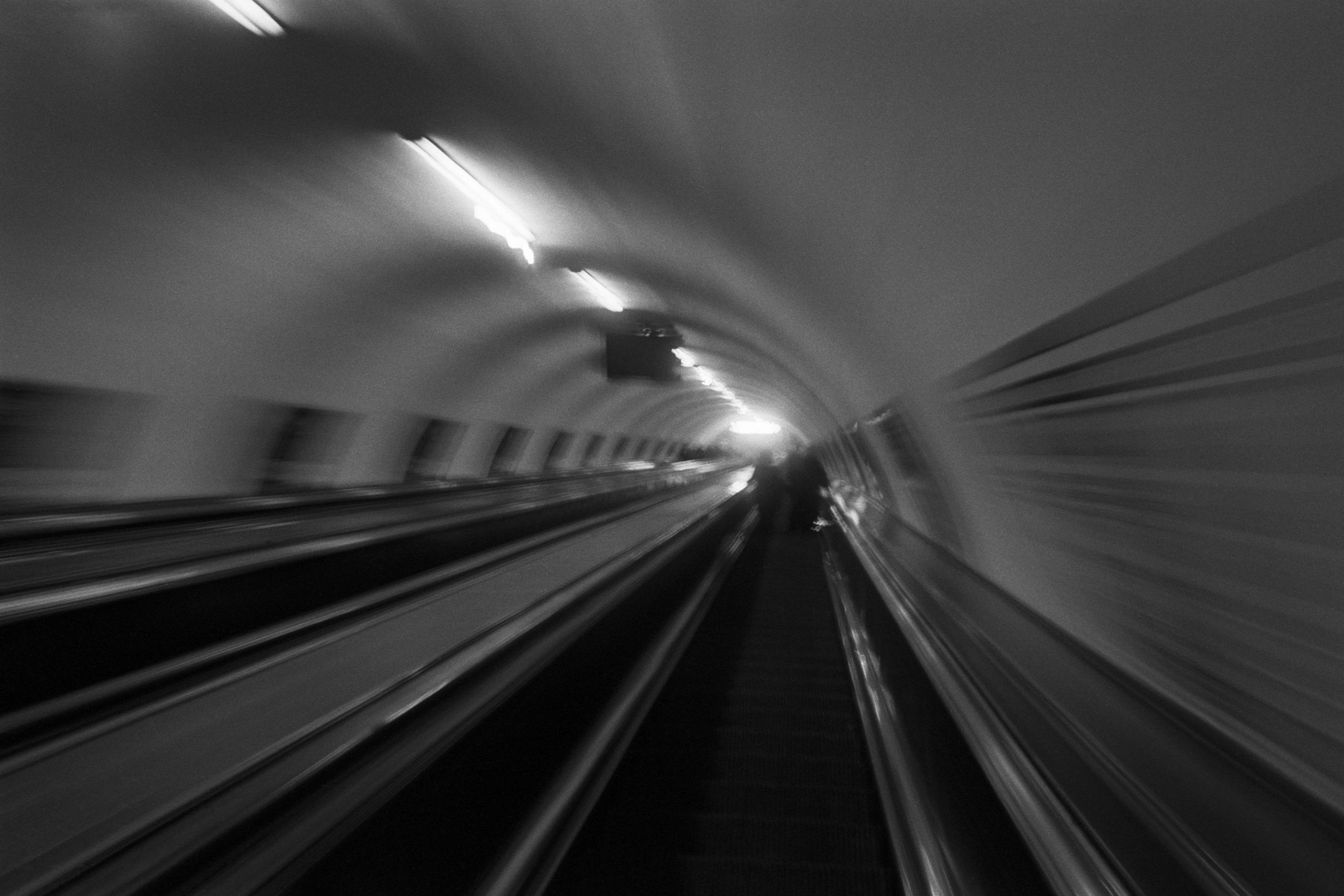
The Wall
2015Winner of the 1st prize & Golden Glass Award at the 11th Photographic Open Championship Olsztyn, and 1st place with the Special Prize of FORMAT magazine at the 3rd Biennial of Art in Piotrków Trybunalski.
View Series →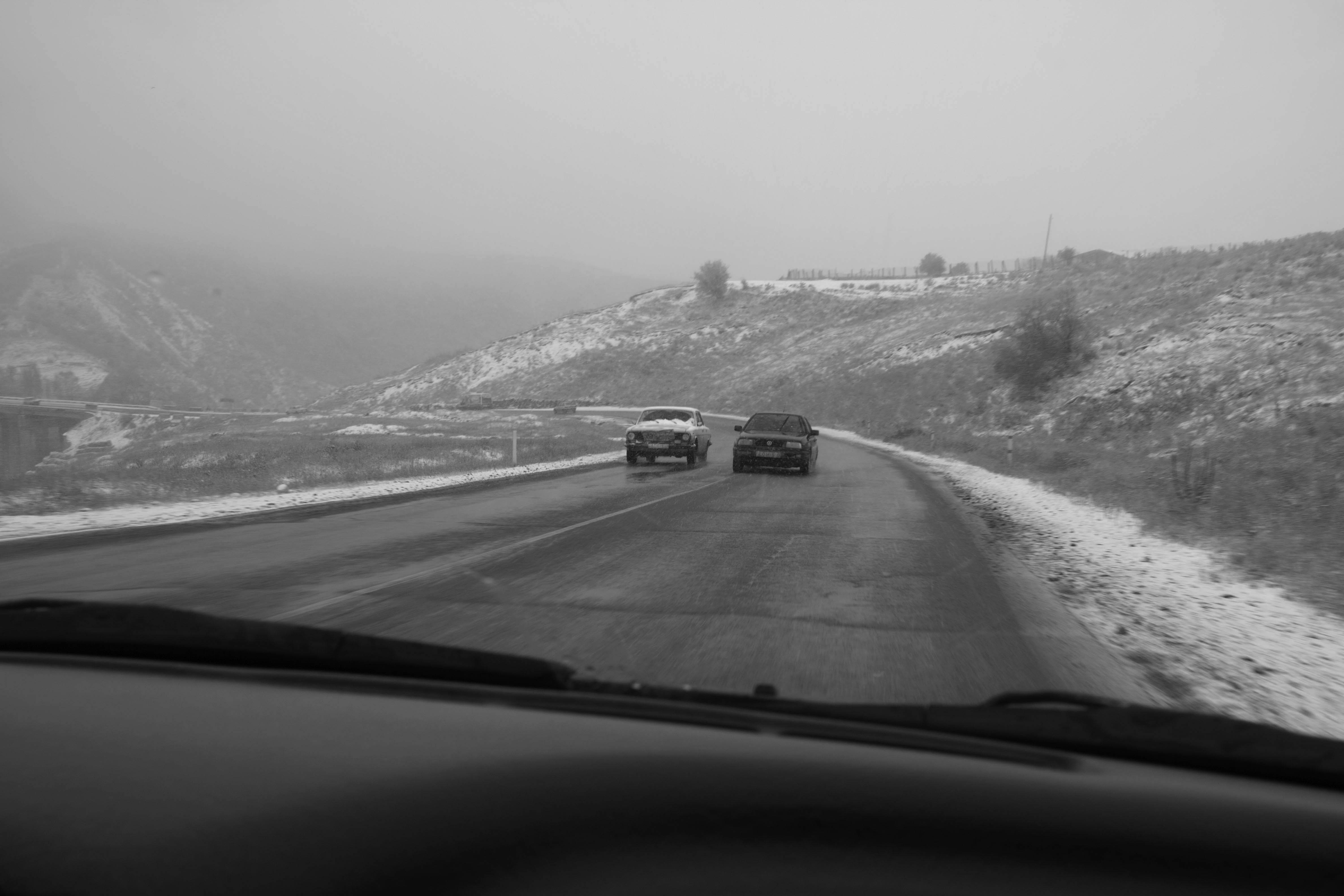
An Engagement Ring
2011A narrative series set in Wrocław in August 2011. Awarded 2nd prize & Silver Glass at the 10th Photographic Open Championship Olsztyn in 2014.
View Series →
Heat Wave
2014A documentary series recording spontaneous events across August and September 2014, capturing the raw energy of a city under the grip of summer.
View Series →