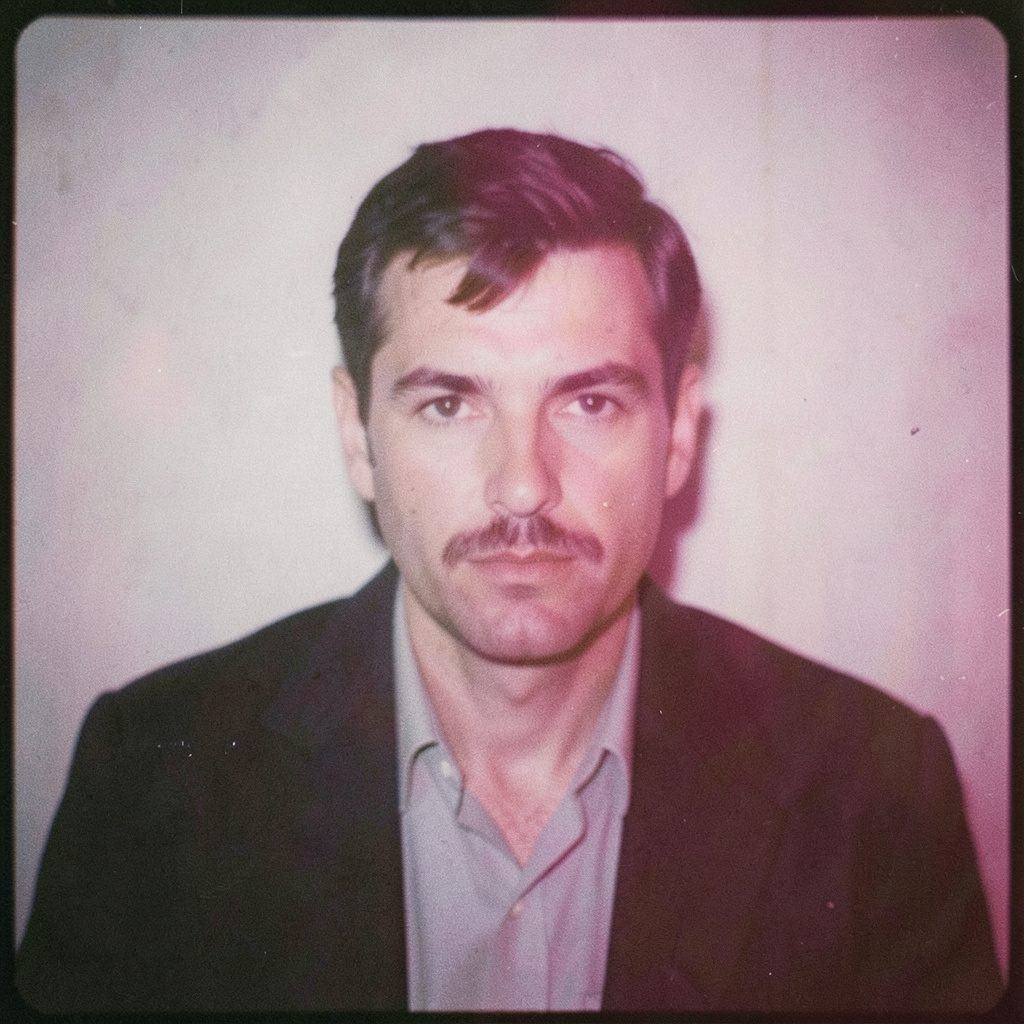
"Photography is not about the thing photographed. It is about how that thing looks photographed."
Capturing Events: From Wedding Aisle to Corporate Gala
Event photography sits at the crossroads of observation, choreography and split-second decision-making. From the first quiet moments before a ceremony to the final toast under chandeliers, the work asks for patience as much as reflex. Rafał Michalak treats each occasion as its own small world with its own rules, its own weather of feeling, and its own rhythm of light. A practice built in Wrocław and Warsaw travels well to new places, new customs, and new sets of expectations.
An event is never just a setting. It is a network of glances, handshakes, embraces, glances away, and small silences, and the camera becomes a tool for listening as much as for framing. This attitude matters whether the assignment is a small registry gathering in a Melbourne laneway bar, a private garden wedding in the Adelaide Hills, or a black-tie gala for two hundred guests. Every brief begins with the same question: what does the host want to remember in ten years.
Technical fluency must be invisible during a live event. Focus, exposure, and timing need to be solved in fractions of a second, often with subjects moving through mixed lighting and unpredictable colour casts. A background in medium-format film, darkroom craft, and digital retouching gives a particular kind of confidence on location. Composition is approached with the same care given to a printed fine-art print.
The portfolio covers weddings, corporate galas, award nights, charity dinners, cultural festivals, brand launches, and the quiet family events that happen between the larger ones. Each category brings its own etiquette, its own dress code, and its own unspoken rules about where a photographer can stand and when a flash is welcome. What follows walks through how those differences shape the work, and how a single practice stretches from a sunrise ceremony at Bondi to a conference hall in Sydney's CBD.
A quiet approach to busy rooms
The first job at any event is to disappear. Guests quickly forget a photographer who does not demand attention, and that forgetting is when the most honest pictures arrive. Rafał works in muted clothing, uses small bodies and quiet shutters, and resists the urge to direct a room. The camera is raised in the same rhythm as a guest lifting a glass or turning to a friend.
Reading the room is a skill sharpened over hundreds of evenings. Where is the light falling, who is about to embrace, which table is about to erupt in laughter? These questions are answered in the corner of the eye, not the viewfinder, so the camera is already in position when the moment arrives. A wedding reception, a corporate dinner, or a university ball share an underlying choreography.
Subjects respond differently when the photographer is part of the room rather than a visitor to it. Brides relax between portraits, executives stop performing for the lens, and children simply carry on drawing. That trust is the substrate of the image, and it is built in the first thirty minutes through introductions, a clear handshake, and a calm explanation of how the coverage will unfold.
Weddings in gardens, vineyards and harboursides
A wedding is the most layered assignment an event photographer can accept. It is a ceremony, a family reunion, a fashion moment, a dance, and a meal, all wrapped into a single day that cannot be repeated. Australian weddings lean outdoor more than most cultures, with ceremonies in sandstone gardens, on coastal cliffs, in Hunter Valley vineyards, and under the Moreton Bay fig trees of older estates.
The timeline of a wedding day sets the rhythm. Preparation in the morning light, the ceremony itself, family portraits, the reception room before guests arrive, the formalities, the dancing, and the slow wind-down. Each block has its own technical needs. Preparation calls for soft window light. The ceremony demands fast primes and silent shutters. The dancing asks for high ISO and wide angles.
Cultural customs add another layer. A Polish ceremony in a registry office looks entirely different from a Hindu ceremony with a mandap, a Greek plate-smashing, or a Jewish chuppah under the stars. Multi-faith weddings are common in Sydney and Melbourne, and the photographer has a duty to learn the order of service and the moments that must not be missed.
Corporate galas and brand moments
Corporate events speak a different visual language. They are built around a message, a sponsor, an award, or a brand milestone, and the photography must serve the brief rather than the photographer's preferences. A black-tie gala in a Sydney ballroom, a product launch on a rooftop in Brisbane, a charity dinner at a South Melbourne warehouse: each calls for a clean, brand-aligned image.
Pre-event planning is heavier for corporate work. Run sheets arrive a week in advance, lighting plots are shared, and shot lists are agreed with the communications team. Headshots of board members, the cut of a ribbon, the handing over of a glass trophy, the speaker at the lectern, the candid laughter at a table: each must be anticipated, framed, and delivered within hours.
Australian corporate culture favours a relaxed formality. Ties loosen by the second course, jackets come off for the dancing, and a CEO is photographed laughing with a junior staff member as easily as with a politician. The photographer reads the shift in tone, and delivers a final set that contains both the official portraits and the relaxed, human frames that show a company as it actually is.
Festivals, light shows and public celebrations
Public events turn a city into a stage, and the photographer into a small part of a much larger audience. Vivid Sydney transforms the harbour foreshore into a kilometre-long light installation, the Adelaide Festival fills parklands with music, and smaller community festivals animate regional towns through the warmer months. Working in these settings means sharing space with thousands of strangers, often in low light.
The storytelling challenge is different. A festival is less a single narrative than a thousand overlapping ones. A child watching a projection, a couple sharing a seat on the grass, a performer stretching behind a curtain: each is a small chapter. The photographer curates a sequence that gives a remote viewer a sense of being there, while remaining honest to the event's own scale and tone.
Kit choices for unpredictable days
An event kit is built around redundancy. Two camera bodies, four to six lenses ranging from a fast 35mm to a long 200mm, a set of speedlights, radio triggers, batteries by the half-dozen, and enough memory cards to outlast a fourteen-hour day. The medium-format film bodies come out for a smaller set of assignments, often for fine-art wedding commissions.
Film has its place in event work, even in a digital-first world. A roll of Tri-X pushed in a darkroom can deliver a grain, a tonality, and a depth that a digital sensor still struggles to match, and the very act of rationing frames forces a more contemplative kind of seeing. Remote locations from the Tasmanian wilderness to Margaret River add their own layer of careful scouting and climate-aware kit choices.
Reading light and making subjects legible
Light is the central character of every event image. Window light through a curtain at the start of a wedding day, candle glow on a long table at a gala, stage spots on a speaker, neon reflections in a festival crowd: each one is a brief, and the photographer must respond before it changes. The training behind this response comes from years of darkroom printing.
Mixed lighting is the rule rather than the exception at modern events. Tungsten, fluorescent, LED, daylight, and stage spots all coexist in a single room, often within a single frame. White balance can be set to neutralise one source while letting the others remain, or left warm to preserve the atmosphere of the room. The decision is aesthetic, and it is made in real time.
Contrast and legibility matter more in event photography than in almost any other genre, because the subject is often seen only for a fraction of a second, and the image must communicate instantly. There is a useful body of research on contrast and legibility that, while written about signage, applies directly to how a face reads across a crowded room, how a black tuxedo separates from a black backdrop, and how a bright dress survives a stage spotlight. The principle is the same: separation creates clarity, and clarity carries the story.
Editing, delivery and a lasting archive
The work does not end when the last guest leaves. A wedding day produces several thousand frames; a gala, perhaps a thousand. The first edit is a quiet, focused session at the studio, with the day's run sheet on one side and a fresh coffee on the other. A shortlist of perhaps five to eight per cent of the frames moves to the next stage, where colour, density, and crop are refined.
Colour grading follows the mood of the event. A black-and-white treatment suits a candlelit dinner or a film-driven wedding set, while a brighter, modern palette suits a brand launch or a daytime ceremony. The aim is consistency across a set, so a viewer scrolling through the gallery feels a single hand at work. Black-and-white conversions are approached with the same care as a darkroom print.
Delivery and archiving close the loop. A private online gallery for guests, a curated set of high-resolution files for the host, a printed album for a wedding couple, and a press-ready set for a corporate client each serve a different audience. An album is a physical object, designed to be opened at anniversaries, and it asks for sequencing, pacing, and a cover material that will age well on a shelf in Perth or Sydney. A photograph is only finished when it can still be opened in fifty years.
Selected Series
A cross-section of commissioned and personal projects spanning fine art, commercial, and conceptual work.
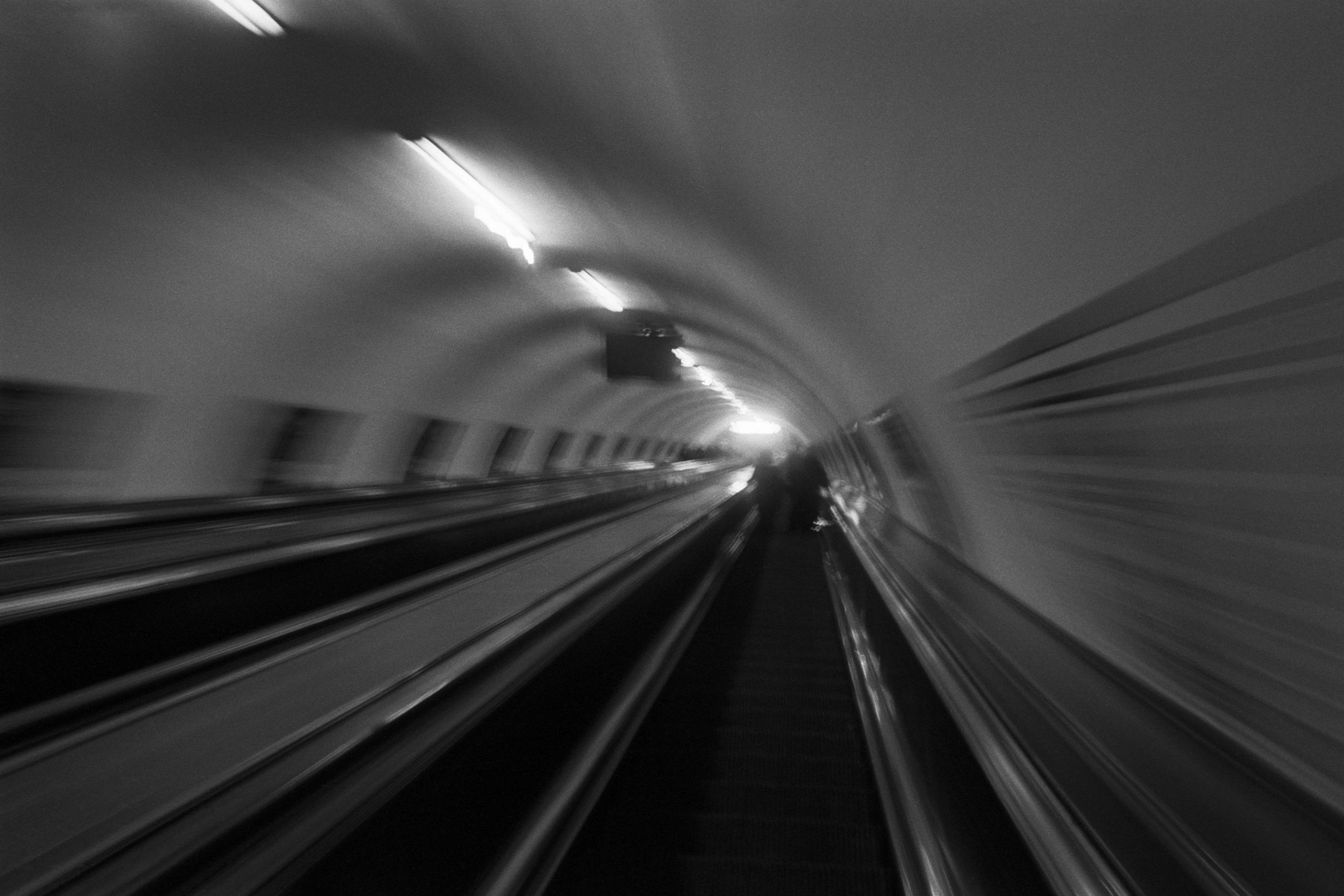
The Wall
2015Winner of the 1st prize & Golden Glass Award at the 11th Photographic Open Championship Olsztyn, and 1st place with the Special Prize of FORMAT magazine at the 3rd Biennial of Art in Piotrków Trybunalski.
View Series →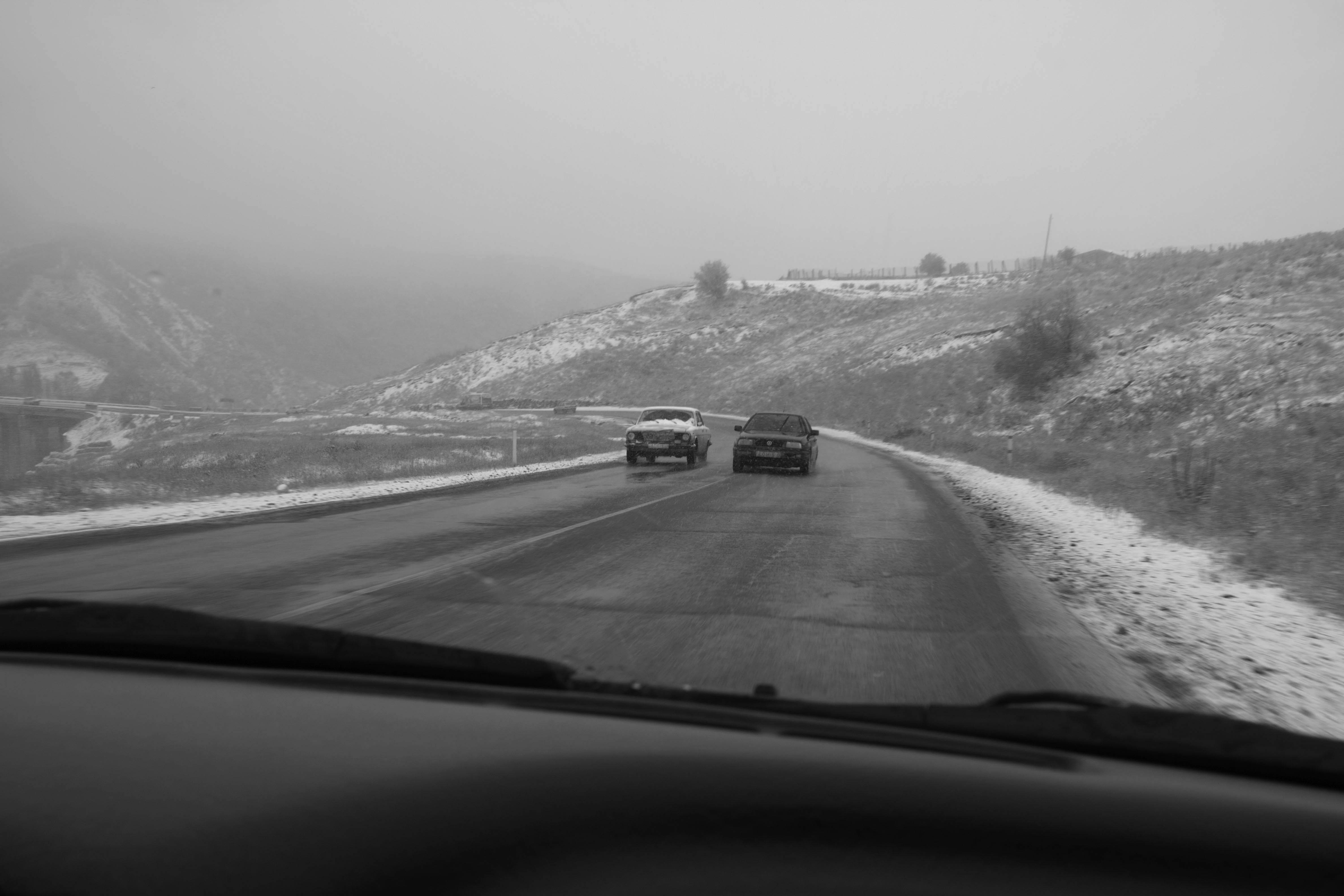
An Engagement Ring
2011A narrative series set in Wrocław in August 2011. Awarded 2nd prize & Silver Glass at the 10th Photographic Open Championship Olsztyn in 2014.
View Series →
Heat Wave
2014A documentary series recording spontaneous events across August and September 2014, capturing the raw energy of a city under the grip of summer.
View Series →