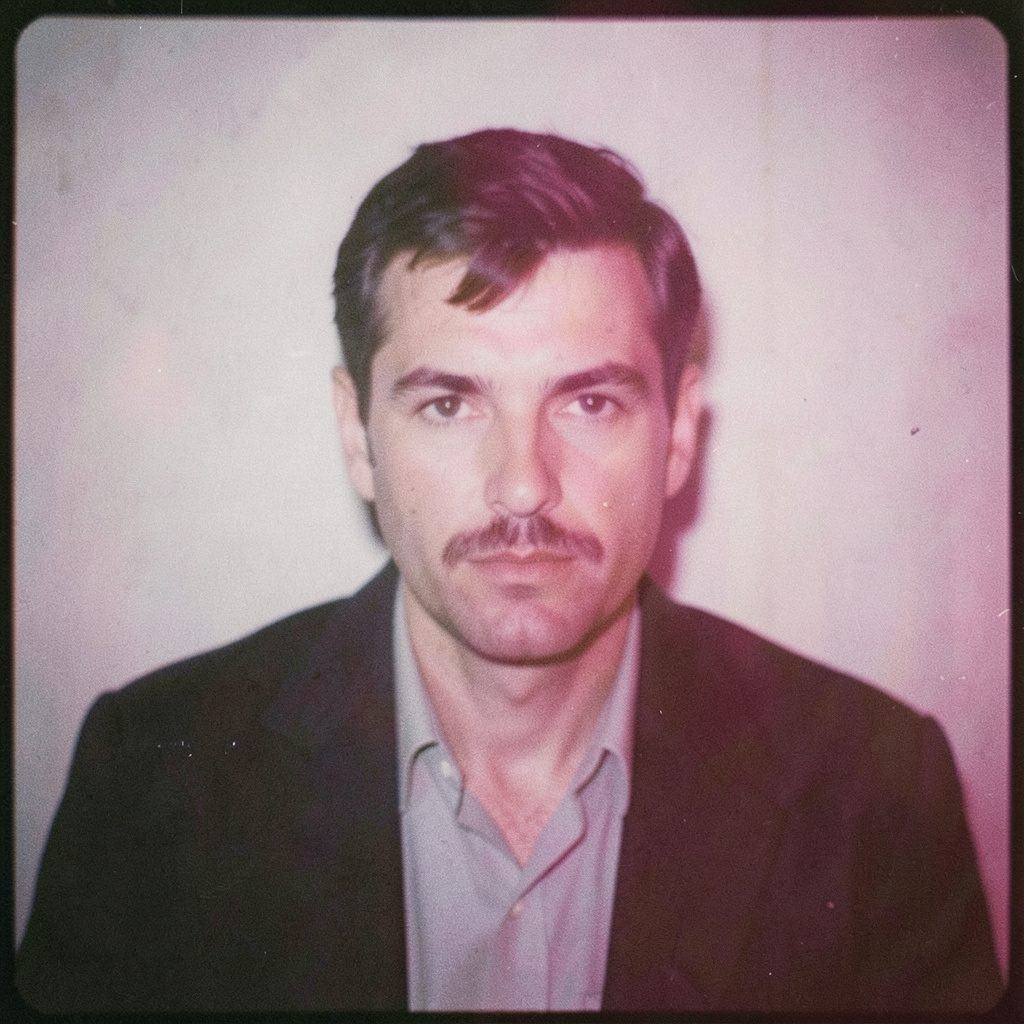
"Photography is not about the thing photographed. It is about how that thing looks photographed."
Capturing motion: the art of photographing dance and action
When a dancer launches into a leap, the body traces an arc the eye can barely follow. The camera, by contrast, sees everything at once—or nothing at all, depending on when the shutter fires. Photographing movement is a discipline built on anticipation, geometry, and a quiet rapport with the performer, because the goal is never simply to stop motion. The intent is to reveal its architecture: the muscular tension coiled beneath a suspended kick, the echo of a spin held mid-flight, the breath caught between exhaustion and exhilaration.
A photographer living in this space learns quickly that technique is only half the craft. The other half is visual literacy—knowing how the eye reads a frozen gesture, what makes a leap feel like ascent rather than collapse, why a contracted shoulder reads as power while an open palm reads as surrender. This literacy is sharpened across genres, since the rules governing a fashion swing of fabric differ from those governing a contemporary piece on a regional festival stage.
For photographers working in Australia, the relationship between movement and image carries a particular tension. Local visual culture leans toward outdoor light and easy openness, shaped by vast landscapes, yet the contemporary dance and performance scene—anchored by Sydney Dance Company and Bangarra Dance Theatre—pushes back with intimate, often unflinchingly physical storytelling. Working between those two extremes is where the most interesting Australian movement photography tends to happen.
Reading the body before the shutter clicks
The first skill of a movement photographer is invisible: predicting what the body is about to do. Rehearsals are gold for this. Watching dancers run a phrase three or four times teaches the eye where the suspension lives, where the recovery lands, which micro-beats carry the most expressive tension. The Argentine tango dancers who meet weekly at studios around Darlinghurst move with predictable architecture, but they still surprise with weight shifts, partner reversals, a sudden dip that wasn't in the previous take.
Anticipation also reshapes composition. Instead of centring the subject, the frame is composed for where the body is about to arrive. Negative space becomes part of the choreography. Sometimes the subject enters from the left and exits past the right edge; sometimes a leap breaks through the upper boundary, its apex hanging in clear sky above the crop. These decisions are made long before the dancer crosses the spot, and they distinguish editorial intentionality from documentary accident.
Light that follows motion
Light is the second language a movement photographer must speak fluently. Static portrait lighting, where the subject holds still beneath a sculpted beam, gives way to something more dynamic when limbs are travelling at speed. Hard light reveals form but can freeze every muscle into unforgiving relief; soft light flatters skin but risks smearing movement into unreadable pastel. The choice between them depends on what the photograph is meant to say.
Australia offers extraordinary natural light for this work. Late afternoon sun over Melbourne's Tan track, diffused winter light through the glass ceiling of a Brisbane Powerhouse studio, warm bounce off red sand during a Pilbara shoot—each location offers a different colour temperature and a different way of describing motion. Side lighting pulls a silhouette off the background and emphasises the rotation of a turn; backlighting throws the body into shadow and lets the edges glow, an effect prized for contemporary solo work. The strongest movement work is built from many small lighting decisions placed carefully beside one another.
Shutter, aperture, and the geometry of speed
Technical fluency becomes second nature when choreography demands it. A photographer chasing a hip-hop dancer in a Northcote warehouse needs a shutter fast enough to hold a fingertip mid-snap—often 1/1000s or shorter for performers who genuinely leap, occasionally faster for martial arts or street dance where freezes are part of the ongoing phrase rather than choreographed stops. Aperture is just as expressive: a wide aperture held throughout a sequence gives dancers consistent presence while the world behind drifts into soft abstraction, while a deep depth of field preserves the entire stage but can render the moving body too sharply.
There is a long Australian tradition of shallow focus in commercial fashion work, and that sensibility often carries into movement photography, particularly for editorial assignments where the choreographer's identity matters as much as the dance. ISO completes the triangle, and modern sensors have changed what is acceptable. Clean files at 6400 allow handheld work inside dim venues such as the Adelaide Festival's Her Majesty's Theatre, where stage lighting ebbs and flows with the performance. Some photographers still prefer medium-format film for certain projects—slower and less forgiving, but yielding a tonal depth digital has struggled to match.
Studio choreography versus unpredictable venues
A controlled studio session offers something chaotic performance settings never can: the chance to direct the moment. Lights can be moved, dancers asked to repeat a passage, the photographer free to walk around and choose a fresh vantage. The trade-off is that without the pressure of live performance, the resulting images can feel too polished, lacking the dust and sweat of genuine exertion. Many photographers deliberately plan studio sessions to include exhaustion—short, full-out bursts separated by long rests—so the final frames capture a body under real strain.
Unpredictable venues offer the opposite gift. A stage at the Sydney Opera House, a pop-up dance floor at a Hobart waterfront festival, a community hall rehearsal in Townsville—each carries its own ambient texture, its own behaviour of light and audience. These environments impose constraints that sharpen creativity. Working around an existing light plot, without disturbing sight lines, without spilling onto another photographer's patch, builds a craft pure studio work cannot replicate. For commercial clients, editorial portraits often lean studio-based while advertising campaigns commissioned by touring productions frequently require the venue itself as backdrop.
Editing movement in post
Post-processing is where the photographer's interpretive voice becomes fully legible. A raw file from a dynamic sequence contains dozens of competing truths—a hand sharp here, blurred there; a leg cut off by a foreground edge; a face turned three-quarters away from every lamp. The edit is not about correcting these; it is about choosing which interpretation gets to live.
Shadow and dimension sit at the centre of this work. A dancer lit from the side in raw form can appear flatter than reality, particularly on screen where ambient light has been artificially boosted to match the device's calibration. Restoring depth means carefully placed density in the shadows, guided curves in the midtones, and selective colour that lets one element breathe while another fades. The painter's eye for layered darkness shapes how a movement photograph is finished; one useful study of that instinct lies in this painted typography analysis, and although the medium differs, the underlying principles translate closely.
Building a portfolio that speaks in motion
A strong movement portfolio is rarely chronological. It is curated to reveal range—from clean studio stillness to mud-flecked outdoor energy, from a single dancer's quiet eye contact to a troupe moving as one organism. The first image a viewer encounters sets the tone for everything after, so it is chosen with unusual care.
Clients want consistency of vision paired with evidence of adaptability. A portrait of a contemporary soloist rehearsing under a single tungsten lamp tells one story; a fashion editorial of athletic wear mid-leap under strobes tells another. Both belong in the same portfolio when they share a sensibility. The shared element is rarely the lighting or even the subject—it is the photographer's characteristic way of looking. The Australian market rewards this coherent range, with agencies, performance companies, and festivals all seeking imagery that captures a single, continuous body of thought.
Working with dancers, directors, and brands
The final and most underestimated skill of movement photography is collaboration. Dancers need someone who respects the integrity of their physical language; directors need someone who can translate a brief into a visual plan; brands need someone who understands how an image will be used, licensed, and reproduced across mediums. The photographer sits at the centre of these conversations, often shaping decisions that may not look like photography at all.
Communication matters as much on a regional tour stop somewhere west of the Divide as it does on a major Sydney commercial job. Local dance communities are tight-knit, and a photographer known for reliability, fair contracts, and respect for the form will find work returning through word of mouth long after marketing budgets have shifted. Working with international choreographers passing through requires different fluency—an ability to absorb a brief quickly, propose options in unfamiliar contexts, and deliver within cultural norms that may differ subtly from Australia's own. Across all of these collaborations runs a single thread: the willingness to listen.
Selected Series
A cross-section of commissioned and personal projects spanning fine art, commercial, and conceptual work.
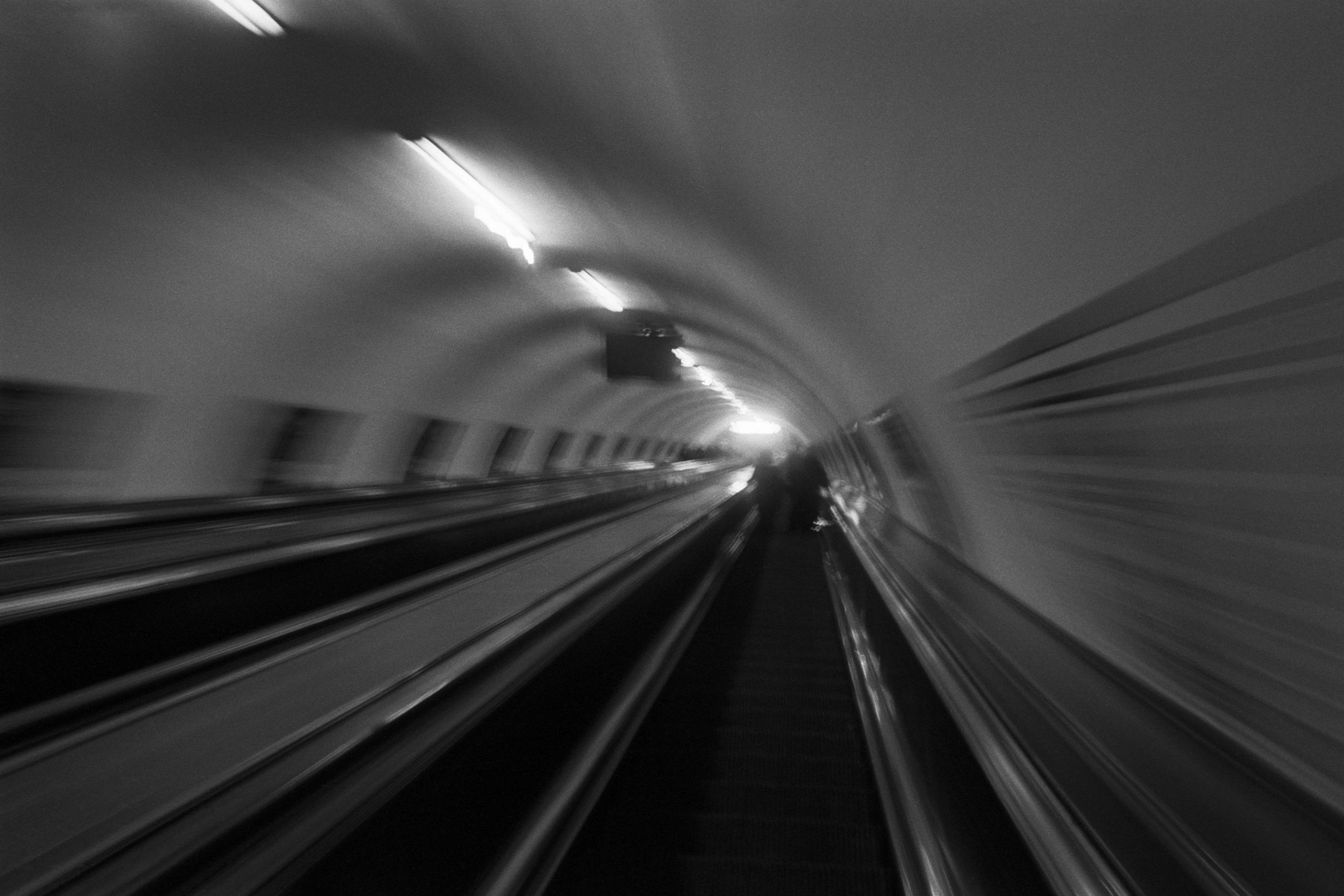
The Wall
2015Winner of the 1st prize & Golden Glass Award at the 11th Photographic Open Championship Olsztyn, and 1st place with the Special Prize of FORMAT magazine at the 3rd Biennial of Art in Piotrków Trybunalski.
View Series →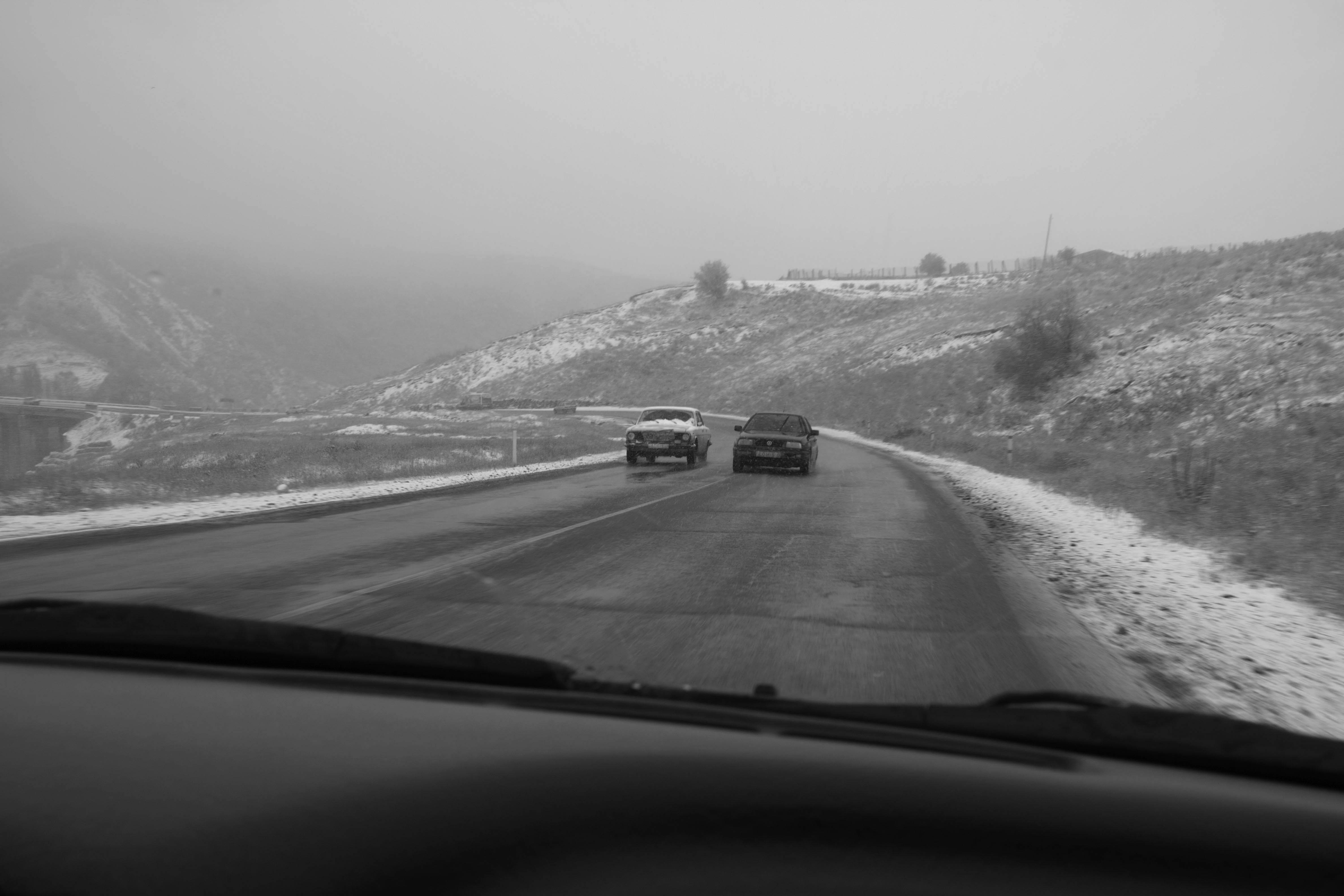
An Engagement Ring
2011A narrative series set in Wrocław in August 2011. Awarded 2nd prize & Silver Glass at the 10th Photographic Open Championship Olsztyn in 2014.
View Series →
Heat Wave
2014A documentary series recording spontaneous events across August and September 2014, capturing the raw energy of a city under the grip of summer.
View Series →