"Photography is not about the thing photographed. It is about how that thing looks photographed."
Photographing People in Their Natural Environment
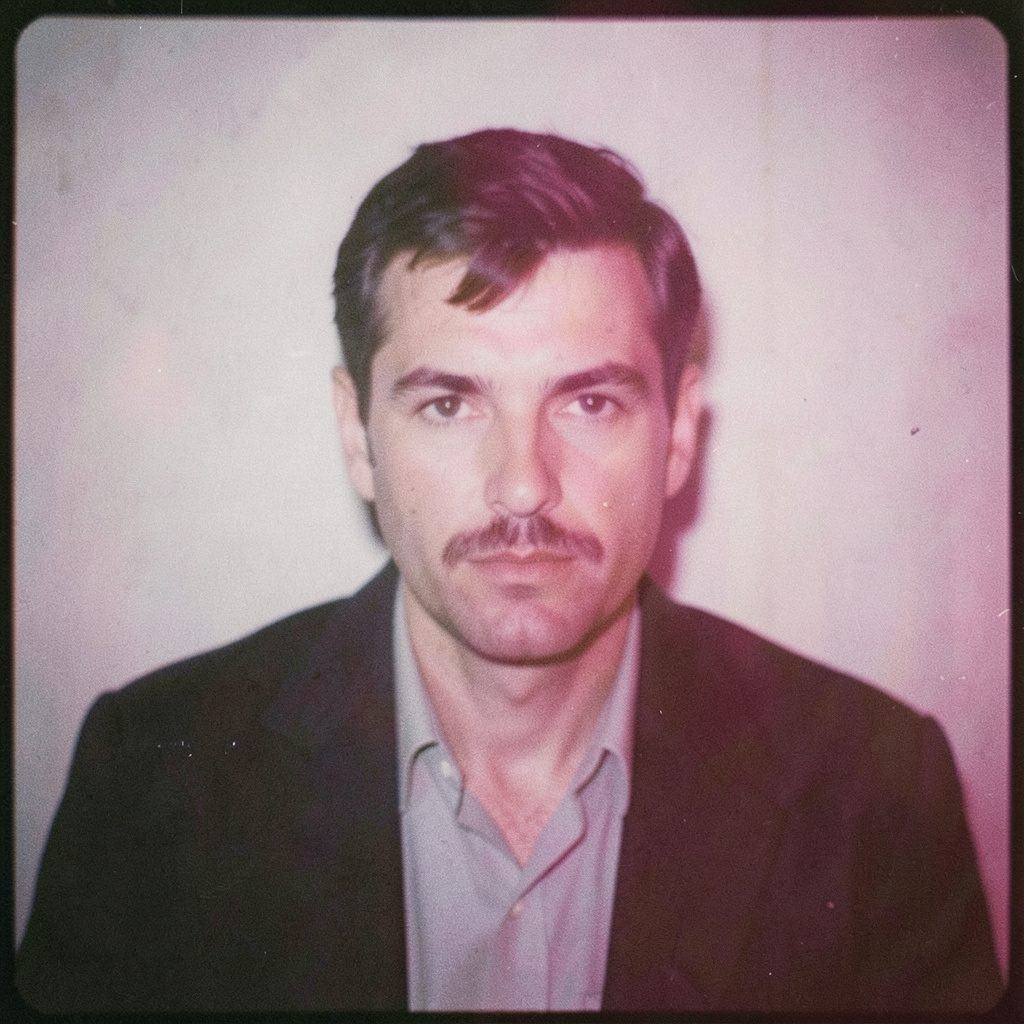
The most compelling portraits often emerge not from a controlled studio but from the spaces where people actually live, work, and breathe. When a subject feels at ease in their surroundings, the camera becomes a quiet observer rather than an intrusive presence. This approach to portraiture demands patience, sensitivity, and a willingness to let moments unfold organically, allowing the photograph to carry the texture of real life.
Environmental portrait photography is about more than simply placing a person in front of a familiar backdrop. It requires reading the subtle language of body posture, listening to the rhythm of a space, and recognising those fleeting instants when someone's guard drops completely. The reward is an image that resonates with authenticity, whether captured on a sun-bleached veranda in Fremantle, inside a bustling Brunswick café, or in the workshop of a tradesperson in Alexandria, Sydney.
Reading the space before the shot
Every location has a personality that influences how a person inhabits it. Before lifting the camera, I spend time absorbing the light, the sounds, and the way people move through the environment. A mechanic in an inner-city workshop will carry himself differently than a barista preparing coffee in a Melbourne laneway or a farmer surveying his property on the outskirts of Mildura. Recognising these distinctions allows the photographer to anticipate moments rather than chase them.
This pre-visualisation stage is often invisible to the viewer but forms the foundation of every successful environmental portrait. I look for the corners where natural light pools, the surfaces that reflect character, and the small details that tell a story. A worn leather chair, a stack of well-loved books, or a cluttered workbench can all become collaborators in the final image. The goal is to create a visual dialogue between the person and the place that defines them, allowing both subject and setting to speak with equal clarity.
Building trust through subtle observation
The camera can feel like a barrier between photographer and subject, especially for those unaccustomed to being photographed. Over the years, I have learned that the most authentic expressions appear when people forget the lens exists entirely. This requires earning trust, often through long conversations before the shutter is ever pressed, and a willingness to slow down rather than rush toward a predetermined result.
A technique I find valuable is beginning a session with wide environmental shots that include the person only as a small element within the frame. This gradual approach eases any self-consciousness and allows the subject to settle into their own world. Photographers who understand how to build a welcoming atmosphere recognise that the environment shapes behaviour long before any performance begins, and the same principle applies to environmental portraiture. The camera operator becomes a facilitator of comfort rather than a director of poses.
Choosing equipment for authentic moments
The technical choices made before a shoot can either support or sabotage the goal of naturalness. Heavy professional rigs with loud shutters often break the spell of an unguarded moment, alerting the subject to every capture. For environmental work, I tend to favour medium-format film cameras and discreet digital bodies that allow me to blend into the background and respond quickly to unfolding situations.
Fast prime lenses with wide apertures offer flexibility in mixed lighting conditions, whether shooting under the canopy of a Moreton Bay fig tree in Adelaide or inside a dimly lit pub in The Rocks. A 50mm or 85mm equivalent provides a field of view close to human perception, which helps the resulting images feel intuitive rather than distorted. The choice of analogue versus digital often comes down to the specific mood a project requires, with film lending a particular warmth and unpredictability to candid moments, while digital allows for more responsive adjustments in rapidly changing conditions.
Navigating Australian light and landscape
Australia's light is famously intense, but it is also remarkably varied across regions and times of day. The golden hour along Sydney's coastal walkways offers a soft, directional glow that flatters skin tones and adds depth to environmental backgrounds. By contrast, the harsh midday sun in inland Queensland demands a different approach, often requiring the photographer to seek shade beneath verandas, inside open doorways, or beneath the cover of established trees.
Seasonal variations also play a significant role in planning environmental sessions. Winter in Hobart provides cool, diffused light that suits moody indoor portraits, while summer in Perth creates bright, high-contrast conditions ideal for outdoor beach scenes. Understanding these local conditions allows the photographer to schedule shoots strategically, working with the natural rhythm of light rather than against it. Australia's vastness means that no single approach works everywhere; the photographer must adapt to the unique character of each region, recognising that the light of Uluru differs fundamentally from the maritime glow of the Mornington Peninsula.
Cultural sensitivity and community context
Environmental portraiture in Australia often involves working with people from diverse backgrounds, each carrying their own relationship to place. Indigenous communities, multicultural neighbourhoods in cities like Bankstown or Footscray, and rural towns across the Wheatbelt all present distinct cultural landscapes. Approaching these subjects with respect and genuine curiosity is essential to producing work that honours rather than exploits.
Before any shoot, I take time to learn about local customs, protocols, and expectations. This might involve researching appropriate greetings, understanding kinship structures, or simply observing how people interact in public spaces. The Australian Privacy Principles provide a framework for handling personal information responsibly, but genuine cultural sensitivity extends well beyond legal compliance. It requires listening, adapting, and recognising that the photographer is a guest in someone else's story, with all the responsibilities that guesthood entails.
Practical approaches for successful sessions
Some of the most rewarding environmental portraits come from documenting families in their homes or small business owners at work. These projects require a particular kind of patience, as the photographer must wait for moments of genuine connection rather than constructing them artificially. The following approaches consistently produce strong results across a variety of Australian contexts:
- Begin with wide environmental frames before moving closer, allowing subjects to acclimatise to the presence of the camera and find their natural rhythm within the space.
- Schedule sessions during activities the subject genuinely enjoys, whether that is preparing food in a home kitchen, tending a garden in the suburbs of Adelaide Hills, or working at a market stall in Paddy's Markets.
- Carry minimal equipment into the space, using only what is needed for the available light, which keeps the subject focused on their activity rather than the technical apparatus surrounding them.
- Return to a location multiple times if the project allows, building familiarity with the space and the people who inhabit it, which consistently yields more relaxed and authentic imagery.
These techniques work because they prioritise the subject's comfort over the photographer's control, allowing the environment to shape the image in ways that feel genuine rather than imposed. The best environmental portraits often look effortless in retrospect, even when considerable planning went into their creation.
Privacy, ethics, and post-processing practice
Photographing people in their natural environments raises important questions about consent, representation, and the right to privacy. In Australia, the Privacy Act 1988 and the associated Australian Privacy Principles set out clear obligations regarding the collection, use, and disclosure of personal information, including photographic images. For professional photographers, understanding these legal frameworks is not optional, particularly when working with vulnerable populations or sensitive cultural material.
Beyond legal requirements, ethical practice involves ongoing conversations with subjects about how their images will be used. Some may be comfortable with public display, while others prefer their portraits remain private. The photographer's role is to facilitate these discussions honestly and to respect the boundaries that emerge throughout the creative process. Post-processing choices also carry ethical weight, as heavy retouching can misrepresent the subject and their environment. Several principles guide my editing workflow:
- Preserve the natural tonal relationships between subject and setting, avoiding adjustments that distort the original light or atmosphere of the location.
- Limit skin retouching to the removal of temporary blemishes, retaining the texture and character that make the subject recognisable across years.
- Discuss image usage openly with subjects before publication, ensuring written agreements cover both online and print contexts.
- Archive original files securely, with clear retention policies that respect the subject's ongoing control over their likeness.
The darkroom and the digital editing suite are where the environmental portrait comes into focus, but the goal is always to enhance what was already there rather than construct something new. This philosophy extends to the choice of paper and presentation for printed work, where the physical medium itself becomes part of the storytelling process. When handled with care, the final image stands as a record of a specific place and time, carrying with it the texture of lived experience that defines the best of this photographic tradition.
Selected Series
A cross-section of commissioned and personal projects spanning fine art, commercial, and conceptual work.
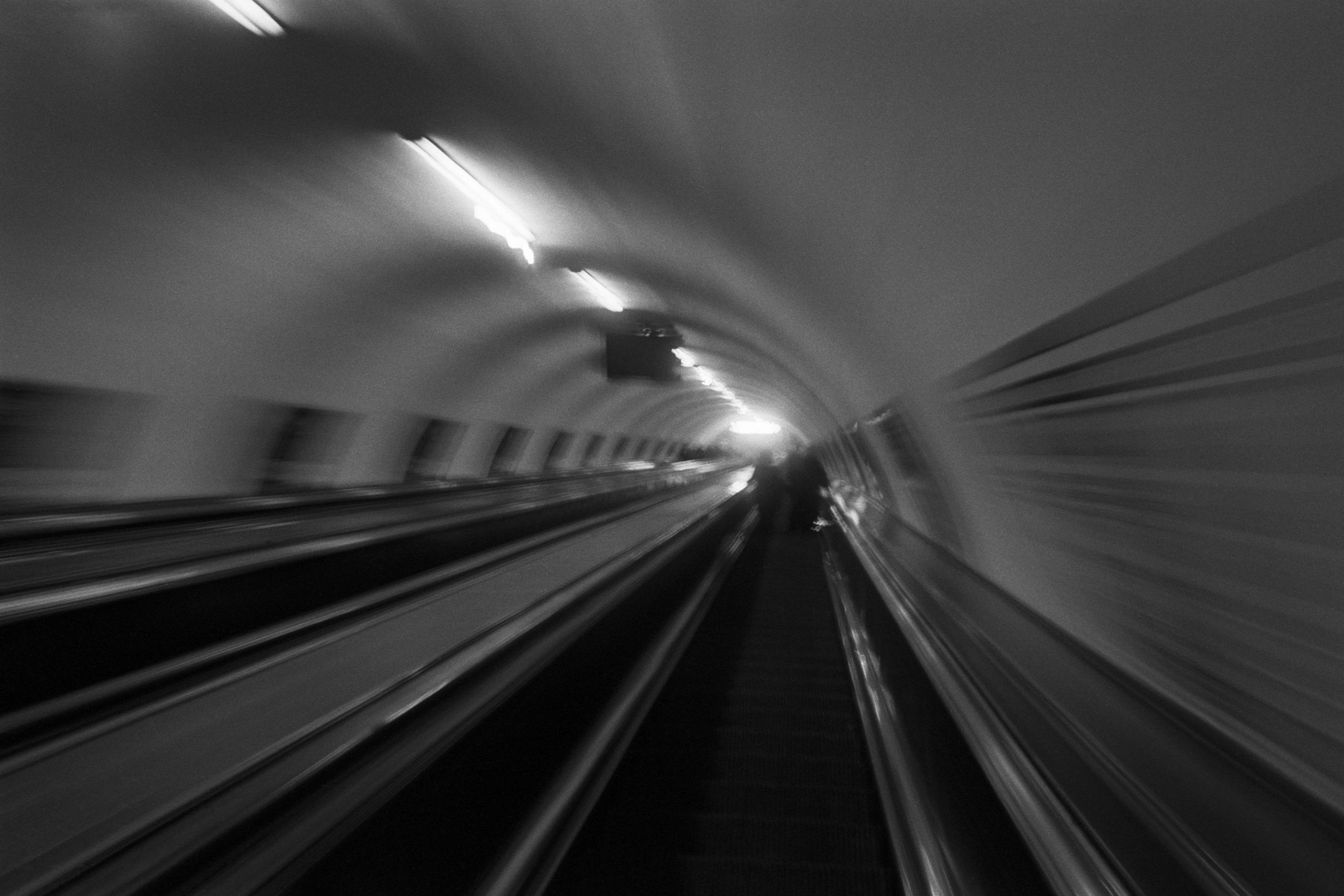
The Wall
2015Winner of the 1st prize & Golden Glass Award at the 11th Photographic Open Championship Olsztyn, and 1st place with the Special Prize of FORMAT magazine at the 3rd Biennial of Art in Piotrków Trybunalski.
View Series →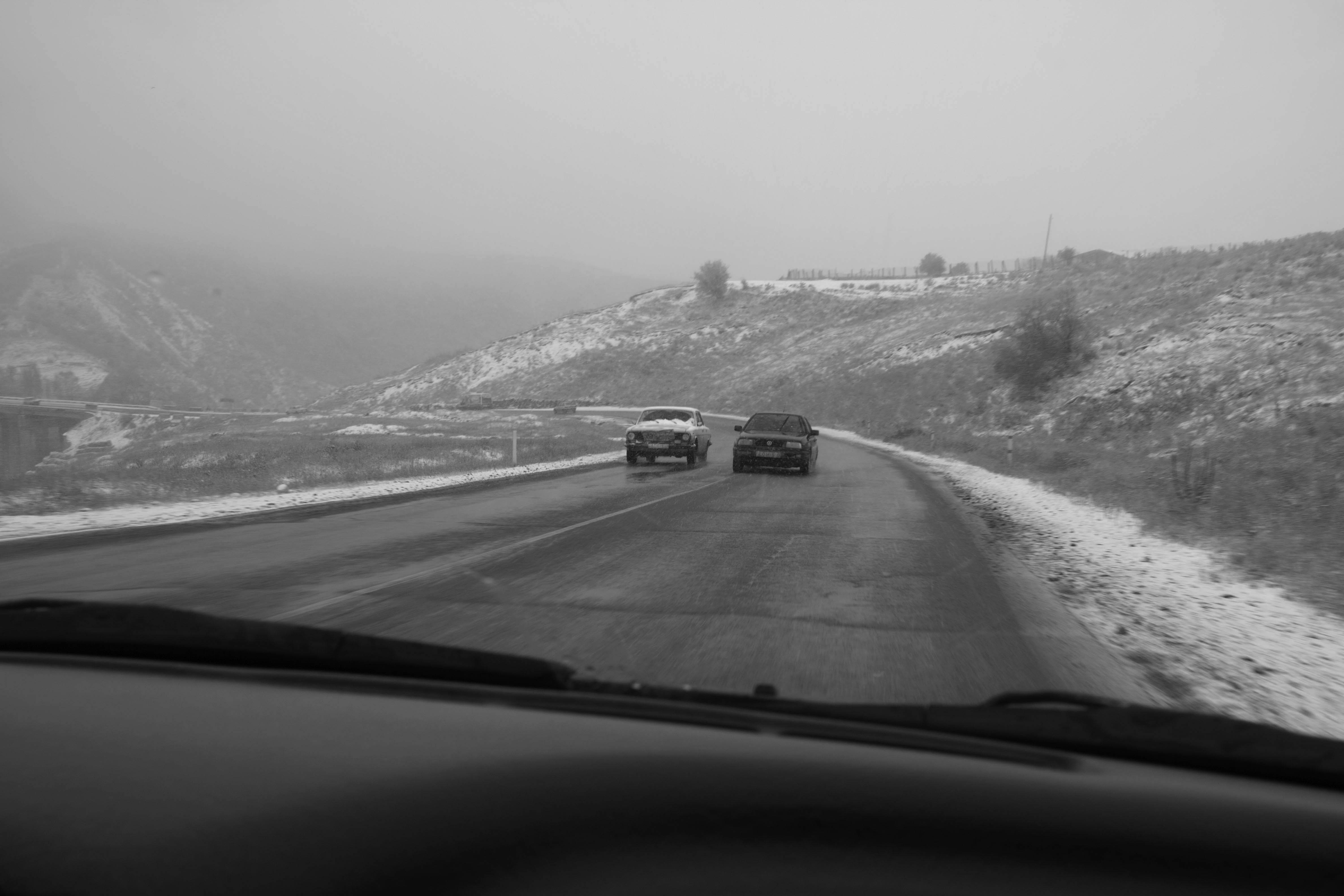
An Engagement Ring
2011A narrative series set in Wrocław in August 2011. Awarded 2nd prize & Silver Glass at the 10th Photographic Open Championship Olsztyn in 2014.
View Series →
Heat Wave
2014A documentary series recording spontaneous events across August and September 2014, capturing the raw energy of a city under the grip of summer.
View Series →