"Photography is not about the thing photographed. It is about how that thing looks photographed."
Photographing reflections in windows, water and mirrors
Reflections rarely show a world as it is. They split time into two versions: the street outside and the private figure within. A pane of glass may place a passer-by beside a city tower, while a puddle can invert a red bus and leave the sky suspended between its edges. Such images invite a slow look because their meaning keeps shifting with angle, distance and light.
Working with reflections changes the balance between control and chance. A photographer can engineer the angle, shutter speed and focal length, yet surface texture and passing figures remain partly unpredictable. That balance sits comfortably within the practice of award-winning photographer Rafal Michalak, based in Wrocław, Poland, who works with traditional analogue techniques, medium-format cameras, black-and-white film, darkroom principles and digital workflows. For Australian commissions, the same visual question becomes practical: how to let a local place register in the glass rather than disappear behind a generic studio backdrop.
Reading the behaviour of reflective surfaces
A reflection depends on the meeting of light and surface. Water, glass and polished metal each return a different range of tones, and the same scene can move from a precise mirror image to a soft, distorted field as the camera shifts. Angle is as important as content. At a shallow angle, glass carries strong specular highlights; viewed more directly, it becomes a clearer window. Weather adds another variable, since moisture can roughen a surface and scatter a reflection into shapes rather than lines.
Camera position therefore changes the photograph twice over. Moving a step sideways might replace one reflected building with another while revealing more of the room behind the glass. A wide aperture and shallow focus can isolate that interior gesture, whereas a smaller aperture and deeper focus let both layers remain legible. This tension between clarity and ambiguity is useful in portraiture: the face can remain sharp while a street, tree or passer-by dissolves around it. It also creates useful visual space for titles, captions and advertising copy without making the image feel empty.
Film rewards careful exposure because reflective highlights are easy to lose. A spot meter aimed at a bright reflection may preserve the glare while pushing the darker face into shadow; metering for the face can clip the glass. A medium-format camera offers enough negative area for fine tonal transitions, but the decisive choices still happen before the shutter is pressed. Black-and-white film simplifies the relationships, turning windows into graphic planes and water into gradients. Digital capture allows bracketing and precise masking, yet the same attention to highlight shape and surface texture should guide both workflows.
Windows as portraits of a city
Glass architecture offers Australian photographers a rich meeting point between people and place. Around Sydney Harbour, office glazing can catch ferry traffic, skyline and open sky in the same frame, often with the waterfront immediately beyond the photographer. The visual problem resembles one encountered in Wrocław, where trams, renovated façades and riverside light divide the city into interior and exterior layers. What changes is the local cast of movement: ferries crossing the water, pedestrians changing direction and clouds moving faster than the buildings.
At street level, the reflected view may be more revealing than the façade itself. A shop window can hold the shape of someone waiting at the kerb, the movement of traffic and the warm interior of a café. Melbourne’s laneways provide a contrasting setting, where old brick, painted signs and modern glass occupy narrow strips of light. After rain, those surfaces become fragmented mirrors. The photographer can choose between recording the city as a clean commercial environment or allowing reflections to interrupt it with depth and accident.
Window photography also requires decisions about privacy and permission. A reflective face may be visible to somebody behind the camera, while a building owner may have rules about tripod use, commercial activity or publishing the interior of an office. In Australia, a location agreement should address access, insurance and the duration of the shoot. For commissioned work, it helps to agree whether the image will be used for an annual report, a campaign, social media or all three. A photograph may look spontaneous, but the rights behind it need to be precise.
Water, rain and the moving horizon
Puddles offer the simplest way to turn wet pavement into a second landscape. Near Bondi or Manly, a pool left after a shower can hold a fragment of beach sky while umbrellas, signs and legs pass across its surface. The camera might be angled down enough to exclude the horizon, making the puddle seem like a separate stage. This approach suits fashion, event and lifestyle commissions because the reflected view expands a simple pavement composition without requiring a dramatic location.
Water does not hold a reflection for long. Wind roughens pools into flickering patterns, while a wave erases the horizon, compresses it and rebuilds it in the interval between exposures. In Melbourne, where a bright morning can turn into rain before the equipment is unloaded, those changes are part of the work rather than a fault in the plan. Australian conversation often handles this unpredictability with understatement: “no worries” can cover a reschedule, and a client may call a sudden downpour “a bit of weather.” The photograph benefits from that same practical rhythm, with a plan and an alternative ready.
For water, shutter speed decides whether the image reads as reflection or movement. A fast shutter freezes ripples and retains recognisable shapes; a slower exposure draws them into horizontal bands that suggest flow. A tripod can make the slower technique precise, but it must stay clear of the splash zone. Filters also need care: a polariser can deepen blue skies and reduce glare at some angles, yet it may weaken the very reflections that give the frame its structure. Testing on location is more reliable than relying on a general rule.
Mirrors in portraiture and commercial work
A mirror can make a portrait more candid than a conventional head-and-shoulders frame. It shows the subject checking an expression, adjusting a collar or simply waiting, while the reflected room describes the working environment. For business portraits, that combination can suit briefs in Australia that favour direct, approachable images. The subject need not perform a distant corporate severity; the mirror supplies a small human gesture that softens formality without making the portrait look careless.
The room itself becomes part of the proposition. A boardroom mirror might reflect a window, a city light and the photographer’s silhouette, requiring careful placement before anyone enters the frame. It can also create an awkward visual test, since people tend to look harder at their own reflection than at a lens. Direction helps: ask the subject to focus on a person or point in the room, then wait for the posture to settle. This is especially useful when the brief needs confidence and openness rather than a heavily retouched studio finish.
Commercial expectations should be established before the mirror is used. Australian campaigns often need several crops, quick turnarounds and both horizontal and vertical versions, so planning the reflection prevents avoidable reshoots. A quotation should state its currency and separate the photography fee from props, stylists, a local producer, travel and usage. It should also state the licence period, territory and media, including any paid social-media extensions. In Australia, this work commonly moves through advertising, public relations and internal communications teams, and a clear proposal prevents a beautiful image from becoming a difficult procurement conversation.
Building a conceptual series around reflection
A single reflective image can be striking, but a series can examine the idea from several positions. The same window might appear as barrier, portal, screen and evidence. Water can introduce a second measure of time, while a mirror can expose the act of looking itself. Rafal Michalak’s combination of black-and-white film, medium-format work and digital finishing supports this kind of movement between control and accident. The strongest sequence feels coherent without repeating one visual trick, allowing surface, subject and scale to change while a shared question remains.
Sound can offer a model for that kind of translation. The move from mantra to image described in sound translated visually provides a useful parallel for photographic work: an invisible or temporal experience becomes something the eye can pause upon. Reflection has a comparable quality. It is assembled in real time, yet it can hold several times at once. A face, a passing cloud and a remembered place can share a pane of glass without belonging to the same moment.
A finished series needs both a clear physical form and a flexible digital presentation. Film negatives can be scanned and edited with precision, while the darkroom remains valuable for deciding which tonal transitions deserve emphasis. A portfolio can show the sequence at full frame alongside smaller studies that reveal repeated motifs. For Australian collectors, editions, dimensions, paper choices and signed provenance need plain, consistent information, with international shipping handled as part of the sales agreement rather than left as an afterthought. Commercial and fine-art clients can then approach the same body of work for different purposes. Reflection keeps the surface active: every image asks the eye to move between what is present and what the surface remembers.
Selected Series
A cross-section of commissioned and personal projects spanning fine art, commercial, and conceptual work.
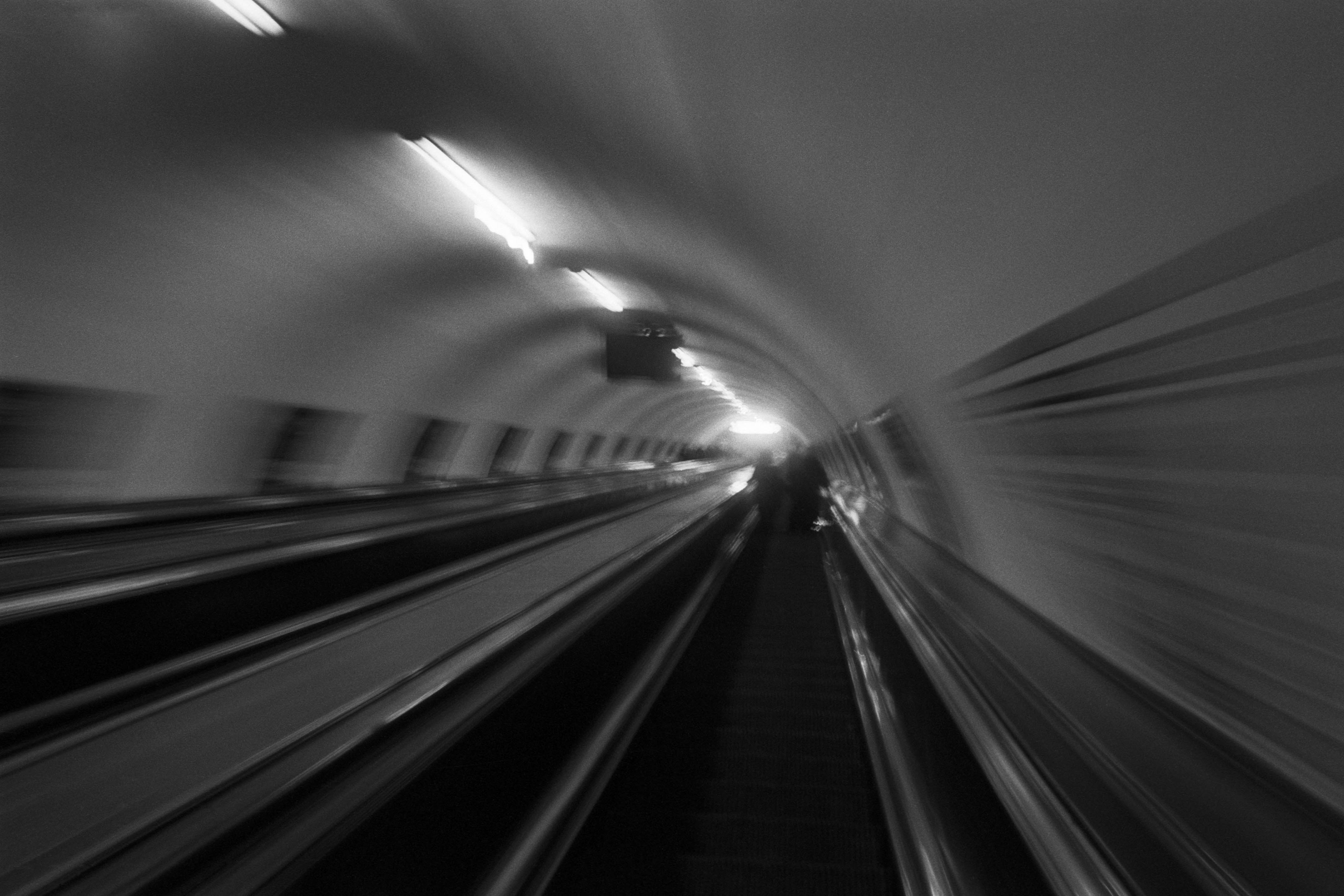
The Wall
2015Winner of the 1st prize & Golden Glass Award at the 11th Photographic Open Championship Olsztyn, and 1st place with the Special Prize of FORMAT magazine at the 3rd Biennial of Art in Piotrków Trybunalski.
View Series →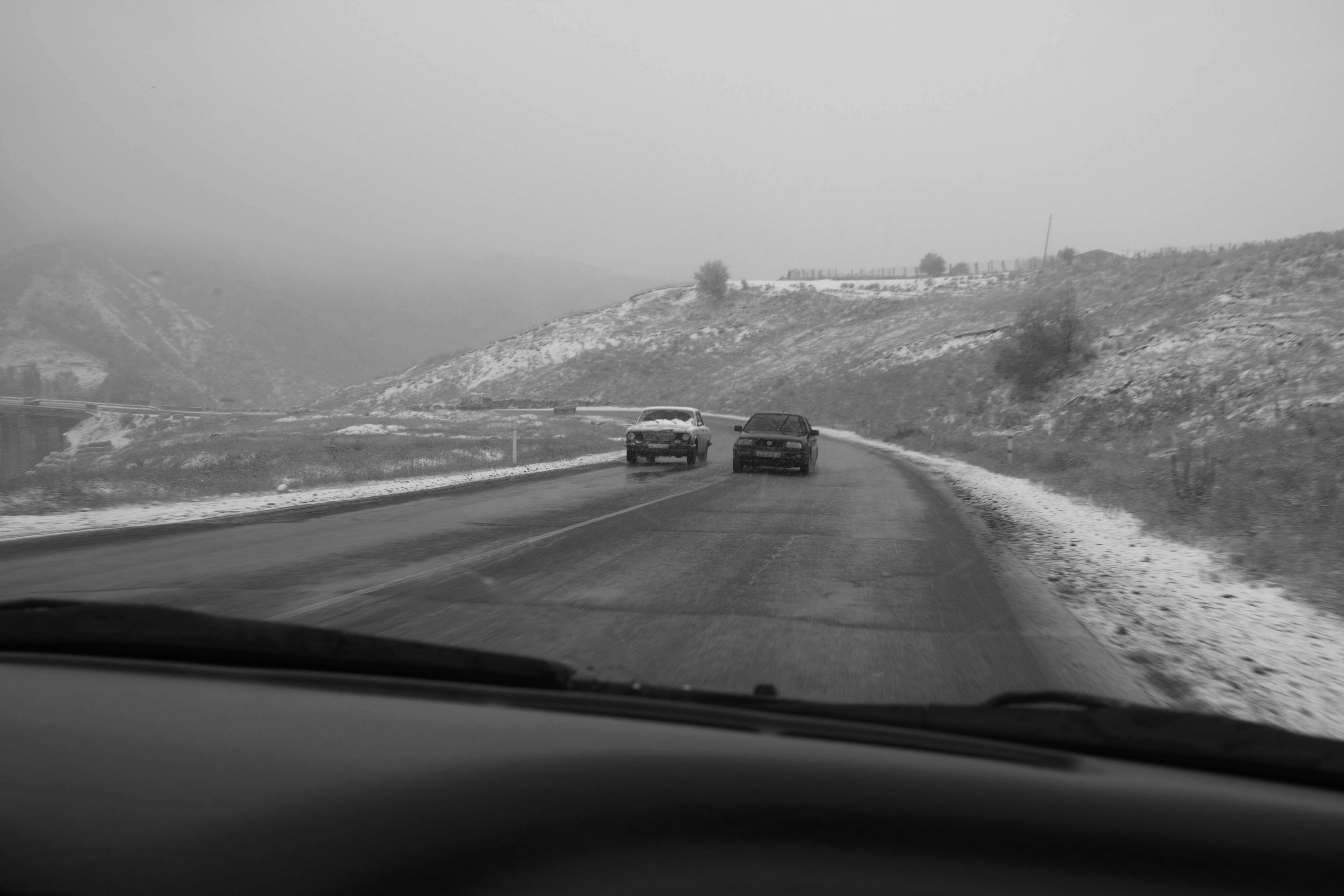
An Engagement Ring
2011A narrative series set in Wrocław in August 2011. Awarded 2nd prize & Silver Glass at the 10th Photographic Open Championship Olsztyn in 2014.
View Series →
Heat Wave
2014A documentary series recording spontaneous events across August and September 2014, capturing the raw energy of a city under the grip of summer.
View Series →