"Photography is not about the thing photographed. It is about how that thing looks photographed."
Photography as a tool for emotional expression
A photograph can preserve far more than a face, a place or a carefully arranged scene. It can hold hesitation, confidence, grief, tenderness, tension and relief within a single frame. This emotional dimension is what gives an image lasting power: viewers may forget the setting, yet remember how the photograph made them feel.
For Rafal Michalak Photography, emotional communication develops through the meeting of analogue sensibility, considered composition and contemporary digital practice. Medium-format film, black-and-white photography, darkroom principles and conceptual image-making all offer different ways to reveal character. Whether the work is a business portrait in Sydney, a fashion series in Melbourne or an intimate personal project in Wrocław, the goal is to create images with psychological depth rather than surface polish alone.
Reading emotion through light and shadow
Light is one of photography’s most expressive elements. Soft window light can suggest openness and calm, while a narrow beam across the face can create a sense of secrecy or inner conflict. Hard sunlight, reflected concrete and deep shadow may produce a more confrontational image. These choices influence the emotional reading before a viewer has consciously interpreted the subject’s expression.
Black-and-white photography makes this relationship especially clear. Without colour to guide attention, the eye follows contrast, texture, gesture and the shape of the face. A quiet portrait may become more intimate when skin, fabric and background are reduced to tonal relationships. Darkroom-inspired thinking encourages patience with these details: the photographer considers where highlights should breathe, where shadows should retain information and where darkness can remain unresolved.
Australian light offers an especially rich palette for emotional portraiture. The sharp brightness of a Sydney afternoon, the reflective surfaces around Melbourne’s laneways and the warm, open light of Brisbane each create different visual moods. A portrait made under a verandah or beside a north-facing window can feel more truthful than one produced under uniform studio lighting, particularly when the setting reflects the person’s everyday environment.
The face, the body and the space between
Emotional expression is not limited to a smile, a frown or direct eye contact. A lowered chin, a hand held close to the body, a turned shoulder or a deliberate pause can communicate far more than a rehearsed expression. The photographer’s task is to notice these small changes and create enough time for them to appear naturally.
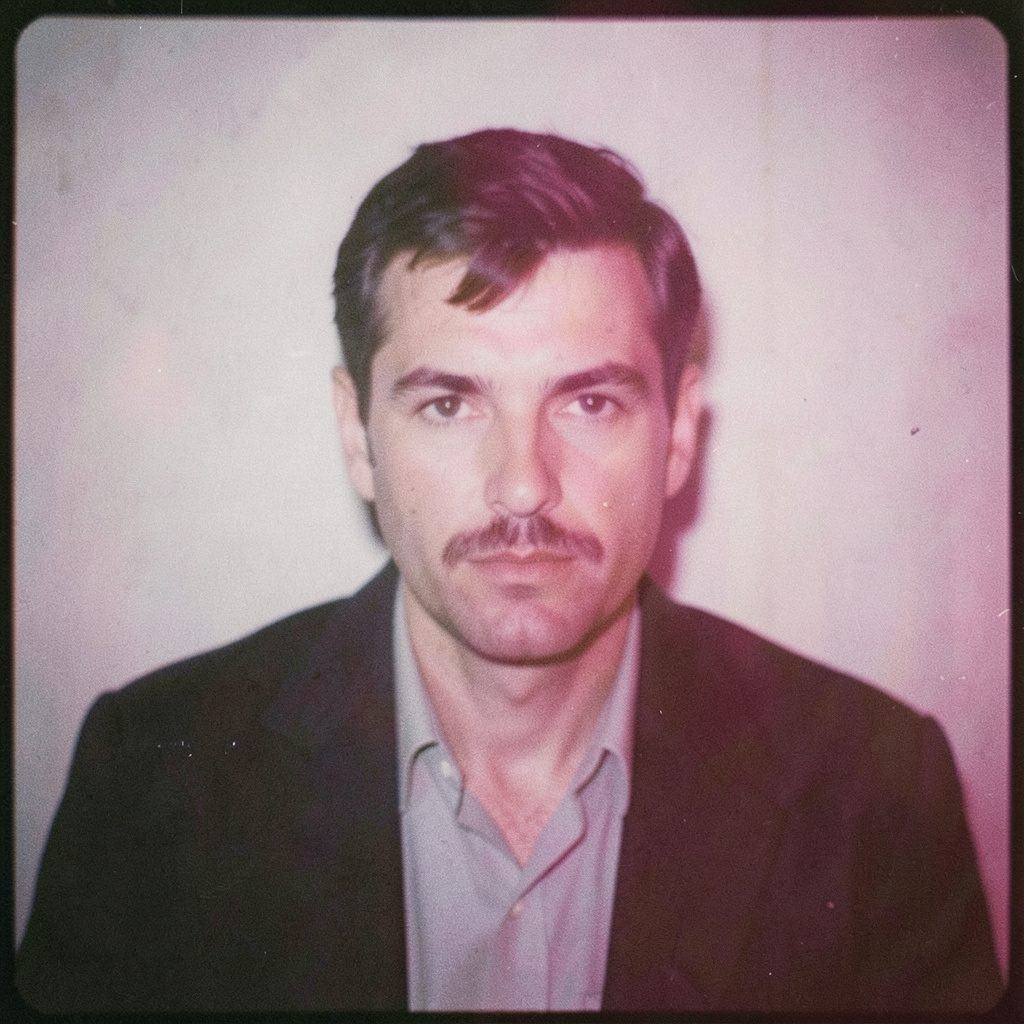
This is important in professional portrait photography, where people often arrive expecting to look confident, capable and approachable. A strong business portrait does not need to feel rigid or corporate. It may show concentration, warmth or quiet authority while still meeting the practical needs of a LinkedIn profile, company website, editorial feature or leadership campaign. In the Australian market, where a relaxed manner and plain-speaking confidence are often valued, over-directed posing can quickly look artificial.
The surrounding space also contributes to the emotional message. A founder photographed in a busy studio may appear energetic and inventive; the same person against a clean wall may seem precise and composed. At a fashion shoot, negative space can make a garment feel sculptural, while a crowded setting can introduce movement and friction. Environmental portraiture gives context without allowing the background to overpower the person.
Film, digital craft and emotional honesty
Analogue photography brings a particular kind of restraint to the creative process. Film has a finite number of frames, so each exposure asks for a decision. That slower rhythm can encourage a subject to settle and a photographer to observe rather than chase constant variation. Grain, tonal transitions and slight imperfections may add physical presence, allowing the image to feel experienced rather than manufactured.
Medium-format film is valued for its detail, depth and graceful rendering of skin. It can make a portrait feel calm and substantial, especially when paired with controlled light and an uncluttered composition. Black-and-white film can move the image away from fashion or commercial immediacy and towards memory, atmosphere and emotional symbolism. These qualities suit conceptual photographic series in which the meaning develops gradually across several images.
Digital photography offers flexibility, speed and precision, particularly for events, campaigns and commercial commissions. It allows a photographer to respond quickly to changing light, capture a sequence of gestures and provide a practical range of files for different platforms. The medium itself does not determine whether an image feels genuine. Emotional depth comes from attention, timing, trust and the visual decisions made before and after the shutter is released.
A hybrid workflow can bring the advantages of both approaches together. Film may be used for a carefully considered portrait series, while digital capture supports behind-the-scenes imagery or a fast-moving event. Editing should strengthen the emotional character already present in the frame, not replace it with excessive retouching. Natural skin texture, expressive lines and small imperfections often help an image remain believable.
Building trust during a portrait session
People reveal emotion when they feel observed with respect rather than assessed for flaws. A photographer can support this by explaining the purpose of the session, setting a clear pace and allowing room for silence. Simple direction is usually more effective than a long list of poses: shift your weight, look towards the window, take a breath, hold that position. These prompts create movement without forcing a performance.
Preparation also shapes the atmosphere. Discussing wardrobe, location, intended use and personal boundaries before the shoot helps remove uncertainty. For a corporate client, this may involve planning several expressions and compositions for different communication channels. For a conceptual series, it may mean discussing references, symbolism and how much ambiguity the subject wants to preserve.
This approach matters across Australia’s varied photography market. A small business owner in Perth may need a portrait that works for a local service brand and national media. A creative director in Melbourne may want a more editorial visual identity, while a community organisation in Adelaide may require images that feel inclusive and accessible. Clear communication, punctual delivery and transparent usage rights are as important as artistic instinct when a commission supports a working business.
Events require a different form of sensitivity. At a wedding, gallery opening, festival or corporate gathering, emotional moments may unfold quickly and without direction. The photographer must anticipate rather than interrupt, staying close enough to record a meaningful glance but distant enough to protect the moment. Good event photography creates a visual record of atmosphere, relationships and transitions, not simply a collection of posed group shots.
Turning personal feeling into visual language
Conceptual photography often begins with an emotion that is difficult to name. Isolation might become an empty chair, a figure placed at the edge of a frame or a repeated gesture. Memory may be expressed through faded surfaces, layered negatives or a sequence that moves between sharp detail and uncertainty. The image does not have to explain the feeling literally; it can give the viewer a structure through which to experience it.
A photographic series is especially powerful because emotion changes over time. One image can establish distance, another can introduce resistance and a later frame can suggest release. Repetition of colour, shape, location or gesture creates visual rhythm, while subtle differences show development. This sequential approach is useful for exhibitions, editorial projects, artist books and personal commissions that require more space than a single photograph can provide.
Commercial photography can use the same principles without losing clarity. A fashion campaign may communicate independence through posture, architectural setting and directional light. A hospitality brand may focus on welcome through gestures, proximity and warm tonal values. A professional portrait may express credibility through stillness rather than a broad smile. Emotional storytelling gives commercial images a human reason to exist, helping an audience connect with the values behind a product or service.
The strongest photographs leave space for the viewer’s own response. They do not dictate every interpretation through obvious symbolism or aggressive editing. A little ambiguity can make an image more memorable, particularly in a culturally diverse place such as Australia, where audiences bring different histories, identities and ways of reading an image. Emotional expression becomes a shared encounter rather than a message delivered in only one direction.
Practical choices that support expressive photography
A successful session depends on aligning the creative intention with the practical conditions. Location, timing, wardrobe, format and intended use should all support the emotional tone. The following choices can help keep a portrait or photographic project focused:
- Choose a location that reflects the subject’s character, work or story instead of relying on a generic background.
- Schedule outdoor portraits near the softer light of morning or late afternoon, especially in bright Australian conditions.
- Select clothing for texture, shape and personal confidence, avoiding garments that distract from the subject’s presence.
- Allow extra time for conversation and adjustment so authentic gestures can emerge without pressure.
- Decide whether film, digital capture or a hybrid process best suits the pace and emotional purpose of the commission.
- Request a balanced gallery with natural expressions, considered portraits and a small number of more experimental frames.
- Confirm image usage, delivery formats and retouching preferences before the shoot begins.
These decisions are valuable for individuals and organisations commissioning photography in Australia. A national campaign may require consistent portraits across Sydney, Melbourne and Brisbane, while a local business may need a smaller set of images for a website, Google Business profile and social media. Planning the intended applications early prevents the creative work from being squeezed into unsuitable crops or rushed deadlines.
The final selection deserves as much attention as the shoot itself. A photograph may be technically flawless yet emotionally empty, while another frame with a less conventional expression may carry genuine presence. Reviewing images for gesture, atmosphere, connection and visual coherence leads to a stronger portfolio or campaign. The aim is to choose photographs that continue to communicate after the immediate circumstances of the session have passed.
Photography becomes emotionally expressive when technical skill serves observation. Light, film, digital tools, location and composition all matter, yet their purpose is to make an inner quality visible. A portrait can reveal how someone occupies a room; an event image can preserve a fleeting bond; a conceptual series can give form to feelings that language cannot easily contain. In each case, the image gains strength from attention to what is real, particular and human.
Selected Series
A cross-section of commissioned and personal projects spanning fine art, commercial, and conceptual work.
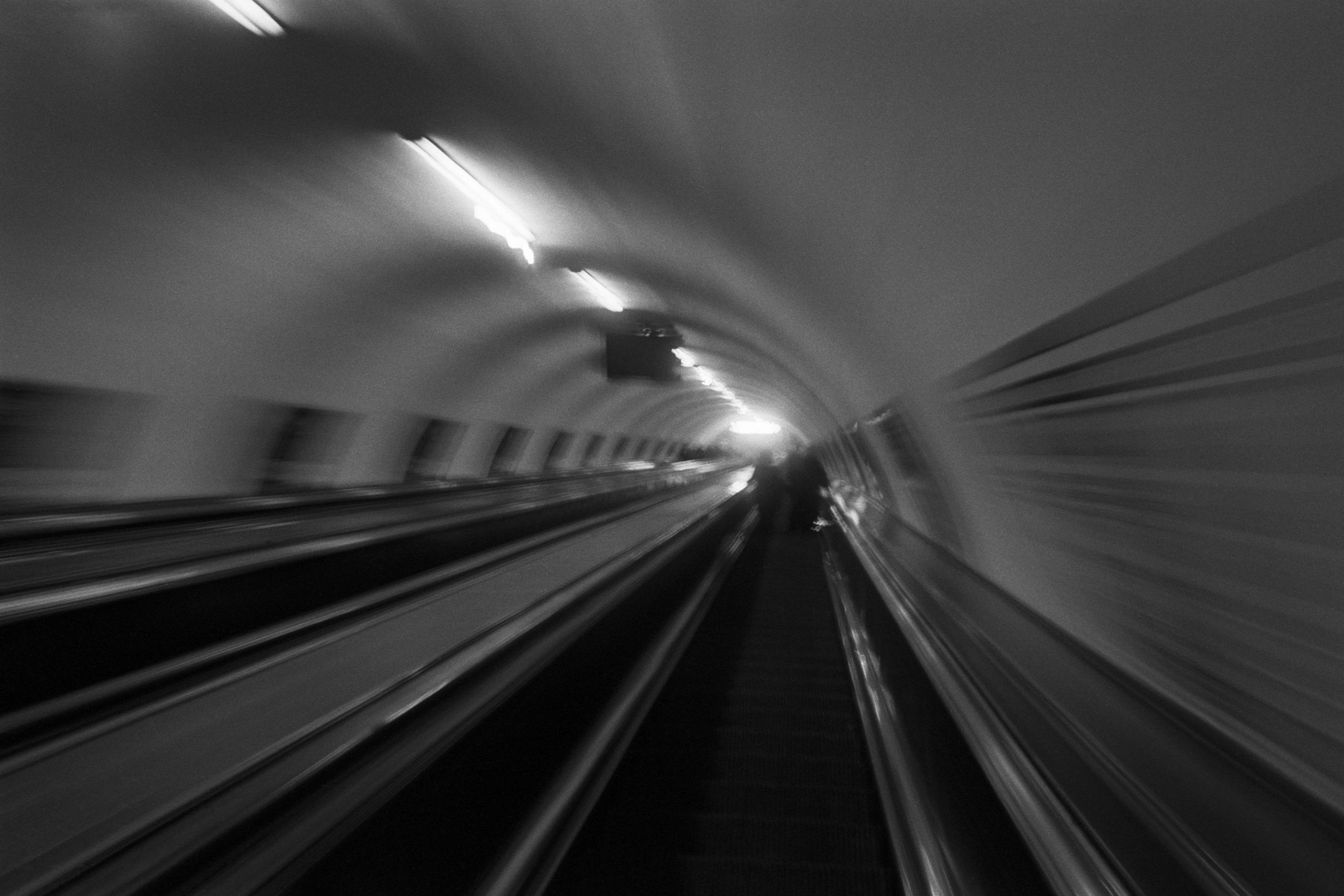
The Wall
2015Winner of the 1st prize & Golden Glass Award at the 11th Photographic Open Championship Olsztyn, and 1st place with the Special Prize of FORMAT magazine at the 3rd Biennial of Art in Piotrków Trybunalski.
View Series →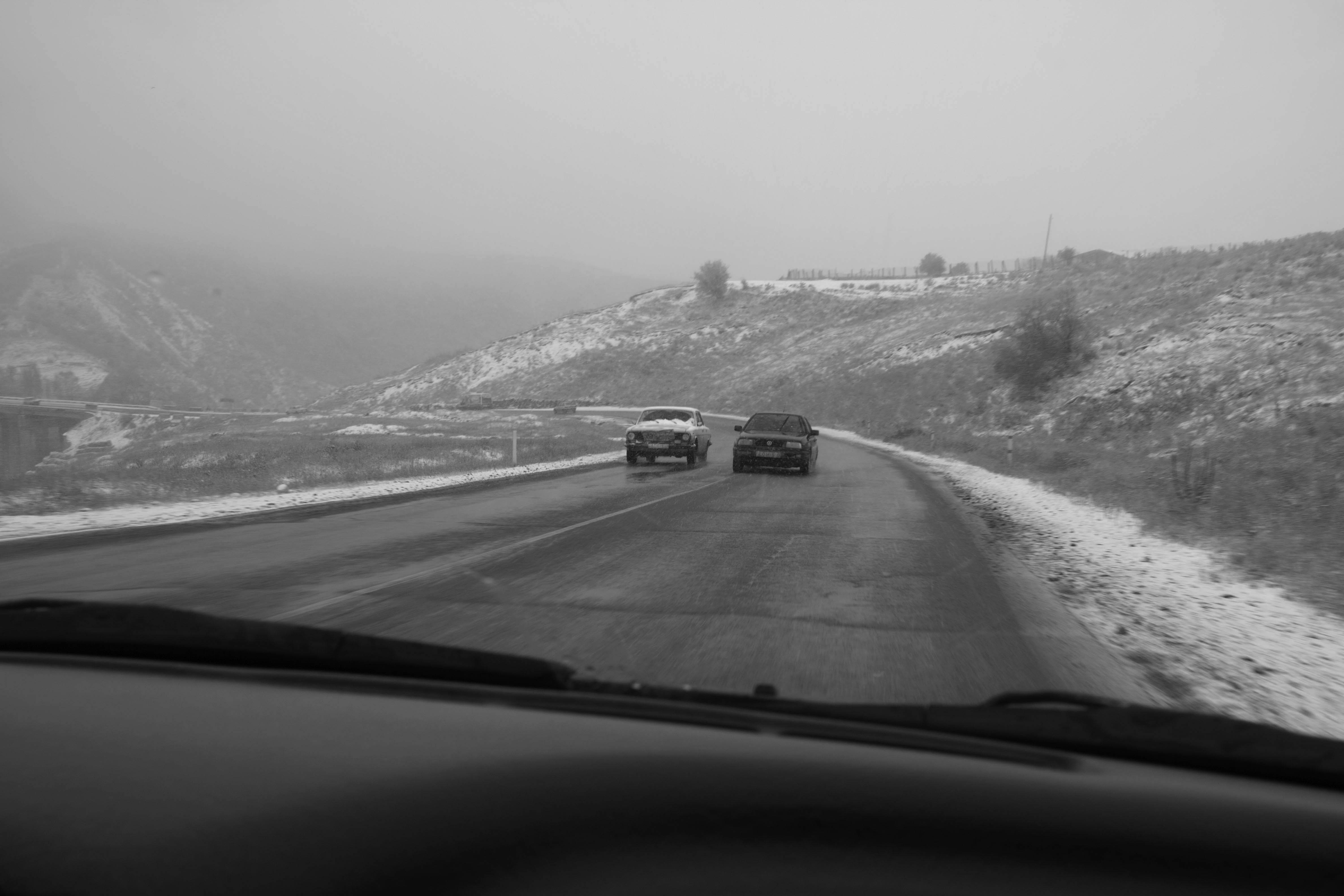
An Engagement Ring
2011A narrative series set in Wrocław in August 2011. Awarded 2nd prize & Silver Glass at the 10th Photographic Open Championship Olsztyn in 2014.
View Series →
Heat Wave
2014A documentary series recording spontaneous events across August and September 2014, capturing the raw energy of a city under the grip of summer.
View Series →