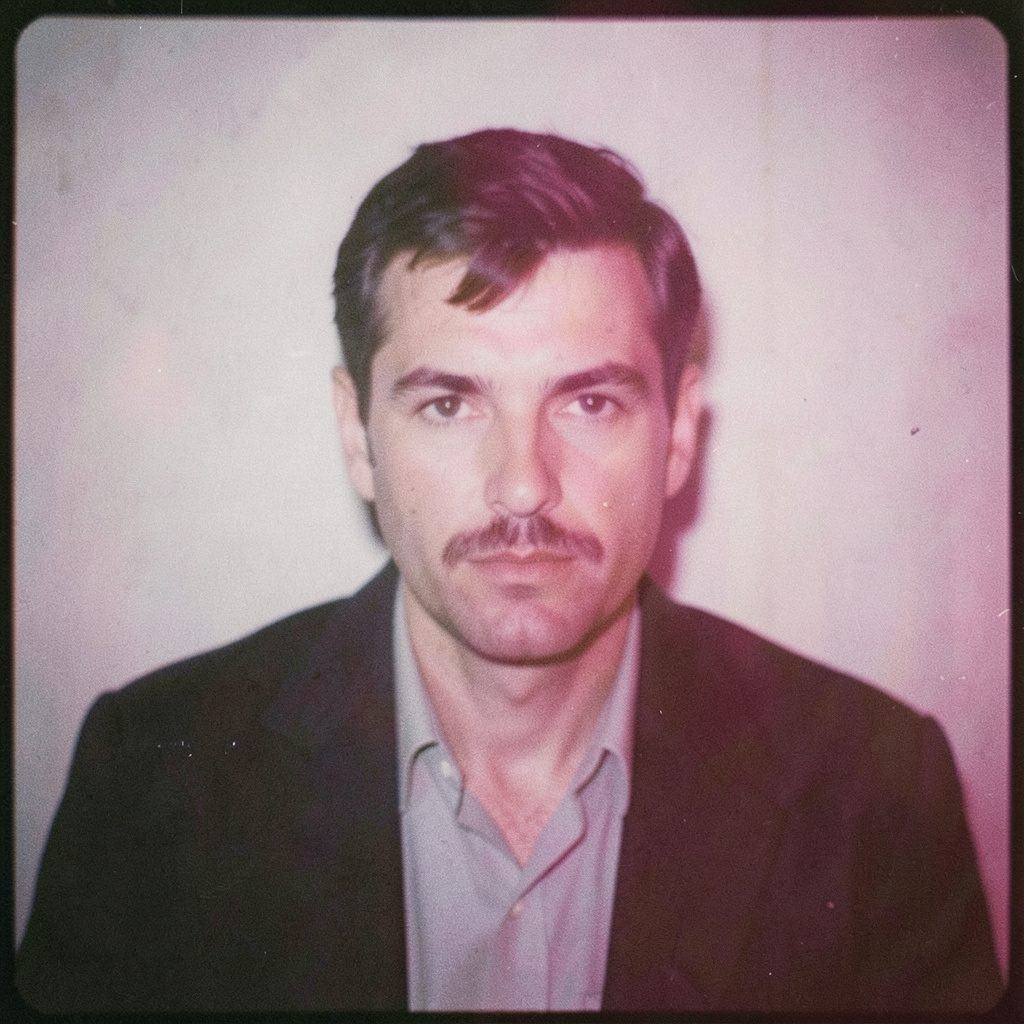
"Photography is not about the thing photographed. It is about how that thing looks photographed."
Keeping Analog Craft Alive in a Digital Photography Era
The dominance of digital sensors has reshaped how pictures are made, shared, and sold. In bustling studios from Sydney to Perth, photographers fire off thousands of frames in a single sitting, then sort, cull, and edit long before the client ever sees a proof. Yet a quiet counter-movement persists. Practitioners who learned their craft when light was metered by hand and film was loaded in the dark are finding new audiences hungry for the textures and decisions that only analogue processes can offer. Their work raises a pressing question for the next generation of image makers: what is lost when the mechanical rituals of photography are replaced entirely by software?
Australia has long nurtured a community curious about older photographic techniques. Wet plate revivalists in Adelaide, medium-format enthusiasts gathering at fairs in Brisbane, and dedicated darkroom collectives operating out of converted warehouses in Melbourne's inner north all point to a country that treats the camera not just as a content machine but as a piece of heritage. This cultural appetite sits comfortably alongside the commercial demand, and it gives local photographers a unique platform to argue that analogue skills are not nostalgic luxuries but essential training for the eyes and the mind. Workshops often sell out within days of being announced, and the standard greeting at any of these gatherings is a cheerful "how ya going?" followed by a long conversation about favourite developers and paper stocks.
The Tactile Language of Film
The decision to press the shutter on a roll of film is fundamentally different from tapping a screen on a mirrorless body. Each frame costs money, each roll has a finite number of exposures, and the results remain unseen until the film is processed. This constraint shapes behaviour in ways that have profound artistic consequences. Photographers slow down, consider the geometry of a frame, and wait for the light to settle before committing to a capture. The resulting images often carry a weight and intention that comes from working within tight material limits.
Film stock itself introduces variables that digital sensors attempt to neutralise. Grain structure, colour rendition, and the way different emulsions handle highlights and shadows give every frame a personality. A roll of Kodak Portra pushes skin tones warm and forgiving, while Ilford HP5 renders monochrome with a tonal range that many black-and-white printers chase for years. These qualities are not accidents; they are the product of decades of chemical engineering, and they offer artists a vocabulary that sensor technology continues to imitate but rarely equals. For fashion editors commissioning shoots in places like Sydney's Paddington or Melbourne's Fitzroy, that distinctive look remains a marketable signature.
Beyond aesthetics, working with film demands a fluency in the physics of light. Without a histogram to consult, photographers learn to read brightness through incident meters, zone system principles, and accumulated experience. They understand reciprocity failure, hyperfocal distance, and the way colour temperature shifts throughout the day. This technical literacy bleeds directly into their digital work, where exposure decisions become intuitive rather than mechanical. The discipline learned at the light meter pays dividends long after the roll is developed, and it gives practitioners a confidence that shows up in fast-moving commercial environments.
Darkroom Principles in a Digital Workflow
The darkroom has not disappeared so much as it has been translated. Photographers who once watched images emerge in trays of developer now watch them emerge in curves panels and colour grading tools, and the underlying logic is remarkably similar. Dodging and burning in Photoshop echo the hand-shaped masks once held beneath an enlarger. Split-grade printing maps cleanly onto the dual adjustment of highlights and shadows in Lightroom. The vocabulary has changed, but the artistic intent remains constant.
This continuity is not merely poetic. A photographer who understands how a grade 3 filter influences contrast in a fibre-based print will approach a digital mask with far more confidence than someone who learned sliders in isolation. Darkroom work teaches the relationship between local and global contrast, the behaviour of paper base plus fog, and the importance of edge sharpness in the final image. These concepts inform every adjustment made in software, and they explain why graduates of traditional programmes often produce digital files with a depth that escapes purely screen-trained practitioners.
The slow, deliberate pace of darkroom work also imposes a valuable form of attention. Hours spent under a safelight, watching a print slowly take form, build a kind of patience that accelerates through digital editing. This patience shows up in the final product. Tonal transitions are smoother, the highlights hold detail, and the shadows feel intentional rather than crushed. For a portrait assignment, where the subject deserves a meticulous rendering of skin and expression, that difference is not subtle. Many Australian retouchers trained in traditional printing now charge premium rates for portrait finishing, and their waiting lists stretch months into the future.
Medium Format and the Discipline of Composition
Medium format film, whether 6x6, 6x7, or 6x17, demands a particular relationship with the subject. The larger negative captures detail at a level that rewards careful staging, thoughtful wardrobe, and considered posing. A fashion shoot on 120 film is rarely a spontaneous affair. Locations are scouted, permits arranged, and lighting diagrams sketched in advance. The cost per frame, combined with the physical scale of the equipment, encourages thorough planning that smaller formats do not always require.
This discipline extends beyond commercial briefs. Photographers who commit to medium format for personal projects often find that their framing becomes more architectural, their use of negative space more deliberate, and their understanding of perspective more nuanced. The viewfinders on cameras like the Pentax 67 or the Hasselblad 500 series force the photographer to slow down and look around the frame. It is an education that translates directly to any format, including the small sensors of modern smartphones. Looking becomes a habit rather than a reflex, and that habit changes the way a photographer approaches every assignment, from a quick social media job to a major campaign.
The resurgence of interest in large format and panoramic film, visible in editorial features across Australian magazines and on platforms like the Gestalt platform, suggests that this discipline is finding new advocates. The format itself becomes part of the message, signalling an investment in craft that clients in luxury markets are willing to reward. For practitioners building careers in the high-end segment, the ability to discuss film stocks, development times, and printing techniques is a differentiator that software proficiency alone cannot match.
Australian Studios and Workshops Nurturing the Craft
Australia's geography has shaped its photographic culture in distinctive ways. Distance from the major film manufacturers meant early adopters often developed their own processing chemistries and relied on mail-order supplies, fostering a self-reliant streak that persists in the contemporary community. In Brisbane, long-running workshops at community centres teach teenagers how to load a Paterson tank. In Hobart, a small but committed group maintains access to a shared darkroom that has operated for over four decades. These grassroots efforts are the backbone of analogue preservation in the country.
Commercial institutions have also adapted. Photography schools in Melbourne and Sydney now run hybrid programmes that cover both digital and analogue workflows, recognising that employers value versatile graduates. Short courses in platinum printing, wet plate collodion, and large format camera operation regularly sell out, attracting not only hobbyists but working professionals seeking a creative reset. The commercial logic is clear: clients across the country, from fashion houses in Melbourne to advertising agencies in Perth, occasionally request film looks that can only be authentically delivered through actual film. Booking a workshop in the Southern Highlands or along the coast of New South Wales often means a few hours' drive and a thermos of coffee from the local servo, but the dedication of attendees makes every session worthwhile.
Public collections reinforce this education. The National Gallery of Australia in Canberra holds significant works by Australian photographers who worked predominantly in analogue processes, and its programme of exhibitions regularly features historical techniques. The Australian Centre for Photography in Sydney has long championed the medium, and regional galleries in places like Ballarat and Cairns occasionally host retrospectives that connect contemporary practitioners with the lineages they have inherited. This cultural infrastructure means that analogue skills are not isolated curiosities but living parts of the national conversation about images.
Hybrid Workflows: Where Film Meets Sensor
The future of analogue photography is unlikely to be a return to pure pre-digital practice. Instead, the most interesting work happening in studios from Adelaide to Darwin involves hybrid workflows that combine the strengths of both worlds. A photographer might shoot a portrait session on medium format film, then scan the negatives and finish the colour grading in software. A fashion editorial could pair a digital capture with a printed book that uses traditional darkroom techniques for select spreads. These combinations leverage the material qualities of film while maintaining the flexibility and speed of digital delivery.
Such workflows also make analogue skills commercially viable. A client who values the look of film can receive a gallery of high-resolution scans within days, while still benefiting from the rendering of a Tri-X negative or the colour science of a Portra emulsion. The cost of film, processing, and scanning has stabilised in Australia, with boutique labs in Sydney and Melbourne offering turnaround times comparable to digital post-production. This accessibility removes a barrier that once kept film locked away as a purely artistic pursuit, and it allows photographers to quote reasonable rates even when the brief specifies a vintage aesthetic.
The long-term argument for preserving analogue skills is not about rejecting digital tools. It is about ensuring that photographers retain a broad vocabulary of techniques, drawn from the entire history of the medium. Knowing how a lens renders at wide apertures, how a film stock responds to mixed lighting, and how a darkroom print handles contrast all enrich the way a digital file is conceived and finished. For practitioners building careers, that breadth becomes a creative resource and a professional safeguard. As one experienced commercial photographer puts it, the most versatile image makers in the country are the ones who refuse to forget where the medium came from. You can read more about that philosophy in the bio of Rafal Michalak, whose practice moves fluently between traditional and digital techniques.
Building a Sustainable Practice with Both Film and Digital
- Establish a personal project shot entirely on film each year, using the constraints as a creative catalyst rather than a limitation.
- Dedicate time to darkroom printing, even if only a few sessions per year, to maintain tactile fluency with tonal control.
- Learn one alternative process thoroughly, whether it is platinum and palladium, cyanotype, or wet plate collodion, to deepen the understanding of how images can be made.
- Build a hybrid workflow that documents every step from capture to delivery, so that analogue choices remain visible to clients and collaborators.
- Seek out Australian communities, workshops, and exhibitions that celebrate traditional techniques, ensuring that the craft continues to pass between generations of photographers.
Selected Series
A cross-section of commissioned and personal projects spanning fine art, commercial, and conceptual work.
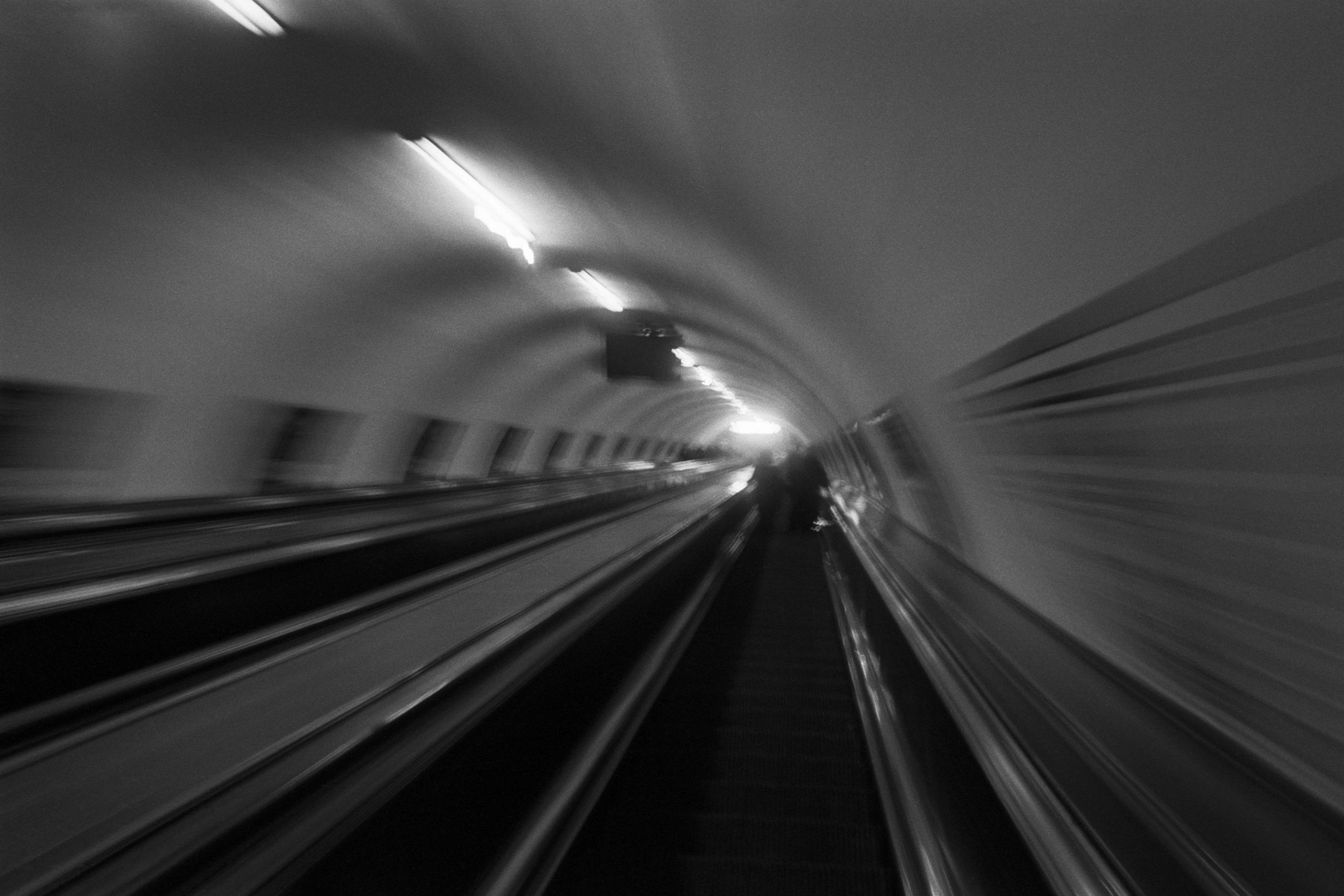
The Wall
2015Winner of the 1st prize & Golden Glass Award at the 11th Photographic Open Championship Olsztyn, and 1st place with the Special Prize of FORMAT magazine at the 3rd Biennial of Art in Piotrków Trybunalski.
View Series →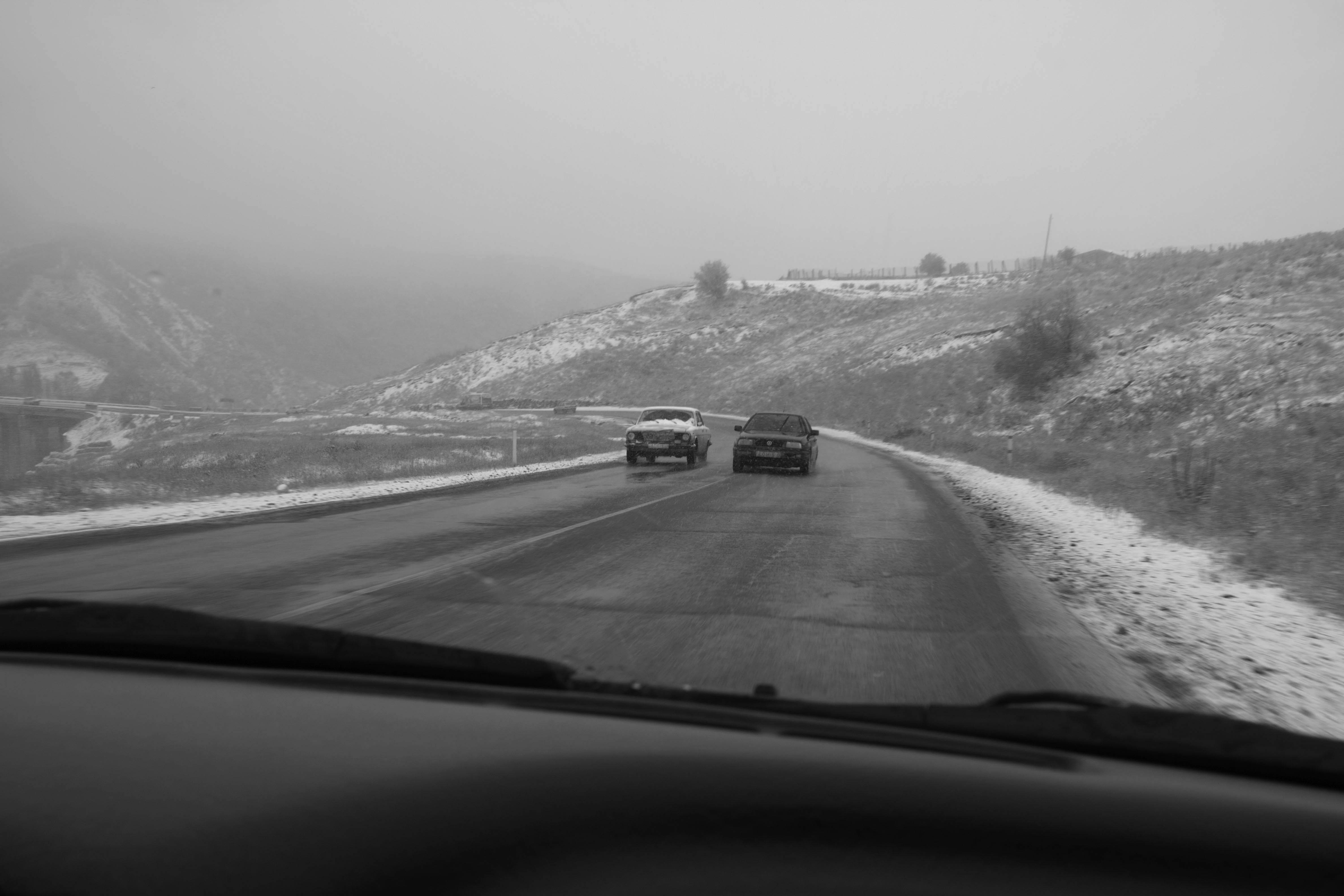
An Engagement Ring
2011A narrative series set in Wrocław in August 2011. Awarded 2nd prize & Silver Glass at the 10th Photographic Open Championship Olsztyn in 2014.
View Series →
Heat Wave
2014A documentary series recording spontaneous events across August and September 2014, capturing the raw energy of a city under the grip of summer.
View Series →