"Photography is not about the thing photographed. It is about how that thing looks photographed."
Shooting for Clients: Balancing Client Vision and Photographer Style
The relationship between a photographer and a client is rarely a quiet one. Briefs arrive with mood boards, reference frames pulled from cinema stills, and firm ideas about colour palettes, while the photographer arrives with years of technical training, an established body of work, and a personal visual grammar built from thousands of hours behind the camera. The most rewarding commercial sessions happen when those two worlds meet without one flattening the other. Treating the assignment as a collaboration rather than a transaction tends to produce images that satisfy the brief and still carry the photographer's signature, which is how a sustainable practice is built over decades.
This balance matters whether the work is a fashion campaign shot in a Surry Hills warehouse, a corporate portrait series for a Brisbane law firm, or a fine art commission destined for a gallery wall in Adelaide. Each context brings its own pressures: budget ceilings, marketing objectives, legal ownership of the images, and the photographer's need to keep developing an artistic voice that does not get reduced to a service provider. The conversations held during the briefing stage, the shoot itself, and the post-production workflow all shape whether the outcome feels like a compromise or a true creative partnership.
Reading the Brief Without Losing Your Instinct
A detailed brief is a gift, not a restriction. Australian brands frequently arrive at first meetings with reference imagery pulled from global advertising archives, often showing productions that were photographed on budgets far larger than the local engagement will allow. The temptation is either to dismiss the references as unrealistic or to copy them slavishly. Neither response serves the client. Reading the brief carefully means extracting the emotional intention behind each reference: the warmth, the tension, the sense of scale, the moment the image is trying to capture. Once that intention is mapped out, the photographer can propose lighting, location, and styling choices that honour the feeling while remaining feasible within the practical constraints of the shoot.
Listening does not mean abandoning judgement. There are moments when a client asks for something that would actively damage the final result, whether for technical, compositional, or brand-alignment reasons. In those cases, the photographer's value is in offering a clear alternative, ideally supported by rough sketches, lighting diagrams, or quick test frames taken on a similar setup. Australian commercial clients, particularly those working with the ACCC's consumer protection guidelines around truthful representation, often appreciate a measured explanation of why one approach will perform better in market than another. Treating the brief as a starting point for a conversation, rather than a script to be followed line by line, gives both parties room to find the strongest version of the idea.
Negotiating Creative Direction Early
The single most common cause of dissatisfaction on either side of a commercial engagement is misalignment on creative direction at the very beginning. Photographers who wait until the shoot day to introduce a personal concept often find themselves defending choices that the client never agreed to. Conversely, clients who withhold feedback until the proofs arrive risk committing the photographer to an extended edit that they will later reject. A useful practice is to schedule a short creative review after the scout, where location options, wardrobe, props, and lighting direction are discussed with reference to a small test set rather than finished imagery.
For Australian-based work, the location scout itself can be a moment of negotiation. Sydney harbour, the industrial lanes of Melbourne's inner north, the laneway bars of Perth, the beaches along the Sunshine Coast, and the older streetscapes of Hobart each carry very different connotations, and the choice signals as much about the brand as the wardrobe does. Discussing the geography of the shoot with the client and explaining what each setting offers visually and logistically helps prevent later arguments. Some photographers find it useful to share scouting images with the client through a shared folder, marking the frames that feel closest to the agreed direction. This kind of evidence-led conversation tends to reduce the number of phone calls later, and keeps the shoot day focused on execution rather than re-negotiation.
Managing Differences in Taste and Style
Every photographer who works with paying clients eventually meets a taste gap. The client wants something brighter, softer, cooler, more saturated, more minimalist, or more "aspirational" than the photographer's natural register. The instinct is to push back hard and protect the house style, but that can read as inflexibility, particularly in smaller markets where reputation travels quickly through industry networks. The more useful response is to ask what the client hopes the viewer will think or feel when they see the image, then translate that answer back into a visual approach the photographer can execute with conviction.
Sometimes the honest answer is that the requested look simply is not in the photographer's range, and the right move is to decline the project gracefully and suggest a colleague whose work already aligns with the brief. That kind of referral is not a loss; it builds trust within the local creative community, and the next referral often returns. Photographers working across fine art and commercial briefs, as is common in Wrocław's varied creative scene, often find that separating the two mindsets mentally helps. The commercial session is a service rendered to a specific outcome; the personal series is a laboratory for ideas that have no client attached. Allowing each space to do its proper work prevents the commercial output from feeling diluted and the personal work from feeling neglected.
Contracts, Ownership, and Legal Clarity
Creative friction is often amplified by vague paperwork. Australia operates under the Copyright Act 1968, which assigns ownership of commissioned works to the photographer by default unless a written agreement transfers those rights. Many clients assume that paying for a shoot means owning every image, including the RAW files, which can lead to difficult conversations at delivery. A clear licence agreement drafted before the shoot, specifying permitted uses, territorial scope, duration, exclusivity, and whether the photographer retains the right to display the work in their portfolio, protects both parties. The Australian Taxation Office also treats licensing income differently from outright copyright assignment, so the contract language has financial consequences for the photographer's quarterly BAS statements.
It is worth explaining this structure to clients in plain language rather than legalese. Most Australian business owners respond well to a short summary of what they are buying and what they are not. A licence for a campaign run, a licence for website use, and a licence for social media are three different products, and pricing them separately makes the value of the photographer's intellectual property visible. Adding a clause about moral integrity, where the photographer can object to uses that distort or contextually misrepresent the image, is a sensible inclusion for portrait and editorial work, particularly when the subjects are identifiable individuals.
Workflow That Respects Both Sides
The post-production stage is where the balance often tilts in one direction or the other. Clients who expect unlimited revisions, or who delay feedback for weeks, can erode the photographer's time and creative energy. Photographers who deliver unedited contact sheets and ask the client to choose favourites without guidance place an unfair burden on someone who may not read images fluently. A defined workflow that includes a capped number of revision rounds, a reasonable feedback turnaround, and a curated first edit helps both sides. Many Australian studios now use project management tools that allow clients to comment directly on image previews, which speeds up the exchange and leaves a clear paper trail.
Final delivery should also be agreed in advance: file format, colour profile, resolution for print versus web, whether the files are embedded with metadata, and how long the photographer retains the masters. For ongoing clients in Melbourne, Sydney, or any other hub, building a simple delivery template keeps the process consistent and frees the photographer to focus on the next project rather than recreating the same handover notes each time.
Practical Recommendations for a Healthier Client Practice
- Send a written recap after every briefing call, listing the agreed direction, locations, deliverables, and timeline.
- Build a short test set during the scout or early in the shoot day to confirm the visual approach before committing to the full schedule.
- Use a written licence agreement that distinguishes between copyright ownership and licensed use, aligned with Australian copyright law.
- Cap revision rounds in the contract and define a reasonable feedback window to protect post-production time.
- Keep a personal archive of client work that you can draw on for future portfolio pieces, with permission documented in the licence.
- Separate commercial deliverables and fine art projects in your calendar so each receives the attention it deserves, and consider cross-referencing sources of creative commerce insight such as boutique retail inspiration when exploring how other independent makers present commissioned work.
- Schedule a post-project debrief to gather feedback and refine your process for the next engagement.
Selected Series
A cross-section of commissioned and personal projects spanning fine art, commercial, and conceptual work.
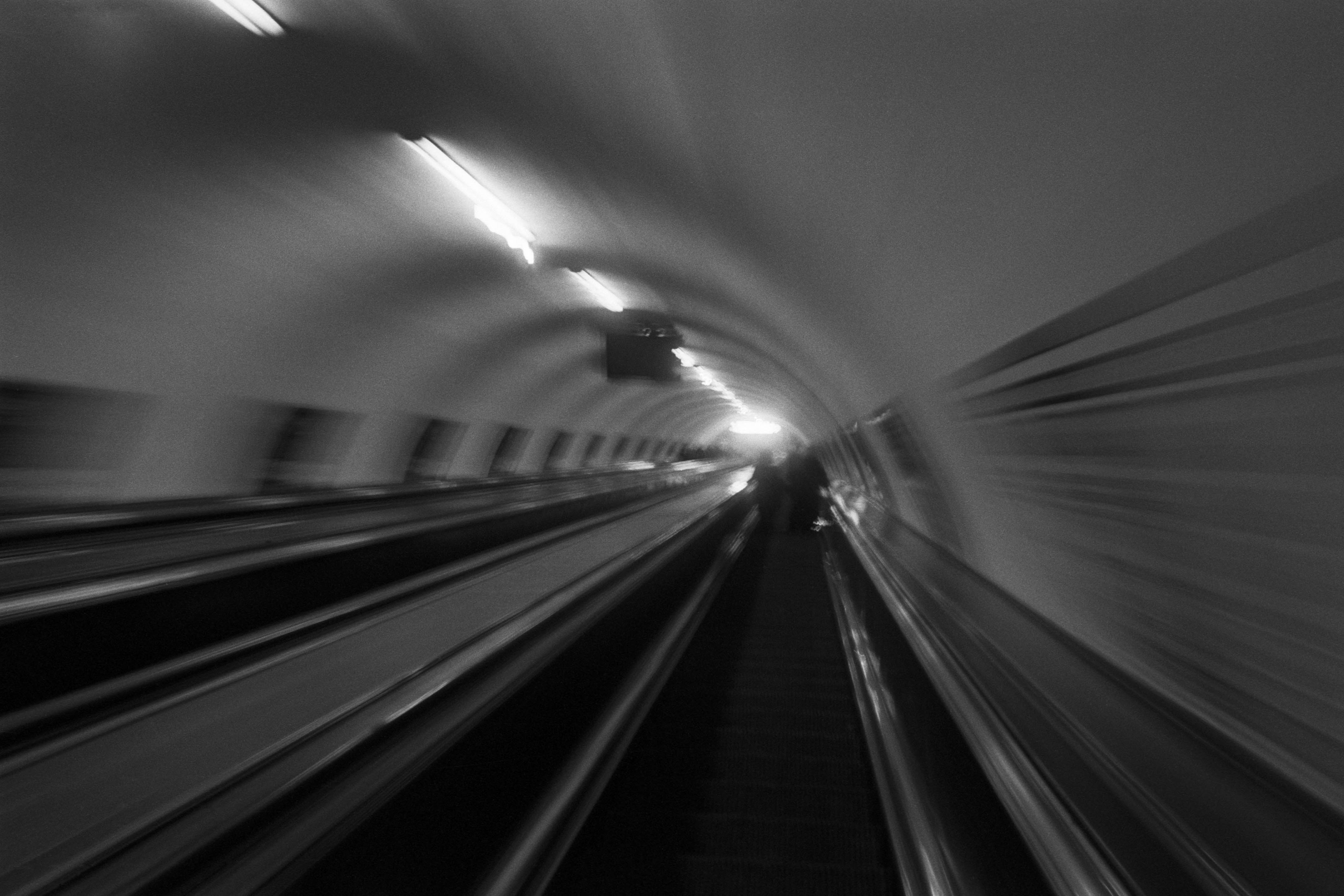
The Wall
2015Winner of the 1st prize & Golden Glass Award at the 11th Photographic Open Championship Olsztyn, and 1st place with the Special Prize of FORMAT magazine at the 3rd Biennial of Art in Piotrków Trybunalski.
View Series →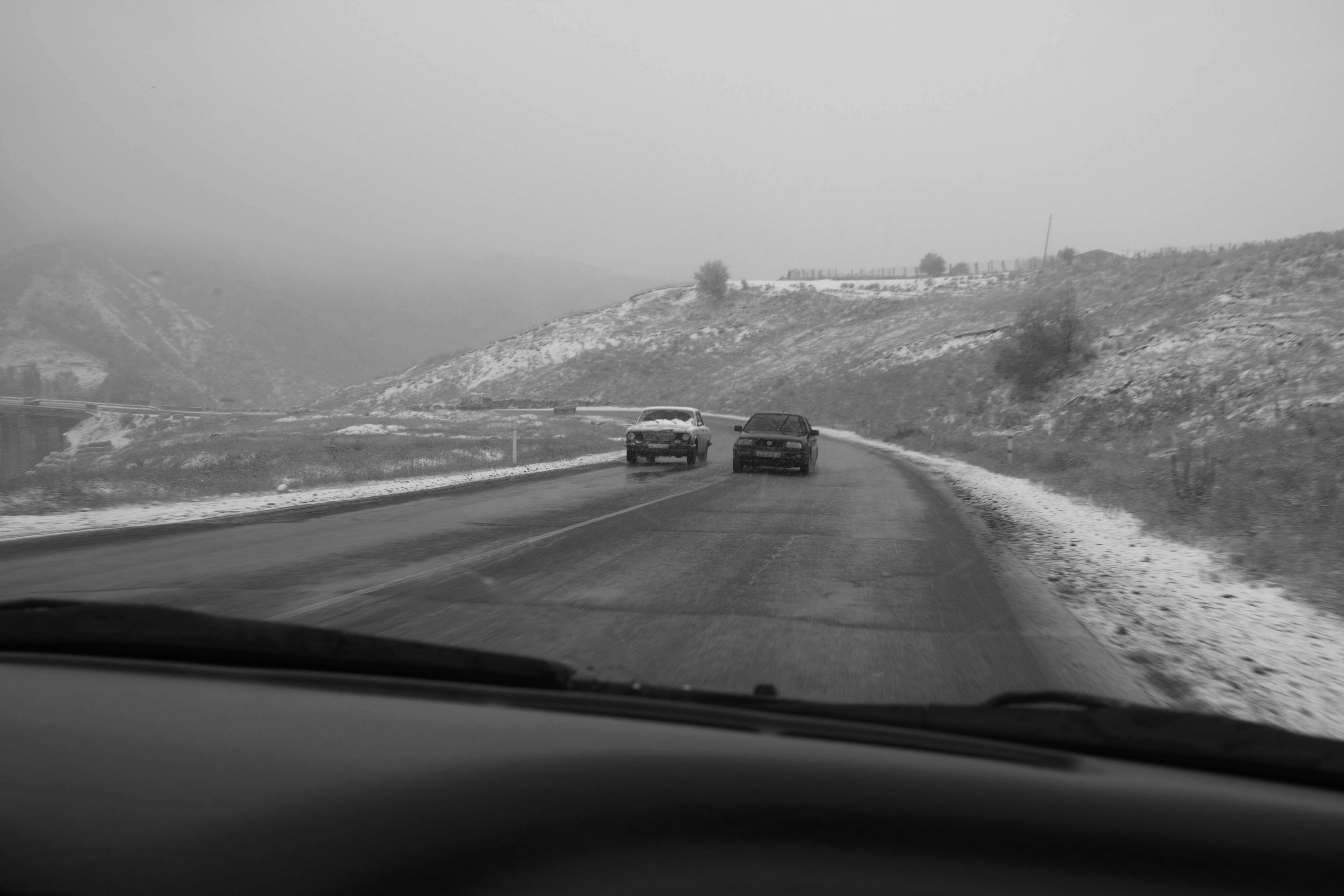
An Engagement Ring
2011A narrative series set in Wrocław in August 2011. Awarded 2nd prize & Silver Glass at the 10th Photographic Open Championship Olsztyn in 2014.
View Series →
Heat Wave
2014A documentary series recording spontaneous events across August and September 2014, capturing the raw energy of a city under the grip of summer.
View Series →