"Photography is not about the thing photographed. It is about how that thing looks photographed."
The anatomy of a perfect portrait: lens, light, and expression
A portrait is rarely the result of a single decisive moment. It is the product of three intersecting disciplines working in concert: optical engineering, controlled illumination, and human connection. The photographer who treats one element as primary and neglects the others produces images that feel technically correct yet emotionally flat, or expressive yet technically compromised.
For photographers working across Australia, from the coastal studios of Sydney to the converted warehouses of Melbourne's inner north, the conditions of the southern hemisphere offer particular opportunities and constraints. The quality of light differs from northern latitudes, the palette of architectural backdrops shifts from sandstone to weatherboard, and the cultural rhythm of portraiture weaves through commercial campaigns, magazine editorials, and personal commissions in distinct ways.
The technical vocabulary of portraiture has evolved considerably since the medium-format film era, yet the foundational principles remain remarkably consistent. A 105mm lens on a Hasselblad produced the same flattering geometry that an 85mm prime produces on a modern mirrorless body. What changes is the speed of iteration, the immediacy of feedback, and the breadth of expressive choices available to the photographer who understands the underlying craft.
This article unpacks the anatomy of a compelling portrait by examining each component in turn, drawing on techniques refined through both analogue darkroom practice and contemporary digital workflows. The goal is not a checklist but a framework for making deliberate decisions every time a camera is raised to a face.
The choice of glass and the geometry of the face
Lens selection in portraiture is dictated less by brand loyalty than by an understanding of focal length, compression, and the way each optic renders human features. A 50mm focal length on a full-frame sensor produces a documentary intimacy that suits environmental portraits, particularly when the subject is set within a recognisable space such as a Brisbane café or a Perth boardroom. A 135mm telephoto compresses facial planes, narrows the nose, and gently softens the ears, an effect favoured by editorial photographers working on Australian fashion week assignments.
Medium-format systems, whether film-based Hasselblads or modern digital backs, change the relationship between subject and photographer in ways that affect expression as well as geometry. The larger negative or sensor demands more careful focusing and rewards slower, more deliberate compositions. Many photographers returning to film after years of digital work rediscover a patience that translates directly into more considered expressions.
Practical lens choices for portrait work often include:
- An 85mm f/1.4 prime for low-light editorial sessions and shallow depth-of-field separation
- A 105mm medium-format lens for environmental portraits where compression is desired
- A 70-200mm telephoto zoom for outdoor shoots where distance helps subjects relax
- A 50mm f/1.2 or f/1.4 for documentary-style personal branding imagery
The decision between a vintage lens with characterful rendering and a modern optic with clinical sharpness is a question of intent. A black-and-white film aesthetic often benefits from lenses with softer edge rendering and gentle contrast, while commercial campaigns for corporate clients typically demand the resolution and accuracy of contemporary designs.
Light as the primary material
Photography, despite the word's Greek roots meaning "drawing with light," is often discussed in terms of subjects and compositions. Light is the actual material. Direction, quality, colour temperature, and intensity each shape the photograph before the subject's expression even enters the frame.
Australian sunlight presents specific challenges and gifts. The southern latitudes produce a higher UV component than equivalent northern locations, and the sun's path arcs steeply through the sky during summer months in cities such as Adelaide and Sydney. This creates midday shadows that fall directly under the brow and nose, a harshness that requires diffusion, fill, or the disciplined patience to wait for the softer light of early morning and late afternoon.
Hard light from direct sun produces dramatic, sculpted portraits with strong contrast and defined shadows. Diffused light from overcast skies, common along the New South Wales coast during certain seasons, wraps softly around the face and minimises blemishes without the cost of professional modifiers. Window light in a domestic setting, with the subject positioned a metre or two from the glass, remains one of the most consistent and flattering sources available to the portrait photographer.
Directional lighting setups worth practising include:
- Rembrandt lighting, with a triangular highlight on the shadow-side cheek
- Loop lighting, characterised by a small shadow from the nose falling onto the cheek
- Butterfly lighting, positioned directly in front and above the subject
- Clamshell lighting, combining a key from above with a fill from below for beauty work
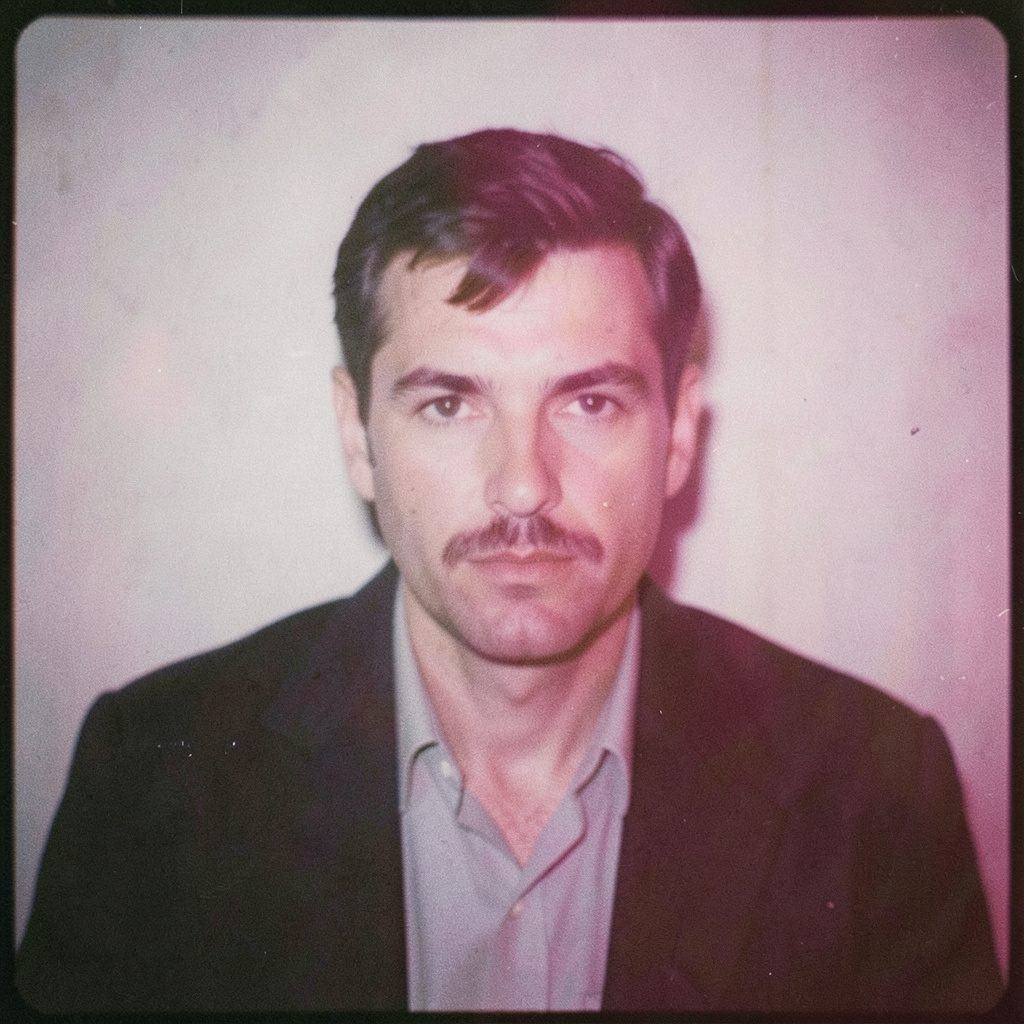
The colour of light carries emotional information that transcends the subject's facial expression. A portrait lit by the magenta glow of a Sydney dusk tells a different story than the same face illuminated by the bleached light of a midday Perth summer, even with identical poses and expressions.
Reading expression and building trust
The third pillar of a portrait, and the one least often taught, is the photographer's capacity to read and elicit human expression. A technically flawless image of a face frozen in mild discomfort remains a commercial liability, while a slightly imperfect photograph of a person genuinely engaged can hold attention for decades.
Building rapport begins before the camera is lifted. Conversation about the subject's profession, their motivation for the portrait, and the intended use of the final images establishes context and reduces anxiety. In commercial contexts across Australia, from executive headshots in Melbourne's financial district to actor portfolios in Surry Hills, this conversation shapes the entire session.
Direction during the shoot should be specific, evocative, and physical rather than emotional. Asking a subject to "think about their grandmother" produces inconsistent results. Asking them to lean forward slightly and rest their chin on their hand produces a posture that, combined with directed eye contact, often yields the expression one is actually seeking.
The photographer's own expression and energy matter more than most technical considerations. Subjects mirror the emotional state of the photographer within seconds. A relaxed, quietly confident presence behind the camera translates into more natural expressions than energetic direction or theatrical encouragement.
Composition, framing, and negative space
A portrait's composition determines where the eye rests and what it reads. The rule of thirds remains a useful starting point, particularly for environmental portraits where the placement of eyes along an upper-third intersection creates a sense of balance and intentionality.
Headroom, the space above the subject's head within the frame, is a frequent source of compositional tension. Too little headroom feels claustrophobic; too much creates a sense of smallness or uncertainty. For traditional bust-length portraits, a headroom roughly equal to the height of the subject's face is a comfortable starting point, though fashion and editorial work often crops much more tightly.
Negative space surrounding the subject carries emotional weight. A portrait framed against an expanse of neutral wall communicates formality and isolation, while one set against the textured brick of a Melbourne laneway or the curved steel of the Sydney Opera House roofline embeds the subject within a specific cultural geography. The choice of background is rarely neutral, even when it appears so.
Cropping decisions made in post-production should be informed by the final use of the image. A LinkedIn profile photograph requires generous space around the head for the platform's interface. A magazine cover demands tight, vertical framing that leaves room for typography. Anticipating these requirements during the shoot saves time and preserves compositional options.
Film, digital, and hybrid workflows
The choice between analogue and digital capture affects every subsequent stage of portrait production. Medium-format film, whether 6x6 or 6x7 centimetre negatives, rewards deliberate composition and offers a tonal range and grain structure that many photographers find emotionally distinct from digital rendering. Black-and-white film, processed in a traditional darkroom, remains a benchmark for portraiture that values mood over detail.
Digital workflows, by contrast, allow immediate review, rapid iteration, and colour-managed output for commercial clients. Modern full-frame sensors at moderate ISO settings produce files with sufficient latitude for substantial tonal adjustment without the noise penalties of earlier generations.
Hybrid approaches combine the strengths of both. Shooting a session on colour negative film and then scanning the negatives for digital adjustment preserves the aesthetic of analogue capture while allowing the efficiency of digital post-production. Some photographers use medium-format film for the primary exposure and digital capture for behind-the-scenes reference and client proofs.
The decision ultimately depends on the photographer's relationship with their tools and the expectations of the client. A commercial campaign for an Australian brand typically demands the predictability and resolution of digital capture. A personal fine-art series exploring character and time benefits from the slower, more reflective pace of film.
Working across Australian environments
Australia offers a remarkable variety of portrait environments, from the pale sandstone of Sydney's coastal cliffs to the ochre soils of the outback and the temperate greens of Tasmanian forests. Each location carries specific light qualities, weather patterns, and logistical considerations that shape the photographic approach.
Coastal locations demand attention to wind, salt air, and rapidly changing light. A session at Bronte or Coogee produces different results at 6am than at noon, and the photographer who arrives without a plan for variable weather often returns with inconsistent imagery. The reflective quality of water and wet sand requires careful metering, often leaning toward underexposure to preserve highlight detail in skin.
Urban portraits benefit from the architectural specificity of Australian cities. Melbourne's blend of Victorian terraces, mid-century commercial buildings, and contemporary glass creates layered backgrounds unavailable in cities with more uniform architectural history. Sydney offers the iconic geometry of the harbour bridge and opera house, though permits for commercial shoots at these locations require advance planning through the relevant authorities.
Indoor environmental portraits, whether in a Brisbane boardroom or an Adelaide home, depend on the quality and direction of available light. Australian homes, often designed for the country's harsh sunlight, feature deep verandahs, smaller windows, and shading devices that reduce ambient illumination. Photographers must often supplement with portable lighting or position subjects strategically near the brightest openings.
Post-processing, retouching, and the ethics of finishing
The final stage of portrait production carries both technical and ethical weight. Colour grading, contrast adjustment, and minor blemish removal are standard practice. Substantial reshaping, expression modification, or environmental replacement enter a more contested territory that photographers navigate according to their own principles and client agreements.
Skin retouching should preserve texture and natural variation. Over-smoothed skin produces an artificial quality that signals digital manipulation and distances the viewer from the subject. Frequency separation techniques, dodge-and-burn work, and selective colour adjustment allow for refinement without erasure.
Commercial portraiture in Australia operates within the framework of the Australian Privacy Act and the Australian Consumer Law, particularly regarding the use of likeness in advertising. Photographers producing work for clients in advertising, corporate communications, or public-facing campaigns benefit from clear agreements about retouching limits, approval processes, and the duration of usage rights.
The finishing stage should serve the photographer's intent from the moment of capture. A portrait that began as a study of quiet confidence does not need to be transformed into high-contrast drama in post-production. The integrity of the original vision, sustained through the technical stages of capture, processing, and output, produces portraits that feel coherent and considered rather than assembled from disparate decisions.
Selected Series
A cross-section of commissioned and personal projects spanning fine art, commercial, and conceptual work.
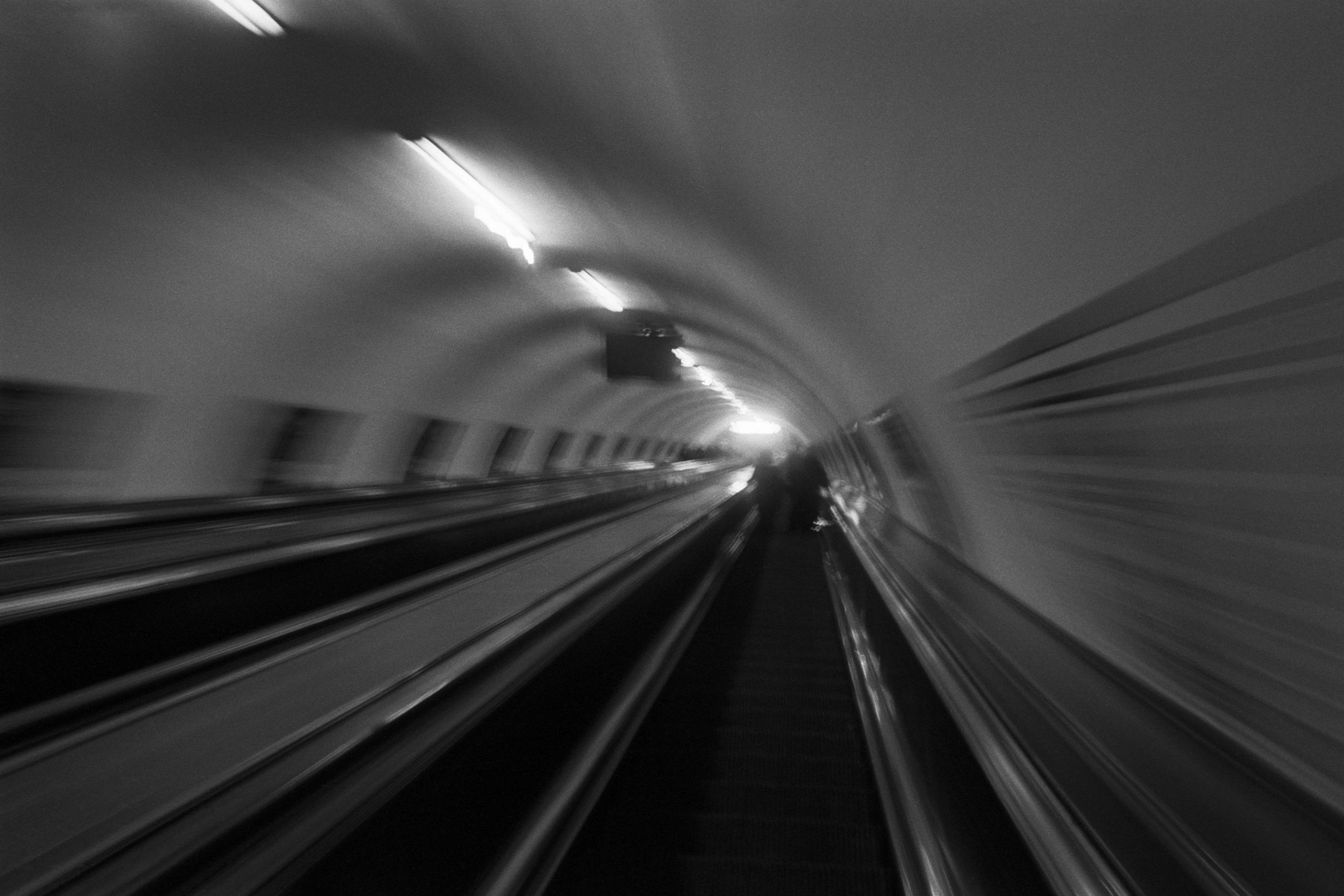
The Wall
2015Winner of the 1st prize & Golden Glass Award at the 11th Photographic Open Championship Olsztyn, and 1st place with the Special Prize of FORMAT magazine at the 3rd Biennial of Art in Piotrków Trybunalski.
View Series →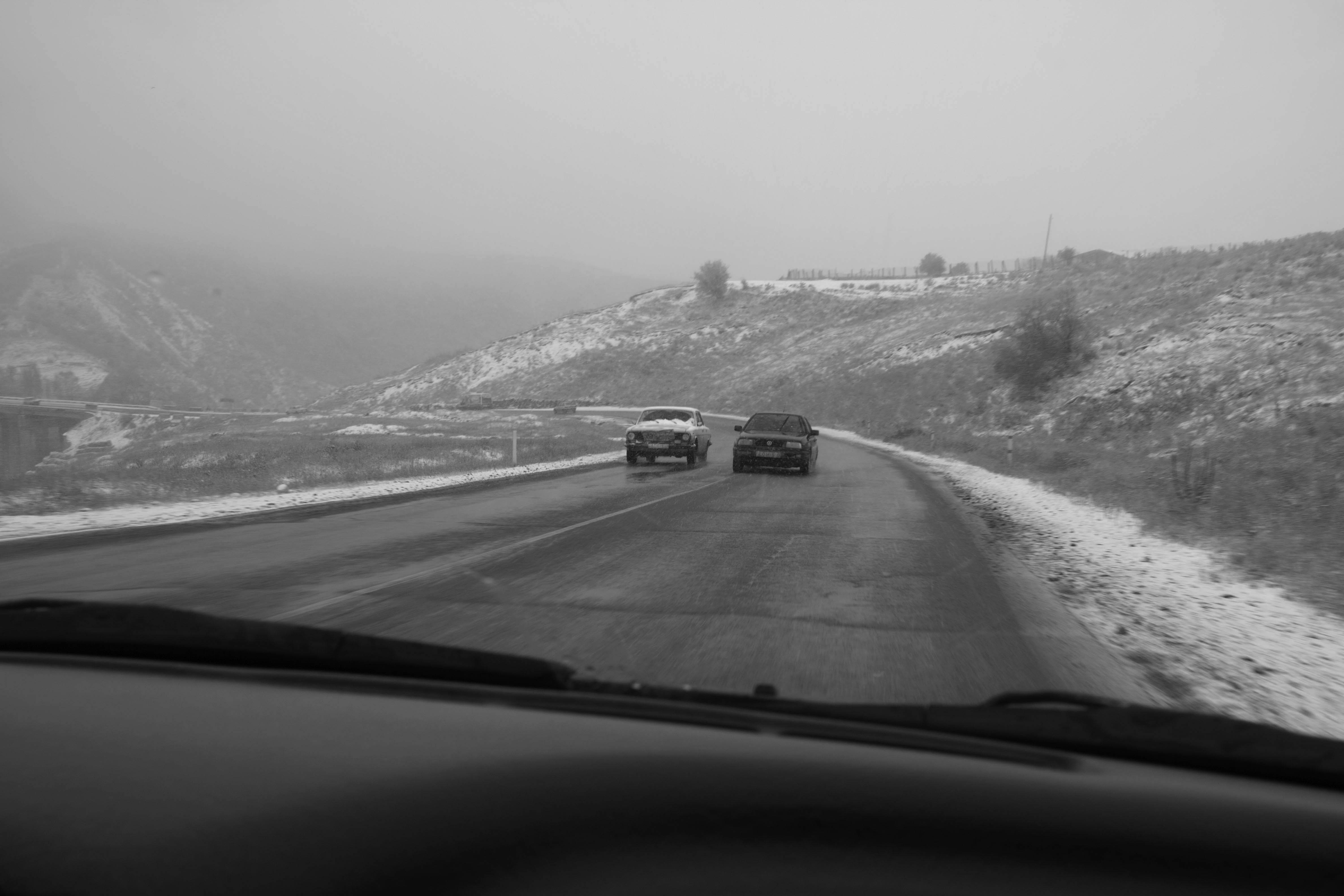
An Engagement Ring
2011A narrative series set in Wrocław in August 2011. Awarded 2nd prize & Silver Glass at the 10th Photographic Open Championship Olsztyn in 2014.
View Series →
Heat Wave
2014A documentary series recording spontaneous events across August and September 2014, capturing the raw energy of a city under the grip of summer.
View Series →