"Photography is not about the thing photographed. It is about how that thing looks photographed."
The Art of Black and White Film Portraiture
In a visual culture saturated with high-resolution colour imagery, monochrome portraiture retains a quiet authority that digital sensors cannot easily replicate. The Art of Black and White Film Portraiture is not merely a nostalgic exercise; it is a deliberate dialogue between photographer, subject, and medium, shaped by the grain of silver halide, the discipline of the darkroom, and the photographer's capacity to read light. For practitioners in Sydney, Melbourne, or any of Australia's coastal and inland communities, the craft offers a refreshing counterbalance to fast-moving image production, encouraging slower observation and a stronger connection to the people in front of the lens.
Working in monochrome also strips away the distraction of colour, redirecting the viewer's attention to form, texture, and psychological depth. A subject's expression, the line of a jaw, the weave of a wool jumper, the way light falls across weathered skin — these elements carry far greater narrative weight when rendered in silver and shadow. The photographer's hand is felt at every step, from the choice of film stock to the moment of exposure, through development and finally to the print. The result is a portrait that breathes with intention, and that distinction is what continues to draw both artists and clients toward film-based work.
The Enduring Power of Monochrome
Black and white photography possesses an almost sculptural quality, translating the three-dimensional world into a study of luminance and gradation. Without chroma, the eye searches for shape and contrast, and the photographer is compelled to consider compositional geometry with greater rigour. Shadows become as expressive as highlights, and mid-tones form the connective tissue of the image. This translation from reality to abstraction rewards careful seeing and rewards the patient subject.
Historically, monochrome has been the language of reportage, fine art, and documentary practice. Photographers such as Yousuf Karsh and Irving Penn built reputations on portraits whose authority rested on tonal control and the use of large-format negatives. Australian photographers working today continue that lineage, often drawing on the strong tradition of portraiture held at institutions such as the National Portrait Gallery in Canberra, where monochrome works by artists like Ruth Maddison have shaped public expectations of the genre. The medium's heritage offers contemporary practitioners a rich vocabulary to draw from, without prescribing a single aesthetic direction.
The Soul of Medium Format
Choosing a medium-format camera for portraiture changes the nature of the encounter. The larger negative captures finer detail and smoother tonal transitions than 35mm film, and the slower, more deliberate handling of the camera alters the photographer's posture and the subject's perception of the moment. Each frame becomes a considered event rather than a quick capture. The resulting files — or rather, negatives — hold enough information for generous darkroom prints, whether the goal is a 16x20 inch display or a more intimate folio format.
Many Australian portraitists favour the Pentax 67, Mamiya RB67, or Hasselblad 500 series for this work, valuing their mechanical reliability in studio and on location alike. Working with these systems requires deliberate framing and exposure discipline, since each roll yields only ten or twelve exposures. That limitation sharpens attention and reinforces a slower, more conversational pace during a sitting. Subjects often remark on the difference a larger camera makes: the unhurried rhythm of composing an image invites a more thoughtful exchange than the rapid-fire approach common in contemporary digital sessions.
Mastering Light in the Australian Sun
Light in Australia is famously intense. The high UV index and the brightness of the southern sky create challenging conditions for any photographer, and film practitioners must prepare carefully. Direct midday sun in Brisbane or Perth can crush shadow detail quickly, while the long golden hours near Adelaide or Hobart offer softer, more forgiving illumination for portrait work. Recognising the local rhythm of light — when shadows lengthen and when they harden — is essential for anyone working outdoors.
Tungsten-balanced black and white film handles warm golden-hour tones with subtle elegance, though daylight-balanced stock remains the standard choice for outdoor sessions. Reflectors and diffusers become important companions, particularly on cloudless days along the coast where reflected glare from sand or water can flatten a portrait. In a controlled studio environment, photographers often emulate these natural conditions using large softboxes positioned at angles that mimic window light, drawing on the warm interiors of Federation-era terraces or the cool naturalism of contemporary architecture found in cities such as Melbourne. The interplay between natural Australian light and carefully shaped studio light produces results that feel grounded in place while remaining aesthetically restrained.
The Darkroom as Creative Partner
The darkroom is where the photographer's voice finds its deepest expression. Development time, temperature, agitation pattern, and choice of paper all contribute to the final tonal signature of a portrait. A subject rendered on Ilford HP5 developed in Rodinal will have a markedly different grain structure and contrast profile than the same negative developed in Perceptol. By controlling these variables, the photographer shapes mood — shadow detail can be lifted for a softer, more reflective feel, or compressed for a sharper, more confrontational image.
In Australia, darkroom access has grown more selective, with community spaces in capital cities providing shared enlarger access. Studios such as those operated by artist-run initiatives in Fitzroy or Redfern allow photographers to rent enlarger time, and dedicated schools in Sydney and Melbourne offer workshops focused on film-based practice. Even those who primarily work digitally often benefit from spending time in a darkroom, as the tactile pacing reinforces a deeper awareness of how each decision in the chain of exposure and development contributes to the final image. For portraiture, this awareness translates into more confident choices during the sitting itself.
Connecting with the Subject
The most overlooked element of portraiture is the conversation between photographer and sitter. A black and white image, stripped of colour cues, magnifies emotional subtleties — tension in the shoulders, a fleeting flicker in the eyes, the gentle softening of lips before a smile. Achieving that honesty requires trust, and trust is built through conversation, patience, and a willingness to let a sitting unfold rather than be directed. Asking a subject about their craft, their hometown, or their relationship to the location often produces the unguarded moments that define a powerful portrait.
Cultural awareness forms part of this connection, particularly when working with First Nations communities. Protocols around representation, naming, and the use of imagery vary, and photographers are increasingly attentive to guidelines such as those outlined by the Australian Institute of Professional Photography and Aboriginal and Torres Strait Islander media organisations. Sensitivity in these areas strengthens the portrait, lending it greater depth and ensuring the work is received respectfully. The portrait then becomes not just an image, but a careful, considered exchange.
Privacy and Permissions in Australia
Australian privacy legislation directly shapes how portraits can be captured and used. The Privacy Act 1988 and the Australian Privacy Principles guide the handling of personal information, including photographic likenesses, particularly when subjects are identifiable in commercial or public contexts. Photographers working with corporate clients in Sydney's CBD, for instance, must consider consent forms that clearly outline intended use — editorial, advertising, internal corporate communication, or social media.
For commercial portraiture, model releases remain standard practice. For editorial work involving members of the public, photographers often rely on contextual consent, ensuring subjects understand where and how the image will appear. When photographing in galleries, on university campuses, or at public events in Perth or Adelaide, photographers must remain attentive to signage and verbal indications of consent. Documentation protects both parties and preserves the integrity of the portrait. A well-prepared consent process is part of the professionalism expected in the Australian commercial market, and it complements the care evident in the image itself.
From Film to Digital Workflow
Hybrid workflows allow film practitioners to retain the character of analogue capture while benefiting from digital tools. After developing negatives, photographers commonly scan them using a dedicated scanner such as the Epson Perfection V850 or a higher-end drum scanner for archival commissions. The resulting files can be lightly colour-graded, sharpened, and prepared for print, maintaining the tonal integrity of the original negative. Many Australian commercial clients appreciate this hybrid approach because it preserves the distinctive look of film while delivering files suitable for modern delivery formats.
Pricing for hybrid commissions reflects the labour involved. Hourly rates for portrait sessions in capital cities typically range from AUD 250 to AUD 600, with additional charges for film stock, development, scanning, and post-production. Editioned silver gelatin prints command premium prices, particularly when produced on fibre-based paper and signed by the photographer. The market understands the value of slow craftsmanship, and clients who commission such work often do so precisely because they seek something more considered than the standard digital offering.
Practical Guidelines for Aspiring Portraitists
- Begin with a single roll of black and white film and a fixed prime lens to develop consistency in framing and exposure.
- Study the light in your local environment, noting how it changes across the seasons in cities such as Sydney, Melbourne, or Hobart.
- Spend time in a darkroom, even if only briefly, to deepen your understanding of how development shapes tonal character.
- Build trust with your subject before raising the camera; conversation often produces stronger expressions than direction.
- Prepare clear consent and model release documents that comply with the Privacy Act 1988 and the Australian Privacy Principles.
- Embrace limitations in the number of exposures per roll to encourage more deliberate composition.
- Archive negatives in acid-free sleeves and store them in a cool, dry environment away from Australia's coastal humidity.
Selected Series
A cross-section of commissioned and personal projects spanning fine art, commercial, and conceptual work.
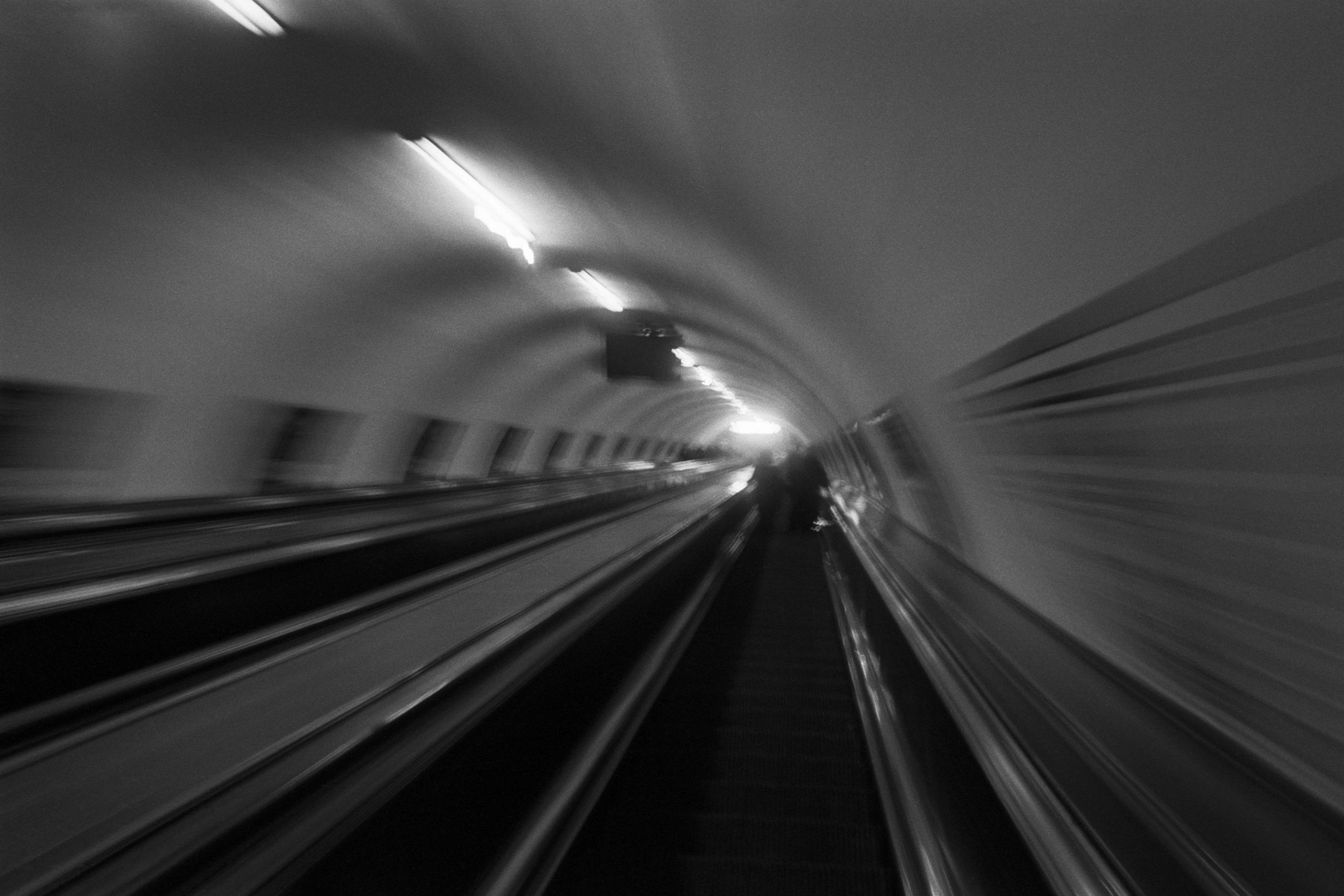
The Wall
2015Winner of the 1st prize & Golden Glass Award at the 11th Photographic Open Championship Olsztyn, and 1st place with the Special Prize of FORMAT magazine at the 3rd Biennial of Art in Piotrków Trybunalski.
View Series →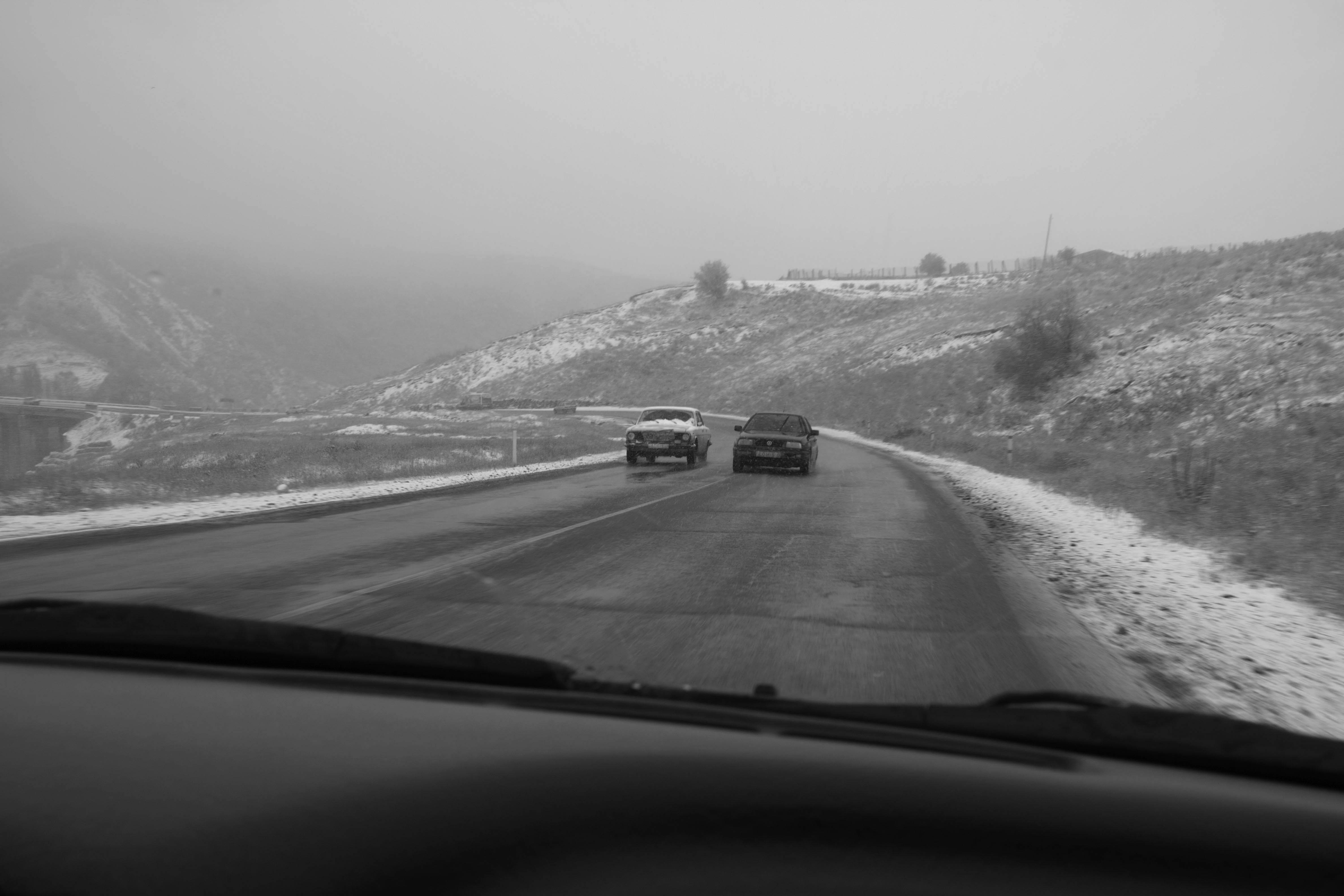
An Engagement Ring
2011A narrative series set in Wrocław in August 2011. Awarded 2nd prize & Silver Glass at the 10th Photographic Open Championship Olsztyn in 2014.
View Series →
Heat Wave
2014A documentary series recording spontaneous events across August and September 2014, capturing the raw energy of a city under the grip of summer.
View Series →