"Photography is not about the thing photographed. It is about how that thing looks photographed."
Minimalist Portraits: Finding Depth in Simplicity
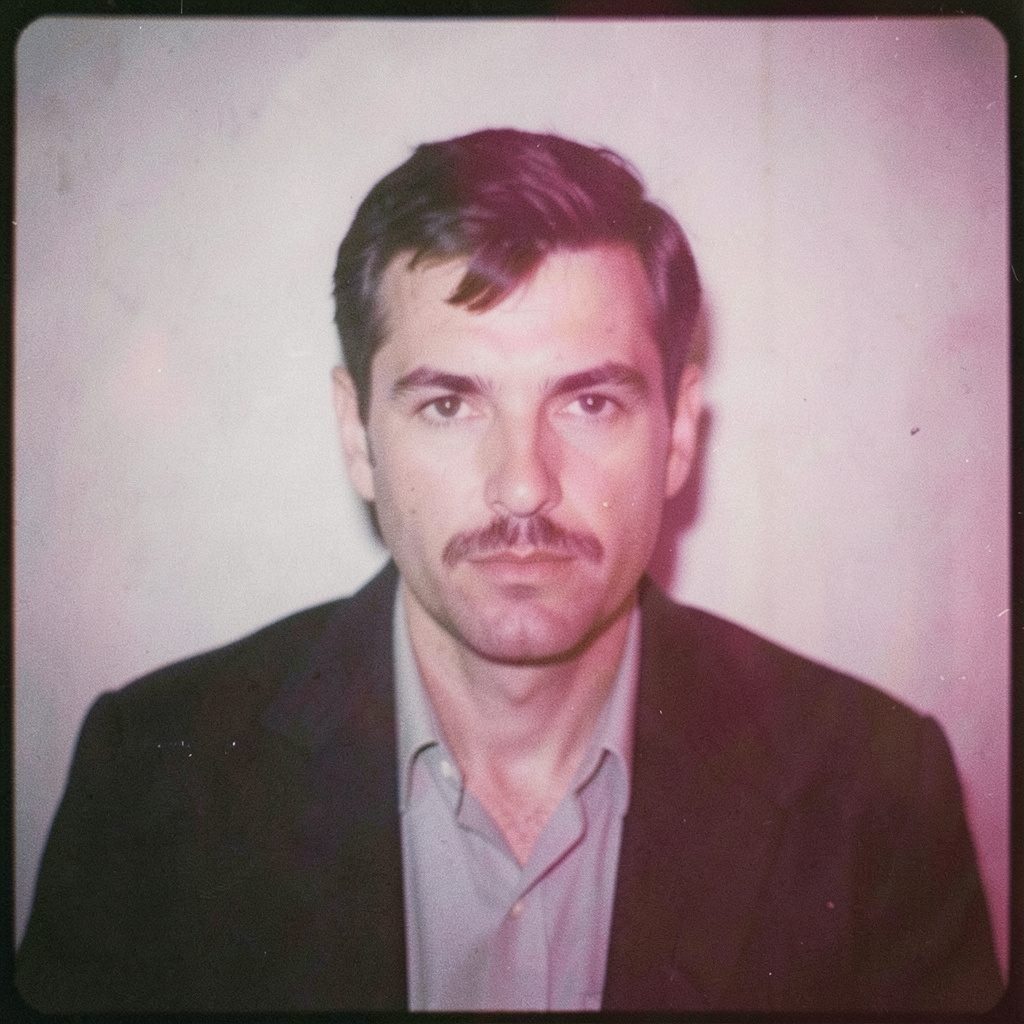
The art of the minimalist portrait lies in the careful removal of anything that weakens the encounter between sitter and camera. A plain background, restrained clothing, and a controlled gesture can give the face greater force than a crowded scene. The frame becomes a quiet space in which posture, light, and expression carry the image. Minimalism here is purposeful arrangement, leaving every visible element with a clear reason to exist.
This restraint is especially valuable in professional photography, where a portrait may need to communicate confidence, personality, status, warmth, or creative intent. The principle that less is more proves useful only when it serves the person and the purpose. A business headshot benefits from clarity; a fashion image can use emptiness to amplify shape and mood; an event portrait can preserve the energy of a person without reproducing every detail of the surroundings.
In my practice in Wrocław, I move between analogue and digital methods to find that balance. Medium-format cameras, black-and-white film, and darkroom thinking encourage deliberate decisions because every frame carries consequence. Digital tools then provide speed, precision, and flexibility when a commercial commission requires it. Whether the result is a studio portrait or a conceptual photographic series, the aim remains a coherent image with no decorative distractions.
Framing a Portrait With Purpose
Minimalist framing begins with a hierarchy of attention. The camera must decide what matters most: the face, the hands, a particular posture, or the relationship between the body and its surroundings. Every additional element competes for that attention. By simplifying the composition, the photographer creates a hierarchy that the eye can understand almost immediately. The result feels calm, yet it remains visually active because shape, tone, and gesture still interact.
A setting can be reduced to one or two meaningful cues without losing context. A wall, doorway, chair, or patch of textured light may suggest place, profession, or personality with greater subtlety than a collection of props. In environmental portraiture, depth often comes from the distance between foreground and background rather than from elaborate set design. A foreground edge can frame the sitter; a soft shadow can imply depth. Restraint makes these relationships clearer.
Wardrobe and grooming are part of the composition, not separate from it. Simple cuts, controlled colors, and fabric that holds its shape help the body read as a silhouette. Small details such as a collar, cuff, or line of a jacket can provide precision when everything else is quiet. The goal is to prevent clothing from competing with expression. When texture and tone support the face, the portrait feels unified.
Light, Shadow, and Visual Quiet
Light creates the first sculptural form in a minimalist portrait. Direction determines how a face emerges from shadow, while softness decides whether edges feel intimate or severe. A single window or large source can model cheekbones, brow, and jaw with remarkable economy. Hard light may carve clean geometry into the image; diffused light can turn the same setting into a subdued study of skin and expression.
The balance of light and dark is as important as the subject itself. Shadows should give structure, not become empty patches, so their density and shape need careful attention. In monochrome photography, tonal separation can replace color contrast and keep the face distinct from the background. Holding detail in both highlights and shadows creates a measured image with depth. Excessive brightness or crushed blacks would flatten that structure.
Controlled lighting also supports the visual language used in portraiture, fashion, and conceptual photography. In the Rafal Michalak Photography portfolio, the work is presented as a meeting point between personal image-making and professional practice. Across those contexts, restraint in the lighting setup helps the sitter remain present. Complex sources can add texture, yet they also create visual noise. Choosing fewer variables usually reveals more about the person.
Expression Beyond Performance
A portrait’s most important element is often the smallest: a shift in the eyes, the release of tension in the mouth, a slight turn of the head. Minimalism gives these micro-expressions room to register because nothing else asks for immediate attention. It also changes the direction of a session. Instead of filling silence with poses or constant adjustments, the photographer can watch for a natural alignment of face and body. The frame is then built around a genuine moment rather than a constructed mask.
Directing a sitter does not require elaborate instruction. A precise request to turn the chin, hold the shoulders, or look beyond the camera can alter the entire emotional register of an image. Quiet pauses often produce the strongest gaze because concentration replaces the effort of performing. The aim is to create conditions in which the subject can make a small decision and then remain there. That brief stability lets posture, light, and expression settle into one coherent presence.
Stillness should feel active, though. The hands need a purpose, the weight of the body needs to make sense, and the eyes need somewhere to travel. A portrait with an empty lower frame can suggest calm, while a slightly compressed posture may communicate reserve or intensity. These choices should emerge from the character of the sitter and the purpose of the image. Generic poise is less persuasive than a gesture that reveals something true about the person in front of the lens.
Composition That Breathes
Negative space is active only when its placement feels deliberate. Letting the subject occupy one side of the frame can create tension, direction, or a visual pause. A look toward an open area encourages the eye to travel beyond the face and makes the composition feel spacious. The empty area must still have shape, whether through tonal gradation, architectural lines, or a small shadow. Random emptiness lacks purpose; designed space gives the sitter room and makes the photograph easier to read.
A minimal composition often depends on precise geometry. The angle of a shoulder, the vertical line of a window, or the horizontal edge of a table can establish order without adding visible decoration. Careful attention to headroom and edges keeps the frame from feeling accidental. Cropping can remove information, but it can also sharpen a relationship between face and body. The strongest crop feels like part of the photographic idea rather than a late attempt to rescue an awkward frame.
For a coherent series, minimalism provides a clear standard for consistency. Each frame can vary in scale, gesture, or setting while retaining the same approach to light, background, and tonal range. That visual continuity allows differences between subjects to become more noticeable. It also prevents a series from drifting into unrelated looks. By defining a small set of formal rules, the photographer can explore character without sacrificing the identity of the body of work.
Medium Format and Film Character
Medium-format film encourages a measured way of working. The larger negative records fine detail, subtle gradations, and clean shadow transitions, qualities that can make a spare portrait feel remarkably immediate. Because each exposure carries visible cost and consequence, framing and focus receive extra attention. The camera becomes less like a rapid capture device and more like a tool for making considered decisions. That pace suits a portrait built around presence rather than spectacle.
Black-and-white film removes the distraction of color and reveals the structure of an image. A red wall, a pale shirt, or a dark jacket becomes a set of values, and the eye begins to read shape and relationship differently. Grain can add a physical texture that clean digital files do not reproduce, while the limited tonal palette can unify elements that might otherwise compete. The monochrome result should still feel specific, not nostalgic by default; its character comes from exposure, development, and framing.
Film and digital processes can complement each other carefully. A carefully scanned negative can preserve grain and tonal depth, then enter a digital workflow for cropping, balancing, and selective finishing. The digital stage should avoid erasing the character created during capture. Restraint is useful here: small adjustments to density, contrast, and local tone often preserve more of the photograph than a global filter. The aim is to clarify the image while keeping its material integrity intact.
Darkroom Principles, Digital Precision
Darkroom thinking remains valuable even when no chemical print is made. Dodging and burning describe the act of shaping light selectively after exposure, a principle that transfers directly to digital editing. Brightening an eye socket, deepening the edge of a jacket, or guiding attention toward a hand can all support the composition. These adjustments work best when they remain quiet. If viewers notice the technique before they notice the person, the edit has taken over the portrait.
Digital restraint begins with removal. Background distractions, temporary marks, and subtle color shifts can often be eliminated faster than they can be designed into the frame during the shoot. The editor can then make a few targeted changes to tone and texture, preserving skin, fabric, and natural asymmetry. Heavy smoothing, dramatic sharpening, and artificial clarity may make an image technically polished, yet they can also weaken the presence that made the minimal frame compelling.
A professional workflow still needs discipline behind this visual simplicity. Files should be backed up, color managed, and edited within a consistent set of parameters, especially when a portrait will appear across print, web, and campaign formats. A reliable sequence from capture to final delivery protects the tonal decisions made on set. It also makes collaboration easier, because the portrait has a coherent foundation rather than relying on late additions to conceal uncertainty. Clean workflow supports clean imagery.
Minimalism for Professional Portraits
Minimalism must still respond to the reason a portrait exists. In business portraiture, the image may need to place a person within a professional context while keeping the face dominant. Fashion benefits from stronger shape, gesture, and negative space. Event photography often has to isolate a personality from a busy moment within seconds. A conceptual series may demand a stricter rule that connects one frame to the next. The same visual economy can serve all of these aims, but its emphasis changes with the brief.
Good preparation prevents simplicity from becoming vagueness. A useful session begins by defining the audience, the emotional character, and the single most important thing the portrait must communicate. References can establish tone, but the photographer still needs to decide which details belong in the frame and which would dilute it. On set, testing a lighting position or crop before the main work begins saves time and creates options. After the shoot, editing should reinforce that original purpose rather than introduce a separate aesthetic.
The final image gains strength when every visible choice points toward the sitter. A plain wall, a measured shadow, and a quiet gesture may contain more information than a scene filled with props and incident. In portraiture, that restraint creates room for the viewer to meet another person rather than inspect a production. Working this way in Wrocław, across studio commissions and personal series, keeps photography grounded in attention: fewer distractions, clearer relationships, and a frame that feels complete without becoming crowded.
Selected Series
A cross-section of commissioned and personal projects spanning fine art, commercial, and conceptual work.
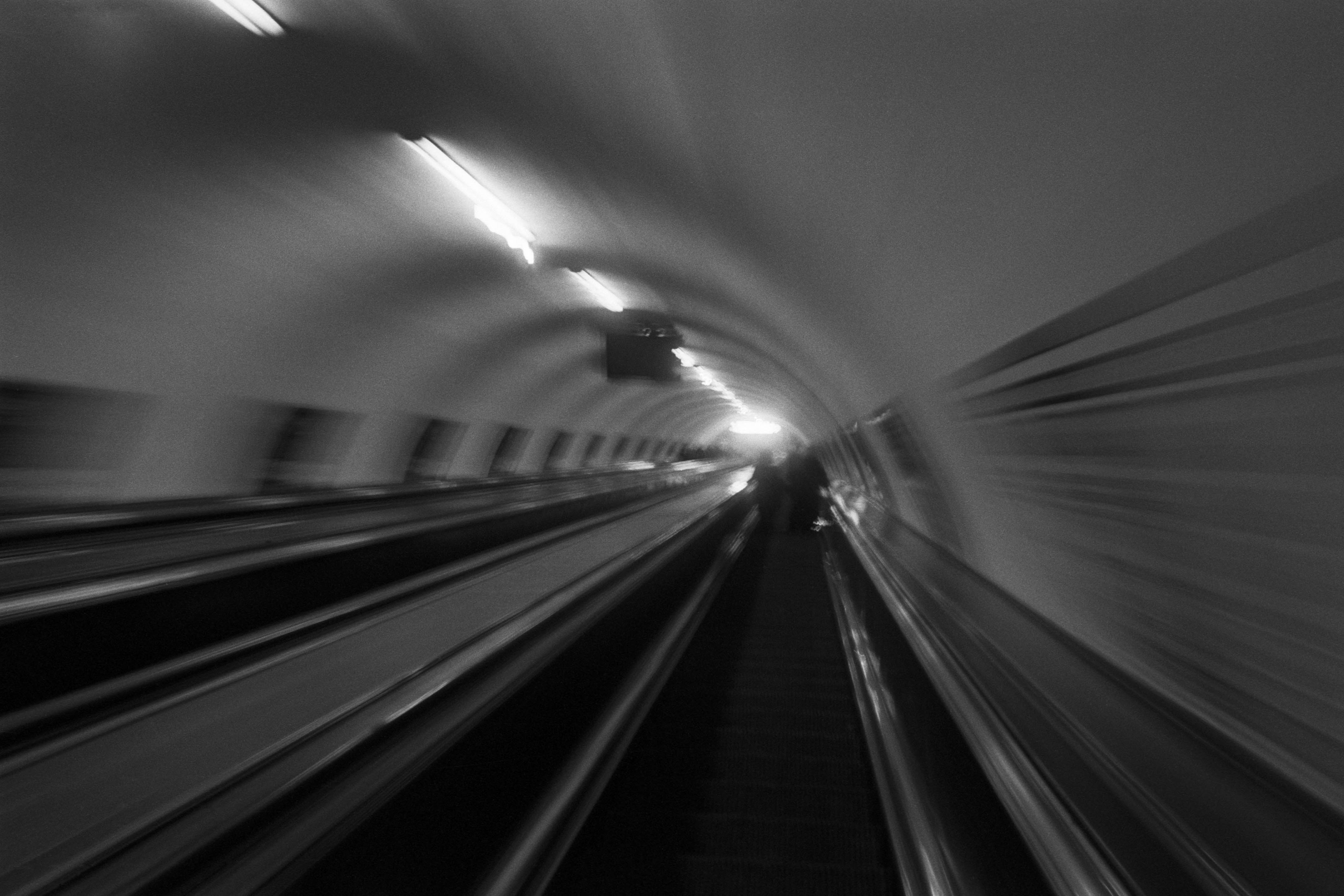
The Wall
2015Winner of the 1st prize & Golden Glass Award at the 11th Photographic Open Championship Olsztyn, and 1st place with the Special Prize of FORMAT magazine at the 3rd Biennial of Art in Piotrków Trybunalski.
View Series →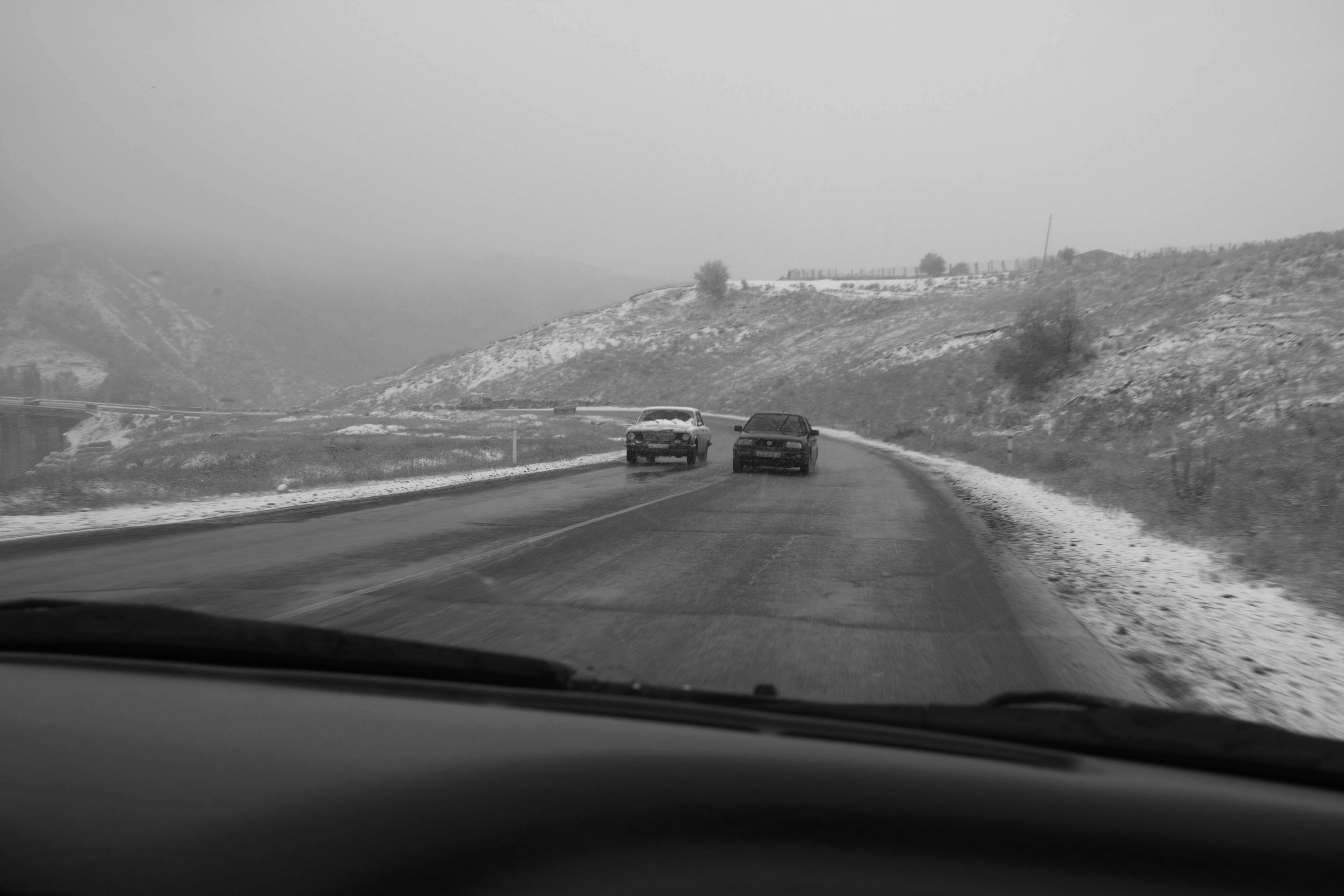
An Engagement Ring
2011A narrative series set in Wrocław in August 2011. Awarded 2nd prize & Silver Glass at the 10th Photographic Open Championship Olsztyn in 2014.
View Series →
Heat Wave
2014A documentary series recording spontaneous events across August and September 2014, capturing the raw energy of a city under the grip of summer.
View Series →