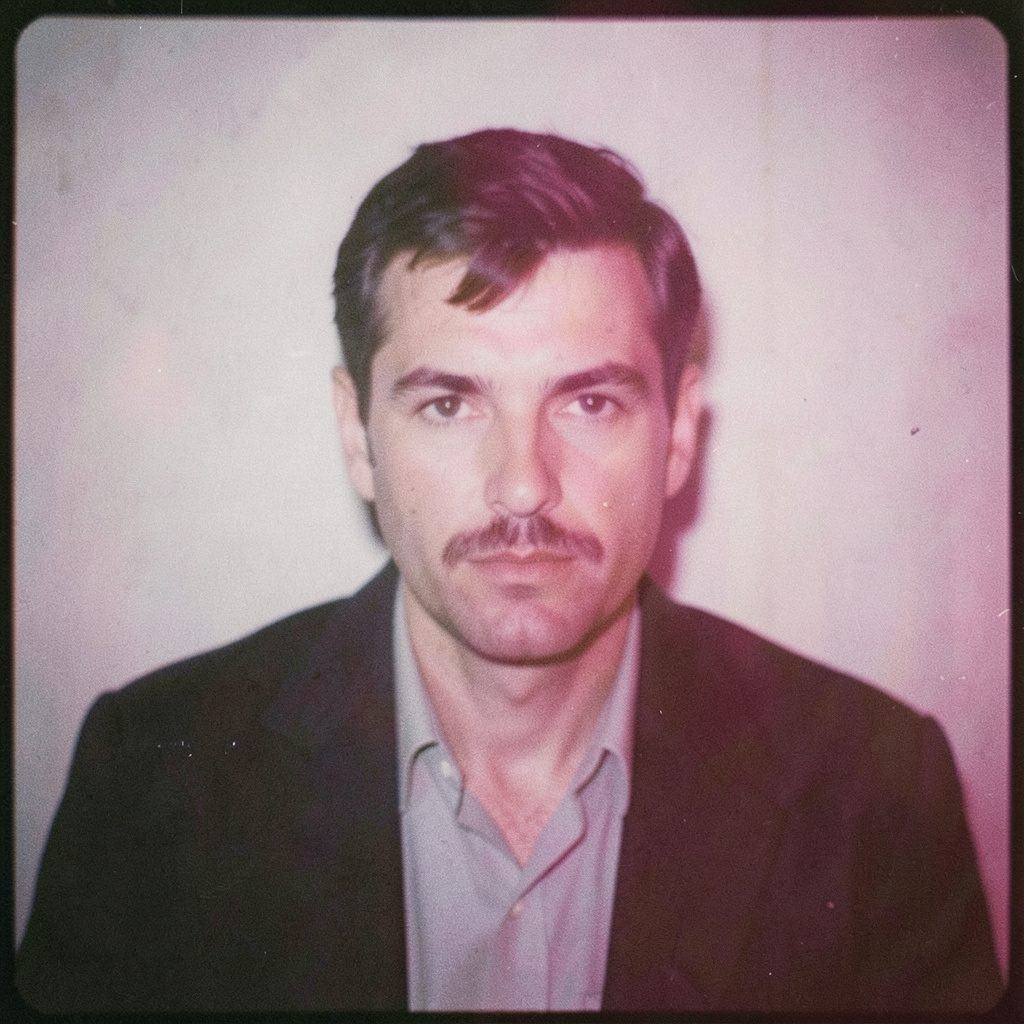
"Photography is not about the thing photographed. It is about how that thing looks photographed."
The beauty of analogue photography in a digital age
Photography has never been limited to the equipment used to make it. A camera is a tool, but the image begins with attention: the pause before pressing the shutter, the quality of available light, the relationship between photographer and subject, and the decision to leave some things unresolved. In an age of instant previews and unlimited storage, analogue photography offers a slower, more deliberate way of seeing.
Film has a physical presence that digital files do not. A roll of 35mm or medium-format film is an object with a fixed number of exposures, each one carrying a small measure of risk. The resulting negative becomes an archive of the moment, while the print translates that moment into something tangible, tactile and lasting. Grain, tonal variation, soft highlights and subtle imperfections become part of the image’s character.
This appeal is especially relevant for portraits, fashion editorials, events and fine art work. A person often behaves differently when the process is calm and considered rather than rapid and highly technical. The slower pace can create space for a genuine expression, an unusual gesture or a quiet connection that might be missed during a sequence of hundreds of digital frames.
For businesses and individuals in Australia, where strong sunlight, expansive landscapes and distinctive urban environments shape visual identity, film provides an alternative to polished sameness. A portrait made on medium-format film in Melbourne’s laneways, or a black-and-white series photographed near Sydney’s coastline, can feel personal, crafted and memorable.
Why film still feels different
Digital photography is remarkably capable. Modern cameras produce clean files in difficult light, autofocus can track a moving subject with impressive accuracy, and images can be reviewed immediately. These strengths are valuable for commercial campaigns, conferences and fast-moving events. Yet technical precision is only one part of an image’s impact.
Analogue materials interpret light in their own way. Film responds gradually to highlights, often creating a gentler transition between bright areas and mid-tones. Skin can appear nuanced rather than clinically sharp, while shadows retain a depth that encourages the viewer to look for detail. Black-and-white film, in particular, transforms colour into a study of texture, shape and atmosphere.
The difference is also psychological. With a limited number of exposures, the photographer must consider composition before making the image. There is no temptation to spray and select later. That constraint can sharpen observation and make the session feel more collaborative. Subjects tend to become aware that each frame matters, which may encourage a more natural pace and a stronger sense of presence.
Film’s imperfections contribute to its emotional quality. Grain may vary across the frame, dust can leave a trace, and the chemistry of development affects contrast and density. These qualities should be controlled rather than treated as accidents, but they give analogue work a human signature. The image feels made, not merely captured.
The craft behind an analogue image
A finished film photograph is the result of several connected decisions. The choice of stock influences colour, grain and sensitivity. Medium-format film creates generous negative space and exceptional tonal detail, while 35mm can feel immediate, energetic and intimate. Black-and-white emulsions offer another visual language, ranging from delicate greys to graphic contrast.
Lighting remains central. Natural window light can create a quiet portrait with gentle fall-off, while direct afternoon sun may produce hard shadows and a more expressive fashion image. In Australia, the quality of light changes significantly between locations: the sharp brightness of a Sydney summer, the softer conditions of an overcast Melbourne day and the warm late light found across Western Australia all offer distinct possibilities.
Development and printing extend the creative process beyond the camera. Darkroom principles encourage careful control of exposure, contrast and paper choice. A photographer may expose a negative with a final print in mind, then adjust development or enlarger settings to preserve the mood. Even when a negative is scanned for digital delivery, this knowledge influences how the file is interpreted and refined.
A hybrid workflow can bring together the strengths of both approaches. Film may be exposed and developed traditionally, scanned at high resolution, and then prepared for a website, campaign, magazine or social platform. The result maintains the visual character of analogue photography while remaining practical for modern communication. For commercial clients, this balance is often the most useful route.
Analogue photography in Australian visual culture
Australia has a strong relationship with photography, shaped by long distances, changing weather and a mixture of dense cities and open country. Visual stories often move between the built environment and the landscape. A conceptual series made in the laneways of Melbourne can carry a different mood from one photographed along the coast near Adelaide or among the dry textures of the Northern Territory.
Local conditions also reward careful exposure. Australian sunlight can be unforgiving, particularly around midday, and reflective surfaces near beaches, glass buildings and pale concrete can quickly alter a portrait. Working with film encourages the photographer to read that light before the session begins. Early morning or late afternoon, often described simply as the “good light” period, can reveal colour and shape with far greater subtlety.
The Australian commercial market has its own practical rhythm. Businesses in Sydney, Melbourne and Brisbane may need polished portraits for LinkedIn, annual reports, media releases and professional profiles, while smaller companies in regional centres often want imagery that feels credible rather than overly corporate. A film portrait can give a founder, creative director or hospitality team a distinctive visual identity without appearing staged.
There is also a growing appreciation for physical photographs. A framed print in a Melbourne studio, a small exhibition in a Fitzroy gallery or a carefully produced lookbook can create a stronger experience than an image viewed briefly on a phone. Australian audiences are familiar with relaxed, direct communication, so the best sessions often involve clear planning followed by an easy, conversational atmosphere—less fuss, more attention to the work.
For clients in Perth or regional Western Australia, travel and processing times may require additional planning because specialist laboratories and darkroom facilities are more concentrated in major cities. That distance is manageable when film choice, backup plans and delivery deadlines are discussed early. Good preparation protects the creative process without removing its spontaneity.
Where analogue portraits and fashion work come alive
Portraiture benefits from the intimacy of film because the process gives the subject room to settle. A photographer can observe posture, expression and small shifts in energy rather than relying entirely on direction. This is valuable for business portraits, where a person needs to appear capable and approachable, and for editorial portraits, where ambiguity may be more interesting than a conventional smile.
Medium-format photography is particularly effective when the final image needs presence. The larger negative can render fine tonal transitions and a gentle separation between subject and background. It suits an executive portrait in a quiet office, a musician in a rehearsal space or a designer surrounded by materials that reflect their practice.
Fashion photography often uses analogue methods to interrupt perfection. Clothing becomes part of a larger composition involving movement, texture and attitude. A slight variation in focus or a flare of light may support the concept rather than weaken it. In Melbourne’s independent fashion scene, where designers often value materiality and individuality, a film-based editorial can feel aligned with the work itself.
Events require a more flexible approach. Film can document a gallery opening, brand launch or private celebration with warmth and restraint, but it must be used thoughtfully. A photographer needs to anticipate important moments, carry suitable stock and understand when digital equipment may be more practical. Combining film with a discreet digital backup can provide creative character and dependable coverage.
The most successful sessions begin with a shared visual direction. A moodboard might include references to old cinema, documentary portraiture, architectural forms or contemporary fashion. Location, wardrobe and timing can then support that direction. Whether the shoot takes place in a Sydney studio, a Brisbane warehouse or an outdoor setting near the Yarra, the aim is to create images with a clear point of view.
Making considered choices in a fast image economy
The value of analogue photography is not based on nostalgia alone. It comes from the way the medium changes behaviour. Film asks the photographer to slow down, make judgments and accept that a useful image may contain uncertainty. Those qualities can be meaningful when audiences are surrounded by rapidly produced content designed to disappear within hours.
For a business, an analogue image can help establish distinction. It may communicate craft, heritage, confidence or creative independence. This is especially effective for architects, restaurants, galleries, fashion labels, makers and professional practices that want their visual identity to feel considered. The image does not need to look old-fashioned; it can use the depth and texture of film within a contemporary design system.
Clients should also understand what the process involves. Film has costs for stock, development, scanning, proofing and sometimes printing. Turnaround can be longer than a fully digital shoot, and not every frame will be available for immediate review. These are part of the medium’s character, but clear expectations allow the work to remain enjoyable and efficient.
A photographer’s role is to interpret the medium rather than allow it to dictate every decision. Analogue techniques may be ideal for the hero portraits or conceptual images, while digital capture may support fast-moving parts of an event. The strongest practice is often selective: choose film when its texture, pace and tonal response add meaning, then use modern tools where speed and accuracy matter most.
The final photograph should continue to work after the novelty of film has faded. It needs a strong composition, an honest relationship with the subject and a purpose beyond its surface texture. Grain can attract attention, but it cannot replace an idea. When craft and intention meet, analogue photography becomes more than a look; it becomes a way of making images that people remember.
Practical ways to work with film today
A successful analogue project depends on matching the medium to the purpose, location and delivery requirements. The following choices help keep the experience creative while making room for the practical realities of contemporary photography:
- Choose 35mm film for movement, documentary energy and event coverage, and medium format when detail, tonal depth and a quieter pace are priorities.
- Schedule portraits around softer morning or late-afternoon light, particularly in bright Australian locations where midday sun can create harsh contrast.
- Discuss the intended use before the shoot, including website images, printed brochures, editorial publication, social media crops and large-format artwork.
- Ask for a workflow that combines analogue capture with professional scanning when digital files are needed for fast commercial delivery.
- Build a visual reference set covering mood, wardrobe, location, colour and lighting rather than relying on a vague request for a “film look”.
- Allow time and budget for film stock, laboratory processing, scanning, test images and archival printing where a physical final work is required.
- Use a mixed workflow for demanding events or campaigns so the distinctive character of film is preserved without compromising essential coverage.
Analogue photography remains relevant because it creates a different relationship with time. The photographer observes more closely, the subject has room to respond, and the finished image carries evidence of a physical process. In a digital age, that sense of touch and intention can make a portrait, fashion story or fine art series feel unusually present.
Selected Series
A cross-section of commissioned and personal projects spanning fine art, commercial, and conceptual work.
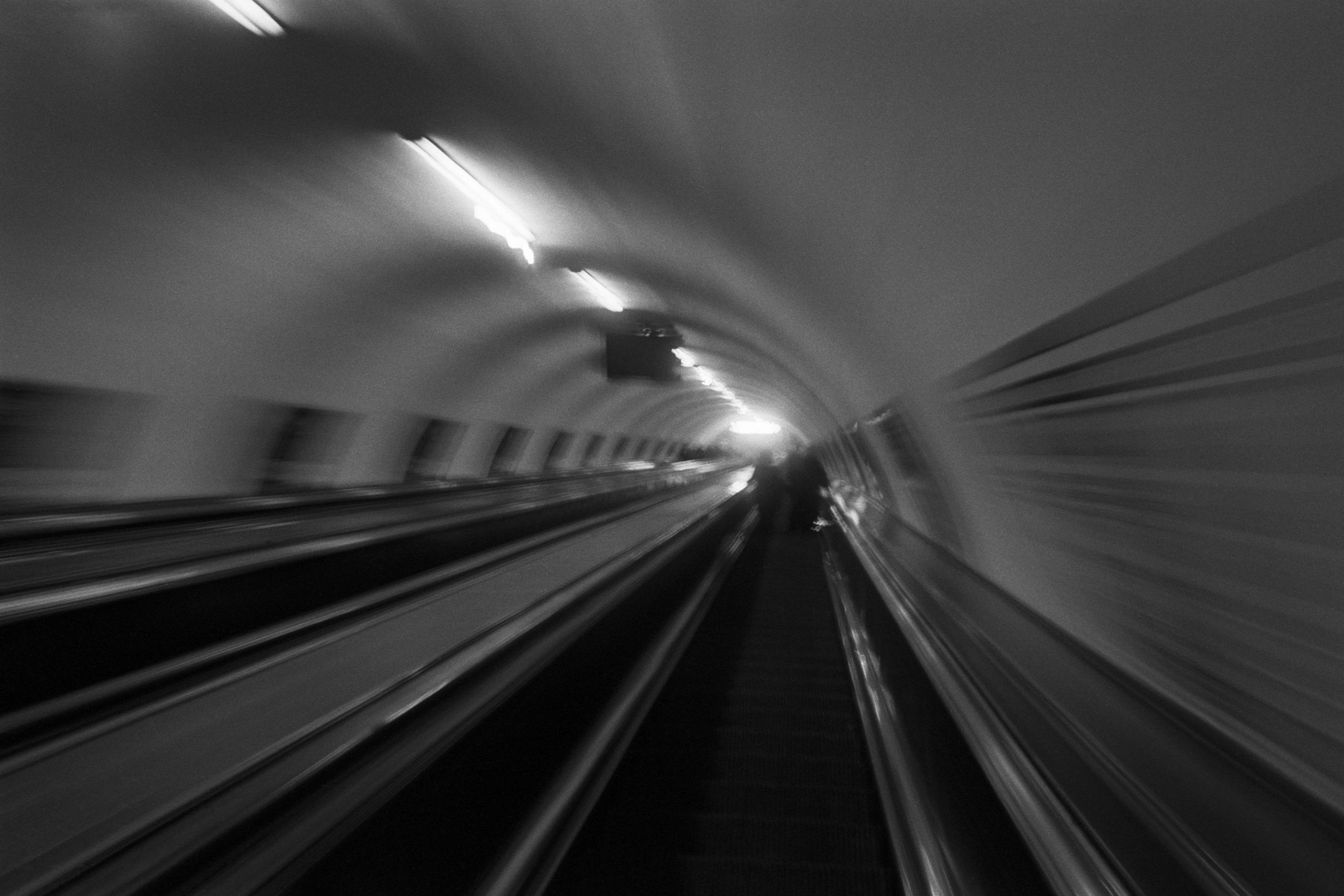
The Wall
2015Winner of the 1st prize & Golden Glass Award at the 11th Photographic Open Championship Olsztyn, and 1st place with the Special Prize of FORMAT magazine at the 3rd Biennial of Art in Piotrków Trybunalski.
View Series →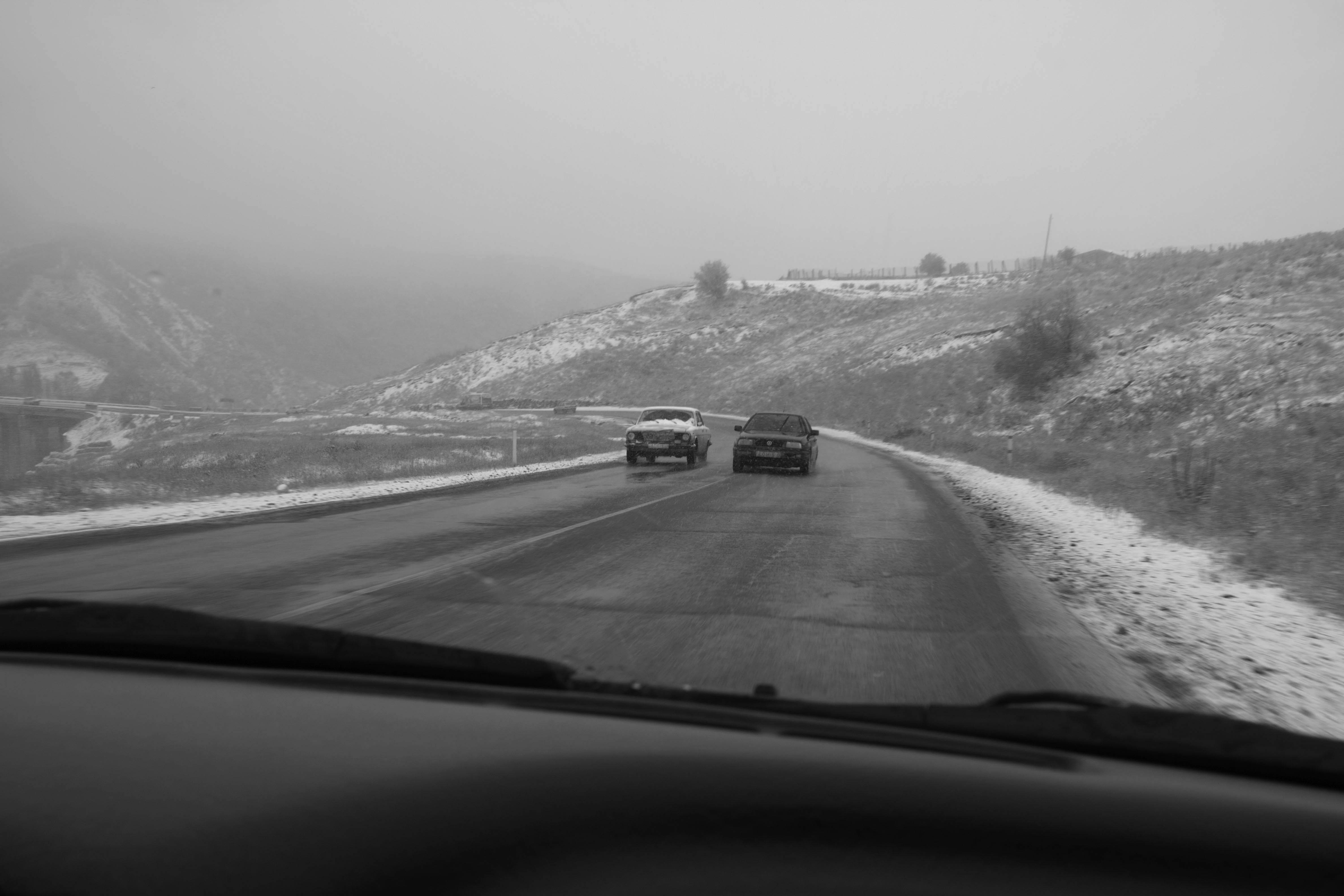
An Engagement Ring
2011A narrative series set in Wrocław in August 2011. Awarded 2nd prize & Silver Glass at the 10th Photographic Open Championship Olsztyn in 2014.
View Series →
Heat Wave
2014A documentary series recording spontaneous events across August and September 2014, capturing the raw energy of a city under the grip of summer.
View Series →