"Photography is not about the thing photographed. It is about how that thing looks photographed."
The Best Locations in Wrocław for Outdoor Portraits
Wrocław offers an unusually rich setting for portrait photography. Medieval façades, reflective waterways, modernist architecture, leafy gardens and post-industrial streets can all be reached within a manageable distance of the city centre. That variety makes it possible to create a polished business portrait in the morning and a more expressive editorial series later the same day.
For Australian visitors and clients, the city also provides a visual language that feels distinct from familiar Sydney beaches, Melbourne laneways or Brisbane’s subtropical streets. Wrocław’s softer northern light, changing seasons and layered European architecture bring a different atmosphere to personal branding, fashion and fine art imagery. The strongest location depends on the subject, clothing, intended publication and the relationship between the person and their surroundings.
Market Square And The Historic Centre
Wrocław’s Market Square, or Rynek, is an obvious starting point for portraits with architectural character. Ornate townhouses, arcaded walkways and narrow adjoining streets create a sequence of backgrounds rather than a single fixed scene. A photographer can use bold colour and geometry near the restored façades, then move into quieter side streets for a more restrained frame.
Early morning is usually the most comfortable time for this area. The light is gentler, pedestrians are fewer and the square retains enough energy to suggest the city without overwhelming the subject. For a business portrait, placing a person against a clean façade can communicate confidence and approachability. For fashion or conceptual work, the repeated windows, cobblestones and saturated walls offer stronger visual tension.
The historic centre suits Australian professionals who want a European setting without an overly formal result. A Melbourne creative director, for example, may appreciate the relationship between the city’s café culture and Wrocław’s active public squares. Neutral clothing works well against colourful buildings, while a simple black or cream outfit allows the architecture to carry more of the image.
Ostrów Tumski And The Oder River
Ostrów Tumski, the oldest part of Wrocław, has a quieter mood than the Market Square. Brick churches, narrow lanes and the Oder riverbanks provide a sense of depth and continuity. The district is especially effective for portraits that need a contemplative, established or romantic quality, with the cathedral towers giving the background a clear local identity.
The river creates useful opportunities for layered compositions. A subject can be framed beside the water, beneath mature trees or against the distant bridges, while the changing surface adds subtle movement. Around sunset, warm light can skim across the façades and produce a gentle separation between the person and the background. On overcast days, the same location becomes more graphic, with subdued tones and soft shadows that suit black-and-white photography.
The famous lamplighter tradition adds a distinctive detail in the evening, although the area should be treated respectfully and photographed without interrupting pedestrians or religious activity. For visitors arriving from Australia, the riverside atmosphere can feel especially different from coastal portraiture: the emphasis is on history, reflection and vertical architecture rather than open horizon and strong sun.
Szczytnicki Park And The Japanese Garden
Szczytnicki Park is one of Wrocław’s most versatile green spaces. Its mature trees, winding paths and spacious lawns allow the background to change naturally as a session progresses. The park works well for relaxed professional portraits, family imagery, fashion editorials and personal photographs where the subject needs room to move rather than a tightly controlled urban backdrop.
The Japanese Garden within the park provides more structured compositions. Bridges, ponds, carefully shaped vegetation and timber details create calm, ordered frames. It is particularly effective when styling is simple and the colour palette is restrained. A portrait subject in a tailored suit, flowing garment or muted knitwear can sit naturally within the garden’s balance of texture and space.
Spring and early autumn are often particularly rewarding. Australian clients should remember that the seasons are reversed: a September visit to Wrocław brings the beginning of autumn, while an Australian September is associated with spring. This difference matters when planning clothing, foliage and expectations about the colour of the landscape.
Centennial Hall And The Pergola
The area around Centennial Hall offers a more modern and monumental visual language. Its reinforced-concrete dome, broad walkways and strong structural lines create a clean setting for business portraits and contemporary fashion work. The architecture can make a subject appear poised and purposeful, especially when the composition uses symmetry or a low viewpoint.
The nearby Pergola softens that scale with repeating columns, water features and planted borders. It provides shade and rhythm during brighter parts of the day, while the open spaces around the hall allow for full-length images and group portraits. The contrast between the monumental building and the human figure is useful for campaigns that need a sense of ambition or cultural sophistication.
This location can suit an Australian company sending an executive to Poland or developing a multinational profile. A portrait for LinkedIn may use the architecture in a subtle way, while a broader brand campaign can make the hall a central visual element. Clothing in navy, charcoal, white or earthy tones tends to remain clear against the pale concrete and greenery.
Nadodrze And Its Urban Textures
Nadodrze has a more informal and textured character. Renovated tenements sit beside weathered walls, small workshops, independent cafés and painted surfaces. The neighbourhood is well suited to environmental portraits that show personality, particularly for artists, designers, hospitality professionals and founders whose work is connected to the city’s creative community.
The area rewards careful observation rather than a rushed route. A plain doorway may produce a strong head-and-shoulders portrait, while a longer wall can support a full-length fashion frame. Reflections in windows, layered posters and worn plaster can add context without requiring elaborate props. The best images usually preserve the subject’s relationship with the surroundings instead of treating the street as a decorative backdrop.
This balance reflects the approach described in Rafal Michalak’s biography, where analogue methods, medium-format film and digital practice inform a considered photographic process. Nadodrze is particularly compatible with film because its surfaces hold tonal detail and its atmosphere remains convincing in monochrome. It can also produce a relaxed alternative to the polished corporate look common in Australian CBD portrait sessions.
South Park And Grabiszyński Park
South Park, known locally as Park Południowy, offers broad lawns, mature trees and elegant historic details. Its pathways and open spaces are useful for portraits that need a calm, approachable setting. The park’s scale gives a photographer enough flexibility to find clean backgrounds, manage passing activity and make small changes to the direction of light.
Grabiszyński Park is less formal and often feels more expansive. Its woodland edges and long paths can create a sense of movement, making it a strong choice for lifestyle portraits or a series that follows a subject through different poses. In late afternoon, the trees can produce soft backlighting and a gentle glow around hair and clothing, particularly when the sun is low.
For Australian clients, these parks may provide a useful middle ground between a studio headshot and a dramatic city portrait. They are appropriate for professionals who want warmth and accessibility in their images. That quality is valuable in Australia’s service, education, property and wellness sectors, where an approachable portrait can support a personal brand without appearing overly staged.
Choosing Light, Styling And Practical Details
The best location should be selected according to the intended use of the photographs. A law firm or technology company may benefit from the architectural clarity of Centennial Hall, while a musician or designer may appear more naturally in Nadodrze. A personal branding session can combine two nearby moods, such as a formal portrait around the historic centre followed by relaxed images beside the Oder.
Light changes quickly between open squares, tree-covered paths and narrow streets. Morning often gives cleaner backgrounds and cooler tones, while late afternoon brings longer shadows and richer colour. Overcast weather is valuable rather than disappointing: it acts like a large softbox and can make skin tones particularly natural. On bright summer days, scheduling close to sunrise or sunset avoids harsh overhead light and helps the subject remain comfortable.
Wardrobe should respond to the surroundings without blending into them. Strong patterns can compete with historic façades, while simple layers work across several locations. Shoes deserve attention because cobblestones and park paths are common. Australian visitors should also account for Wrocław’s cooler temperatures outside summer and avoid assuming that the light will resemble the intense ultraviolet conditions experienced in Australia.
Some sites may have rules concerning commercial photography, tripods, garden access or larger productions. A small portrait session is usually easier to manage than a campaign involving assistants, lighting equipment and wardrobe changes. Respect for residents, visitors and protected landscapes helps preserve the natural atmosphere that makes these locations valuable. With a thoughtful route and a clear visual purpose, Wrocław can provide portraits that feel both connected to the city and distinctly personal.
Selected Series
A cross-section of commissioned and personal projects spanning fine art, commercial, and conceptual work.
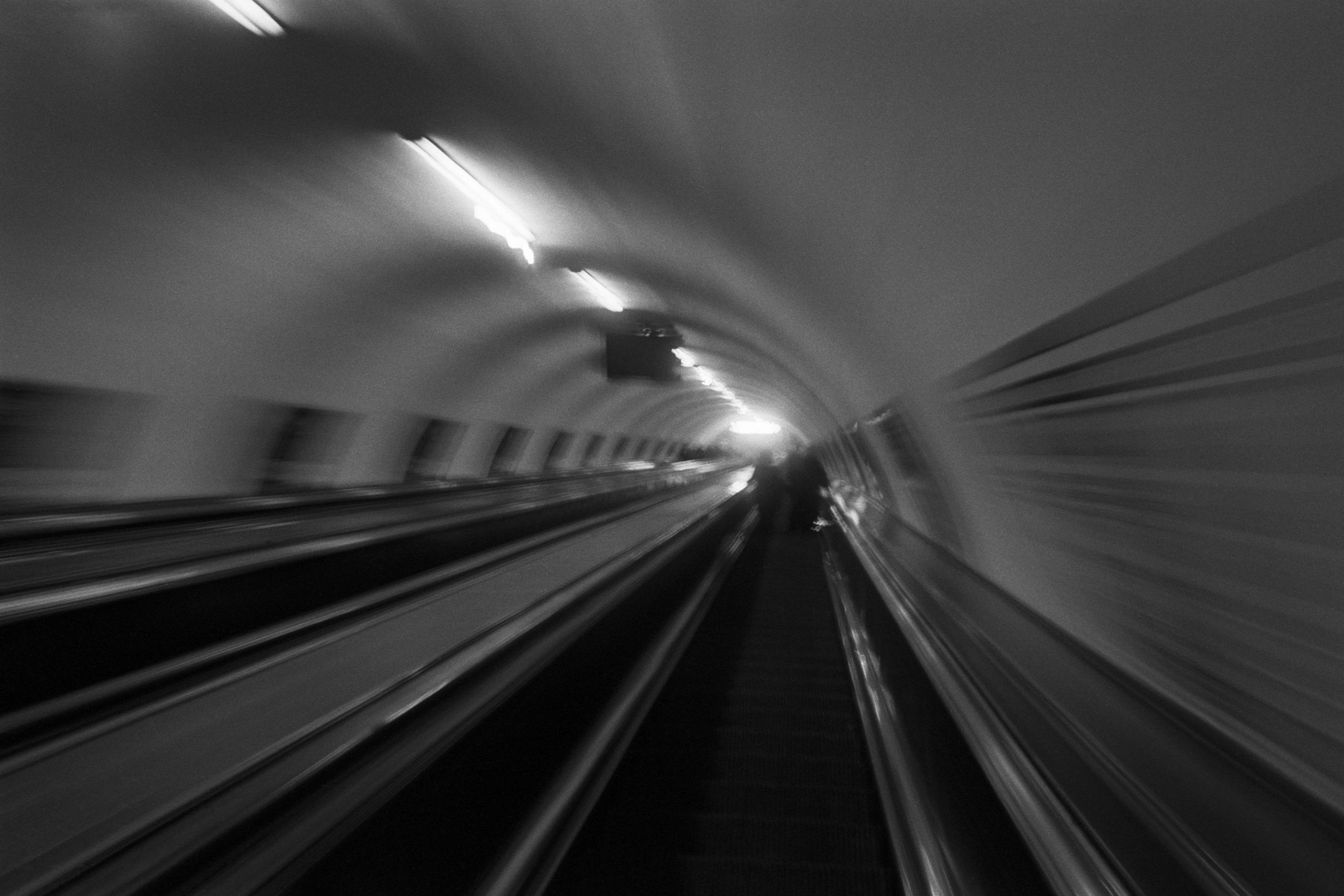
The Wall
2015Winner of the 1st prize & Golden Glass Award at the 11th Photographic Open Championship Olsztyn, and 1st place with the Special Prize of FORMAT magazine at the 3rd Biennial of Art in Piotrków Trybunalski.
View Series →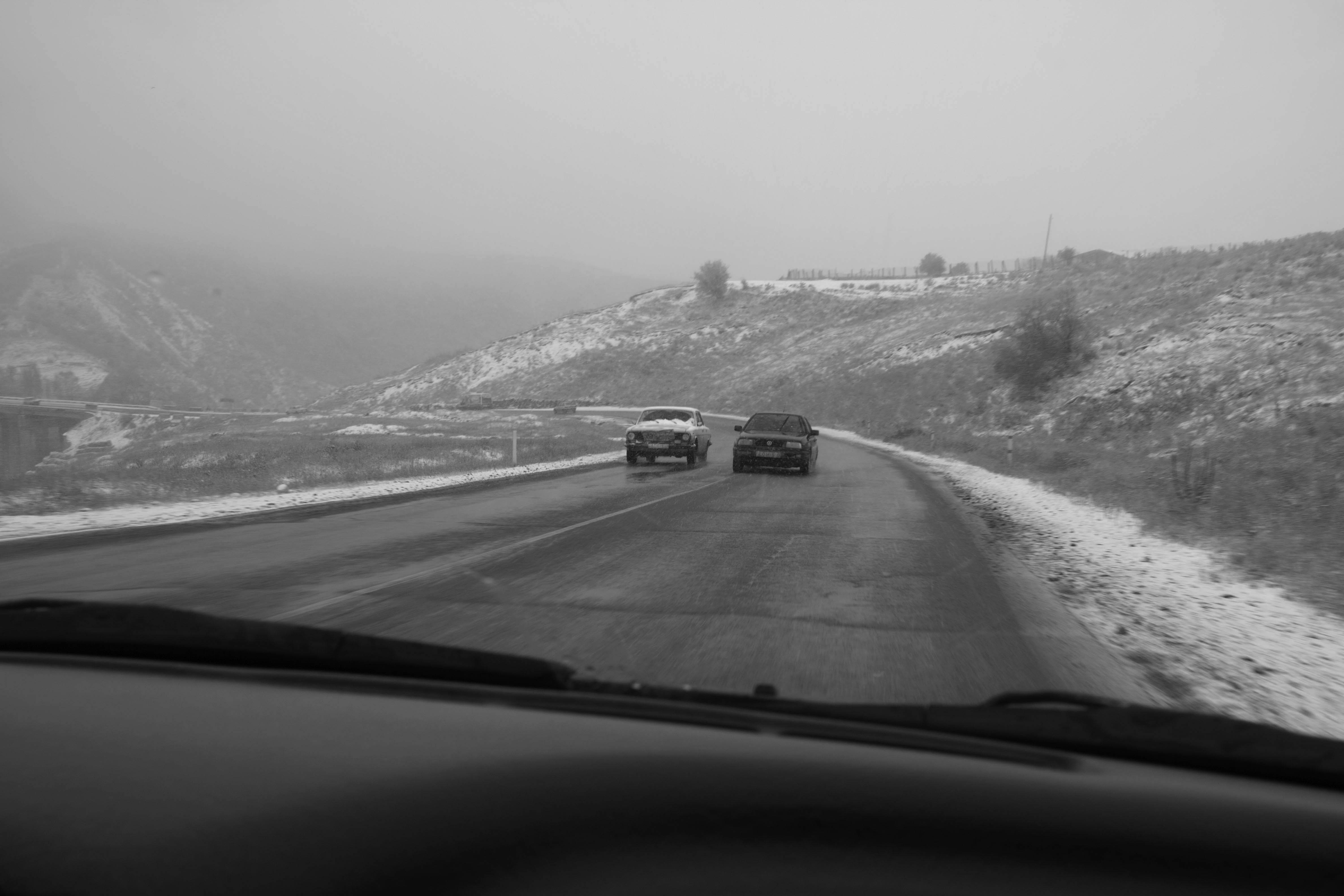
An Engagement Ring
2011A narrative series set in Wrocław in August 2011. Awarded 2nd prize & Silver Glass at the 10th Photographic Open Championship Olsztyn in 2014.
View Series →
Heat Wave
2014A documentary series recording spontaneous events across August and September 2014, capturing the raw energy of a city under the grip of summer.
View Series →